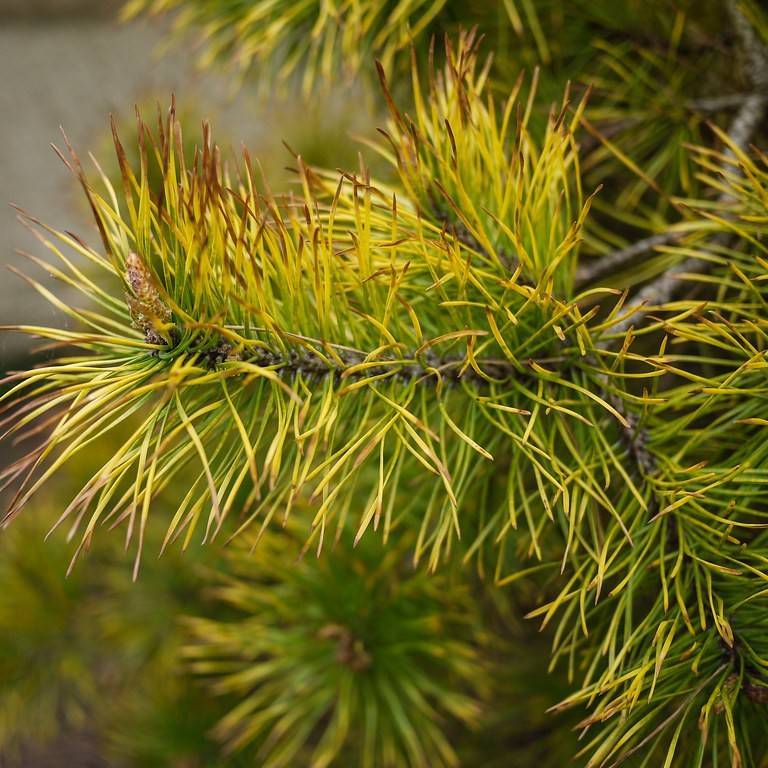
Beach Pine
Pinus contorta var. contorta
Overview
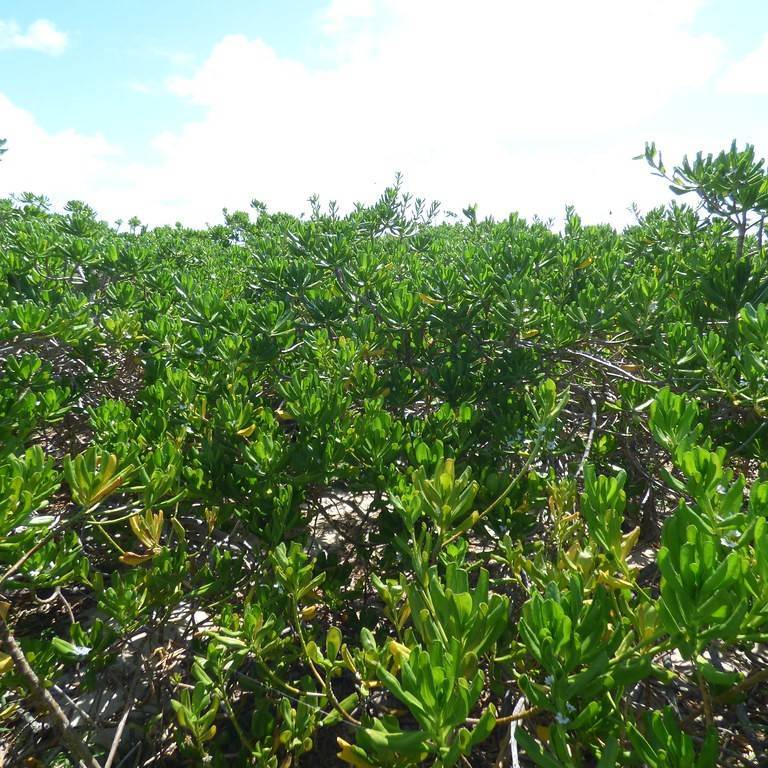
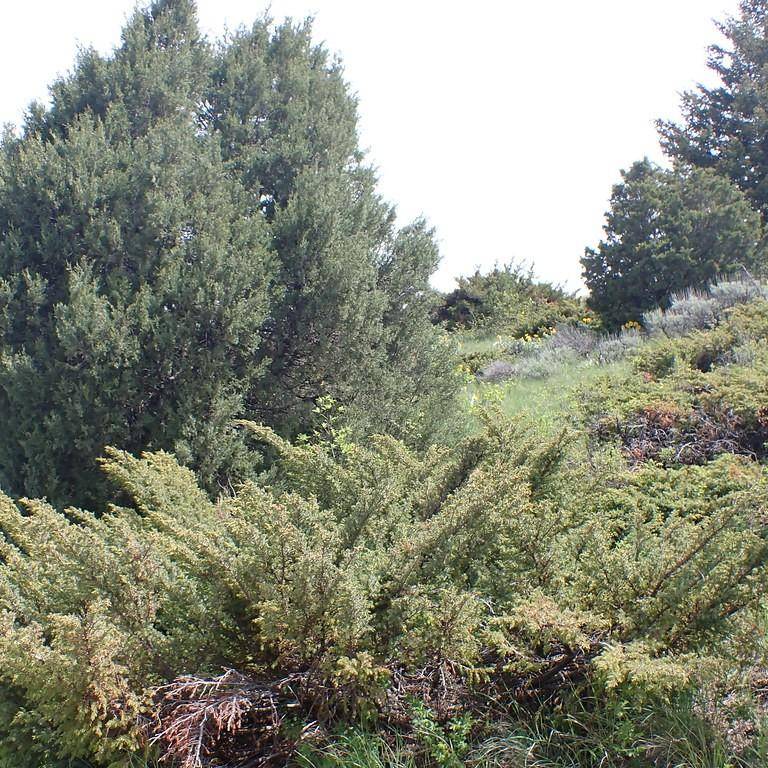
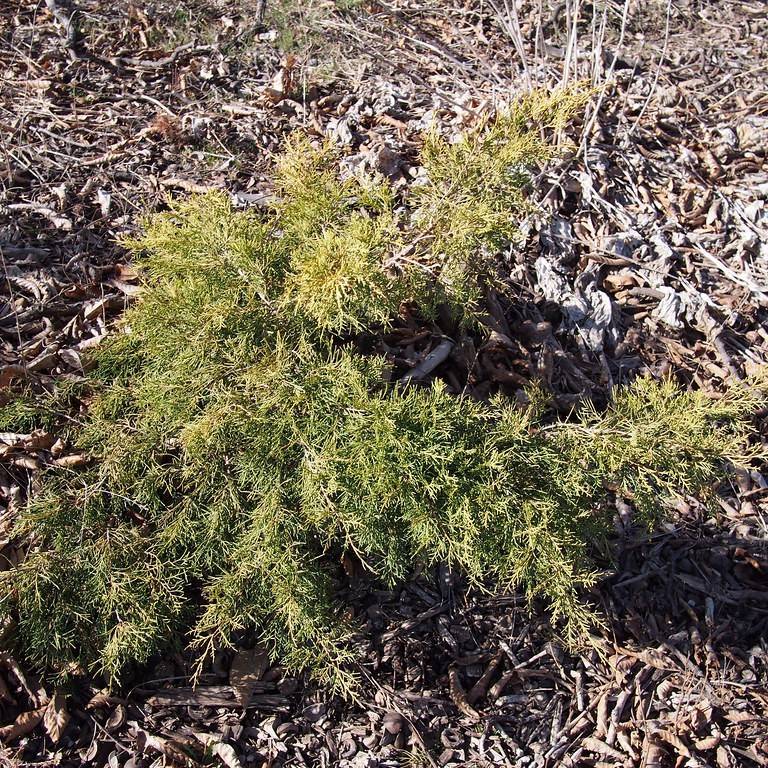
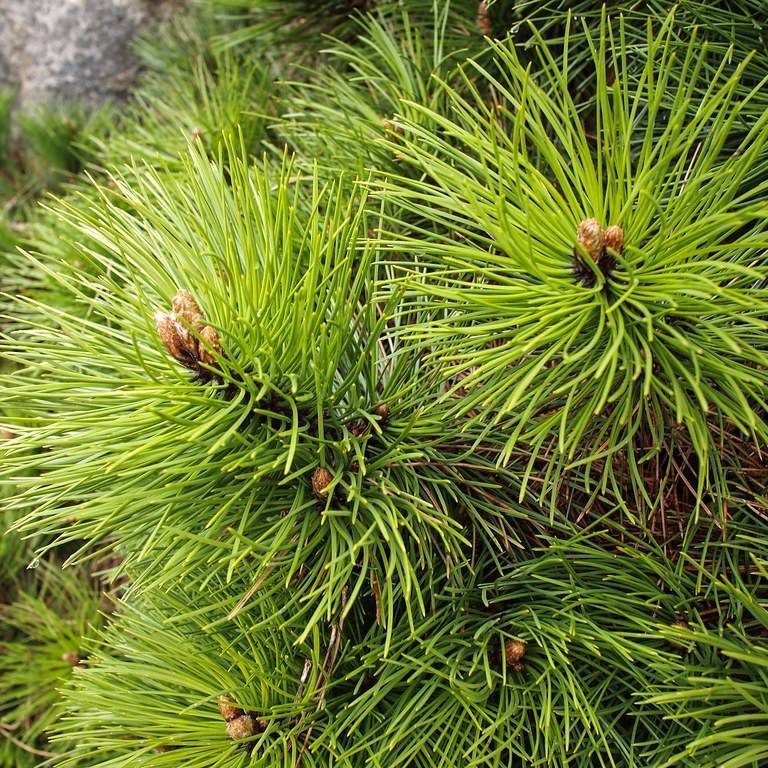
Beach pine is a coastal variant of lodgepole pine, distinguished by its often irregular, contorted growth habit shaped by persistent coastal winds and salt spray. It thrives in nutrient-poor sandy soils where few other trees can survive, providing critical habitat for coastal wildlife and stabilizing shoreline dunes to prevent erosion. Unlike the taller interior lodgepole pine subspecies, it rarely grows to large heights, often forming low, spreading thickets in highly exposed locations.
Care Guide
Watering
Young beach pines require regular, deep watering for the first 2-3 years to establish deep root systems, after which they are highly drought-tolerant and only need supplemental irrigation during prolonged dry periods. Avoid overwatering, as soggy soils can cause root rot, and ensure water drains freely away from the root zone.
Light
Beach pine requires full, direct sunlight for optimal growth, and will not tolerate shaded conditions. Plant it in open locations with no overhead canopy cover to support healthy, vigorous development.
Soil
This species prefers well-drained, sandy, gravelly, or rocky acidic soils with a pH between 4.5 and 6.0, and is adapted to low-nutrient coastal substrates. It can tolerate moderate salt levels in soil and occasional salt spray, making it ideal for shoreline plantings, but will struggle in heavy clay or poorly drained soils.
Fertilizer
Mature beach pines rarely require fertilization, as they are adapted to low-nutrient coastal soils. Young trees can be given a slow-release, balanced evergreen fertilizer once per year in early spring to support establishment, but avoid over-fertilizing which can damage its sensitive root system.
Temperature
Beach pine is highly cold-hardy, thriving in USDA zones 5 through 8, and can tolerate winter temperatures as low as -20°F (-29°C). It is also adapted to cool coastal summer temperatures, and may struggle in areas with sustained high heat and humidity far from maritime influences.
Pruning
Prune beach pine only to remove dead, damaged, or diseased branches, preferably in late winter before new growth emerges. Avoid heavy pruning of live branches, as this can disfigure its natural contorted form and create entry points for disease, and never remove more than 25% of the tree’s live foliage in a single year.
Propagation
Beach pine is most commonly propagated from seeds, which require a 30-60 day cold stratification period to break dormancy before sowing in well-drained sandy potting mix. Cuttings are rarely successful for this species, as mature wood roots very poorly, so seed propagation is the standard method for both home and commercial cultivation.
Humidity
This coastal species tolerates high maritime humidity well, and is adapted to regular exposure to mist and salt-laden air. It can also tolerate moderate dry air, but prolonged periods of extremely low humidity may cause browning of needle tips, especially in young indoor-grown specimens.
Repotting
Beach pine is rarely grown as a potted plant long-term, but young saplings intended for outdoor planting can be kept in containers for 1-2 years before transplanting. Repot only when roots are visibly emerging from drainage holes, using a coarse, well-drained acidic potting mix formulated for conifers, and avoid disturbing the root ball excessively to prevent transplant shock.
Uses & Symbolism
Beach pine is widely planted for coastal shoreline stabilization, as its deep root system holds sandy dunes in place to reduce erosion and storm damage. It is a popular choice for windbreaks and landscape plantings in coastal residential areas, where its salt tolerance and attractive contorted form add ornamental value. Its wood is occasionally used for small construction projects, firewood, and craft wood, though its irregular growth limits commercial timber use.
Diseases & Pests
Beach pine is susceptible to common conifer pests including pine beetles, spruce budworms, and pine needle scale, which can damage foliage and weaken trees during heavy infestations. Fungal diseases such as needle blight, root rot, and rust can occur in poorly drained soils or prolonged wet conditions, causing yellowing needles, dieback, and eventual tree death if left untreated. It is also prone to damage from heavy ice storms and extremely strong winds, which can break branches or uproot shallowly growing trees in saturated soils.
Related plants
Other plants you might like if you grow Beach Pine.