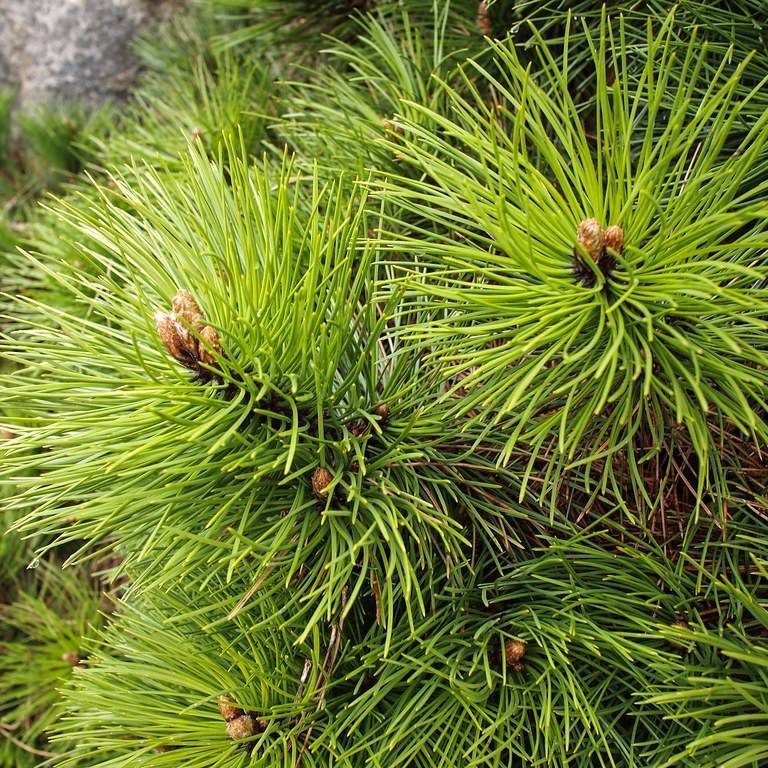
Austrian Pine
Pinus nigra subsp. nigra
Overview
Austrian Pine is a robust, long-lived conifer recognized for its stiff, 3-6 inch dark green needles borne in pairs, rough dark gray-brown furrowed bark, and oval brown cones that persist on branches for several years. It is highly tolerant of urban pollution, salt spray, and poor soil conditions, making it a popular choice for roadside plantings, coastal landscapes, and shelterbelts in areas with cold winters. In its native range, it grows in mixed mountain forests at elevations up to 6,500 feet, supporting local wildlife including birds and small mammals that feed on its seeds.
Care Guide
Watering
Water newly planted Austrian Pines deeply once or twice weekly for the first 2-3 growing seasons to establish a strong root system, allowing the top 3-4 inches of soil to dry between waterings. Mature specimens are highly drought-tolerant, requiring supplemental watering only during extended periods of extreme heat or prolonged drought to prevent needle browning. Avoid overwatering or planting in waterlogged sites, as excess moisture can cause root rot and fungal disease.
Light
Austrian Pine requires full, direct sunlight for at least 6 hours daily to maintain its dense, symmetrical growth habit and healthy foliage. It will not tolerate shaded conditions, which cause sparse, leggy growth, increased susceptibility to pests, and gradual dieback of lower branches. When planting, ensure there is no overhead shading from taller trees or structures to support optimal growth.
Soil
This conifer adapts to a wide range of soil types, including clay, loam, sandy, and alkaline soils, as long as the site has good drainage. It prefers a slightly acidic to neutral pH range of 5.5 to 7.5, but will tolerate moderately alkaline soils up to pH 8.0 better than many other pine species. Amend heavy, compacted clay soils with compost or pine bark fines at planting time to improve drainage and root penetration.
Fertilizer
Young Austrian Pines benefit from a balanced, slow-release evergreen fertilizer applied in early spring before new growth emerges to support healthy needle and root development. Mature specimens rarely require fertilization unless grown in very poor, nutrient-deficient soils, in which case a light application of nitrogen-rich fertilizer every 2-3 years is sufficient. Avoid fertilizing late in the growing season, as this can stimulate tender new growth that is vulnerable to frost damage.
Temperature
Austrian Pine is extremely cold-hardy, thriving in USDA hardiness zones 4 through 7, and can tolerate winter temperatures as low as -30°F (-34°C) without damage. It also tolerates summer heat well, performing reliably in areas with high summer temperatures up to 95°F (35°C) as long as it has access to adequate moisture. It is highly tolerant of salt spray, making it suitable for planting in coastal regions and along roads treated with de-icing salt in winter.
Pruning
Prune Austrian Pine only to remove dead, damaged, or diseased branches, or to shape the tree during its early years, performing all pruning in late winter or early spring before new growth begins. To maintain density, you can pinch back half of the new candle growth (the soft, light green new shoots) in late spring, which encourages bushier, more compact growth. Avoid cutting back into old, bare wood, as Austrian Pine does not produce new growth from leafless branches.
Propagation
Austrian Pine is most commonly propagated from seed, which requires cold stratification for 30-90 days at 33-40°F (1-4°C) to break dormancy before sowing in well-draining potting mix in spring. Cuttings are rarely successful for home gardeners, as they root very slowly and have a low survival rate even with rooting hormone and controlled greenhouse conditions. Grafting onto hardy pine rootstock is used commercially to propagate selected cultivars with consistent traits.
Humidity
Austrian Pine adapts well to a wide range of humidity levels, thriving in both the dry continental climates of its native mountain range and the more humid conditions of temperate coastal regions. It tolerates low winter humidity common in cold inland areas without needle browning, as long as it is adequately watered before the ground freezes. Excessively high humidity combined with poor air circulation can increase the risk of fungal needle blight, so ensure trees are spaced properly to allow air flow between specimens.
Repotting
Austrian Pine is rarely grown as a potted plant long-term, but young saplings may be kept in containers for 1-2 years before transplanting to the landscape. Repot container-grown saplings every 1-2 years in early spring before new growth emerges, using a coarse, well-draining evergreen potting mix with added perlite or pine bark to improve drainage. Once the tree reaches 6-8 feet tall, it should be transplanted to a permanent outdoor location, as it will quickly outgrow container spaces.
Uses & Symbolism
Austrian Pine is widely planted as a windbreak, shelterbelt, and privacy screen in rural and suburban landscapes, thanks to its dense, year-round foliage and tolerance of harsh growing conditions. It is a popular choice for urban and roadside plantings due to its high resistance to air pollution, salt spray, and compacted soil, where it reduces erosion and filters airborne pollutants. Its strong, durable wood is used commercially for construction, furniture, and pulpwood, and it is occasionally grown as a Christmas tree in regions where it thrives.
Diseases & Pests
Austrian Pine is susceptible to Dothistroma needle blight, a fungal disease that causes yellow and brown spots on needles, leading to premature defoliation and reduced growth in wet, humid conditions. Other common pests include pine sawflies, which feed on new needle growth in spring, and pine bark beetles, which bore into the trunk of stressed trees, potentially causing rapid dieback. Root rot can occur in poorly drained, waterlogged soils, leading to yellowing foliage, stunted growth, and eventual tree death if drainage is not improved.
Related plants
Other plants you might like if you grow Austrian Pine.
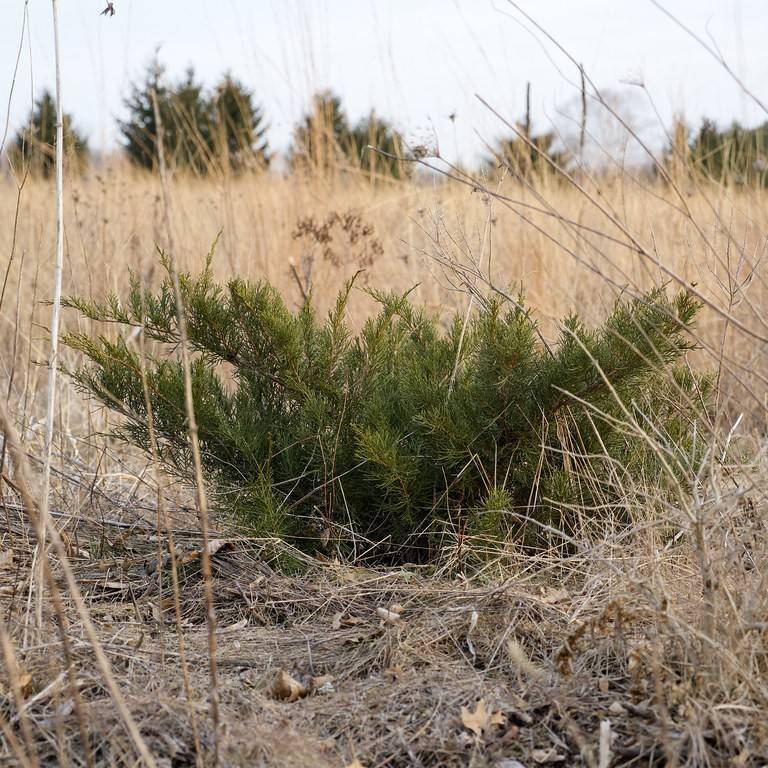
Chinese Juniper
Juniperus chinensis
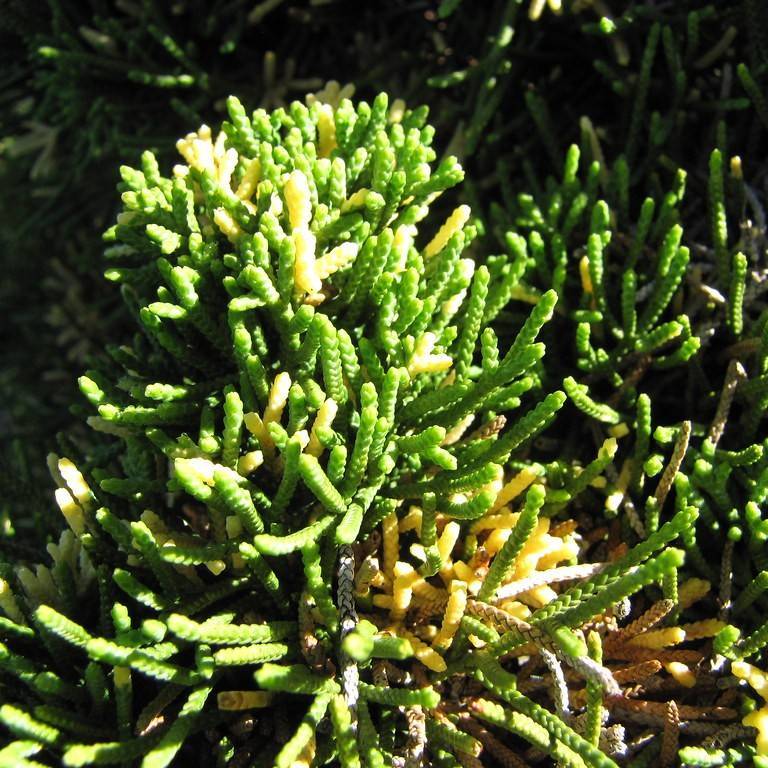
Hollywood Juniper
Juniperus chinensis 'Torulosa'
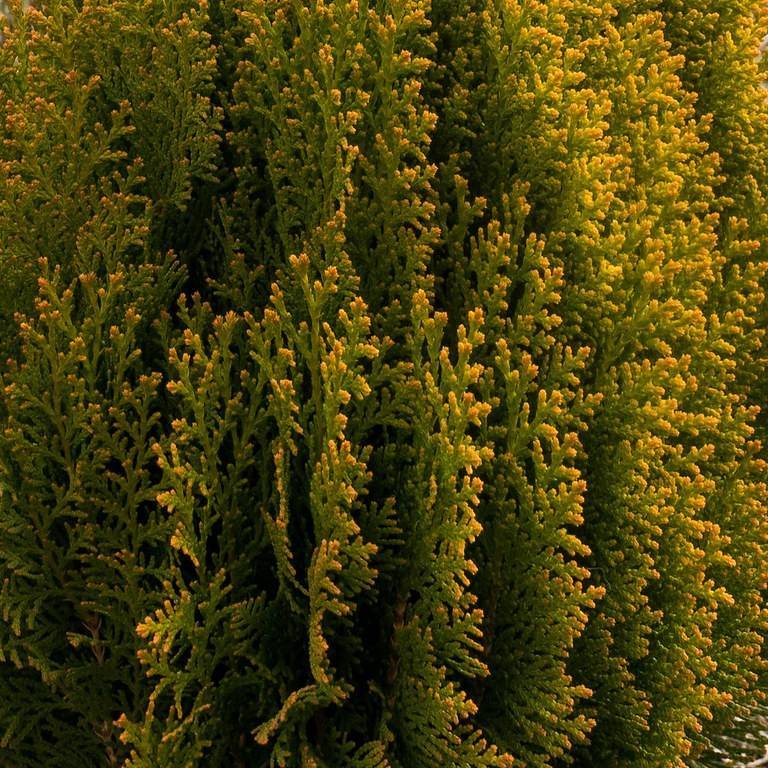
Chinese Arborvitae
Platycladus orientalis
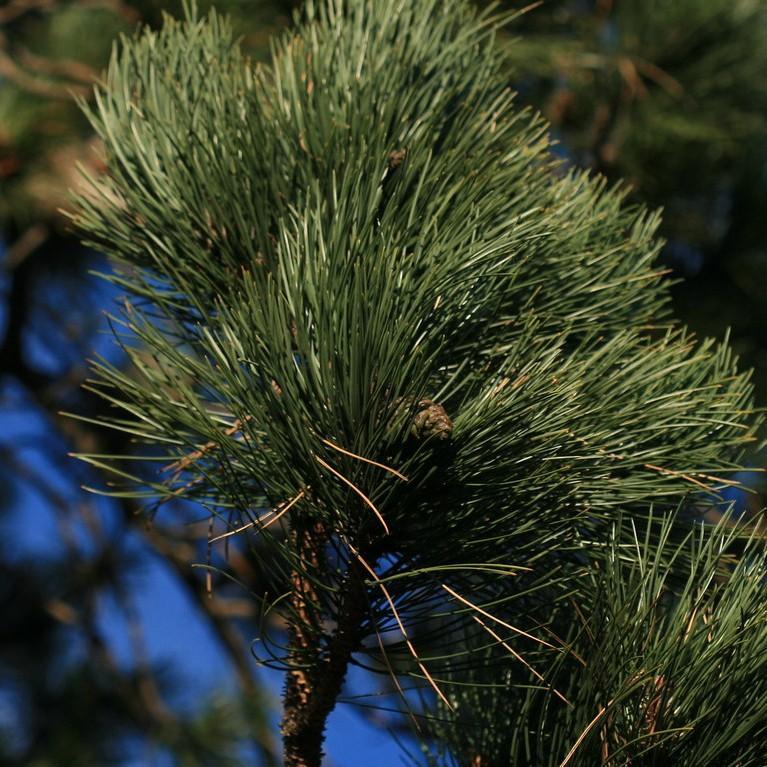
Bosnian Pine
Pinus heldreichii
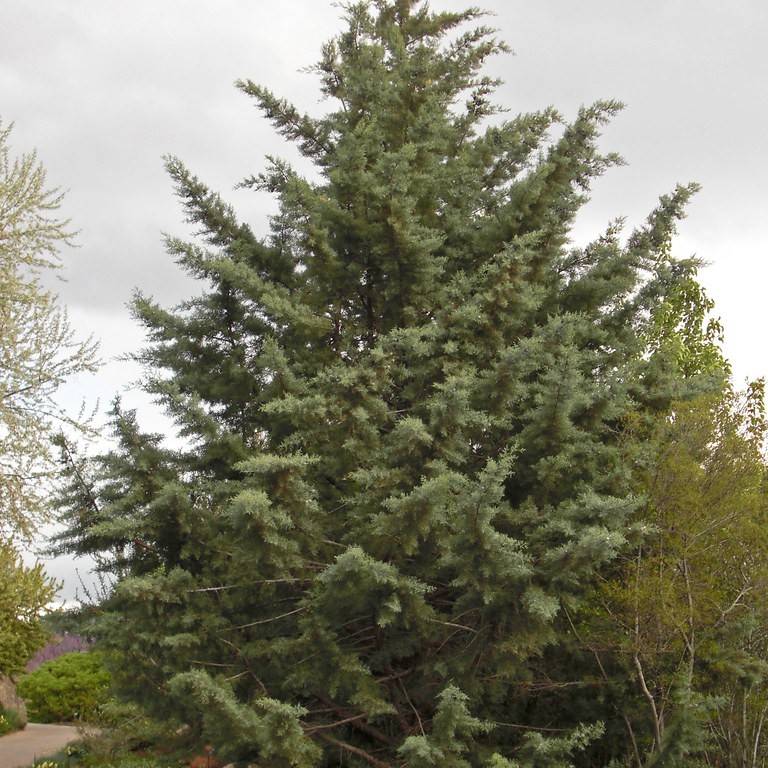
Arizona Cypress
Hesperocyparis arizonica (syn. Cupressus arizonica)
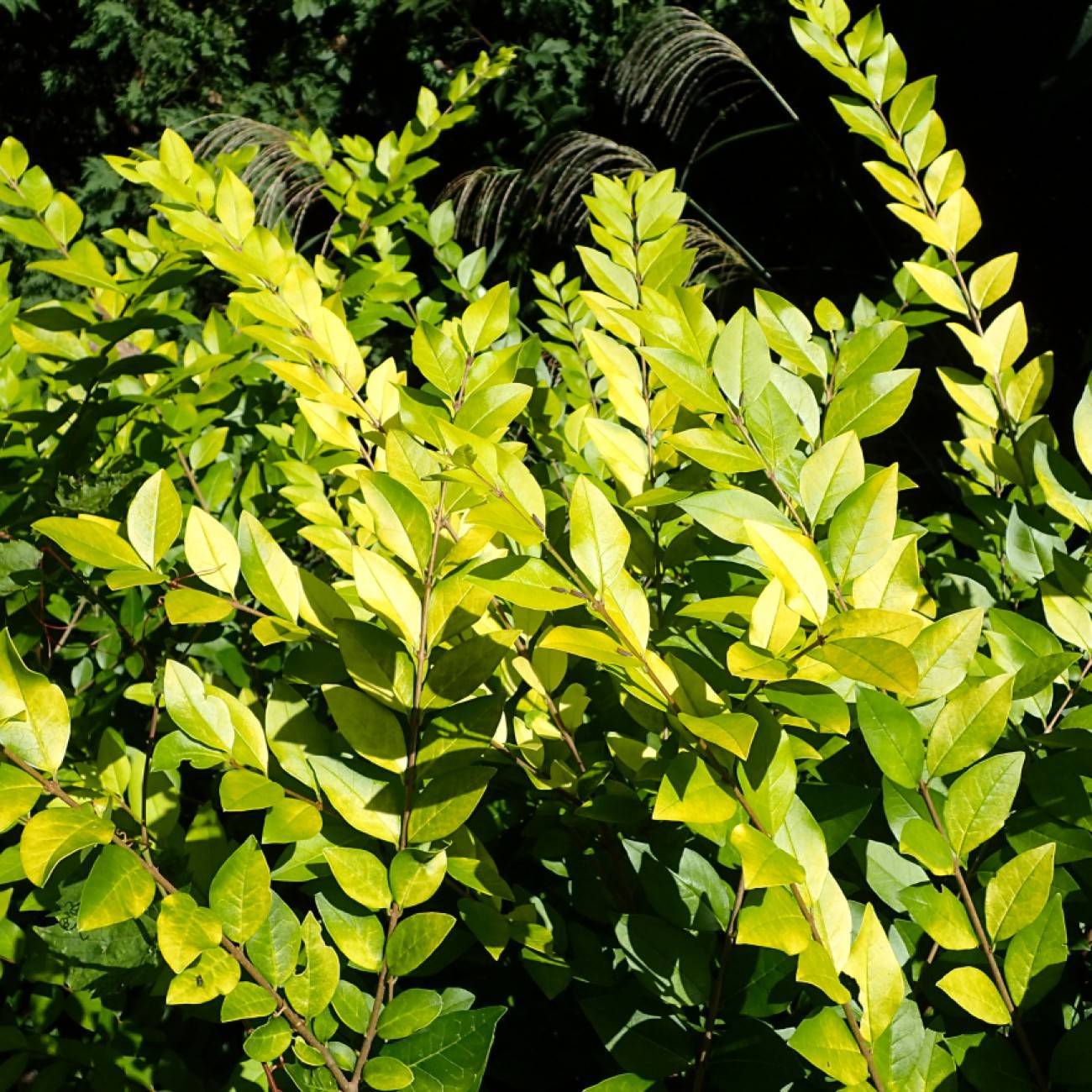
Golden Privet
Ligustrum ovalifolium 'Aureum'
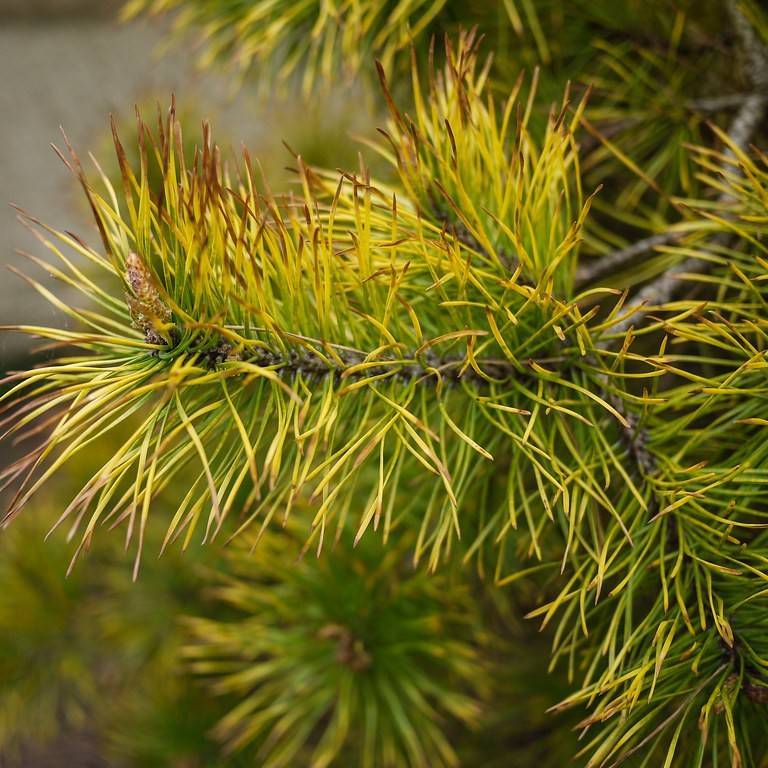
Beach Pine
Pinus contorta var. contorta
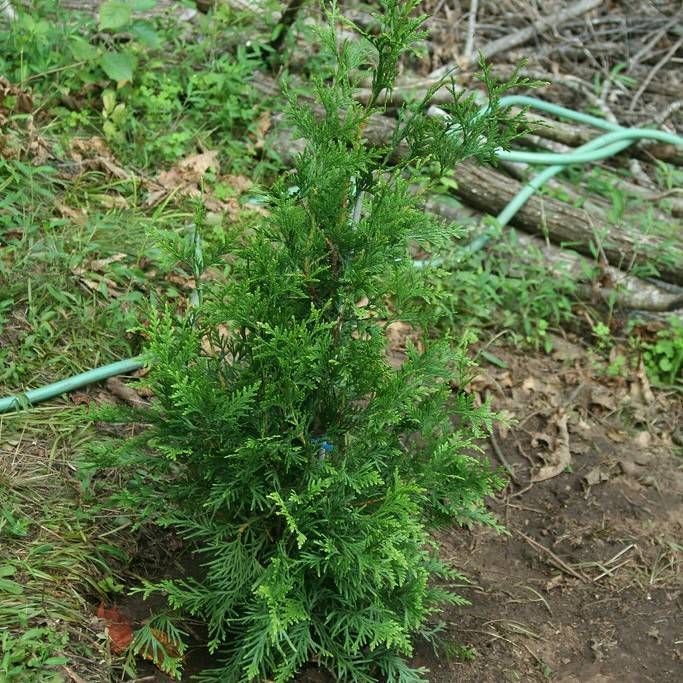
Arborvitae
Thuja occidentalis