Judd Viburnum
Viburnum × juddii
Overview
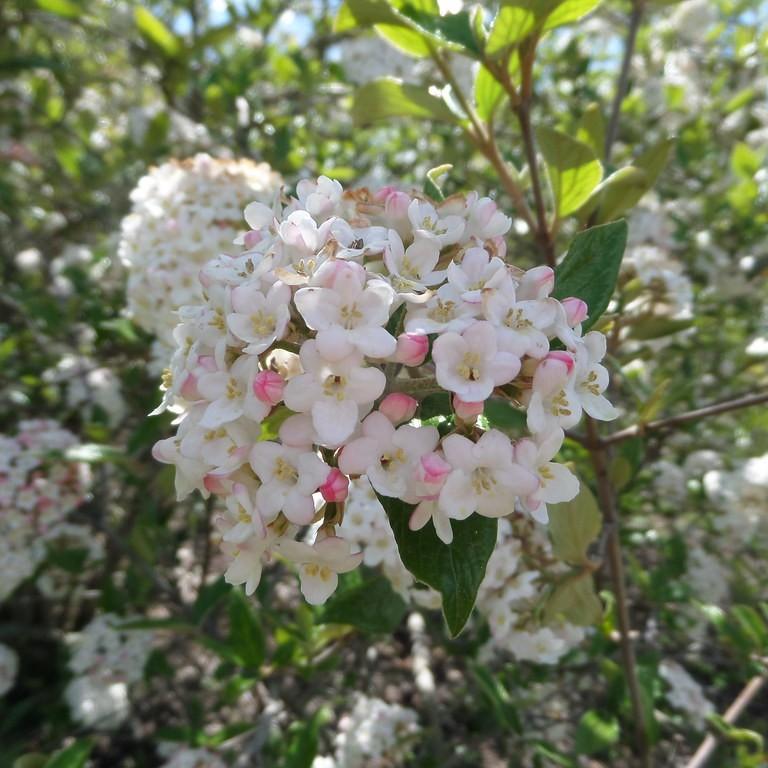
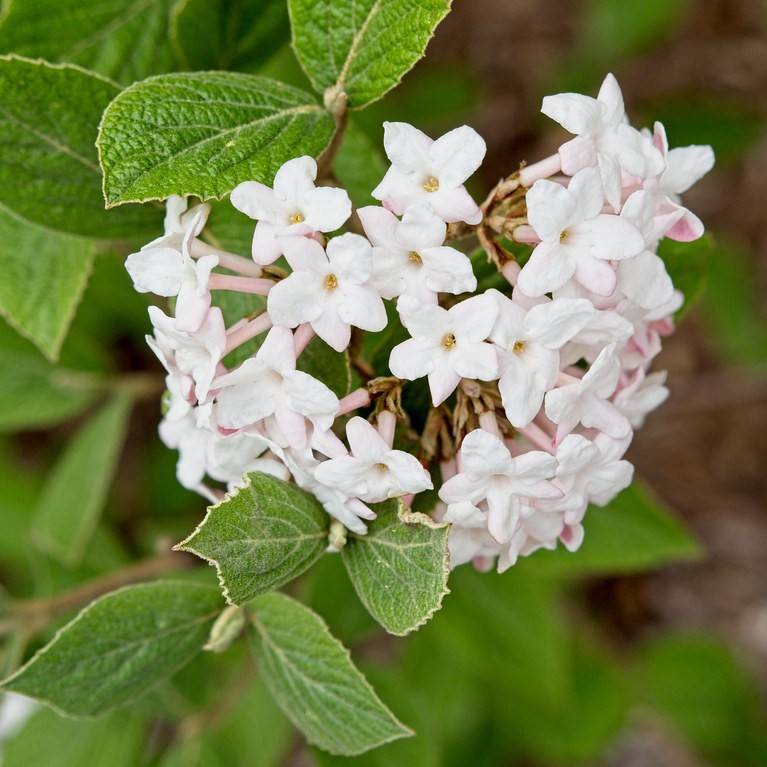
Judd Viburnum is a popular sterile hybrid viburnum, prized for its abundant, highly fragrant clusters of white spring flowers that emerge from pink buds. Its dense, rounded form and glossy dark green leaves turn a muted reddish-purple in fall, adding seasonal interest to landscapes. Unlike many viburnum species, it produces very few fruit, making it a low-mess option for residential gardens.
Care Guide
Watering
Water newly planted Judd Viburnum regularly to keep soil evenly moist for the first two growing seasons, until its root system is established. Mature shrubs are moderately drought tolerant, requiring supplemental watering only during extended dry spells of 2 weeks or more. Avoid overwatering or planting in waterlogged sites, as this can cause root rot.
Light
Judd Viburnum thrives in full sun to partial shade, with at least 4 hours of direct sunlight daily to support optimal flowering. In hotter climates, it benefits from light afternoon shade to prevent leaf scorch during the warmest summer months. Too much deep shade will reduce bloom production and result in a sparser, less dense growth habit.
Soil
This adaptable shrub grows best in well-drained, loamy soil with a slightly acidic to neutral pH range of 5.5 to 7.0, though it tolerates mild alkalinity and clay soils as long as drainage is adequate. Amend heavy clay or sandy soils with organic matter such as compost or well-rotted manure at planting time to improve structure and nutrient retention. Avoid compacted soils, as they restrict root growth and reduce overall vigor.
Fertilizer
Feed Judd Viburnum once per year in early spring, before new growth emerges, with a balanced, slow-release granular fertilizer formulated for woody landscape plants. Do not overfertilize, as excessive nitrogen can lead to lush foliage growth at the expense of flower production and increase susceptibility to pest damage. Mature, well-established shrubs may only need fertilization every 2 to 3 years if grown in nutrient-rich soil.
Temperature
Judd Viburnum is cold hardy in USDA zones 4 through 8, tolerating winter temperatures as low as -30°F (-34°C) without significant damage. It adapts well to summer temperatures up to 90°F (32°C), provided it has adequate moisture and occasional shade in hotter regions. Late spring frosts can damage emerging flower buds, so plant in a sheltered location if frost events are common after mid-spring.
Pruning
Prune Judd Viburnum immediately after it finishes flowering in spring, as it blooms on old wood from the previous year's growth. Remove any dead, damaged, or crossing branches to improve air circulation and maintain its natural rounded shape, avoiding heavy pruning that can reduce bloom production the following year. Mature overgrown shrubs can be rejuvenated by cutting back up to one-third of the oldest stems to ground level every 2 to 3 years.
Propagation
Judd Viburnum is most commonly propagated through softwood cuttings taken in early summer, after new growth has hardened slightly but before it becomes woody. Dip cut end in rooting hormone, place in a well-drained rooting medium under consistent moisture and indirect light, and roots will typically form in 4 to 6 weeks. As a sterile hybrid, it does not produce viable seed, so propagation from seed will not yield true-to-type plants.
Humidity
Judd Viburnum adapts well to a wide range of humidity levels, thriving in the average 40-60% relative humidity common in most temperate growing regions. It tolerates both moderate summer humidity and drier inland conditions, as long as its soil moisture needs are met. Very high, sustained humidity combined with poor air circulation can increase the risk of fungal leaf spot diseases.
Repotting
Judd Viburnum is a large landscape shrub rarely grown in containers long-term, though young specimens can be kept in large pots for 2 to 3 years before planting in the ground. Repot container-grown shrubs in early spring before new growth emerges, moving to a pot 2 to 3 inches larger than the current one with a well-drained potting mix amended with compost. Once the shrub reaches 4 feet tall, it is best transplanted to a permanent landscape location to accommodate its mature size.
Uses & Symbolism
Judd Viburnum is widely planted as a specimen shrub, informal hedge, or border plant in residential and commercial landscapes, valued for its fragrant spring blooms and year-round foliage interest. Its dense growth habit also makes it effective for privacy screening and wildlife habitat, providing cover for birds and small mammals. The cut flower clusters are popular for use in fresh floral arrangements, offering a sweet, heady fragrance to indoor displays.
Diseases & Pests
Judd Viburnum is relatively pest and disease resistant, though it can occasionally develop fungal leaf spot or powdery mildew in conditions of high humidity and poor air circulation. Aphids and viburnum leaf beetles may feed on foliage, though severe infestations are rare and can be managed with insecticidal soap or neem oil applications. Root rot can occur in poorly drained, waterlogged soils, so proper site selection is critical to prevent this issue.
Related plants
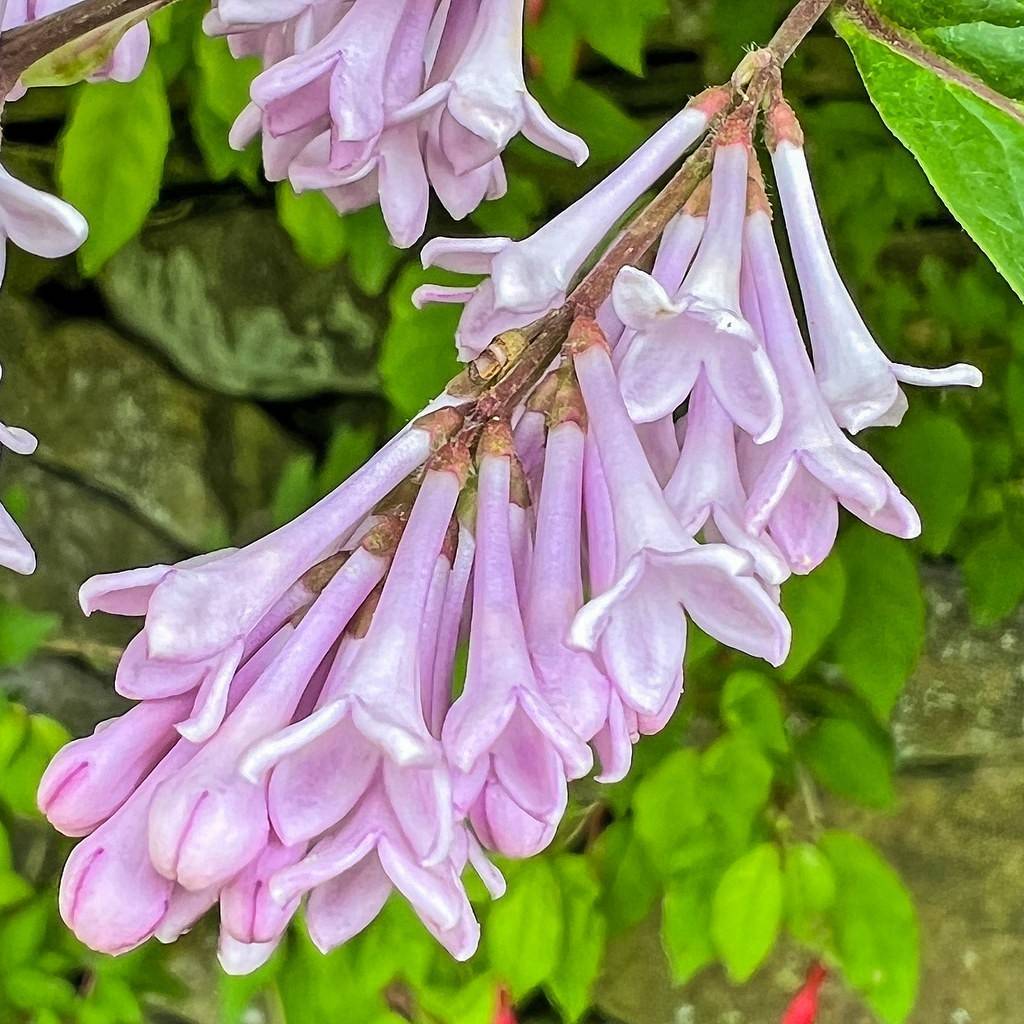
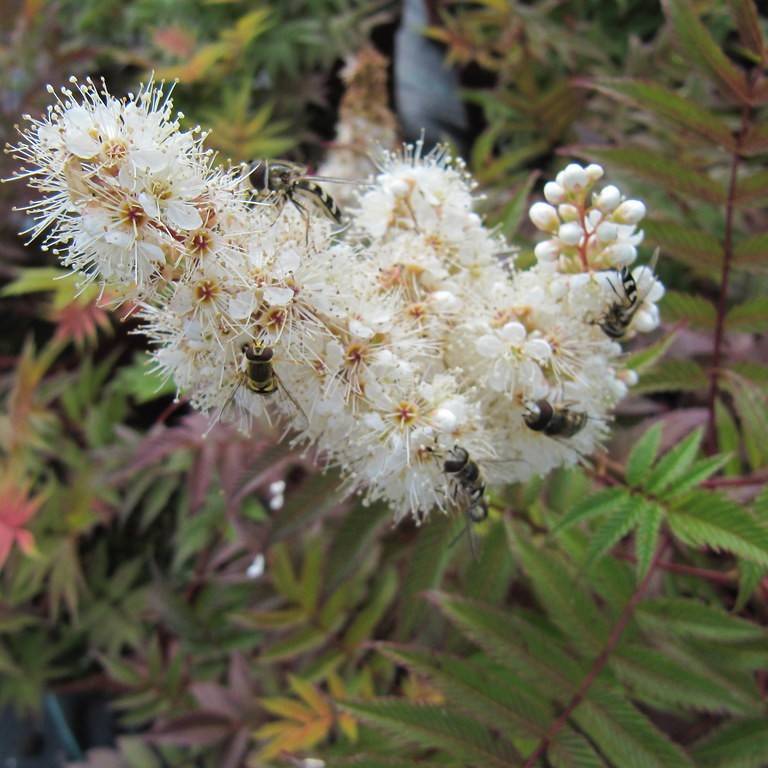
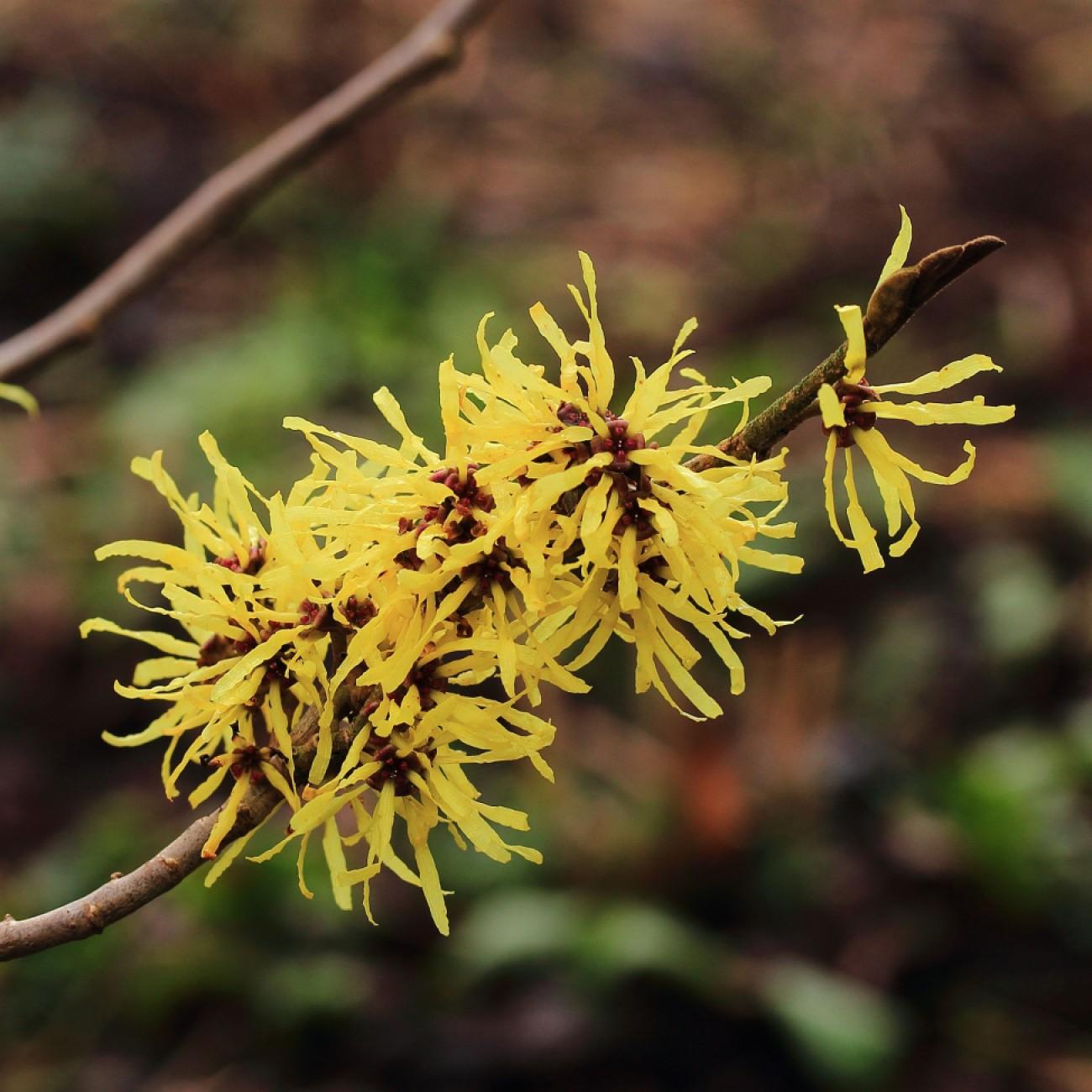
Other plants you might like if you grow Judd Viburnum.
%22%2F%3E%0A%20%20%20%20%20%20%3Ccircle%20cx%3D%22920%22%20cy%3D%22180%22%20r%3D%2290%22%20fill%3D%22%23cfe8d5%22%2F%3E%0A%20%20%20%20%20%20%3Cpath%20d%3D%22M600%20590c-90-180-215-255-310-280%200%20165%20118%20296%20270%20296h40z%22%20fill%3D%22%2379b88e%22%2F%3E%0A%20%20%20%20%20%20%3Cpath%20d%3D%22M600%20590c80-150%20198-212%20302-228-8%20142-123%20255-270%20255h-32z%22%20fill%3D%22%235c9f73%22%2F%3E%0A%20%20%20%20%20%20%3Cpath%20d%3D%22M600%20610V360%22%20stroke%3D%22%234f8c64%22%20stroke-width%3D%2218%22%20stroke-linecap%3D%22round%22%2F%3E%0A%20%20%20%20%20%20%3Ctext%20x%3D%22600%22%20y%3D%22700%22%20text-anchor%3D%22middle%22%20font-family%3D%22Arial%2C%20sans-serif%22%20font-size%3D%2244%22%20fill%3D%22%23365c45%22%3E%0A%20%20%20%20%20%20%20%20Plant%20image%20coming%20soon%0A%20%20%20%20%20%20%3C%2Ftext%3E%0A%20%20%20%20%3C%2Fsvg%3E%0A%20%20)