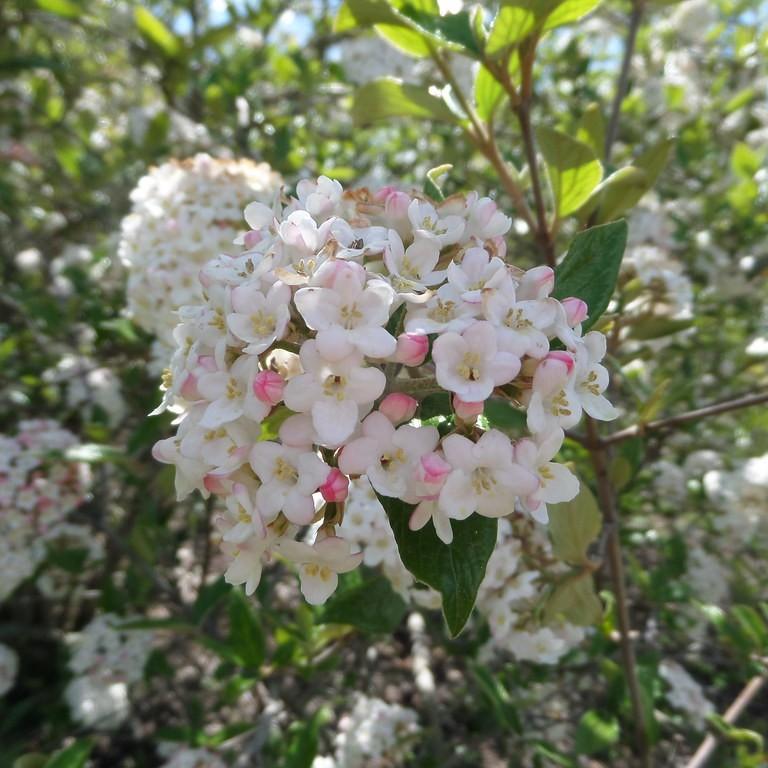
Burkwood Viburnum
Viburnum × burkwoodii
Overview
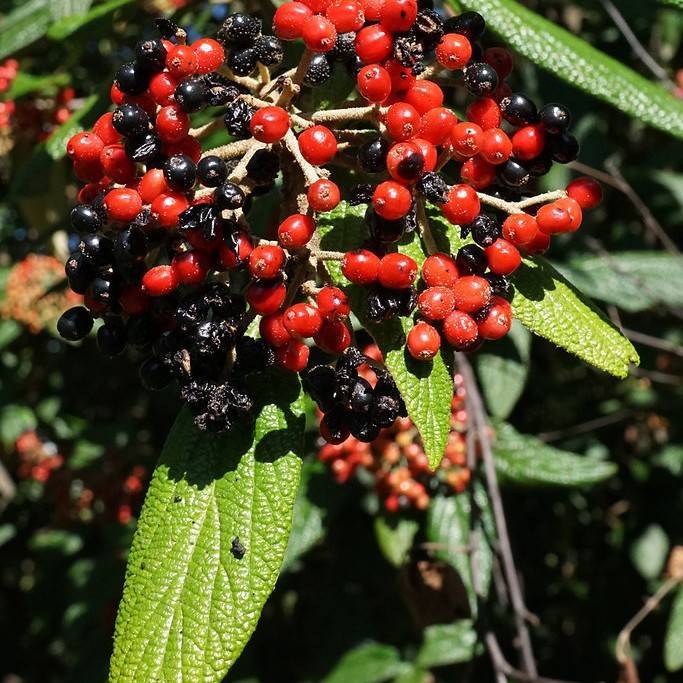
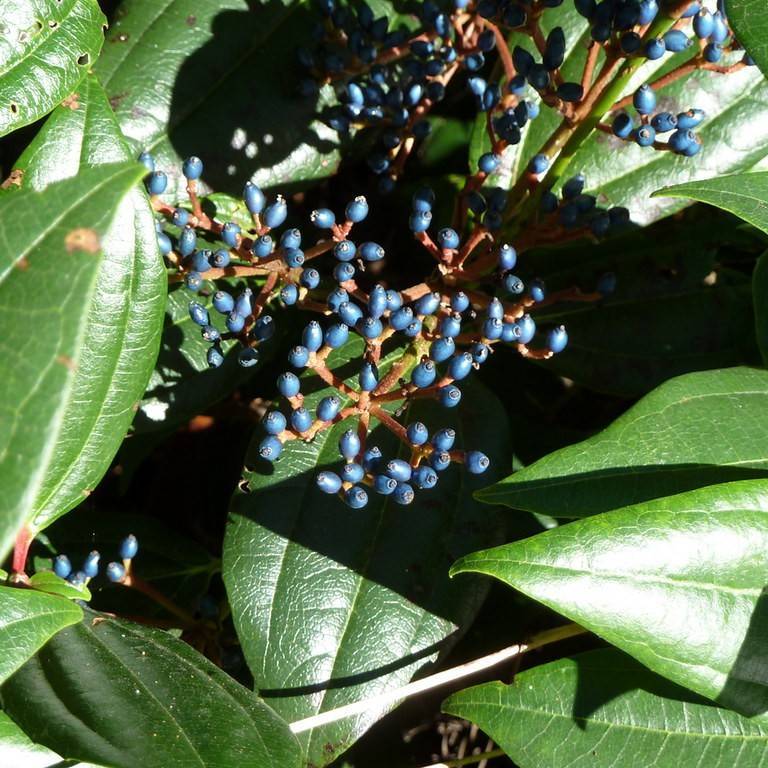
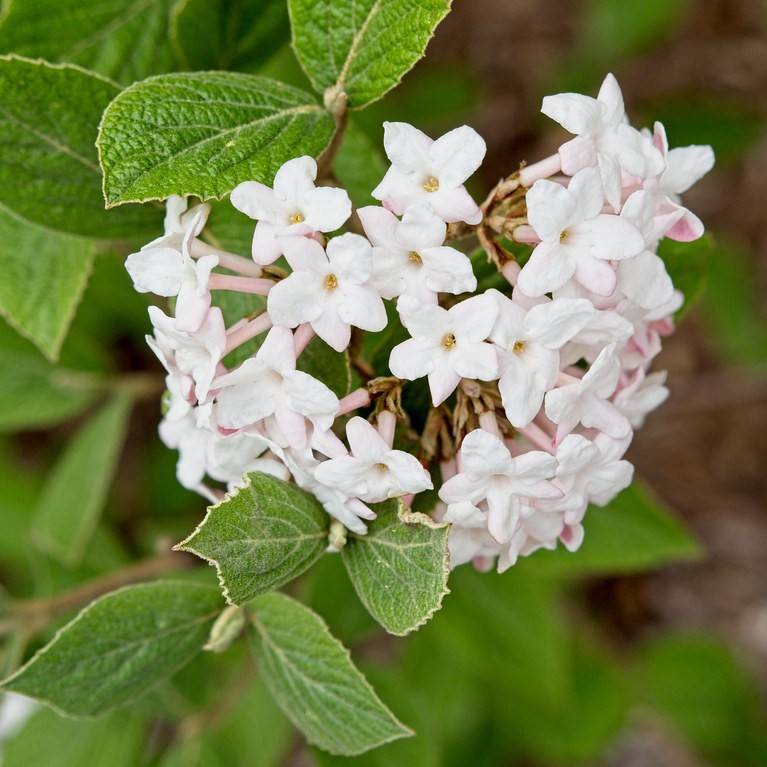
Burkwood Viburnum is a popular hybrid deciduous shrub celebrated for its abundant, highly fragrant white flower clusters that bloom in mid-spring. Its dark green, glossy foliage turns a rich burgundy-red in fall, providing multi-season interest, and it produces small, glossy red berries in late summer that persist into winter, offering food for local bird populations. This dense, rounded shrub is widely used in residential and public landscapes for its cold hardiness, adaptability, and minimal care requirements.
Care Guide
Watering
Water newly planted Burkwood Viburnum deeply 1-2 times per week for the first growing season to establish a robust root system, reducing frequency to once every 10-14 days once mature. Avoid overwatering or soggy soil, as this can lead to root rot; allow the top 2-3 inches of soil to dry out between watering sessions. During extended periods of summer drought, supplement with extra water to prevent leaf scorch and stress.
Light
Thrives in full sun to partial shade, with at least 4-6 hours of direct sunlight daily to encourage the most abundant flowering and dense foliage growth. In regions with extremely hot, intense afternoon sun, provide light afternoon shade to prevent leaf burn and reduce moisture loss. Too much deep shade will result in sparse blooms, leggy growth, and reduced fall color intensity.
Soil
Adaptable to a wide range of well-drained soil types, including loam, sandy loam, and clay soils, preferring a slightly acidic to neutral pH between 5.5 and 7.5. Amend heavy clay or overly sandy soils with organic matter such as compost or well-rotted manure at planting time to improve drainage, nutrient retention, and soil structure. Avoid waterlogged, compacted soils, as these significantly increase the risk of root rot and poor growth.
Fertilizer
Feed in early spring before new growth emerges with a balanced, slow-release 10-10-10 fertilizer formulated for woody shrubs, applying it evenly around the root zone according to package instructions. Avoid fertilizing after mid-summer, as this can stimulate tender new growth that is vulnerable to damage from early fall frosts. A 2-3 inch layer of organic mulch applied annually around the base will slowly release nutrients and reduce the need for frequent supplemental fertilization.
Temperature
Hardy in USDA zones 4 through 8, tolerating winter temperatures as low as -30°F (-34°C) without significant damage once established. Young shrubs may benefit from a layer of winter mulch and burlap wrapping in the coldest parts of its range to protect against wind burn and frost heave. It tolerates moderate summer heat well when provided with adequate moisture and partial shade in the hottest climates.
Pruning
Prune immediately after flowering has finished in late spring, as flower buds form on the previous year’s growth; pruning later in the season will remove the next year’s blooms. Remove dead, damaged, or crossing branches to improve air circulation, reduce disease risk, and maintain the shrub’s natural rounded shape. Avoid heavy pruning, as this can reduce flowering for 1-2 years; only remove up to one-third of the oldest stems every 2-3 years to encourage fresh, vigorous growth.
Propagation
Most commonly propagated via softwood cuttings taken in early summer, using 4-6 inch long cuttings from new, semi-hardened growth, treated with rooting hormone and placed in a well-drained, sterile rooting medium under mist or high humidity. It can also be propagated via seed, though seeds require a 3-4 month period of cold stratification to germinate, and hybrid seedlings will not retain the exact characteristics of the parent plant. Root suckers that form around the base of mature shrubs can be carefully dug up and transplanted in early spring for easy, low-effort propagation.
Humidity
Tolerates a wide range of humidity levels, thriving in average ambient humidity between 40% and 60% common in its preferred growing zones. It adapts well to both drier inland climates and more humid coastal conditions, as long as air circulation around the foliage is adequate to prevent fungal disease. Extremely high, prolonged humidity without proper airflow can increase the risk of powdery mildew and leaf spot, so avoid planting in overly crowded, enclosed spaces.
Repotting
Burkwood Viburnum is almost exclusively grown in outdoor landscape settings, so repotting is rarely required; if grown in a large container, repot every 2-3 years in early spring before new growth begins, using a high-quality, well-drained potting mix amended with compost. Choose a container with ample drainage holes that is 2-3 inches larger in diameter than the current pot to accommodate root growth without holding excess moisture. After repotting, water thoroughly and place in a partially shaded location for 1-2 weeks to reduce transplant shock before returning to its normal growing spot.
Uses & Symbolism
Widely used as a specimen shrub, hedge, or screen in residential and commercial landscapes, prized for its fragrant spring blooms, multi-season foliage color, and wildlife-friendly berries. Its dense growth habit makes it an effective privacy barrier or border plant, while its fragrant flowers make it a popular choice for planting near patios, walkways, or windows where its scent can be enjoyed. Cut flower stems can be used in fresh floral arrangements to add fragrance and texture to indoor displays.
Diseases & Pests
Relatively pest and disease resistant, though it can be susceptible to powdery mildew in humid, poorly ventilated conditions, which appears as a white powdery coating on leaf surfaces; improve air circulation and treat with fungicidal sprays if necessary. Aphids, scale insects, and spider mites may occasionally infest new growth, causing leaf curling and stunted growth; treat with insecticidal soap or horticultural oil to control small infestations. Root rot can occur in waterlogged, poorly drained soils, so ensure proper planting site preparation to avoid this potentially fatal condition.
Related plants
Other plants you might like if you grow Burkwood Viburnum.