Hybrid Witch Hazel
Hamamelis × intermedia
Overview
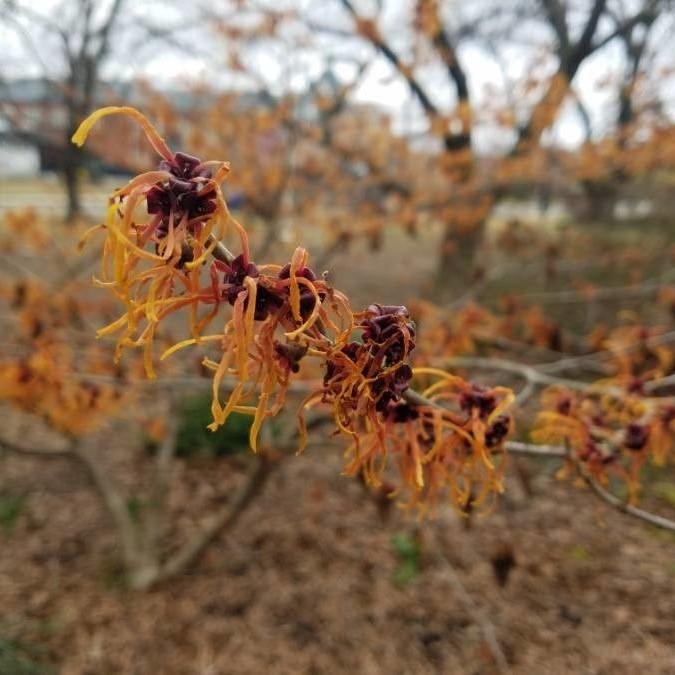
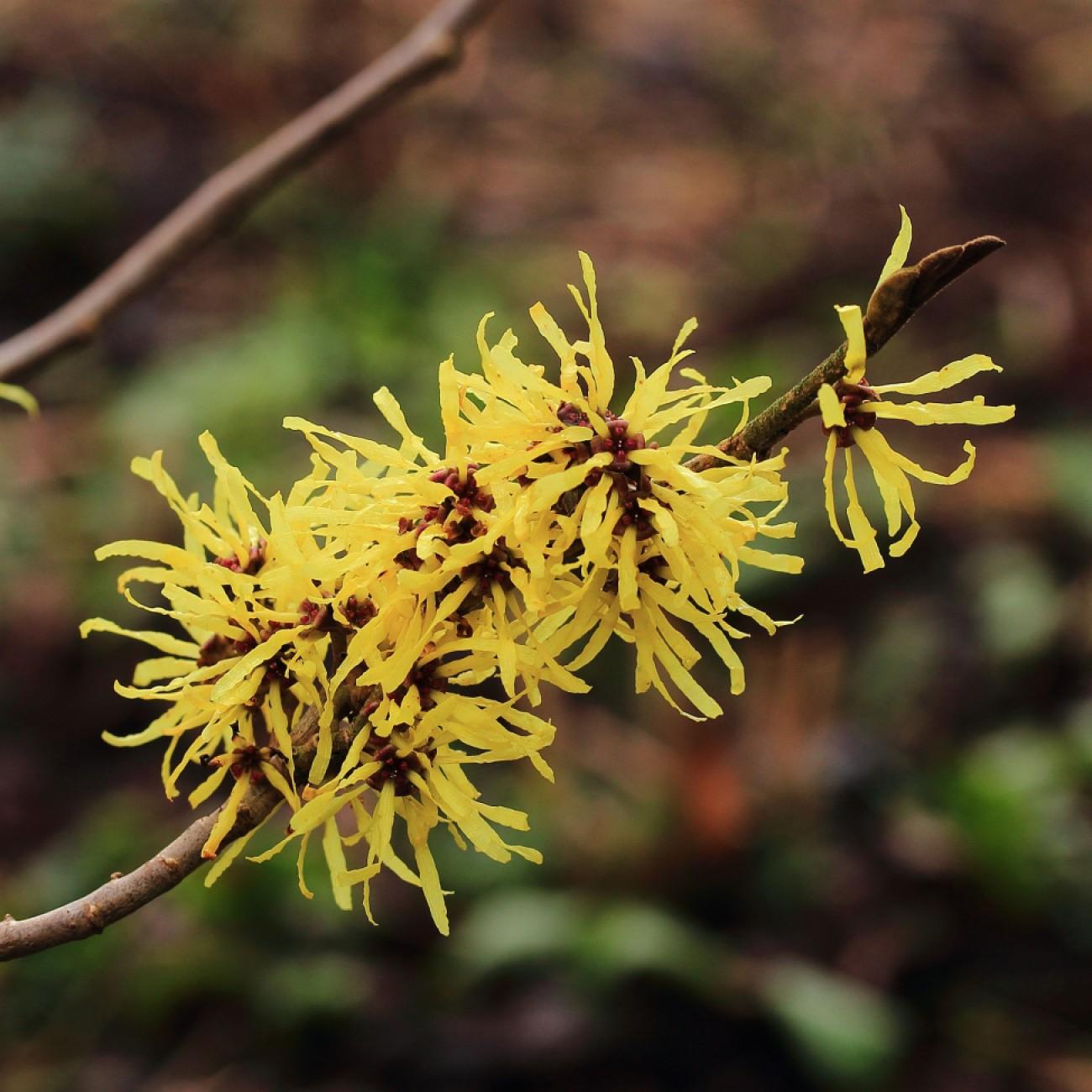
Hybrid witch hazel is a cross between *Hamamelis japonica* and *Hamamelis mollis*, combining the best traits of both parent species: frost-tolerant blooms, intense fragrance, and a graceful, spreading habit. It blooms from late winter to early spring, when few other plants are in flower, with ribbon-like petals that curl up in freezing weather and unfurl when temperatures rise. Its broad, oval leaves turn striking shades of yellow, orange, and red in fall, extending its ornamental value across multiple seasons.
Care Guide
Watering
Water young plants regularly to keep the soil evenly moist but not waterlogged for the first 2-3 years as they establish their root systems. Mature plants are drought-tolerant, only requiring supplemental watering during prolonged dry spells, and are very sensitive to overwatering that causes root rot. Reduce watering frequency in late fall to help the plant harden off before winter dormancy.
Light
Grows best in full sun to partial shade, with at least 4-6 hours of direct sunlight daily to promote the most abundant and vibrant blooms. In regions with very hot, intense summer sun, light afternoon shade prevents leaf scorch and keeps foliage healthy throughout the growing season. Too much deep shade will result in sparse flowering and a leggy, unkempt growth habit.
Soil
Prefers moist, well-drained, acidic loam soil with a pH between 4.5 and 6.5, rich in organic matter to support healthy root development. It can tolerate neutral soil but struggles in alkaline conditions, which cause iron deficiency and yellowing of the leaves. Amending planting holes with compost, peat moss, or pine bark will improve soil structure and acidity for optimal growth.
Fertilizer
Feed established plants in early spring before new growth emerges with a slow-release, acidic fertilizer formulated for azaleas or rhododendrons to support bloom production and foliage health. Avoid high-nitrogen fertilizers, which encourage excessive leaf growth at the expense of flowers and can reduce cold hardiness. A light top-dressing of compost or well-rotted manure in fall also provides slow-release nutrients without risking root burn.
Temperature
Thrives in USDA hardiness zones 5 to 8, tolerating winter temperatures as low as -20°F (-29°C) without damage, even when blooming during late winter cold snaps. It requires a period of cold winter dormancy to produce blooms the following season, so it does not perform well in regions with mild, frost-free winters. Summer temperatures above 90°F (32°C) are tolerated well as long as the plant has adequate moisture and partial afternoon shade.
Pruning
Hybrid witch hazel requires minimal pruning, mostly limited to removing dead, damaged, or crossing branches in late spring after blooming has finished to maintain an open, balanced shape. Avoid heavy pruning, as this can stimulate excessive sucker growth from the rootstock and reduce flowering for 1-2 years. You can remove spent flower clusters if desired, but this is not required for future bloom production.
Propagation
The most reliable method for home gardeners is rooting softwood cuttings taken in early summer, dipped in rooting hormone, and kept in a humid, shaded environment until roots develop in 2-3 months. Because it is a hybrid, seeds collected from parent plants will not grow true to type, and grafting onto rootstock is typically only done by commercial nurseries to preserve cultivar traits. Suckers that grow from the rootstock around the base of the plant can be dug up and transplanted in late winter while the plant is dormant.
Humidity
Adaptable to a wide range of humidity levels, thriving in average ambient outdoor humidity between 40% and 70% common in its preferred growing zones. It does not tolerate extended periods of very high, stagnant humidity, which can increase the risk of fungal leaf spot and powdery mildew if air circulation is poor. Indoor cultivation is not recommended, as it cannot receive the cold dormancy period and humidity levels it requires to thrive.
Repotting
Hybrid witch hazel is almost exclusively grown as an outdoor landscape plant, so repotting is rarely required outside of nursery production of young specimens. If growing temporarily in a container, repot every 2-3 years in early spring before new growth starts, using a well-drained acidic potting mix, and select a pot 2-3 inches larger than the current one to accommodate root growth. Container-grown plants will need winter protection, as their roots are more exposed to cold damage than in-ground specimens.
Uses & Symbolism
Widely planted as an ornamental specimen shrub in residential landscapes, woodland gardens, and mixed borders for its unique winter blooms, pleasant fragrance, and vivid fall foliage. Its extracts are sometimes used in natural skincare products for their astringent and anti-inflammatory properties, though common commercial witch hazel is usually derived from *Hamamelis virginiana*. Its early-blooming flowers provide a critical source of nectar for pollinators like winter-active bees when few other food sources are available.
Diseases & Pests
Generally very pest and disease resistant, though it can develop powdery mildew and fungal leaf spots in humid conditions with poor air circulation, which can be prevented by spacing plants properly and avoiding overhead watering. Root rot can occur in heavy, poorly drained soil, especially if the plant is overwatered during dormancy. Rare pest issues include aphids, scale insects, and Japanese beetles, which can be controlled with insecticidal soap or neem oil if infestations become severe.
Related plants
Other plants you might like if you grow Hybrid Witch Hazel.