False Spiraea
Sorbaria sorbifolia
Overview
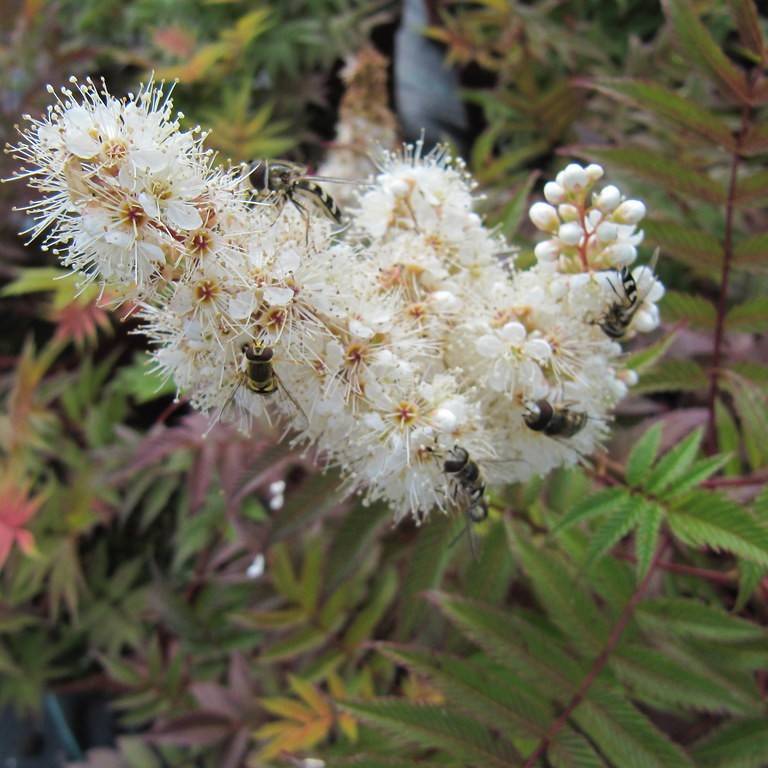
False Spiraea, also called Ural false spiraea, is a suckering deciduous shrub prized for its airy, feathery appearance that adds soft texture to garden borders and naturalized areas. Its compound, serrated leaves resemble mountain ash foliage, turning warm yellow to bronze in autumn before dropping for winter. In mid-summer, dense, upright panicles of tiny, creamy-white flowers bloom, attracting pollinators like bees and butterflies to the garden.
Care Guide
Watering
Water newly planted false spiraea regularly to keep the soil evenly moist for the first growing season, helping it establish a deep root system. Once established, it is highly drought-tolerant, requiring only occasional watering during prolonged hot, dry periods to prevent leaf scorch. Avoid overwatering or planting in waterlogged sites, as this can lead to root rot.
Light
False spiraea thrives in full sun, which encourages the most abundant flowering and densest foliage growth. It also tolerates partial shade, though bloom production may be reduced and the shrub may develop a more open, leggy habit in low-light conditions. For best performance, plant it in a location that receives at least 6 hours of direct sunlight daily.
Soil
This adaptable shrub grows well in a wide range of soil types, including sandy, loam, and clay soils, as long as the site has reasonable drainage. It tolerates slightly acidic to slightly alkaline pH levels, and even performs well in poor, nutrient-deficient soils where many other shrubs struggle. Amending heavy clay soil with organic matter at planting time will improve drainage and support faster establishment.
Fertilizer
False spiraea does not require regular fertilization, as it thrives even in low-nutrient soils. If growth is particularly slow or foliage appears pale, apply a balanced, slow-release 10-10-10 fertilizer in early spring before new growth emerges. Avoid over-fertilizing, as this can encourage excessive, weak suckering and reduce flowering.
Temperature
It is extremely cold-hardy, thriving in USDA zones 2 through 8, and tolerates winter temperatures as low as -50°F (-46°C) without damage. It adapts well to summer heat in moderate climates, though it may benefit from occasional extra watering during extended heatwaves above 90°F (32°C). Late spring frosts can damage tender new growth, but the shrub will quickly regrow new leaves once temperatures warm.
Pruning
Prune false spiraea in late winter or early spring before new growth begins to maintain its shape and remove any dead, damaged, or crossing branches. To control its aggressive suckering habit, dig up and remove unwanted root suckers annually as they appear, particularly if planted near other garden plants. For a more compact habit, you can cut the entire shrub back to within 6 inches of the ground every 2-3 years, which will encourage lush, bushy new growth.
Propagation
The easiest method of propagation is by dividing root suckers in early spring before new growth emerges, simply digging up small, rooted suckers and replanting them in their desired location. It can also be propagated from softwood cuttings taken in early summer, dipped in rooting hormone, and planted in moist, well-draining potting mix until roots form in 4-6 weeks. Growing from seed is possible but less common, as seeds require cold stratification for 3 months before germination, and seed-grown plants may not retain the exact characteristics of the parent.
Humidity
False spiraea adapts well to a wide range of humidity levels, thriving in both the dry summer air of northern regions and the moderate humidity of temperate zones. It has no special humidity requirements, though very dry, hot air combined with full sun may cause minor leaf tip browning, which can be remedied with occasional deep watering. It does not tolerate consistently high, humid conditions common in subtropical regions, which may increase the risk of fungal leaf diseases.
Repotting
False spiraea is rarely grown in containers, as its aggressive suckering and large root system require ample space to spread. If grown in a large planter, repot every 2-3 years in early spring, moving it to a container at least 2 inches larger than the previous one and using a general-purpose potting mix with added perlite for drainage. When repotting, trim back any overgrown roots and remove excess suckers to keep the plant contained to the pot size.
Uses & Symbolism
False spiraea is most commonly planted in landscape borders, naturalized areas, and along property lines as a fast-growing, low-maintenance privacy screen. Its extensive root system makes it ideal for erosion control on slopes and embankments, where it holds soil in place effectively. The cut flower plumes also make attractive additions to fresh floral arrangements, adding airy texture to bouquets.
Diseases & Pests
False spiraea is largely pest and disease resistant, with very few common issues affecting its health. It may occasionally develop fungal leaf spots or powdery mildew in overly humid, poorly ventilated conditions, which can be prevented by planting in full sun and spacing shrubs to allow air circulation between plants. Aphids and spider mites may infest stressed plants, but these can be controlled with insecticidal soap or a strong spray of water to dislodge the pests.
Related plants
Other plants you might like if you grow False Spiraea.
%22%2F%3E%0A%20%20%20%20%20%20%3Ccircle%20cx%3D%22920%22%20cy%3D%22180%22%20r%3D%2290%22%20fill%3D%22%23cfe8d5%22%2F%3E%0A%20%20%20%20%20%20%3Cpath%20d%3D%22M600%20590c-90-180-215-255-310-280%200%20165%20118%20296%20270%20296h40z%22%20fill%3D%22%2379b88e%22%2F%3E%0A%20%20%20%20%20%20%3Cpath%20d%3D%22M600%20590c80-150%20198-212%20302-228-8%20142-123%20255-270%20255h-32z%22%20fill%3D%22%235c9f73%22%2F%3E%0A%20%20%20%20%20%20%3Cpath%20d%3D%22M600%20610V360%22%20stroke%3D%22%234f8c64%22%20stroke-width%3D%2218%22%20stroke-linecap%3D%22round%22%2F%3E%0A%20%20%20%20%20%20%3Ctext%20x%3D%22600%22%20y%3D%22700%22%20text-anchor%3D%22middle%22%20font-family%3D%22Arial%2C%20sans-serif%22%20font-size%3D%2244%22%20fill%3D%22%23365c45%22%3E%0A%20%20%20%20%20%20%20%20Plant%20image%20coming%20soon%0A%20%20%20%20%20%20%3C%2Ftext%3E%0A%20%20%20%20%3C%2Fsvg%3E%0A%20%20)