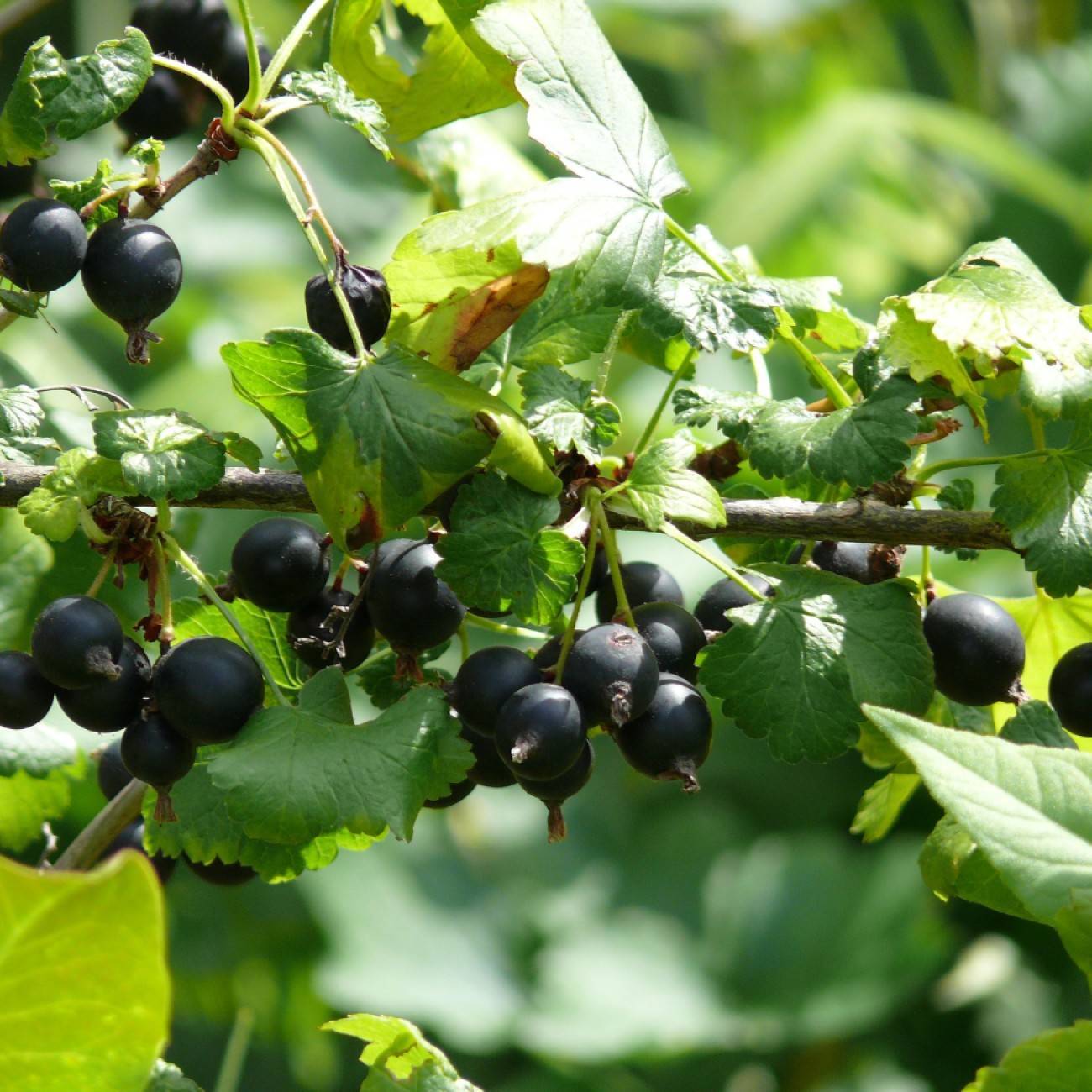
Jostaberry
Ribes × nidigrolaria
Overview
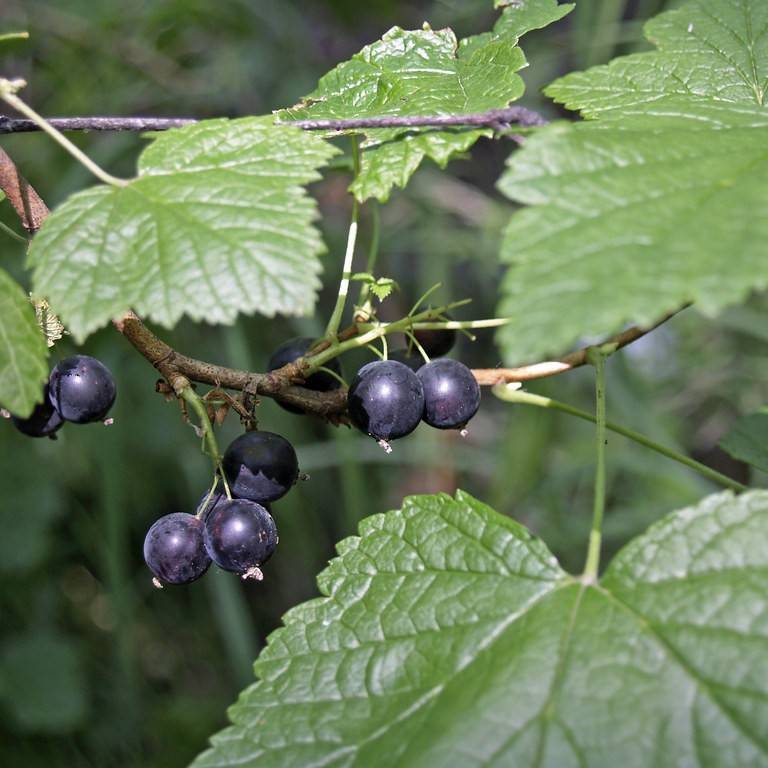
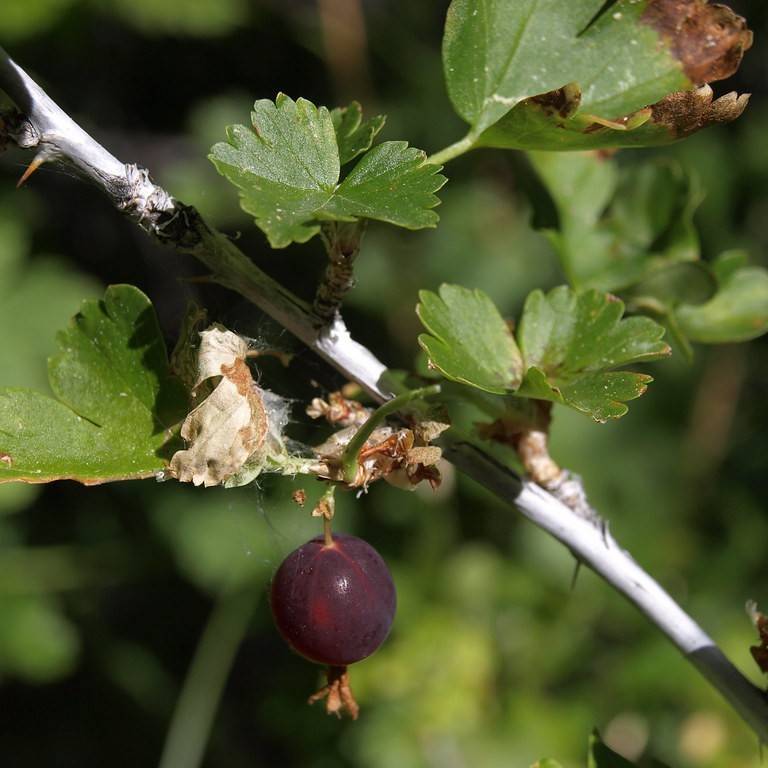
Jostaberry is a thornless fruiting shrub developed in 1970s Germany by crossing black currant (Ribes nigrum) and European gooseberry (Ribes uva-crispa). It combines the hardiness of black currants with the larger berry size of gooseberries, thriving in temperate climates. The dark, glossy berries have a balanced sweet-tart flavor, ripening in mid to late summer.
Care Guide
Watering
Jostaberries require consistent, deep watering, especially during fruit development, to prevent drought stress and ensure plump berries. Allow the top 1-2 inches of soil to dry out slightly between waterings, avoiding overwatering that can lead to root rot. Reduce watering frequency in fall and winter once the plant enters dormancy.
Light
Grow jostaberries in full sun, at least 6 hours of direct sunlight daily, to maximize fruit production and overall plant vigor. They can tolerate partial shade, though yields will be lower and the plant may be more susceptible to fungal diseases. In extremely hot climates, provide light afternoon shade to prevent leaf scorch.
Soil
Jostaberries prefer well-drained, loamy soil with a slightly acidic to neutral pH between 5.5 and 7.0. Amend heavy clay soils with organic matter such as compost or well-rotted manure to improve drainage and nutrient content before planting. Avoid waterlogged soils, as this can cause root rot and stunt growth.
Fertilizer
Feed established jostaberry plants in early spring with a balanced, slow-release fertilizer or a generous layer of composted manure to support new growth and fruit development. Add a light top-dressing of compost again after harvest to replenish soil nutrients for the following growing season. Avoid high-nitrogen fertilizers late in the season, as they can encourage tender new growth that is susceptible to winter damage.
Temperature
Jostaberries are extremely cold-hardy, tolerating winter temperatures as low as -40°F (-40°C), making them suitable for growing in USDA zones 3 through 8. They require approximately 800-1,000 chill hours below 45°F (7°C) in winter to break dormancy and produce fruit reliably. In warmer climates, provide extra mulch and shade to protect roots from excessive heat.
Pruning
Prune jostaberry shrubs in late winter while dormant, removing any dead, diseased, or crossing branches to improve air circulation and light penetration. Cut back old, unproductive wood that is more than 3 years old to encourage new fruiting growth, as jostaberries produce best on 1- and 2-year-old stems. Thin out crowded growth annually to maintain an open, vase-like shape and prevent overcrowding.
Propagation
Jostaberry is most commonly propagated via hardwood cuttings taken in late winter from healthy, dormant stems 6-8 inches long. Plant cuttings in moist, well-drained potting mix, keeping them consistently moist until roots develop in 8-12 weeks. It can also be propagated via softwood cuttings in early summer, though hardwood cuttings have a much higher success rate.
Humidity
Jostaberries prefer moderate humidity levels between 40% and 60%, similar to their native temperate growing conditions. Good air circulation around the plant is critical in high humidity to prevent fungal diseases such as powdery mildew and leaf spot. Avoid overhead watering, as wet foliage can increase the risk of fungal infections in humid environments.
Repotting
If grown in containers, repot jostaberry shrubs every 2-3 years in late winter before new growth emerges, moving to a pot one size larger with fresh, nutrient-rich potting mix. Ensure the container has ample drainage holes to prevent waterlogging, as jostaberries are sensitive to root rot. After repotting, water thoroughly and place in a cool, shaded area for a few days to allow the plant to acclimate.
Uses & Symbolism
Jostaberry berries are edible and commonly used in jams, jellies, pies, juices, and wines, or eaten fresh when fully ripe. The shrub is also planted as an ornamental and for erosion control, with its dense, thornless foliage making it a good low hedge for edible landscapes. The berries are high in vitamin C, antioxidants, and dietary fiber, making them a nutritious addition to homegrown food gardens.
Diseases & Pests
Jostaberries are relatively disease-resistant, though they can be susceptible to powdery mildew, leaf spot, and anthracnose in humid, poorly ventilated conditions. Common pests include aphids, currant sawflies, and spider mites, which can be controlled with insecticidal soap or neem oil applications. They are also resistant to white pine blister rust, a serious disease that affects many other Ribes species, making them a safer choice for areas with white pine populations.
Related plants
Other plants you might like if you grow Jostaberry.