Canadian Gooseberry
Ribes oxyacanthoides
Overview
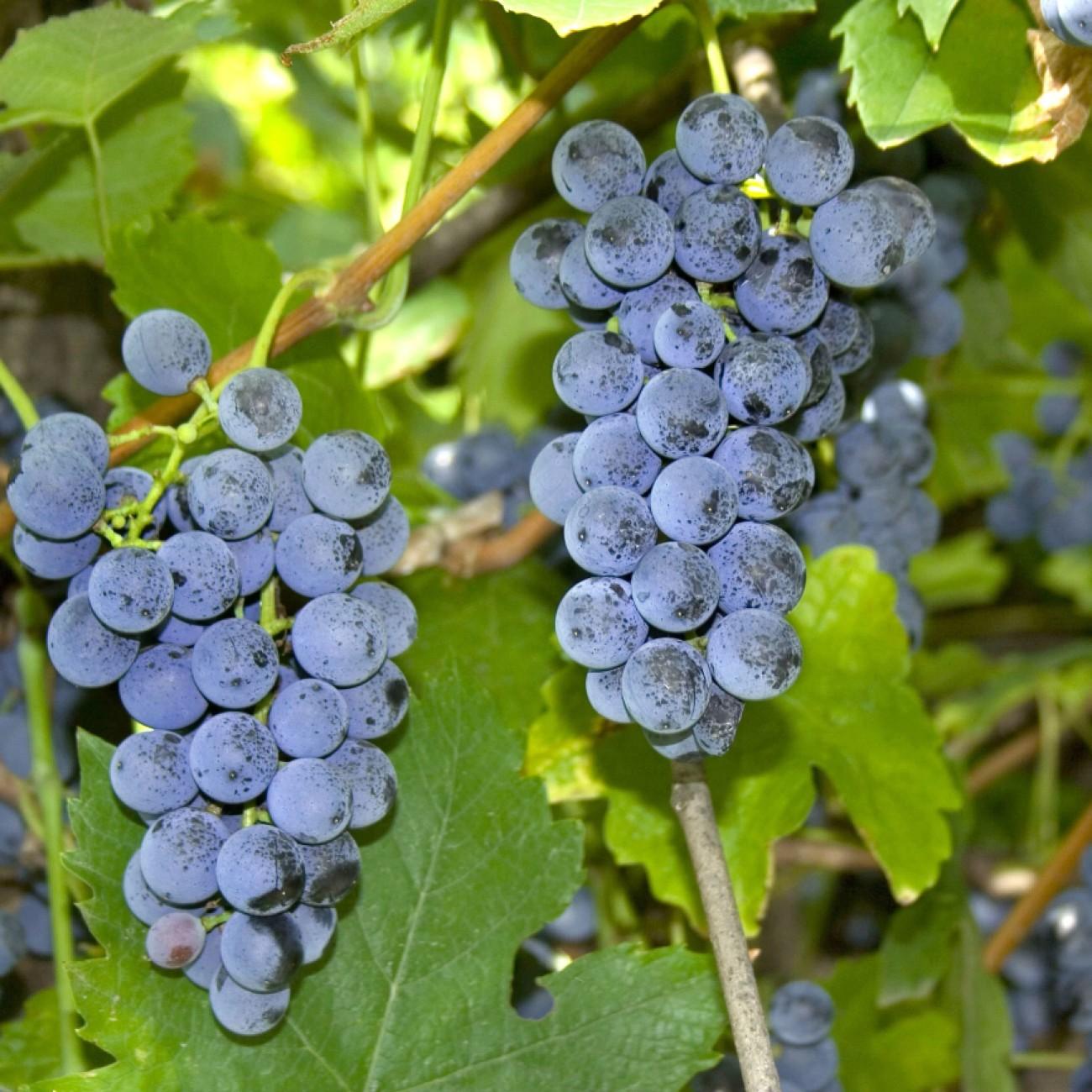
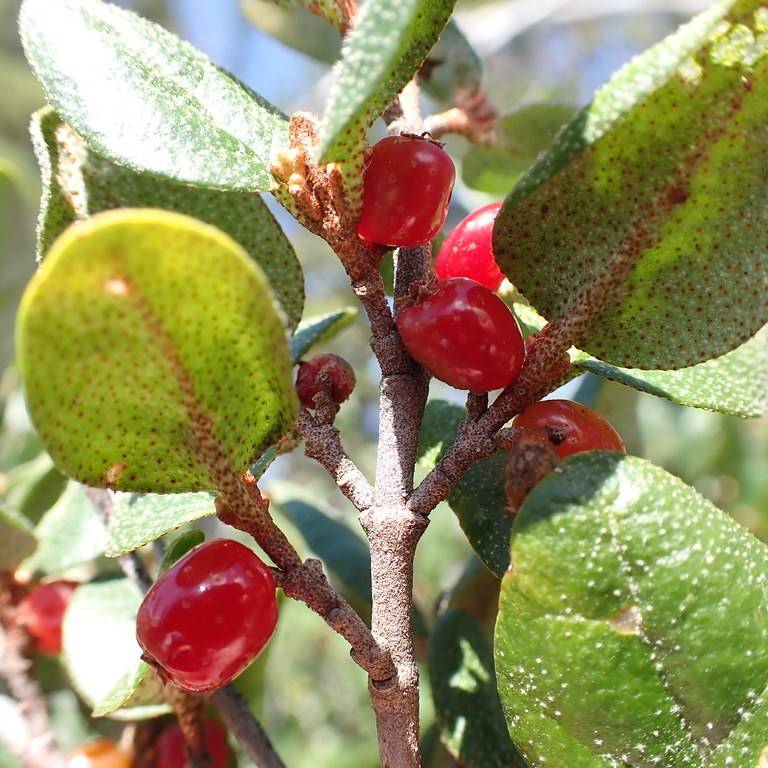
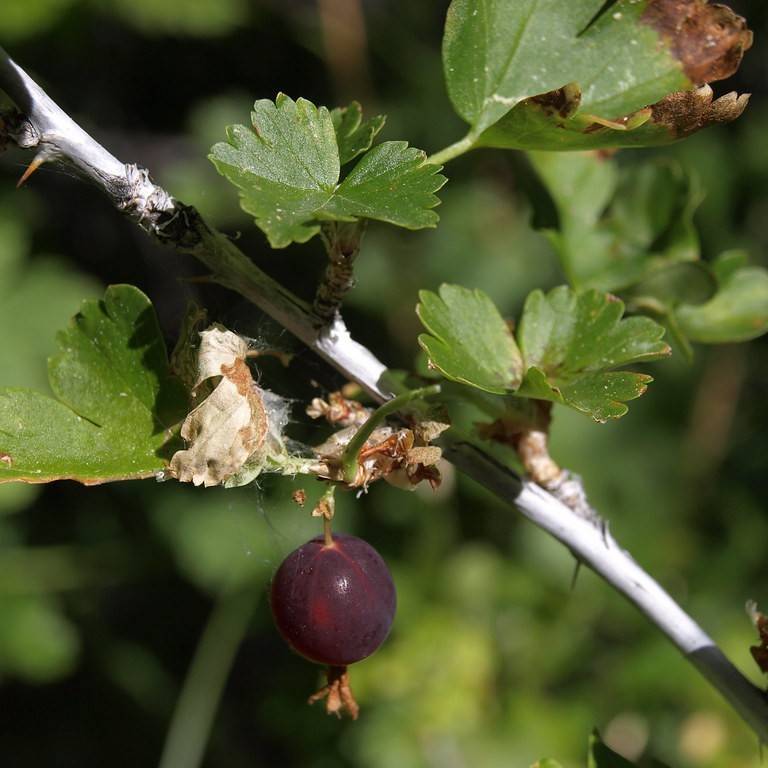
Canadian Gooseberry is a spiny deciduous shrub native to cool northern regions, recognized for its lobed, slightly fuzzy green foliage and small, drooping greenish-purple spring flowers. It produces round, 1/4 to 1/2 inch berries that ripen to deep purple in mid to late summer, with a tart flavor ideal for cooking and preserves. This species is highly adapted to cold, harsh climates, making it a popular fruit crop for regions with short growing seasons where other gooseberry varieties struggle to survive.
Care Guide
Watering
Canadian Gooseberry prefers consistently moist, well-drained soil, requiring 1 to 1.5 inches of water per week during active growth and fruit development to prevent berry drop. Avoid overwatering or waterlogged conditions, which can cause root rot; reduce watering frequency in late fall to prepare the shrub for winter dormancy.
Light
This shrub thrives in full sun, which encourages the highest fruit yield and most robust growth, though it tolerates partial shade, especially in warmer parts of its range. Plant in a location with at least 6 hours of direct sunlight daily for best results; excessive shade will reduce fruiting and make the plant more susceptible to fungal diseases.
Soil
Canadian Gooseberry grows best in loamy, slightly acidic to neutral soil with a pH between 5.5 and 7.0, though it adapts to a wide range of soil types including sandy and clay soils as long as drainage is good. Amend heavy or nutrient-poor soil with well-rotted compost or aged manure before planting to improve structure and nutrient content, supporting healthy root development.
Fertilizer
Apply a balanced, slow-release 10-10-10 fertilizer in early spring before new growth emerges, at a rate of 1/4 pound per mature shrub, to support foliage growth and fruit production. Avoid over-fertilizing, especially with high-nitrogen formulas, which can promote excessive vegetative growth at the expense of fruiting and increase susceptibility to cold damage.
Temperature
This cold-hardy shrub tolerates winter temperatures as low as -40°F (-40°C), making it suitable for USDA hardiness zones 2 through 7. It requires a minimum of 800 to 1000 hours of winter chilling below 45°F (7°C) to break dormancy and produce fruit, so it does not perform well in regions with mild, frost-free winters.
Pruning
Prune Canadian Gooseberry in late winter while the shrub is dormant, removing any dead, diseased, or crossing branches to improve air circulation and reduce fungal disease risk. Thin out older, unproductive wood that is more than 3 years old annually to encourage new fruiting growth, and trim back overly long branches to maintain a compact, accessible shape for harvesting.
Propagation
The most common propagation method is hardwood cuttings taken in late winter from healthy, 1-year-old wood, which are planted in moist, well-drained growing medium and kept cool until roots develop in spring. It can also be propagated from seed, though seeds require 3 to 4 months of cold stratification to germinate, and seed-grown plants may not retain the exact fruit characteristics of the parent plant.
Humidity
Canadian Gooseberry adapts well to the moderate humidity levels common in its native northern range, but requires good air circulation around foliage to prevent fungal infections in high-humidity conditions. Avoid planting in low-lying, stagnant air locations, and space shrubs at least 3 feet apart to allow airflow, reducing the risk of powdery mildew and leaf spot.
Repotting
If grown in containers, repot Canadian Gooseberry every 2 to 3 years in late winter before new growth begins, using a loamy, well-drained potting mix with added compost to support nutrient availability. Choose a container at least 12 inches wide with drainage holes to prevent waterlogging, and trim back any circling roots during repotting to encourage healthy root growth.
Uses & Symbolism
The tart, vitamin C-rich berries of Canadian Gooseberry are most commonly used to make jams, jellies, pies, and sauces, as their sharp flavor mellows significantly when cooked. The shrub is also planted for erosion control in cold, northern landscapes, and its dense, spiny growth provides valuable shelter and food for native birds and small wildlife.
Diseases & Pests
Canadian Gooseberry is susceptible to powdery mildew, a fungal infection that appears as a white powdery coating on leaves and shoots, which can be prevented by ensuring good air circulation and avoiding overhead watering. It may also be affected by anthracnose and leaf spot, which cause brown spots on foliage, and common pests include aphids, gooseberry fruitworms, and currant borers, which can be controlled with horticultural oils or organic insecticides when populations are high.
Related plants
Other plants you might like if you grow Canadian Gooseberry.