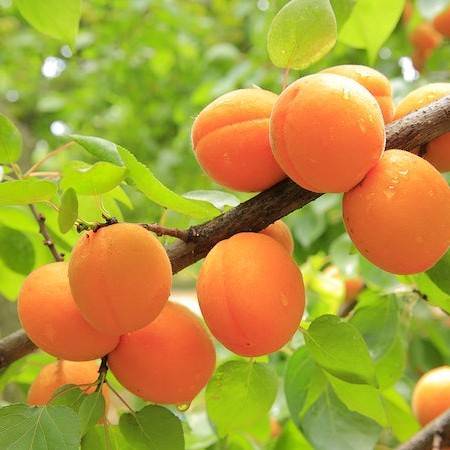
Apricot
Prunus armeniaca
Overview
The apricot tree is a member of the Prunus genus, closely related to peaches, plums, and cherries, with a rounded canopy and glossy, ovate green leaves that turn yellow in fall. It produces pale pink to white, fragrant five-petaled blossoms in early spring before foliage emerges, followed by fuzzy, round to oval drupes that ripen in mid to late summer. Wild apricot populations have existed in China for over 4,000 years, with cultivation spreading along trade routes to the Mediterranean and eventually global temperate regions.
Care Guide
Watering
Apricot trees require regular, deep watering during the growing season, especially when fruit is developing, to prevent drought stress and fruit drop. Allow the top 2-3 inches of soil to dry out between waterings to avoid root rot, and reduce watering frequency in late fall and winter to encourage dormancy. Overhead watering should be avoided, as it increases the risk of fungal diseases on foliage and fruit.
Light
Apricot trees need full sun, meaning a minimum of 6-8 hours of direct, unfiltered sunlight daily to support healthy growth, abundant flowering, and optimal fruit production. Insufficient sunlight leads to reduced fruiting, leggy growth, and increased susceptibility to pest and disease issues. They should be planted in open, unshaded locations away from tall buildings or large trees that block light.
Soil
Apricot trees thrive in well-draining, loamy or sandy-loam soil with a slightly acidic to neutral pH range of 6.0 to 7.5. Heavy clay soils that retain excess moisture will cause root rot, so amend heavy soils with compost or well-rotted manure prior to planting to improve drainage. Avoid planting in low-lying areas where cold air or water pools, as this increases frost damage risk.
Fertilizer
Apply a balanced, slow-release 10-10-10 fertilizer in early spring before new growth emerges, spreading it evenly around the drip line of the tree, not against the trunk, to avoid burn. Young trees benefit from an additional light application of nitrogen-rich fertilizer in late spring to support canopy development, while mature fruiting trees may require a boost of potassium in early summer to improve fruit quality. Do not fertilize after mid-summer, as this can stimulate tender new growth that is vulnerable to winter frost damage.
Temperature
Apricot trees grow best in temperate climates with cold winter temperatures between 32-45°F (0-7°C) for 700-1,200 hours annually to satisfy their dormancy requirement and trigger spring flowering. They are hardy to USDA zones 5-8, though late spring frosts can damage open blossoms, so select late-blooming cultivars for regions prone to late cold snaps. Summer temperatures between 65-85°F (18-29°C) are ideal for fruit ripening, with excessive heat above 100°F (38°C) potentially causing sunscald on fruit.
Pruning
Prune apricot trees in late winter during dormancy to remove dead, damaged, or crossing branches, improve air circulation through the canopy, and maintain an open, vase-like shape that maximizes light penetration. Remove any suckers growing from the rootstock or trunk below the graft union to prevent them from diverting energy from fruiting growth. Light annual pruning also encourages the growth of new fruiting wood, as apricots produce fruit on 2-3 year old branches.
Propagation
Apricot trees are most commonly propagated via grafting onto compatible Prunus rootstocks, which ensures consistent fruit quality, disease resistance, and controlled tree size, as seed-grown trees do not grow true to the parent variety and take much longer to produce fruit. Softwood cuttings taken in early summer can also be rooted, though this method has a lower success rate and often produces trees less vigorous than grafted specimens. Seed propagation is only used for breeding new cultivars or growing rootstock for grafting.
Humidity
Apricot trees prefer moderate humidity levels between 40-60% for optimal growth and fruit development. High humidity, especially during bloom and fruit ripening, increases the risk of fungal diseases like brown rot and powdery mildew, so ensure adequate air circulation around the tree canopy to reduce moisture buildup. They can tolerate short periods of low humidity, though prolonged dry air may increase spider mite infestations.
Repotting
Container-grown apricot trees, typically dwarf cultivars, should be repotted every 2-3 years in late winter during dormancy, moving to a pot 2-3 inches larger than the previous container with fresh, well-draining potting mix. Prune up to one-third of the root ball during repotting to control tree size and encourage healthy new root growth. Ensure the pot has ample drainage holes to prevent waterlogging, as container-grown trees are more susceptible to root rot than in-ground specimens.
Uses & Symbolism
The sweet, tangy apricot fruit is eaten fresh, dried, or cooked into jams, jellies, pies, sauces, and liqueurs, and is a rich source of vitamin A, vitamin C, potassium, and dietary fiber. Apricot wood is dense and finely grained, making it valued for woodworking, carving, and smoking meats to add a mild, sweet flavor. The showy spring blossoms make the tree a popular ornamental specimen in temperate landscapes, and cold-pressed apricot kernel oil is used in cosmetics and natural skincare products.
Diseases & Pests
Apricot trees are highly susceptible to brown rot, a fungal disease that causes blossoms to wilt, twigs to develop cankers, and ripening fruit to rot and develop fuzzy gray spore masses, especially in warm, humid conditions. Bacterial canker, another common disease, causes sunken, oozing lesions on branches and trunks, often leading to dieback of affected growth, and is spread by rain splash and pruning tools. Common pests include aphids, which suck sap from new foliage, plum curculio beetles that damage developing fruit, and spider mites that cause stippling and yellowing of leaves in hot, dry conditions.
Related plants
Other plants you might like if you grow Apricot.
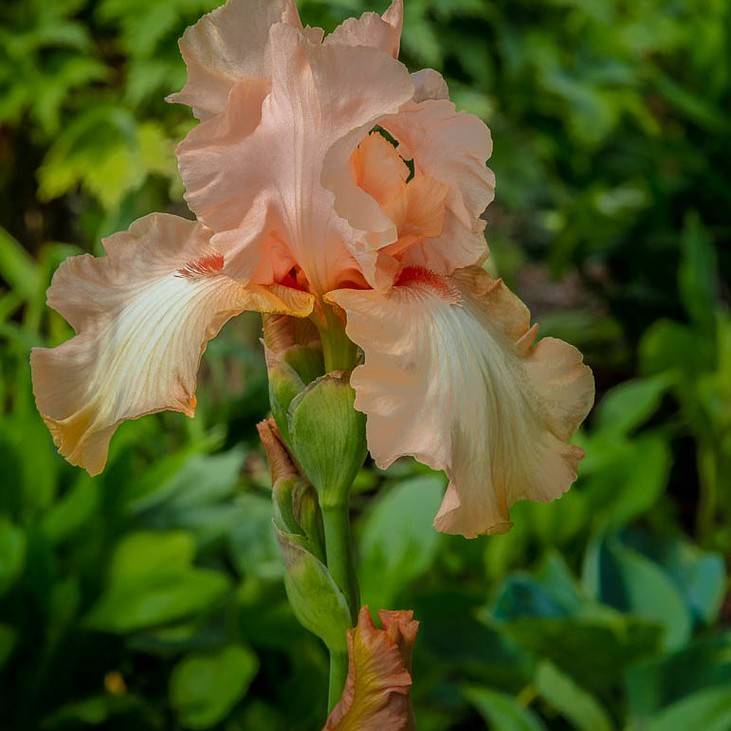
David S. Peach
Prunus persica 'David S'
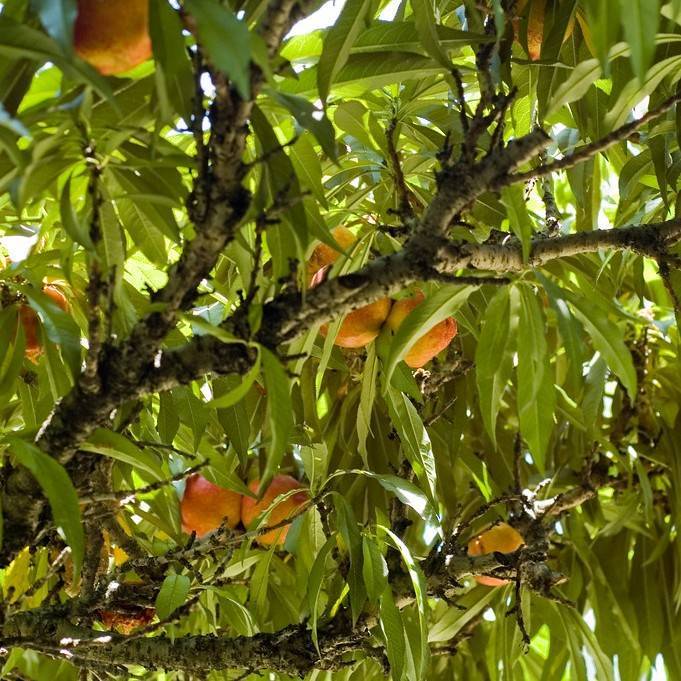
Dwarf Nectarine
Prunus persica var. nucipersica 'Dwarf'
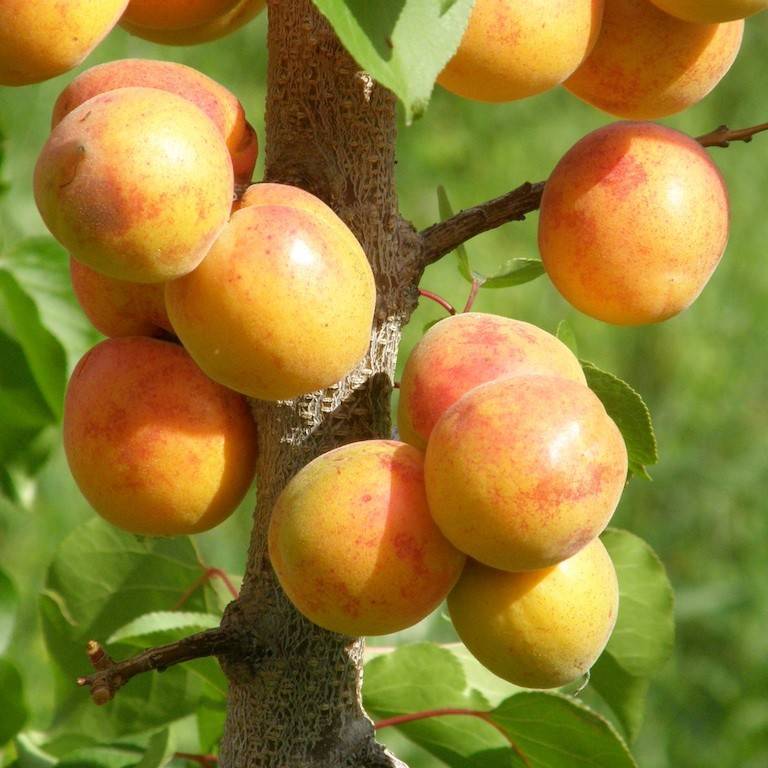
Dwarf Apricot
Prunus armeniaca 'Dwarf'
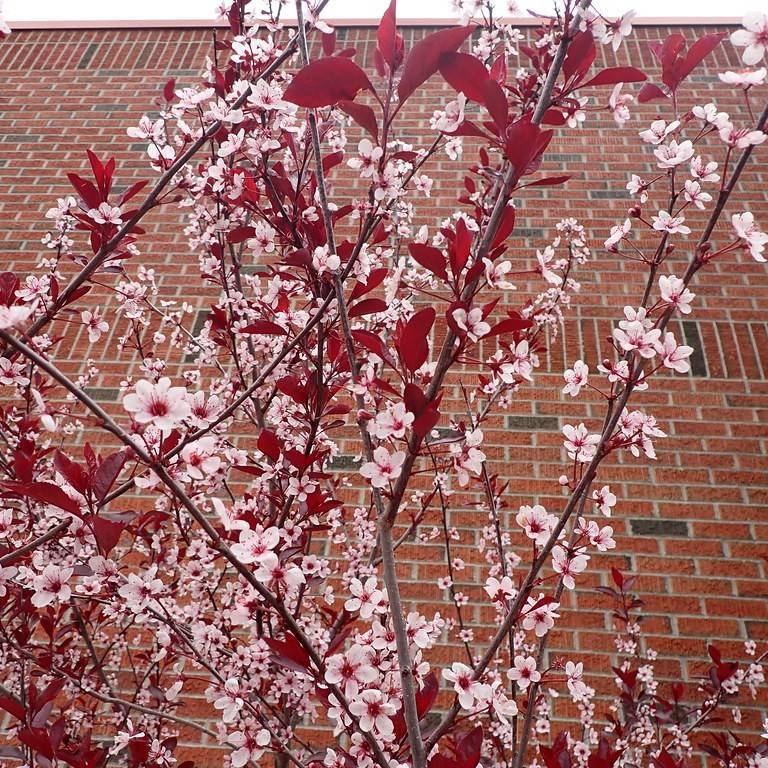
Dwarf Plum
Prunus domestica (dwarf cultivars)
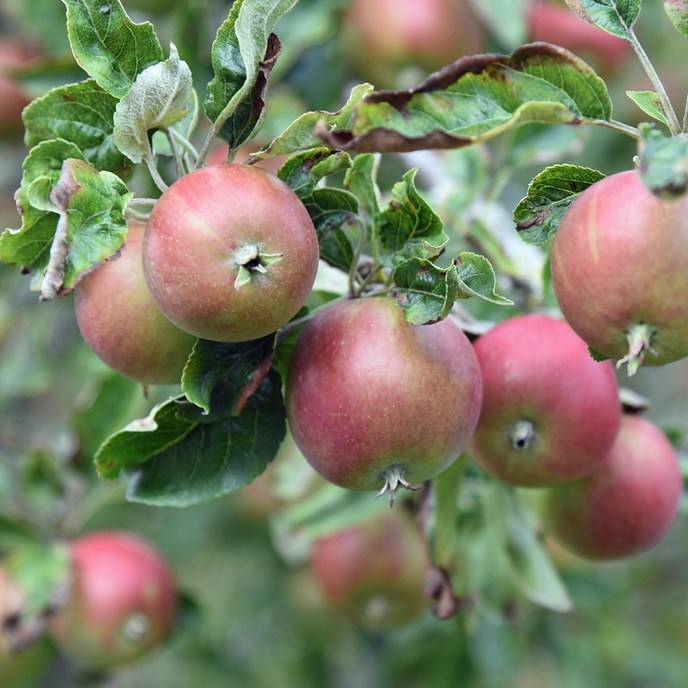
Dwarf Apple
Malus domestica (dwarf cultivars)
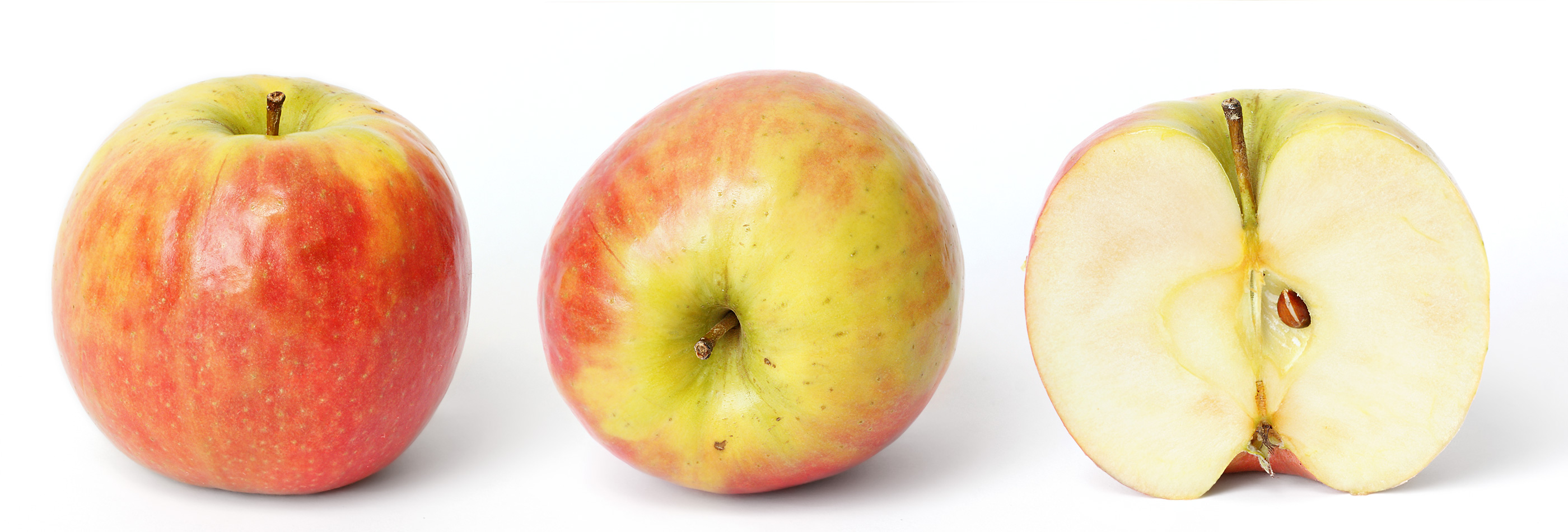
Apple
Malus domestica

Canada Plum
Prunus nigra
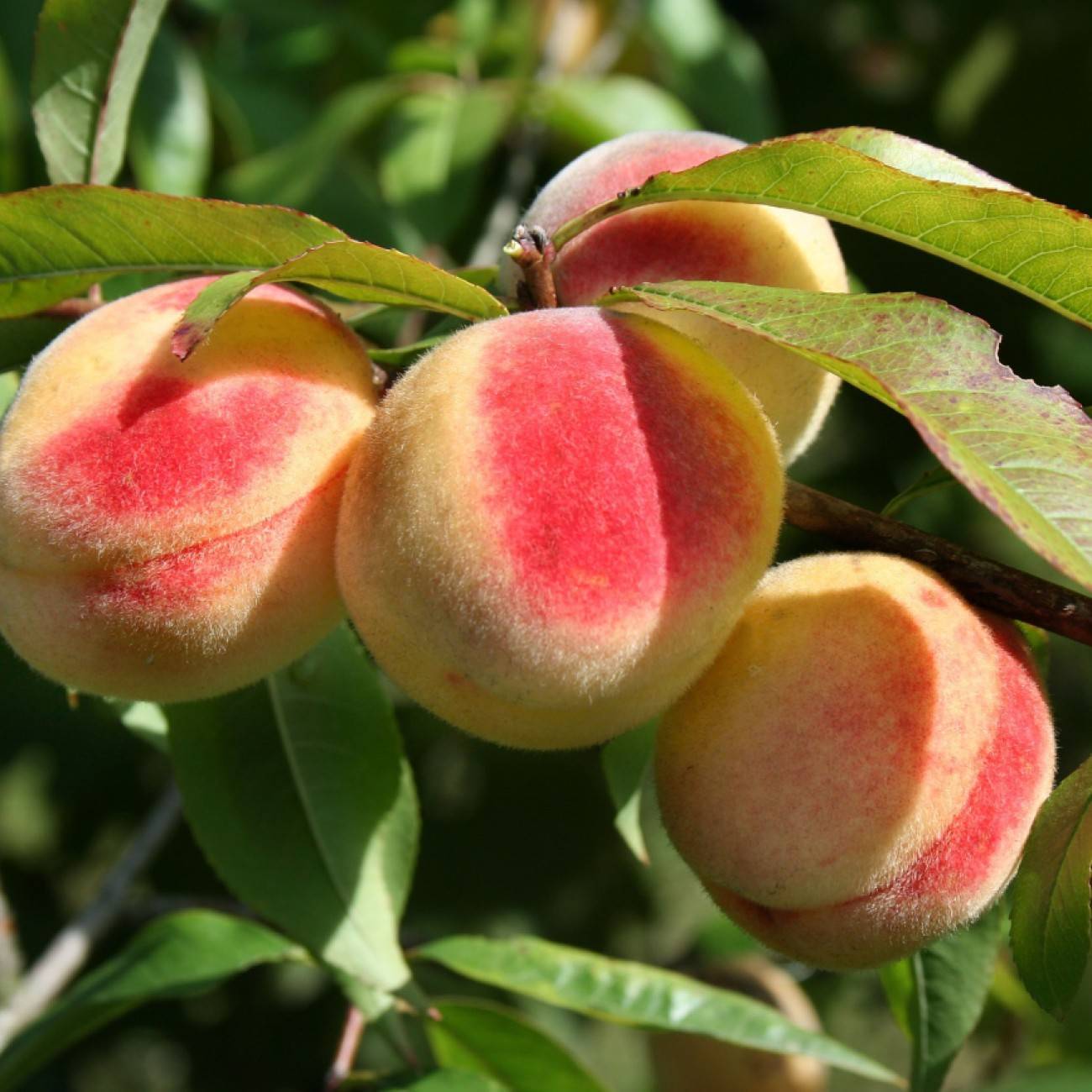
Dwarf Peach
Prunus persica var. persica 'dwarf cultivar'