Canadian Buffaloberry
Shepherdia canadensis
Overview
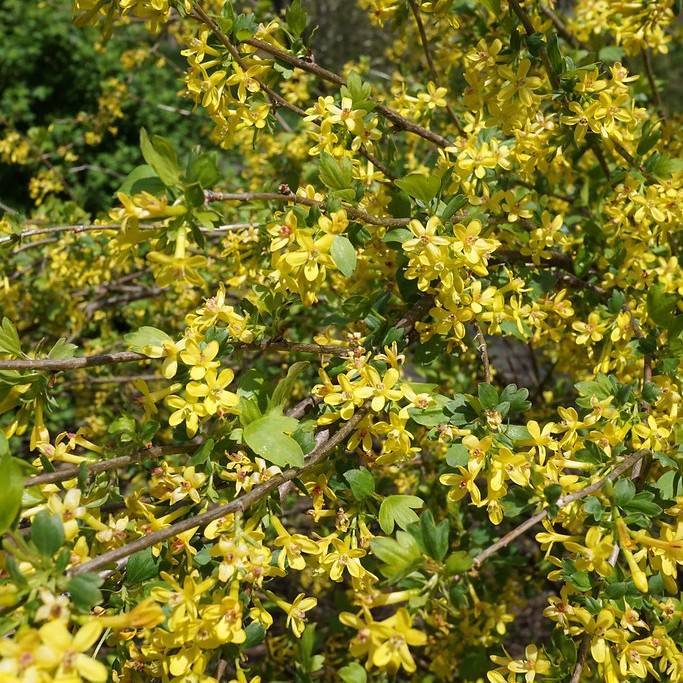
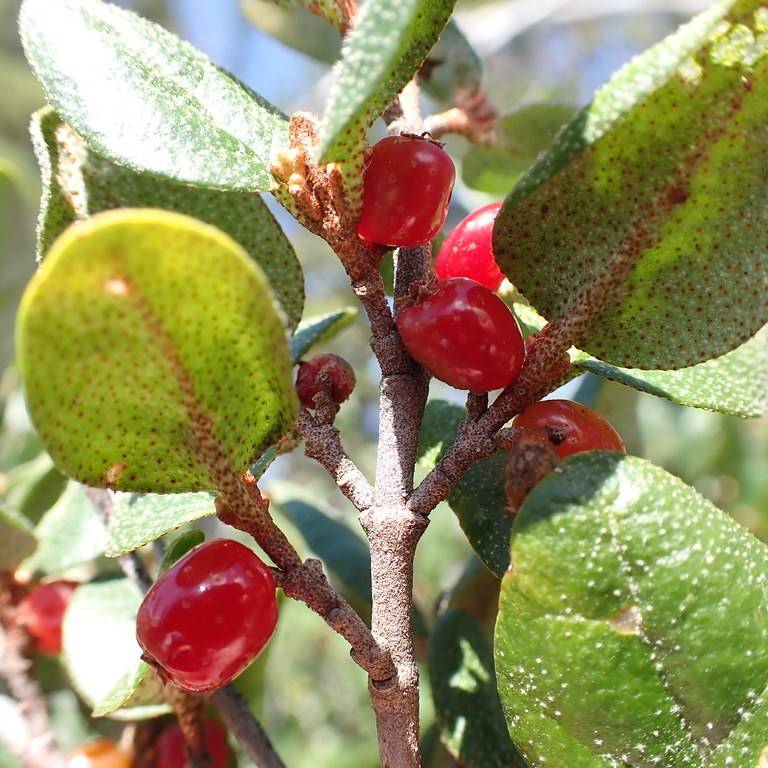
Canadian Buffaloberry is a deciduous, dioecious shrub adapted to cold, harsh boreal and subalpine climates, recognizable by its silvery, scaly foliage and thorny branches. Female plants produce clusters of small, round, sour berries in late summer that were a traditional staple food for many Indigenous peoples of North America. It is tolerant of poor, nutrient-deficient soils due to its nitrogen-fixing root nodules that form symbiotic relationships with soil bacteria, making it a valuable species for ecological restoration in cold regions.
Care Guide
Watering
Canadian Buffaloberry is highly drought-tolerant once established, requiring only occasional supplemental watering during prolonged dry spells in its first 1-2 years of growth. Overwatering, especially in poorly drained soils, can lead to root rot, so allow the top several inches of soil to dry out completely between waterings for mature plants. It naturally thrives in regions with moderate annual precipitation, so no regular watering is needed for plants grown in their native range.
Light
This shrub grows best in full sun, which encourages maximum berry production and dense, compact foliage growth. It can tolerate partial shade, but shaded plants will produce fewer flowers and berries, and may develop a leggy, sparse growth habit. It is adapted to the long, sunny summer days of boreal regions, so it performs poorly in areas with consistent heavy shade.
Soil
Canadian Buffaloberry is adaptable to a wide range of soil types, including sandy, rocky, loamy, and even poor, nutrient-deficient soils where few other plants can survive. It prefers well-drained soils with a neutral to slightly alkaline pH, but can tolerate mildly acidic conditions as well. Its nitrogen-fixing root nodules allow it to thrive in low-nitrogen soils, making it an excellent choice for revegetating disturbed or degraded sites.
Fertilizer
This shrub rarely requires fertilizer, as its nitrogen-fixing root system provides it with sufficient nutrients even in poor soils. If grown in extremely depleted soils, a light application of balanced, slow-release fertilizer in early spring can support new growth, but over-fertilization will lead to excessive foliage growth at the expense of berry production. Avoid high-nitrogen fertilizers, as they can disrupt the symbiotic relationship between the plant’s roots and nitrogen-fixing bacteria.
Temperature
Canadian Buffaloberry is extremely cold-hardy, surviving winter temperatures as low as -40°F (-40°C) and thriving in USDA hardiness zones 2 through 7. It is well-adapted to the short, cool growing seasons of boreal regions, and does not perform well in areas with consistently hot, humid summer temperatures above 90°F (32°C). It requires a period of cold winter dormancy to produce flowers and fruit the following growing season.
Pruning
Prune Canadian Buffaloberry in late winter or early spring before new growth emerges, removing any dead, damaged, or diseased branches to maintain airflow and plant health. You can thin out overcrowded branches to encourage better light penetration and increased berry production, as female plants produce fruit on one-year-old wood. Avoid heavy pruning, as this can reduce fruiting for 1-2 growing seasons; limit removal to no more than one-third of the plant’s total growth per year.
Propagation
Canadian Buffaloberry is most commonly propagated from seed, which requires 2-3 months of cold stratification to break dormancy before sowing in spring. It can also be propagated from semi-hardwood cuttings taken in mid-summer, treated with rooting hormone, and kept in consistently moist, well-drained medium until roots form. Since it is dioecious, plant at least one male plant for every 5-6 female plants to ensure pollination and berry production.
Humidity
This shrub prefers moderate humidity levels typical of its native boreal habitat, but is highly tolerant of dry air and drought conditions once established. It does not perform well in high-humidity environments, as prolonged moisture on foliage can increase the risk of fungal diseases. No additional humidity supplementation is needed for plants grown outdoors in suitable climates.
Repotting
Canadian Buffaloberry is rarely grown in containers, as it develops a deep, extensive root system that is best suited to in-ground planting. If grown in a pot for a short period, repot young plants every 1-2 years in early spring before new growth begins, using a well-drained, loamy potting mix. Once the plant reaches 3-4 feet tall, it should be transplanted to a permanent in-ground location to avoid root binding and stunted growth.
Uses & Symbolism
Canadian Buffaloberry berries are edible, with a tart, sour flavor that is traditionally mixed with sweetener, dried, or cooked into jams, jellies, sauces, and traditional Indigenous dishes like pemmican. The shrub is widely used for ecological restoration and erosion control in cold regions, as its nitrogen-fixing roots improve soil health and its dense growth provides cover and food for birds, bears, and other wildlife. It is also planted as an ornamental shrub for its attractive silvery foliage and cold-hardiness in xeriscapes and native plant gardens.
Diseases & Pests
Canadian Buffaloberry is relatively pest and disease resistant, but can be susceptible to fungal leaf spots and powdery mildew in areas with high humidity or poor air circulation. Aphids and spider mites may occasionally infest new growth, but these can be controlled with insecticidal soap or neem oil, or by encouraging natural predators like ladybugs. Root rot can occur in poorly drained, overly wet soils, so ensure proper soil drainage to prevent this issue.
Related plants
Other plants you might like if you grow Canadian Buffaloberry.