David S. Peach
Prunus persica 'David S'
Overview
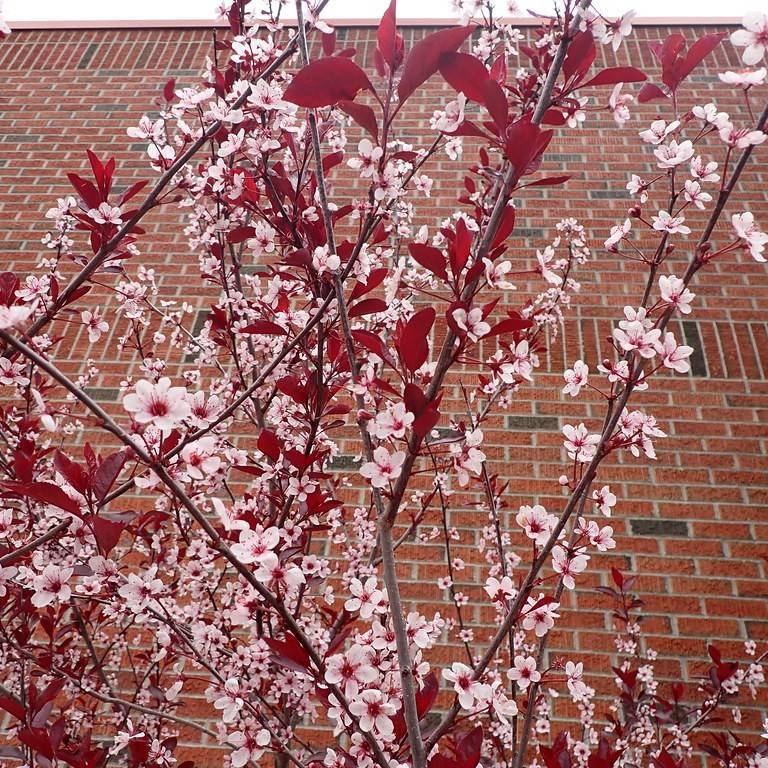
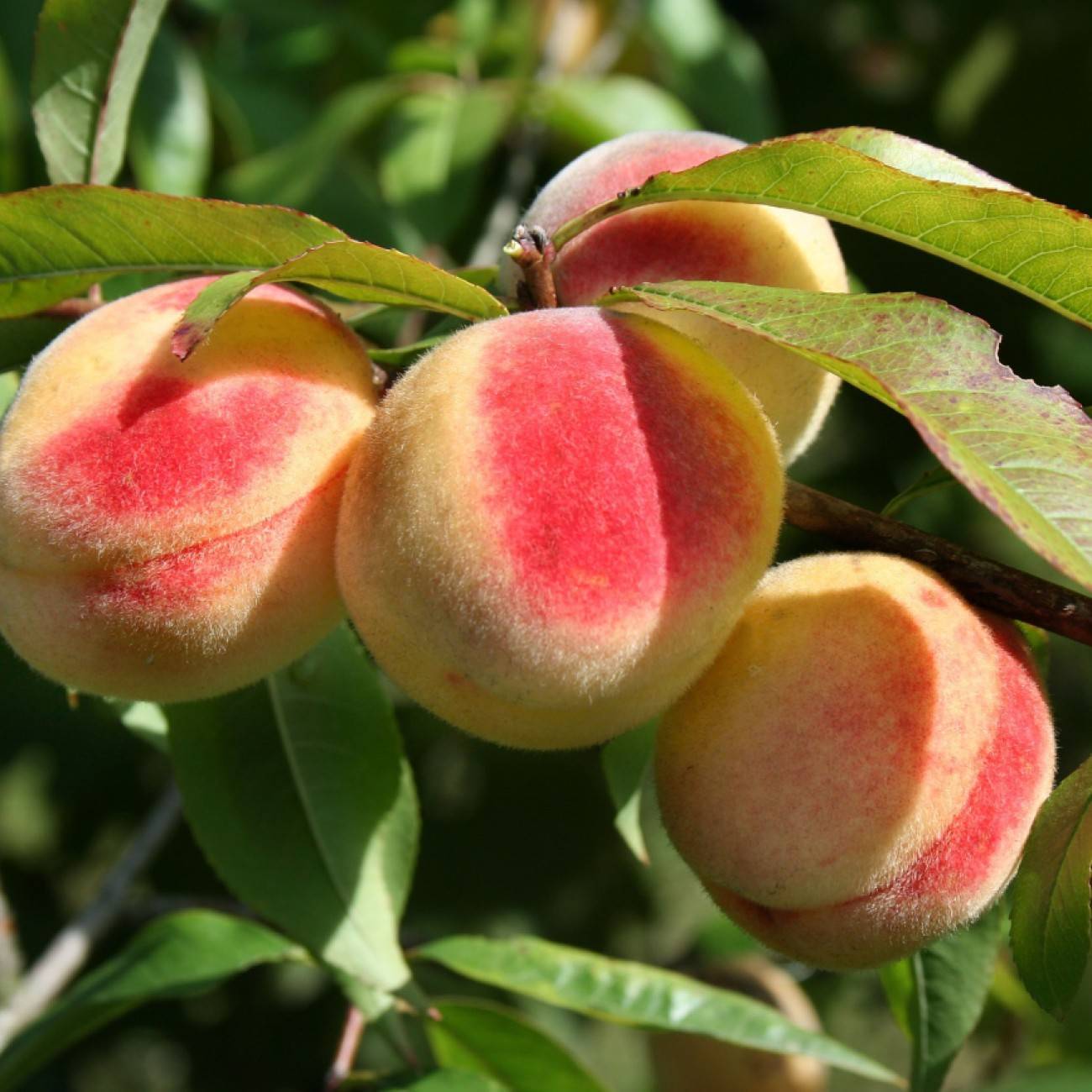
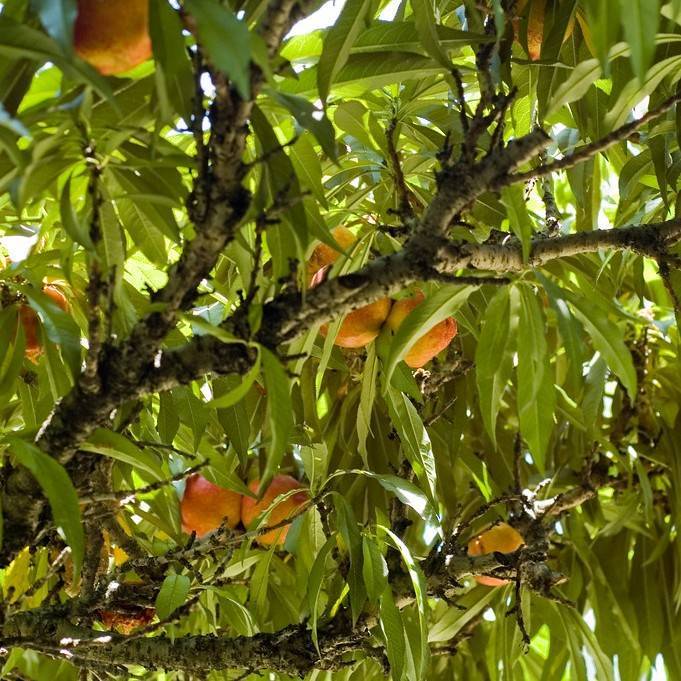
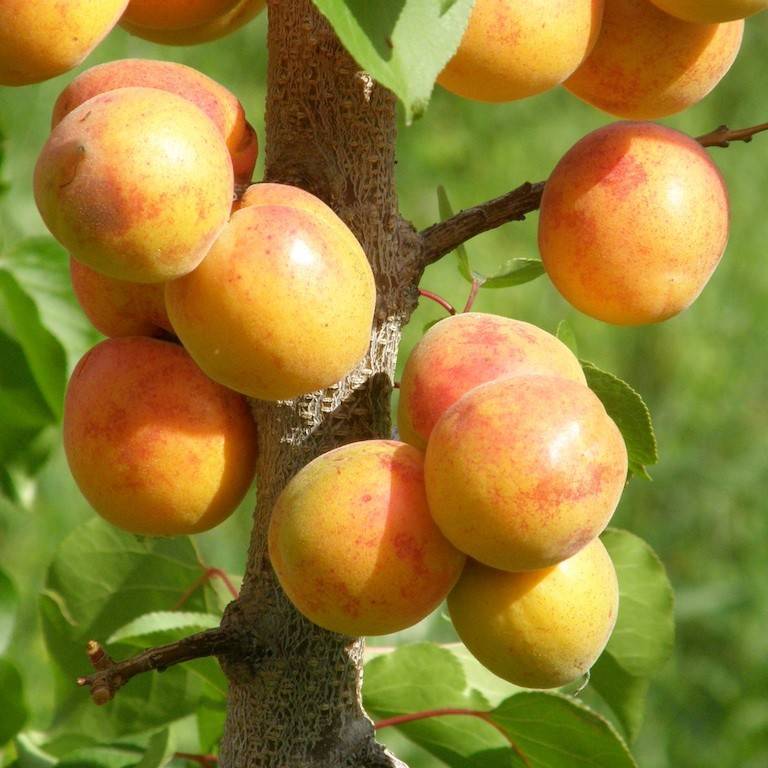
Bred for enhanced cold hardiness, the David S. Peach cultivar produces consistent yields even in regions with occasional late spring frost events that damage more sensitive peach varieties. Its medium-sized, round fruit has fuzzy golden-yellow skin blushed with red, and firm, sweet yellow flesh that separates cleanly from the pit, making it ideal for fresh eating, canning, and baking. The tree blooms with showy pale pink spring flowers that support local pollinator populations before setting fruit that ripens in mid to late summer.
Care Guide
Watering
David S. Peach trees require regular, deep watering during the growing season, providing 1 to 2 inches of water per week to keep the root zone evenly moist but not waterlogged. Reduce watering frequency in fall and winter to encourage dormancy, avoiding overwatering that can lead to root rot in cooler, wetter conditions. Young newly planted trees need more frequent watering for the first 2 to 3 years as their root systems become established.
Light
This peach cultivar requires full, direct sunlight for a minimum of 6 to 8 hours per day to support healthy growth, flower development, and optimal fruit sugar production. Plant in an unshaded location with southern exposure when possible, avoiding areas shaded by larger trees or structures that can limit light access and reduce fruit yields. Insufficient light will lead to sparse foliage, poor flowering, and small, low-quality fruit.
Soil
David S. Peach thrives in well-draining, loamy or sandy-loam soil with a slightly acidic pH between 6.0 and 6.8. Heavy clay soils that hold excess moisture should be amended with compost or perlite to improve drainage, as waterlogged soil will quickly cause root rot and kill the tree. Raised beds are recommended for areas with poor native soil drainage to keep the root zone elevated and aerated.
Fertilizer
Apply a balanced 10-10-10 fertilizer in early spring before new growth emerges, following label rates based on the tree’s age and size to avoid over-fertilization that can promote excessive foliage growth at the expense of fruit production. A second light application of nitrogen-rich fertilizer can be applied 4 to 6 weeks after bloom to support developing fruit, but avoid fertilizing after mid-summer to prevent tender new growth that will be damaged by winter cold. Mature, fruit-bearing trees benefit from an annual topdressing of compost around the root zone to boost organic matter content.
Temperature
David S. Peach is cold hardy to USDA zone 5, tolerating winter temperatures as low as -20°F (-29°C) when fully dormant, and requires 800 to 900 chill hours (hours below 45°F / 7°C) during winter to break dormancy and produce flowers and fruit the following season. It tolerates summer temperatures up to 100°F (38°C) as long as adequate water is provided, but prolonged extreme heat can cause fruit sunscald if not protected. Late spring frosts can damage open blossoms, so plant in a slightly elevated site that avoids cold air pooling to reduce frost risk.
Pruning
Prune David S. Peach trees annually in late winter while the tree is still dormant, removing dead, diseased, or crossing branches to improve air circulation and light penetration through the canopy. Train young trees to an open-center vase shape to maximize light access to fruiting wood and reduce the risk of fungal diseases. Thin developing fruit to 4 to 6 inches apart on branches 4 to 6 weeks after bloom to prevent branch breakage and encourage larger, higher-quality remaining fruit.
Propagation
David S. Peach is most commonly propagated by grafting cuttings from a mature parent tree onto compatible peach rootstock, which ensures the new plant retains the cultivar’s desired fruit characteristics and cold hardiness. Growing from seed is not recommended, as seed-grown trees will not produce fruit identical to the parent cultivar and may have reduced cold tolerance and fruit quality. Softwood cuttings taken in early summer can be rooted with the use of rooting hormone and consistent moisture, but grafted trees will establish faster and produce fruit sooner.
Humidity
David S. Peach prefers moderate humidity levels between 40% and 60% during the growing season, as very high humidity combined with poor air circulation increases the risk of fungal diseases such as peach leaf curl and brown rot. In regions with high summer humidity, ensure the tree is pruned to maintain open canopy structure to allow air to flow freely through branches and reduce moisture buildup on foliage and fruit. Low humidity rarely causes issues for this cultivar as long as adequate soil moisture is provided.
Repotting
David S. Peach trees grown in containers should be repotted every 2 to 3 years in late winter during dormancy, moving to a pot 2 to 4 inches larger than the current container with fresh, well-draining potting mix formulated for fruit trees. Gently loosen the root ball before repotting to encourage new root growth, and avoid planting the tree deeper than it was in its previous container to prevent crown rot. Dwarf rootstock varieties are best suited for container growing, as full-size trees will quickly outgrow pots and have reduced fruit production.
Uses & Symbolism
David S. Peach is primarily grown for its edible, sweet freestone fruit, which is eaten fresh, used in pies, jams, preserves, and canned goods for long-term storage. Its showy pale pink spring blooms make it a decorative addition to edible landscape and home orchard plantings, and its dense foliage provides light summer shade for smaller understory plants. It is also used in cold-climate breeding programs to develop new peach cultivars with enhanced frost tolerance and reliable fruit production.
Diseases & Pests
David S. Peach is susceptible to common peach diseases including peach leaf curl, a fungal infection that causes distorted, discolored foliage, and brown rot, which rots developing fruit during warm, wet conditions; these can be prevented with dormant fungicide sprays and proper pruning to improve air circulation. Common pests include peach tree borers, which tunnel into the tree’s trunk and can kill young trees, aphids that feed on new foliage, and plum curculio weevils that damage developing fruit; these can be managed with appropriate insecticide applications and regular monitoring of the tree’s foliage, trunk, and fruit. Overwatering and poorly draining soil frequently lead to root rot, which causes wilting foliage, stunted growth, and eventual tree death if not corrected quickly.
Related plants
Other plants you might like if you grow David S. Peach.