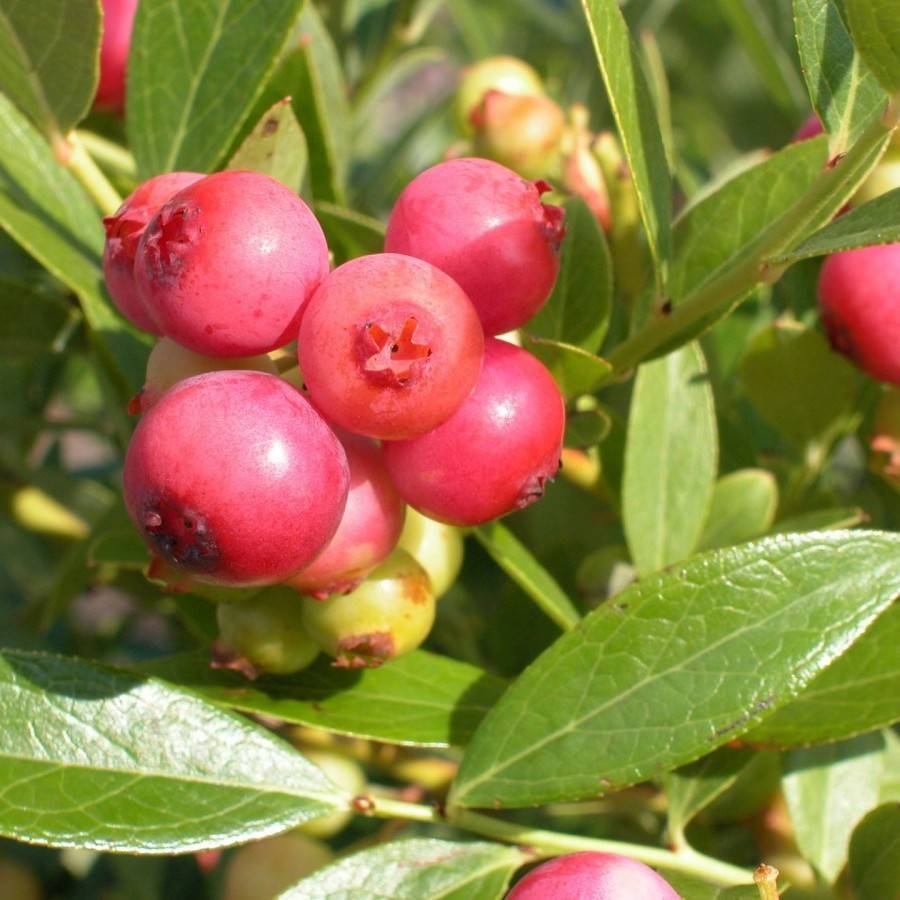
Blueberry
Vaccinium corymbosum
Overview
Blueberry shrubs are deciduous members of the heath family, producing clusters of small, bell-shaped white or pale pink spring blooms followed by round, deep blue edible berries in summer. Their glossy green foliage turns vivid red, orange, and purple in fall, adding ornamental value to landscapes. Most commercial and garden cultivars are highbush blueberries, though lowbush and rabbiteye varieties are adapted to specific regional climates.
Care Guide
Watering
Blueberries require consistent, even moisture, with 1-2 inches of water per week during the growing season; avoid overwatering to prevent root rot, and use mulch to retain soil moisture and reduce evaporation. During fruit development, increase watering slightly to plump berries and prevent cracking, reducing frequency in fall as the plant enters dormancy.
Light
Blueberries thrive in full sun, requiring at least 6-8 hours of direct sunlight daily for optimal fruit production and healthy foliage growth. They can tolerate partial shade, but shaded conditions will reduce berry yield, slow growth, and increase susceptibility to fungal diseases.
Soil
Blueberries require extremely acidic, well-drained, loamy soil with a pH between 4.0 and 5.5; amend heavy or alkaline soils with peat moss, pine bark, or sulfur to lower pH before planting. Avoid heavy clay soils that hold standing water, as blueberry roots are shallow and easily damaged by saturated conditions.
Fertilizer
Feed blueberries in early spring before new growth emerges using an acidic, slow-release fertilizer formulated for azaleas, rhododendrons, or ericaceous plants, avoiding high-nitrogen fertilizers that can burn shallow roots. A second light application can be made in late spring after flowering, but do not fertilize after mid-summer to avoid stimulating tender new growth that will be damaged by frost.
Temperature
Highbush blueberries are hardy in USDA zones 3-8, requiring 800-1,000 chill hours below 45°F (7°C) in winter to break dormancy and produce fruit the following season. Protect young plants from extreme winter cold with burlap wraps or mulch, and provide shade during unexpected late spring heatwaves to prevent fruit sunscald.
Pruning
Prune blueberries in late winter while the plant is dormant, removing dead, damaged, or crossing branches to improve air circulation and light penetration to the interior of the shrub. For mature plants 4 years and older, remove 1-2 of the oldest, woodiest canes each year to encourage new, productive growth, and thin out small, weak shoots to focus energy on berry production.
Propagation
Blueberries are most commonly propagated from softwood cuttings taken in late spring or early summer, rooting cuttings in acidic, well-drained potting mix under high humidity for 2-3 months. They can also be grown from seed, but seed-grown plants will not retain the characteristics of the parent cultivar, and may take 3-4 years to produce fruit.
Humidity
Blueberries prefer moderate to high humidity between 50-70%, which supports healthy foliage growth and reduces stress during fruit development. In dry, low-humidity climates, regular misting or placement near a water source can help maintain adequate humidity, though good air circulation is critical to prevent fungal leaf and fruit diseases.
Repotting
Container-grown blueberries should be repotted every 2-3 years in early spring before new growth starts, using a peat-based acidic potting mix and moving to a pot one size larger to accommodate shallow, spreading roots. When repotting, gently loosen the root ball to encourage new root growth, and ensure the pot has ample drainage holes to prevent waterlogging of the acidic potting medium.
Uses & Symbolism
Blueberries are primarily grown for their edible, sweet-tart berries, which are eaten fresh, frozen, or used in jams, pies, smoothies, and baked goods, and are valued for their high antioxidant, vitamin C, and fiber content. They are also used as ornamental landscape shrubs for their attractive spring blooms, vibrant fall foliage, and wildlife value, providing food for birds and pollinators.
Diseases & Pests
Blueberries are susceptible to fungal diseases including mummy berry, powdery mildew, and botrytis fruit rot, which thrive in wet, poorly ventilated conditions; good air circulation, proper pruning, and avoiding overhead watering reduce infection risk. Common pests include blueberry maggot, spotted wing drosophila, and aphids, which can be controlled with organic insecticides, netting to protect ripening fruit, and regular monitoring for early infestations.
Related plants
Other plants you might like if you grow Blueberry.
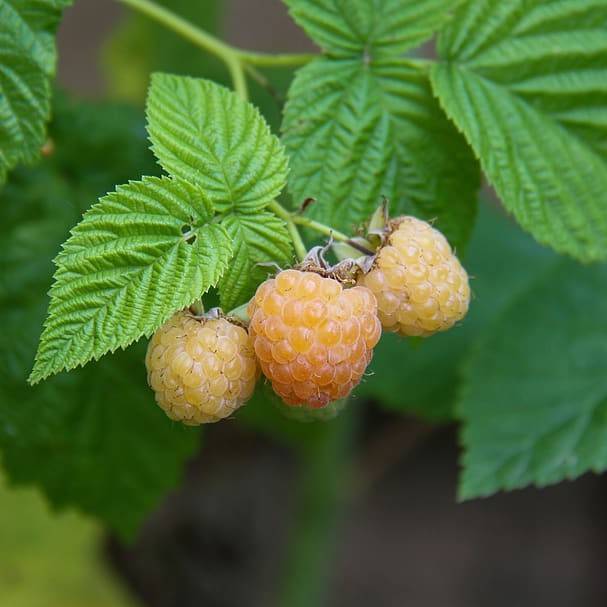
Everbearing Raspberry
Rubus idaeus var. strigosus 'Everbearing'
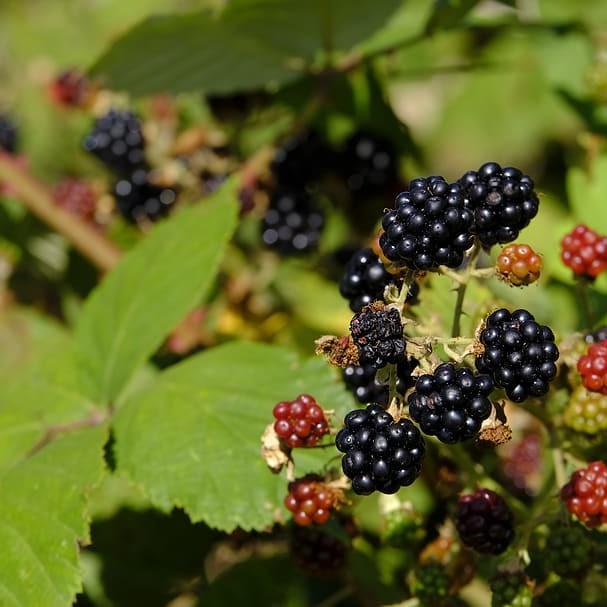
Boysenberry
Rubus ursinus × idaeus 'Boysen'
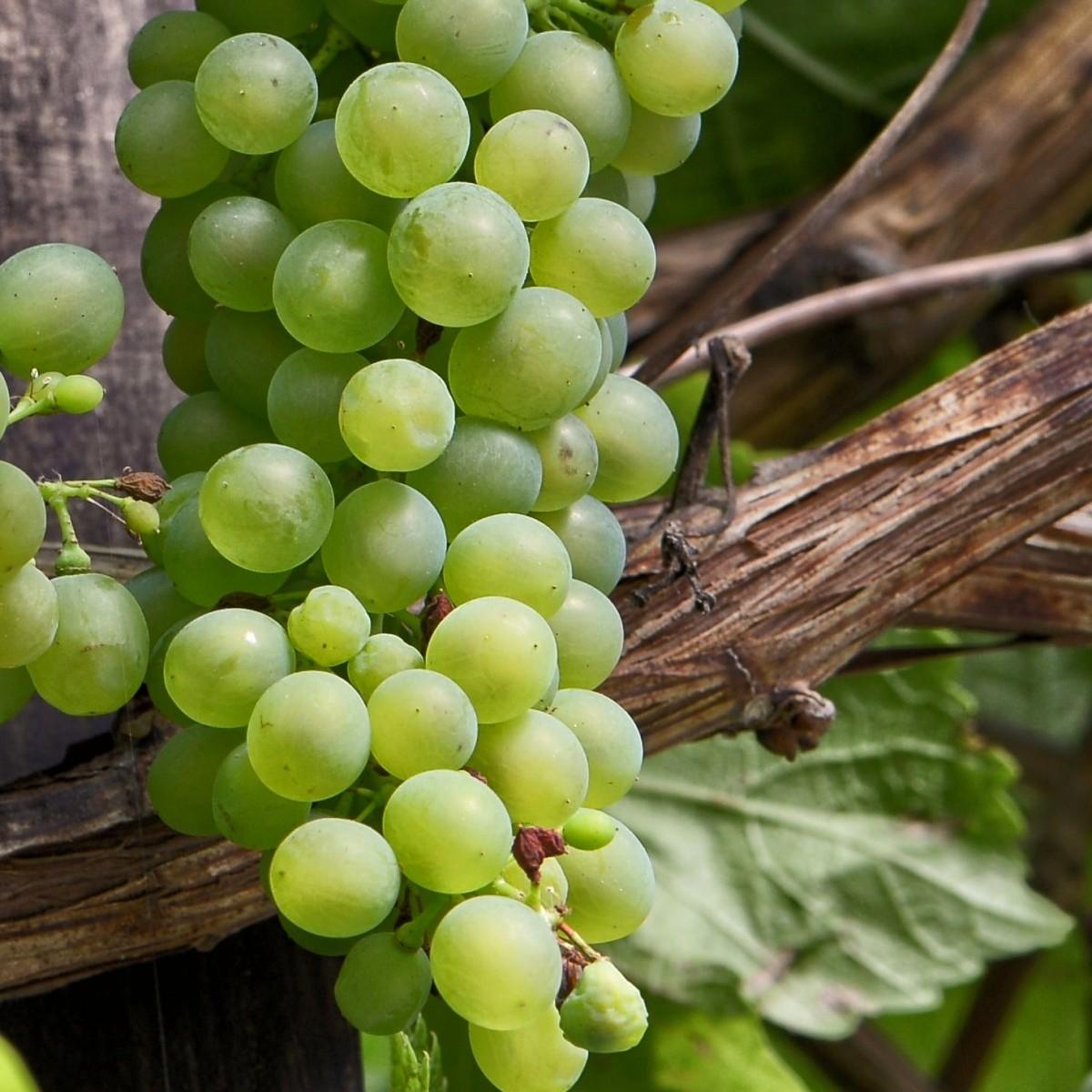
Grape
Vitis vinifera
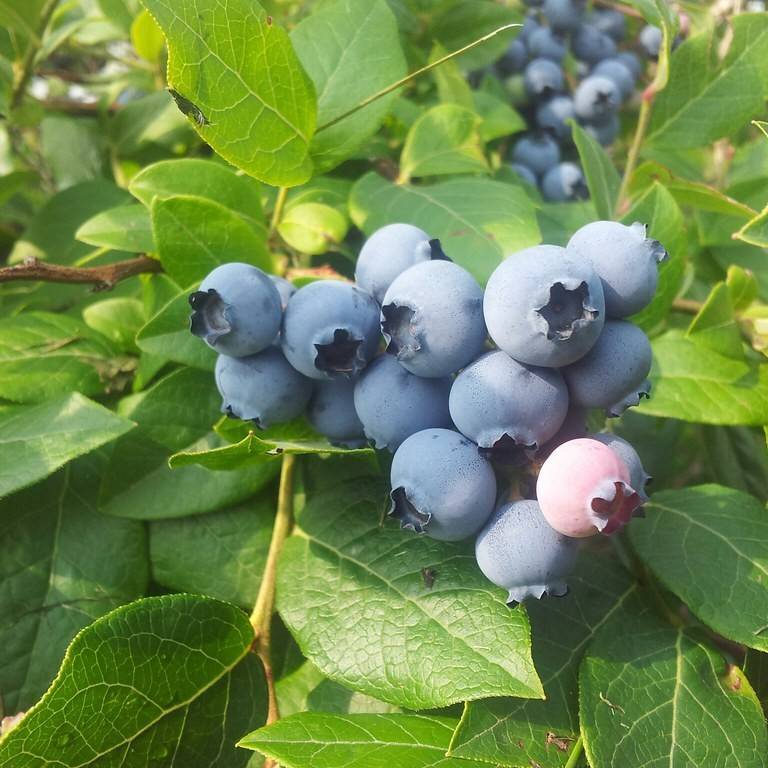
Half High Blueberry
Vaccinium corymbosum × Vaccinium angustifolium
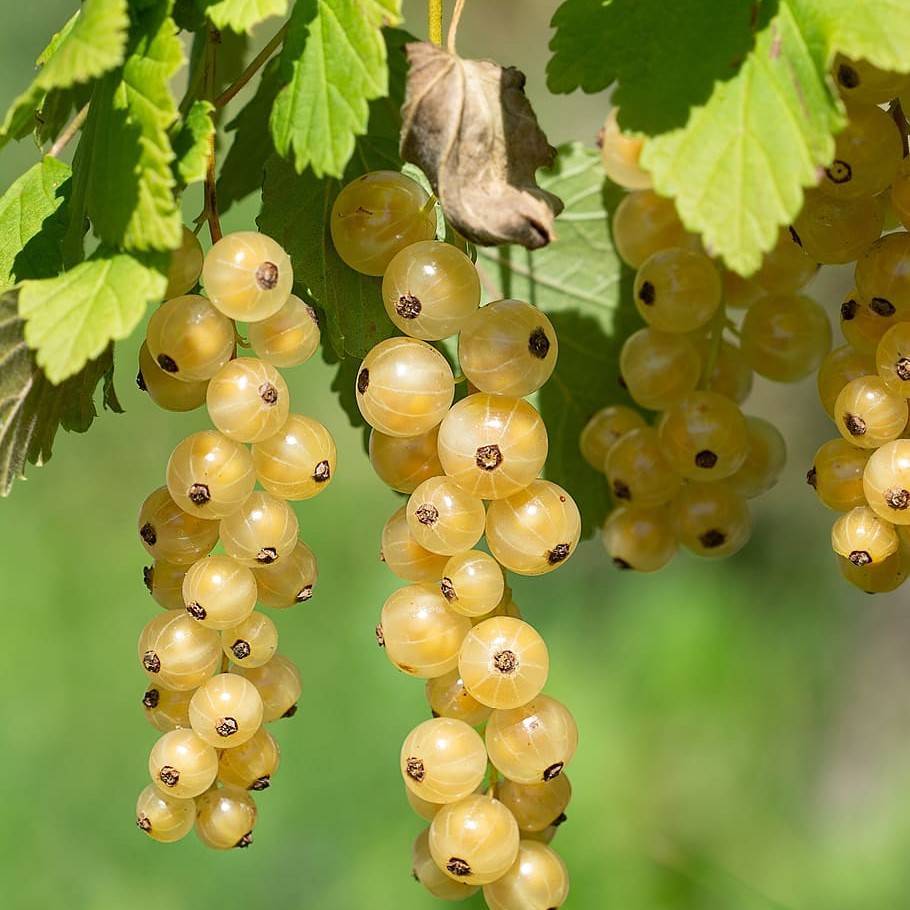
Currant
Ribes rubrum (red currant), Ribes nigrum (black currant), Ribes uva-crispa (white currant)
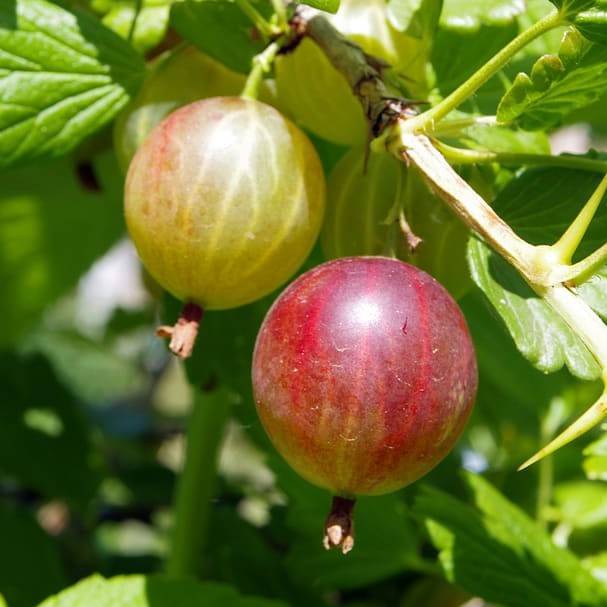
Gooseberry
Ribes uva-crispa
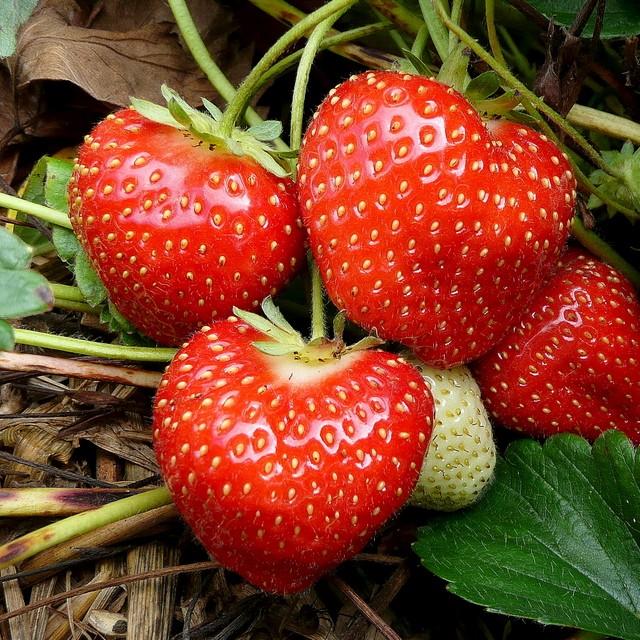
Junebearing Strawberry
Fragaria × ananassa (June-bearing cultivars)
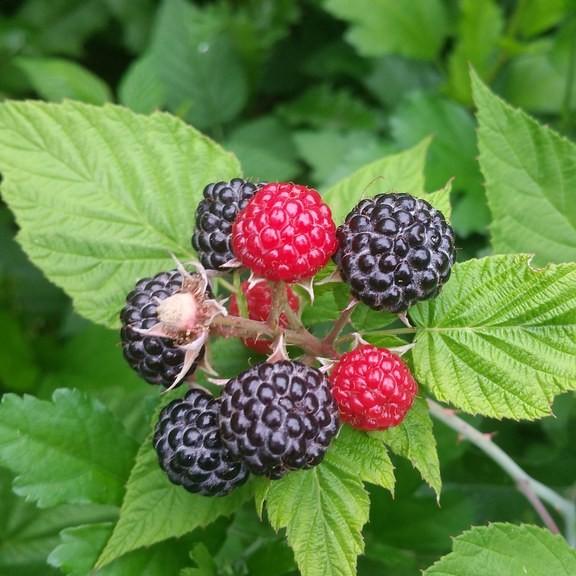
Black Raspberry
Rubus occidentalis