Downy Cherry
Prunus tomentosa
Overview
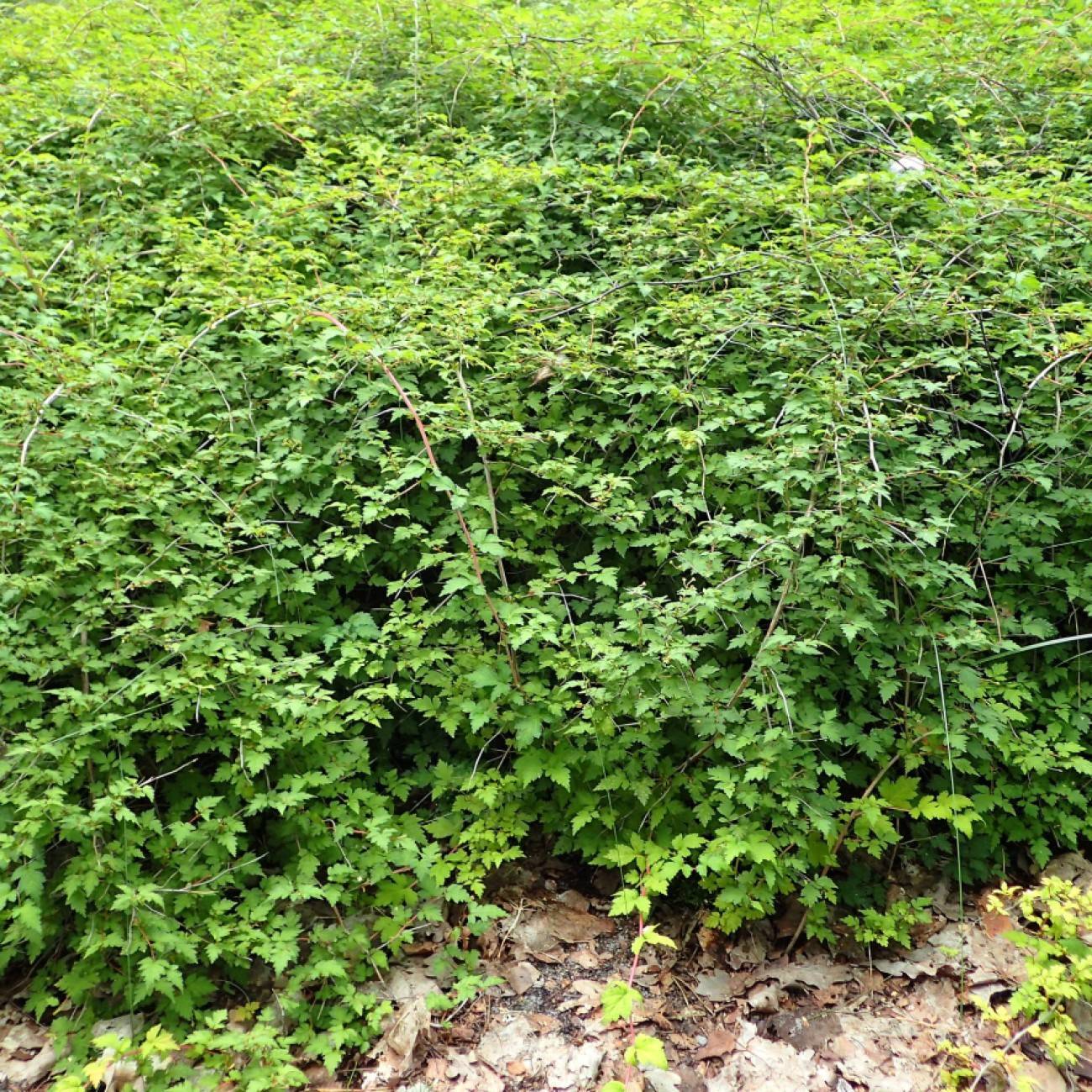
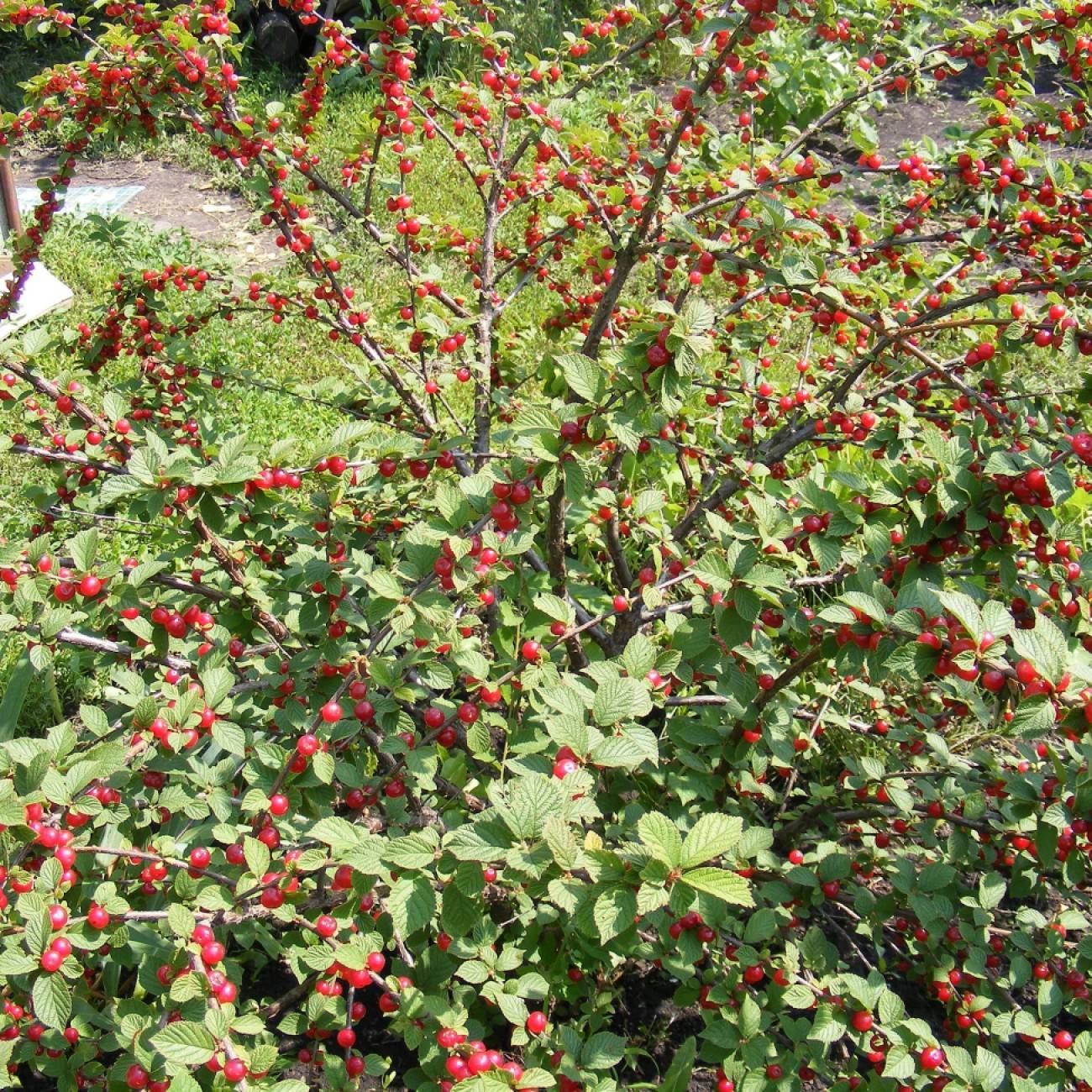
Downy cherry, also called Nanking cherry, is a dense, multi-stemmed deciduous shrub valued for its ornamental and edible properties. Its young branches, leaf undersides, and fruit skin are covered in soft, fine hairs that create the characteristic downy texture referenced in its name. In early spring, it bursts into clusters of pale pink or white fragrant flowers before leaf emergence, followed by small, bright red tart cherries that ripen in early summer. It is highly cold-tolerant, suited to temperate and boreal growing regions where many other fruiting shrubs cannot survive.
Care Guide
Watering
Water newly planted downy cherry shrubs deeply once or twice weekly to establish a strong root system, keeping soil consistently moist but not waterlogged. Once established, it is drought-tolerant, requiring supplemental watering only during extended dry spells, particularly during fruit development to prevent drop. Avoid overhead watering to reduce the risk of fungal foliage diseases.
Light
Grow downy cherry in full sun, meaning at least 6 hours of direct, unfiltered sunlight per day, to maximize flower and fruit production. It can tolerate light partial shade, though flowering will be sparser and fruit yields will be lower in shadier positions. Full sun also helps foliage dry quickly after rain, reducing fungal disease pressure.
Soil
Downy cherry adapts to a wide range of soil types, including sandy, loam, and clay soils, as long as the site has excellent drainage; it cannot tolerate standing water around its roots. It prefers a slightly acidic to neutral soil pH between 5.5 and 7.5 for optimal nutrient uptake. Amend heavy clay soils with compost or well-rotted manure at planting time to improve drainage and soil structure.
Fertilizer
Apply a balanced, slow-release 10-10-10 fertilizer in early spring before new growth emerges, spreading it evenly around the dripline of the shrub and watering it in thoroughly. Avoid over-fertilizing, especially with high-nitrogen formulas, as this can promote excessive vegetative growth at the expense of flowers and fruit, and increase susceptibility to winter damage. Mature, well-established shrubs may only need fertilization every 2 to 3 years if growth is slow or foliage appears pale.
Temperature
Downy cherry is extremely cold-hardy, thriving in USDA hardiness zones 2 through 7, and can withstand winter temperatures as low as -50°F (-46°C) once fully dormant. It requires a minimum of 700 to 1,200 chill hours (temperatures below 45°F/7°C) during winter to break dormancy and produce flowers and fruit the following spring. It does not perform well in hot, humid climates above zone 7, as high summer heat can stress the plant and reduce fruit quality.
Pruning
Prune downy cherry in late winter while the shrub is still dormant, removing dead, diseased, or crossing branches to improve air circulation through the canopy. Thin out up to one-third of older, woody stems each year to encourage new, productive growth, as fruit is produced on wood that is 2 to 3 years old. After harvesting fruit, you can lightly shear the shrub to maintain a tidy, compact shape if desired, though heavy pruning after mid-summer may reduce next year's bloom.
Propagation
Downy cherry is most commonly propagated from softwood cuttings taken in early summer, when new growth is semi-ripe, treated with rooting hormone, and placed in a well-draining propagation medium under high humidity. It can also be grown from seed, though seeds require 3 to 4 months of cold stratification to germinate, and seed-grown plants may not retain the exact fruit or growth characteristics of the parent plant. Suckers that grow from the base of established shrubs can also be dug up and transplanted in early spring before new growth starts.
Humidity
Downy cherry prefers moderate humidity levels between 40% and 60%, which is typical of its native temperate East Asian range. It can tolerate lower humidity levels in arid regions as long as it receives adequate soil moisture. In high-humidity climates, ensure the shrub is planted in a location with good air flow to prevent fungal issues like powdery mildew or leaf spot on its downy foliage.
Repotting
Downy cherry is rarely grown in containers long-term, as its spreading root system prefers in-ground planting, but young shrubs can be grown in large, 15 to 20 gallon pots with drainage holes for the first 2 to 3 years. Repot container-grown specimens in early spring before new growth emerges, moving them to a slightly larger pot with a well-draining potting mix amended with compost. Once the shrub reaches mature size, top-dress the container annually with fresh potting mix and slow-release fertilizer instead of repotting to avoid root disturbance.
Uses & Symbolism
Downy cherry is widely planted as an ornamental shrub for its fragrant spring blooms, attractive foliage, and bright red fruit, working well as a hedge, border planting, or specimen in wildlife gardens. Its tart, juicy fruit is edible raw when fully ripe, and is commonly used to make jams, jellies, pies, and fruit wines, or eaten dried as a tart snack. It is also planted for erosion control on slopes, and its dense, thorny branches provide shelter and food for birds and small pollinators.
Diseases & Pests
Downy cherry is relatively resistant to most common cherry pests and diseases, but it can be susceptible to brown rot, a fungal disease that causes fruit to rot and develop fuzzy gray spore masses, particularly in warm, wet conditions during bloom and fruit ripening. Powdery mildew may appear as a white, powdery coating on foliage in high-humidity environments with poor air circulation. Common pests include aphids that suck sap from new growth, and cherry fruit flies that lay eggs in developing fruit, causing it to drop prematurely.
Related plants
Other plants you might like if you grow Downy Cherry.