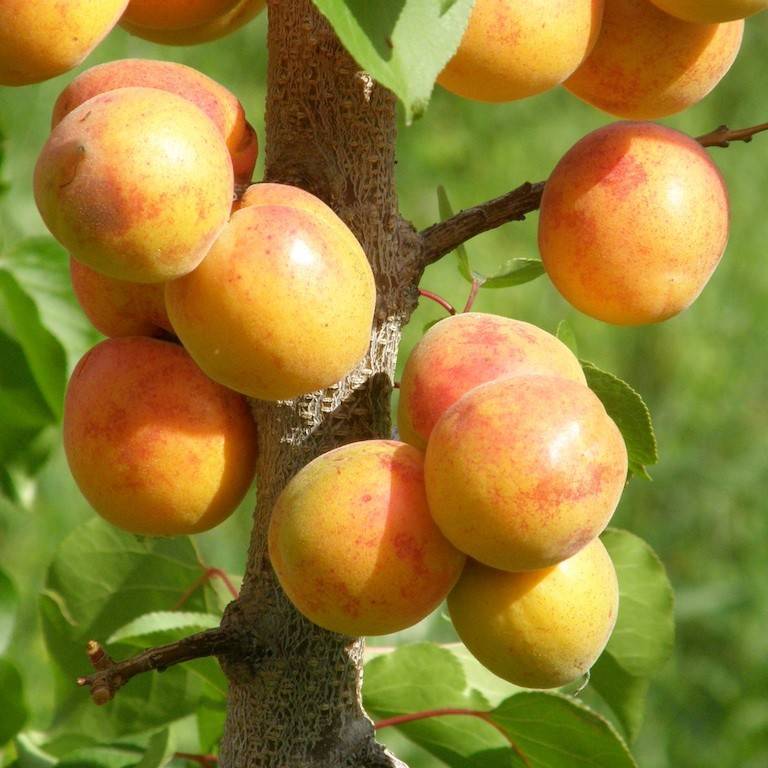
Dwarf Apricot
Prunus armeniaca 'Dwarf'
Overview
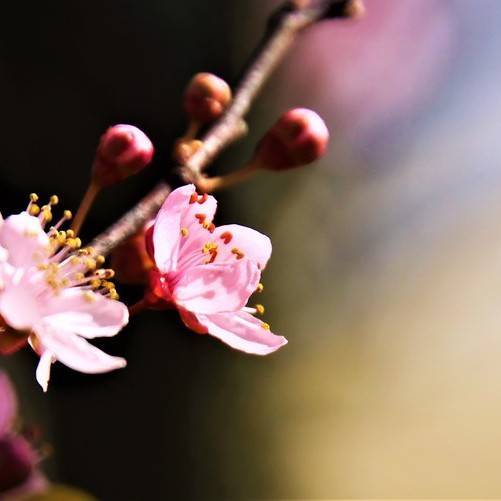
Dwarf apricot is a compact, deciduous fruit tree developed to fit small residential yards, patios, and large containers while producing full-sized, flavorful apricots. It bursts with pale pink to white spring blossoms before emerging with oval, serrated green foliage that turns warm yellow in fall. The sweet, golden-orange fruit ripens in mid to late summer, with most varieties self-fertile, eliminating the need for a second pollinator to set fruit. It is widely grown in temperate regions for both ornamental value and edible harvest.
Care Guide
Watering
Water newly planted dwarf apricot trees deeply once or twice weekly to establish a strong root system, allowing the top 2 to 3 inches of soil to dry out between waterings. Mature trees are moderately drought tolerant, but require consistent moisture during fruit development to prevent dropping or cracking; reduce watering in fall and winter to discourage tender new growth before frost. Avoid overwatering or allowing roots to sit in standing water, as this increases risk of root rot.
Light
Dwarf apricot requires full sun, defined as at least 6 to 8 hours of direct, unfiltered sunlight per day, to maximize flower production, fruit set, and sugar content in the harvest. In regions with intense midday summer heat, some light afternoon shade can prevent sunscald on fruit and foliage, but excessive shade will lead to sparse blooms, reduced fruiting, and leggy growth. Indoor container-grown specimens need a south-facing window or supplemental grow lights to meet their light requirements.
Soil
This tree thrives in well-drained, loamy or sandy-loam soil with a slightly acidic to neutral pH range of 6.0 to 7.0. It tolerates poor, rocky soils as long as drainage is excellent, as it is highly susceptible to root rot in heavy, compacted clay or waterlogged substrates. If growing in a container, use a high-quality, fast-draining potting mix amended with perlite or coarse sand to improve aeration around the root ball.
Fertilizer
Feed established dwarf apricot trees in early spring before new growth emerges with a balanced, slow-release 10-10-10 fertilizer formulated for fruit trees, applied according to label rates based on the tree’s age and size. Avoid fertilizing after mid-summer, as this can stimulate tender new growth that will be damaged by cold winter temperatures. Container-grown trees benefit from a diluted liquid fertilizer applied every 4 to 6 weeks during the active growing season, stopping applications by late July.
Temperature
Dwarf apricot grows best in temperate climates with cold winter temperatures between 32°F and 45°F (0°C and 7°C) for 700 to 1,000 chill hours to break dormancy and trigger spring flowering. It is hardy in USDA zones 5 through 8, tolerating winter lows down to -20°F (-29°C) when dormant, but open blossoms and young fruit are damaged by temperatures below 28°F (-2°C). In regions with late spring frosts, protect budding trees with frost cloth to prevent crop loss.
Pruning
Prune dwarf apricot trees annually during late dormancy, before buds break in early spring, to remove dead, damaged, or crossing branches, improve air circulation, and maintain a manageable, open vase shape that allows sunlight to reach inner foliage. Thin excess fruit clusters 4 to 6 weeks after bloom, leaving 2 to 3 inches between remaining fruit, to prevent branch breakage and encourage larger, higher-quality harvests. Remove any suckers growing from the rootstock below the graft union as they appear, as these will divert energy from fruit production.
Propagation
Dwarf apricot is most commonly propagated via grafting, where a cutting from a desired fruiting cultivar is attached to a dwarfing rootstock to control mature size and improve disease resistance. It can be grown from seed, but seed-grown trees will not retain the dwarf growth habit or exact fruit characteristics of the parent plant, and may take 3 to 5 years longer to produce fruit. Softwood cuttings taken in early summer can root with the use of rooting hormone and consistent moisture, but have a lower success rate than grafted specimens.
Humidity
Dwarf apricot prefers moderate humidity levels between 40% and 60%, which supports healthy foliage and fruit development without encouraging fungal disease. High humidity, especially during bloom and fruit ripening, increases risk of brown rot and powdery mildew, so ensure good air circulation around the tree to reduce moisture buildup on leaves and fruit. It tolerates low humidity levels well, making it suitable for dry temperate regions, but may require extra watering during periods of very low, sustained humidity.
Repotting
Container-grown dwarf apricot trees should be repotted every 2 to 3 years in late winter, during dormancy, to refresh the potting mix and provide extra root space as the tree grows. Choose a pot that is 2 to 4 inches larger in diameter than the current container, with multiple drainage holes to prevent waterlogging, and gently loosen bound roots before planting in fresh, well-drained potting mix. After repotting, water thoroughly and place the tree in a sheltered, partially shaded location for 1 to 2 weeks to allow roots to recover before moving back to full sun.
Uses & Symbolism
Dwarf apricot is primarily grown for home fruit production, yielding sweet, juicy fruit that can be eaten fresh, dried, canned, or used in jams, pies, and baked goods. Its compact size makes it a popular ornamental tree for small yards, patios, and edible landscapes, with showy spring blossoms and vibrant fall foliage adding seasonal visual interest. It is also well-suited for container growing on balconies or patios for gardeners with limited outdoor space.
Diseases & Pests
Dwarf apricot is susceptible to brown rot, a fungal disease that causes blossom blight and fruit rot during warm, wet spring and summer conditions, which can be prevented with good air circulation and fungicide applications at bloom if needed. Bacterial canker, marked by oozing lesions on branches and dieback of new growth, is common in wet, cool climates, and can be managed by pruning affected branches during dry weather and avoiding wounding the tree. Common pests include aphids, which feed on new growth, and plum curculio beetles, which damage developing fruit; these can be controlled with horticultural oil sprays and regular monitoring of foliage and fruit.
Related plants
Other plants you might like if you grow Dwarf Apricot.
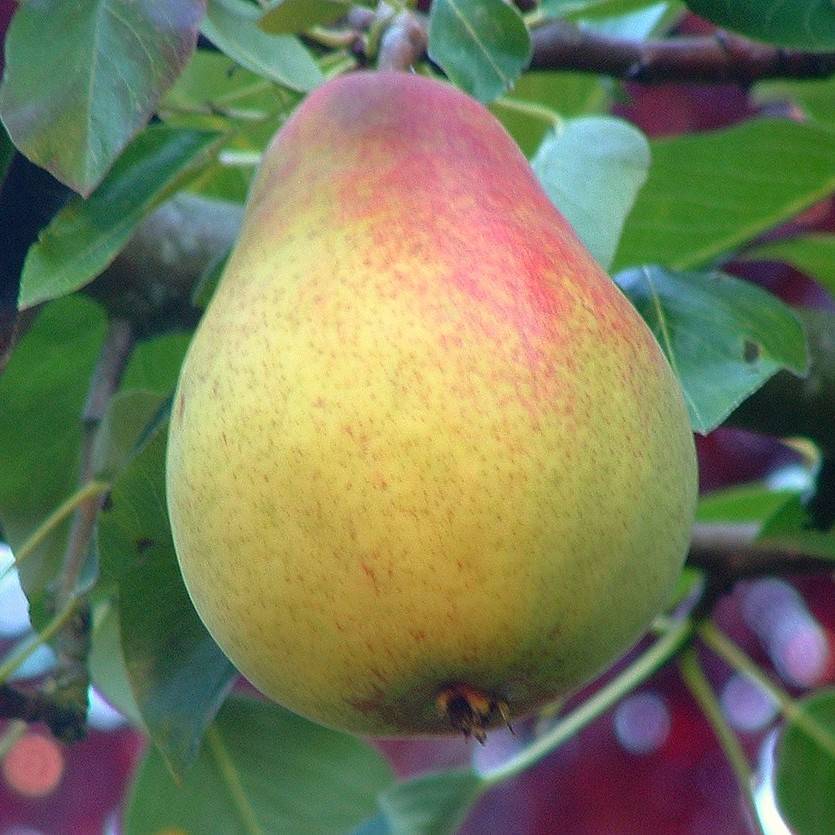
Dwarf Pear
Pyrus communis (dwarf cultivars)
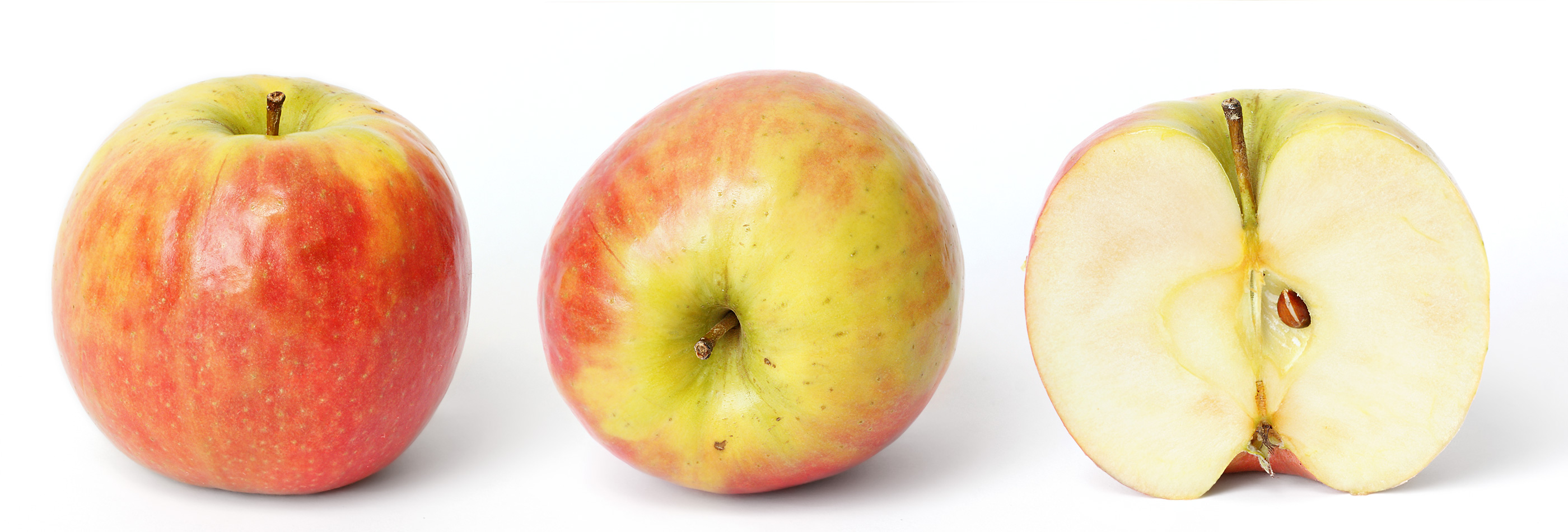
Apple
Malus domestica
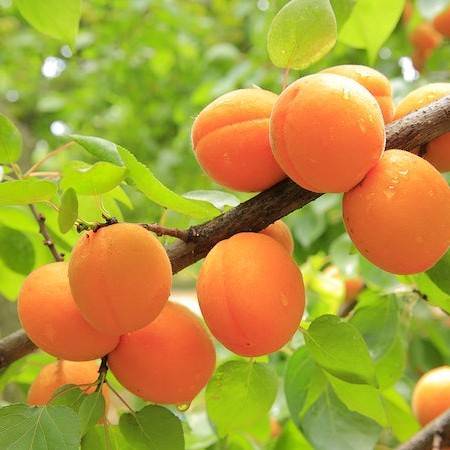
Apricot
Prunus armeniaca
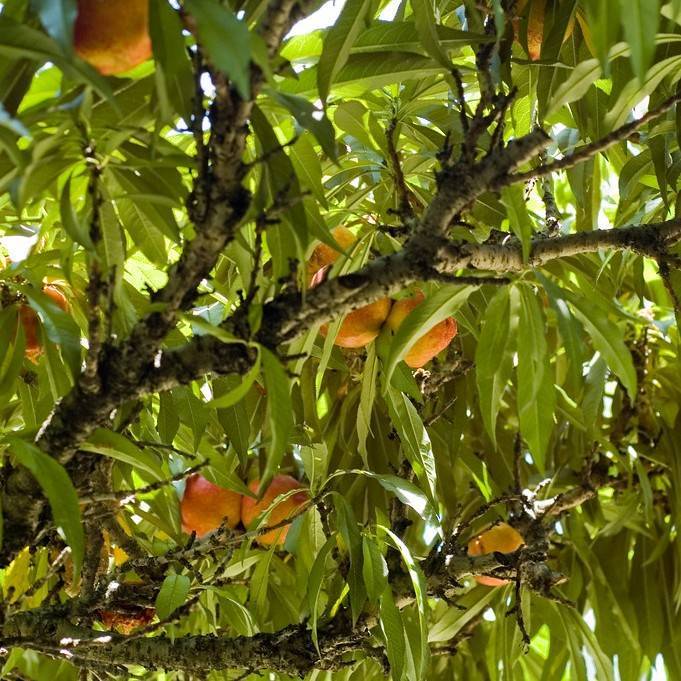
Dwarf Nectarine
Prunus persica var. nucipersica 'Dwarf'
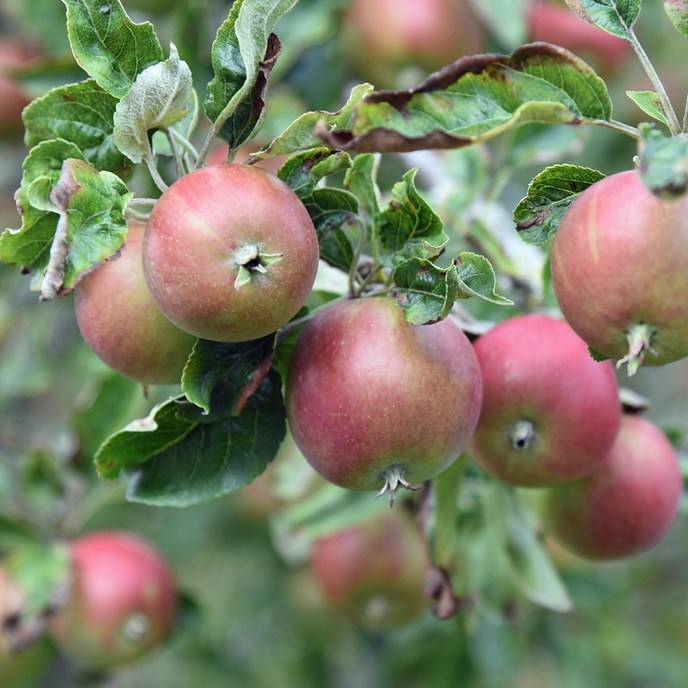
Dwarf Apple
Malus domestica (dwarf cultivars)
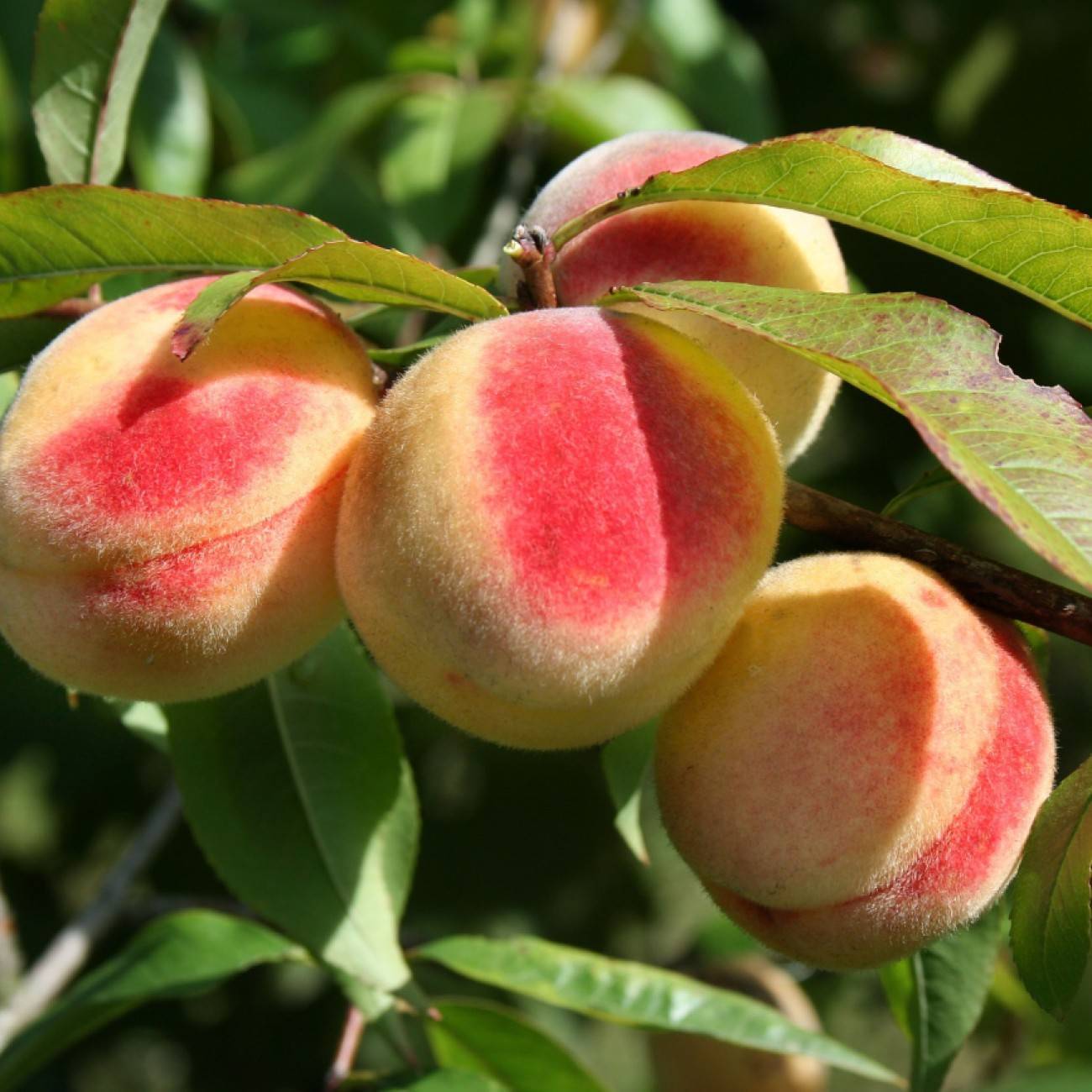
Dwarf Peach
Prunus persica var. persica 'dwarf cultivar'
David S. Peach
Prunus persica 'David S'
Cherry
Prunus subg. Cerasus