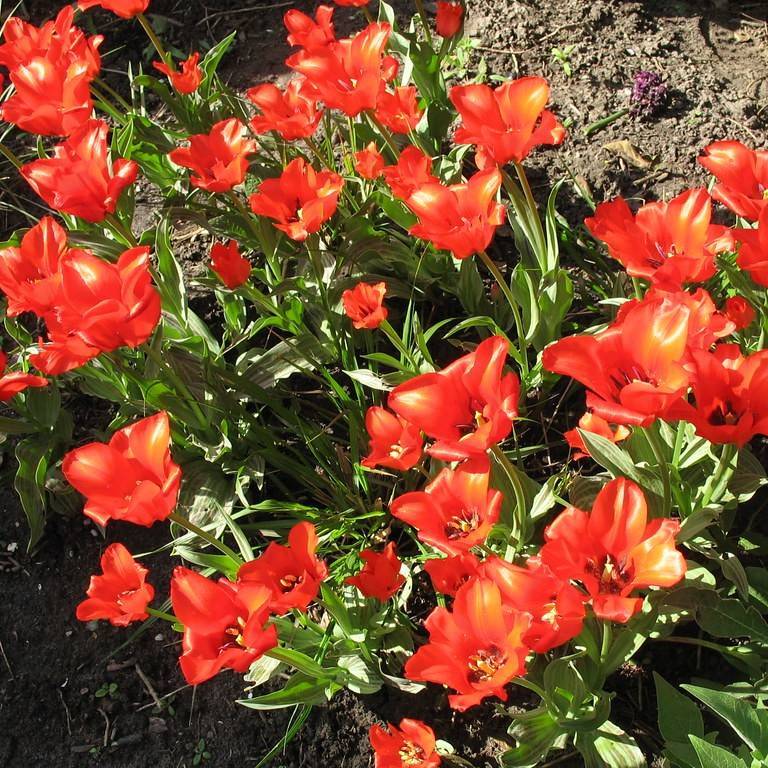
Greigii Tulip
Tulipa greigii
Overview
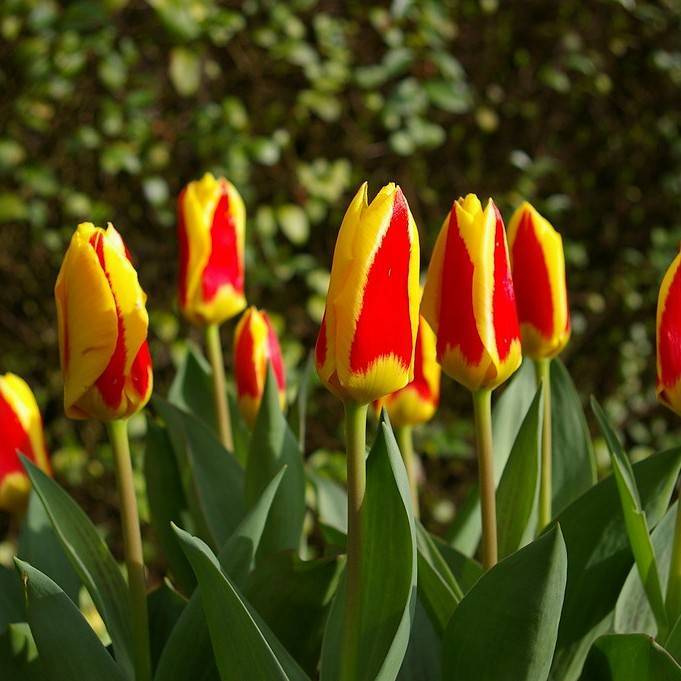
Greigii tulips are a low-growing species tulip group celebrated for their decorative, purple-mottled or striped leaves that add visual interest even before flowers open. They produce large, wide, often fragrant blooms in shades of red, orange, yellow, pink, and bicolor combinations, typically held on sturdy stems that resist wind and rain damage. Unlike many hybrid tulips that decline after a few years, Greigii tulips naturalize well in suitable conditions, returning and multiplying annually for consistent spring displays. They are among the earliest tulip varieties to bloom, often emerging alongside crocuses and daffodils in late winter to early spring.
Care Guide
Watering
Water newly planted bulbs deeply in fall to encourage root establishment, then avoid overwatering during winter dormancy to prevent bulb rot. During active growth in spring, provide 1 inch of water per week if rainfall is insufficient, ceasing watering once foliage yellows and dies back. Potted Greigii tulips require more frequent watering, allowing the top 1 inch of soil to dry out between sessions.
Light
Greigii tulips thrive in full sun, requiring a minimum of 6 hours of direct, unfiltered sunlight daily to produce strong stems and vibrant blooms. They can tolerate light partial shade, especially in regions with very hot spring sun, but too much shade will cause lanky growth and reduced flowering. For indoor forcing, place potted bulbs in a bright south-facing window once shoots emerge.
Soil
These tulips prefer well-drained, fertile, sandy loam soil with a neutral to slightly alkaline pH between 6.0 and 7.5. Heavy clay soils that hold moisture will cause bulb rot, so amend with compost, perlite, or coarse sand to improve drainage before planting. Avoid waterlogged sites, even during dormancy, as excess moisture will kill bulbs over winter.
Fertilizer
Apply a balanced, slow-release bulb fertilizer at planting time in fall, working it into the top 3 inches of soil around the bulbs to avoid direct contact that can burn root tissue. Fertilize again lightly in early spring when new shoots emerge, using a low-nitrogen formula to encourage flower production rather than excessive foliage growth. No fertilizer is needed after blooms fade, as the foliage will naturally photosynthesize to store energy in the bulb for the next year.
Temperature
Greigii tulips require 12 to 16 weeks of cold temperatures between 35-45°F (2-7°C) during winter dormancy to trigger proper flowering in spring. They are winter hardy in USDA zones 3 through 8, tolerating winter lows as low as -30°F (-34°C) when planted at the correct depth. In regions with mild winters without consistent cold, bulbs should be pre-chilled in a refrigerator for 12 weeks before planting for successful blooms.
Pruning
Deadhead spent blooms immediately after they fade, cutting the flower stem just below the bloom to prevent the plant from expending energy on seed production. Do not cut back or remove foliage until it has fully yellowed and died back naturally, usually 6 to 8 weeks after flowering ends, as the leaves photosynthesize to replenish the bulb’s energy stores for the next growing season. Remove any yellowed, diseased, or damaged foliage as it appears to reduce the risk of fungal spread.
Propagation
Greigii tulips are most commonly propagated by separating the small offset bulbs that form around the base of the main parent bulb every 2 to 3 years. Dig up clumps after foliage has died back in late summer, gently separate offsets from the parent bulb, and replant them immediately at the same depth as mature bulbs, spacing them 3 to 4 inches apart. Offsets will take 1 to 2 years to reach flowering size, so plant them in a nursery bed or designated area until they are large enough to produce blooms.
Humidity
Greigii tulips prefer low to moderate humidity levels between 30% and 50%, as high humidity increases the risk of fungal diseases such as botrytis blight and bulb rot. Ensure planting sites have good air circulation to reduce moisture buildup around foliage and bulbs, especially during cool, wet spring weather. Indoor forced tulips tolerate average household humidity levels well, as long as they are not placed near humidifiers or steamy areas like bathrooms.
Repotting
Potted Greigii tulips grown for forcing are typically discarded after flowering, but if you wish to save the bulbs, repot them into fresh, well-drained bulb soil every 2 to 3 years in late summer during dormancy. Choose a pot with drainage holes that is at least 6 inches deep, planting bulbs 4 to 5 inches deep with the pointed end facing up, spaced 2 inches apart. After repotting, water lightly and place the pot in a cool, dark area for the required cold period before bringing it into warmth to trigger growth.
Uses & Symbolism
Greigii tulips are popular for rock gardens, border edges, container plantings, and spring bulb lawns, where their dwarf size and early blooms add bright pops of color to small spaces. Their sturdy stems and long-lasting blooms make them excellent cut flowers for small spring arrangements, lasting up to 10 days in a vase with regular water changes. They are also planted en masse in public parks and botanical gardens to create low, uniform spring color displays that return reliably each year.
Diseases & Pests
The most common diseases affecting Greigii tulips are bulb rot, caused by overly wet, poorly drained soil, and botrytis blight (tulip fire), a fungal disease that causes brown spots on foliage, distorted growth, and gray mold on blooms, especially in cool, wet conditions. Common pests include aphids, which suck sap from new growth and can spread viral diseases, and bulb mites, which feed on stored or planted bulbs, causing stunted growth and failure to flower. To prevent issues, plant in well-drained soil, space bulbs properly for air circulation, remove and destroy infected foliage immediately, and avoid planting tulips in the same site year after year to reduce pathogen buildup.
Related plants
Other plants you might like if you grow Greigii Tulip.