Jones Sedge
Carex jonesii
Overview
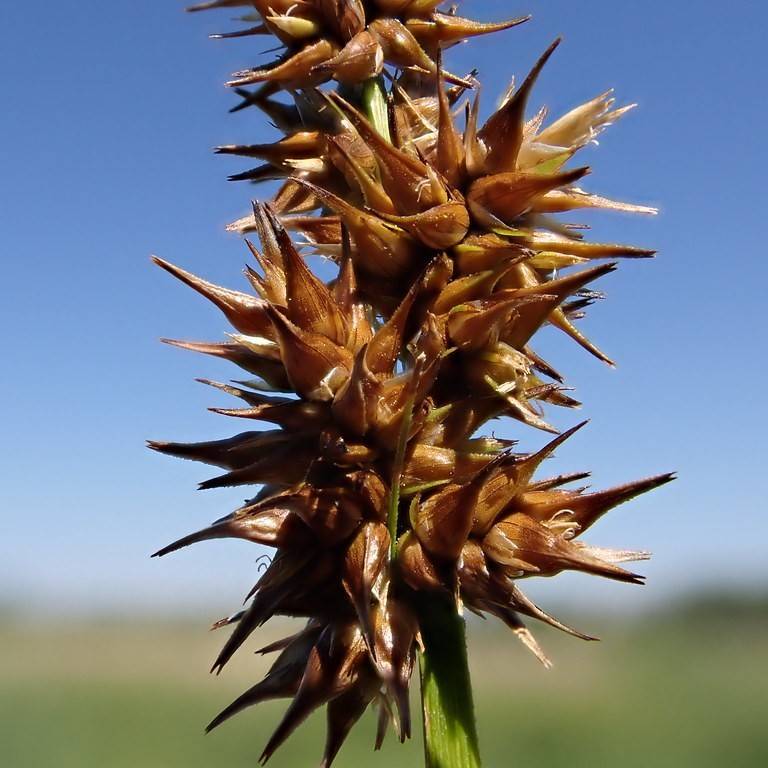
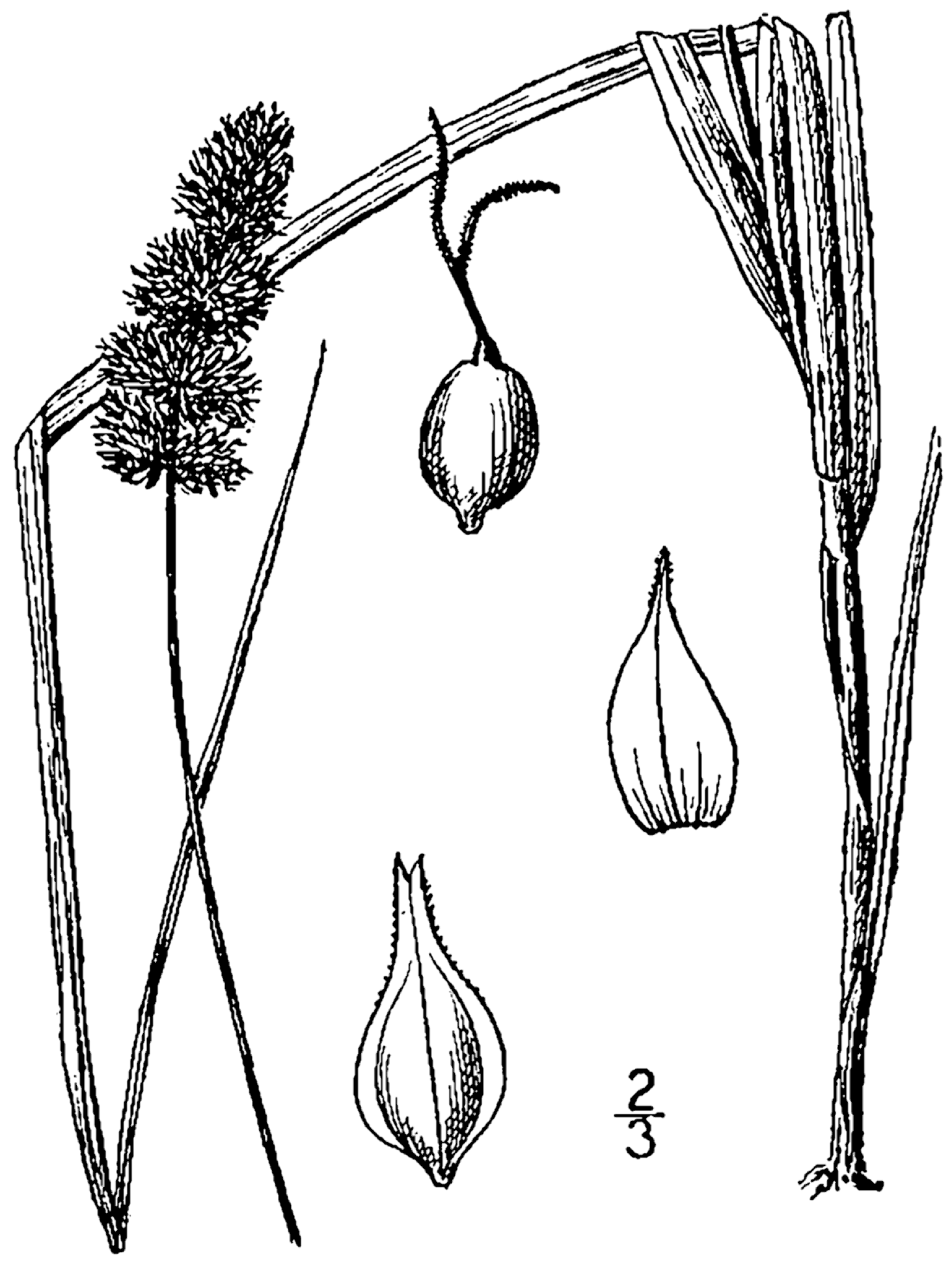
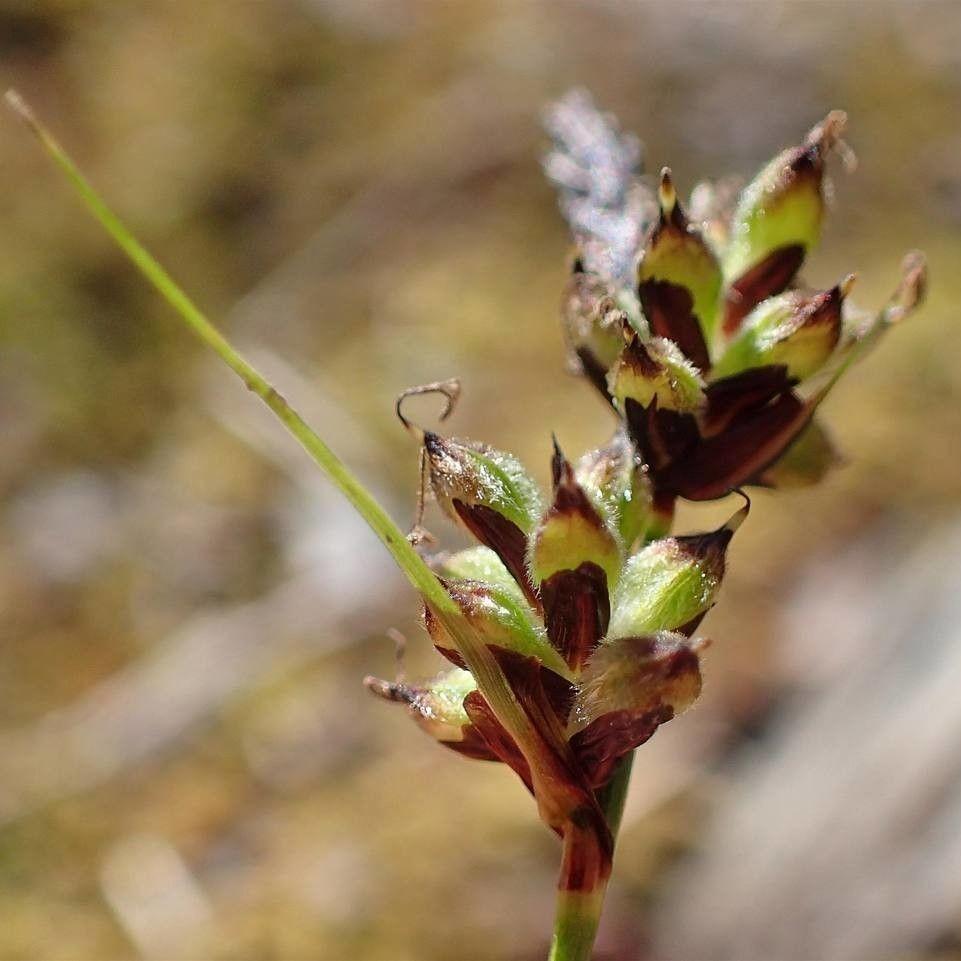
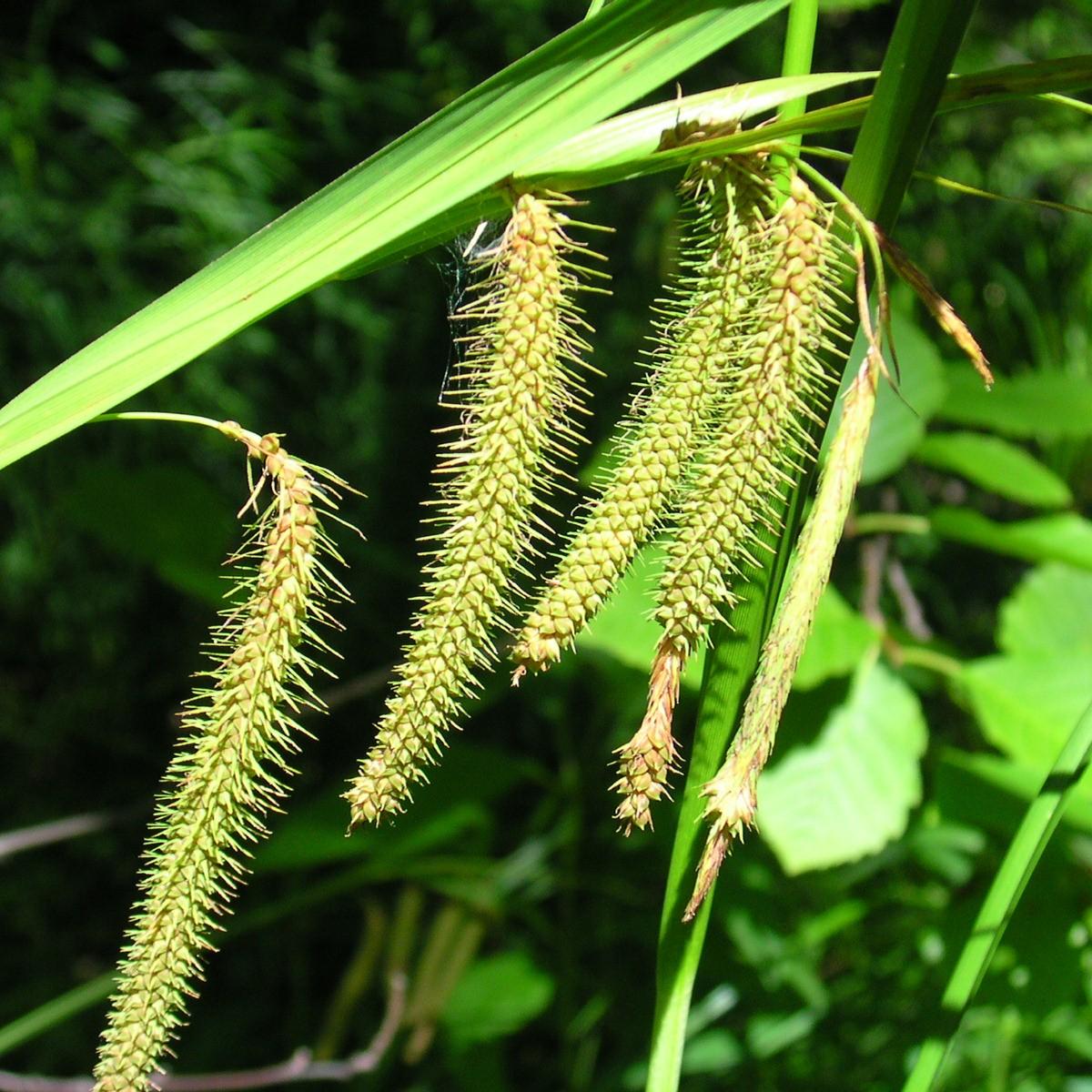
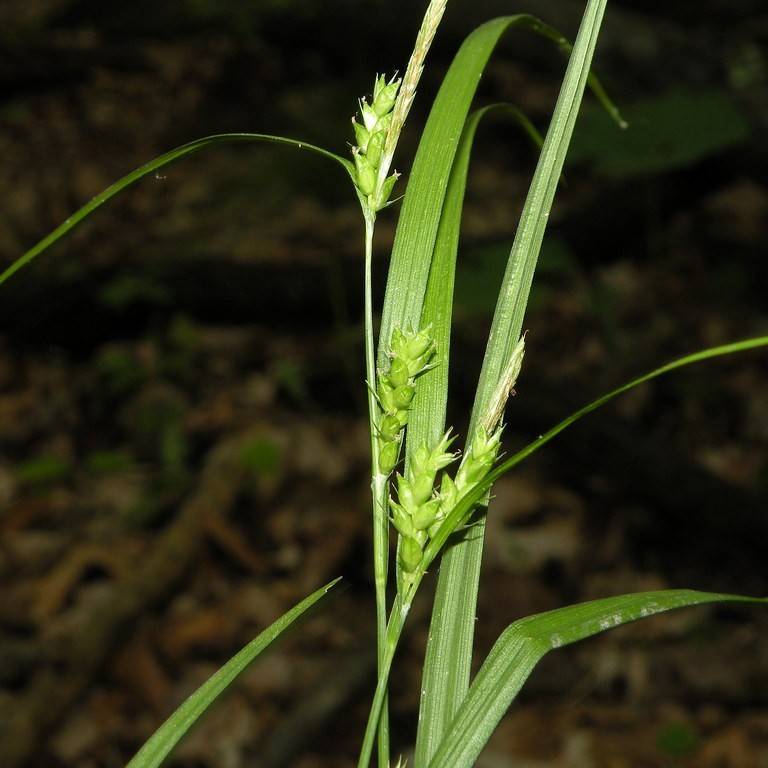
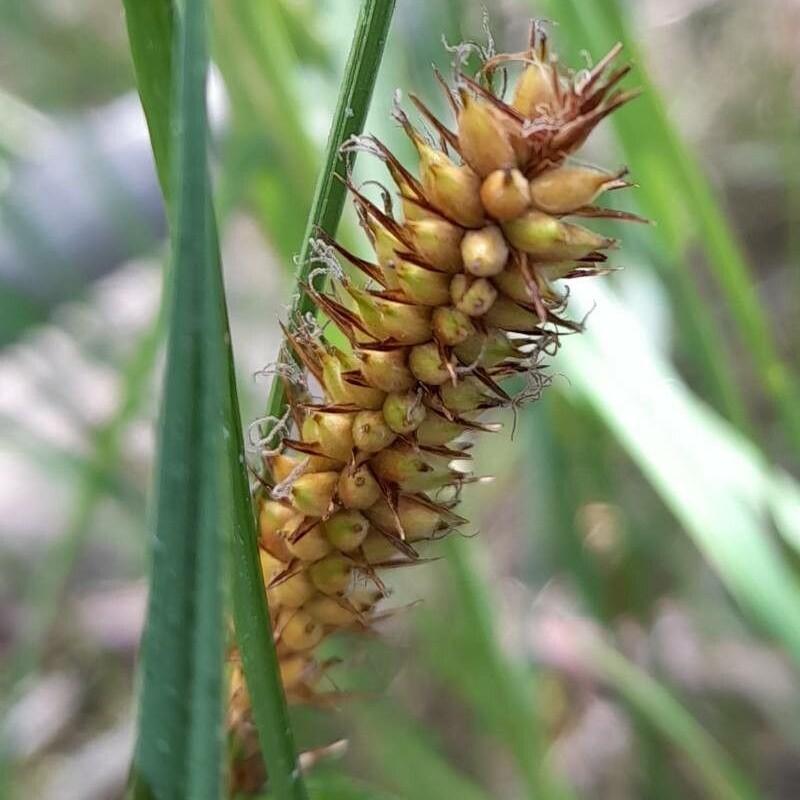
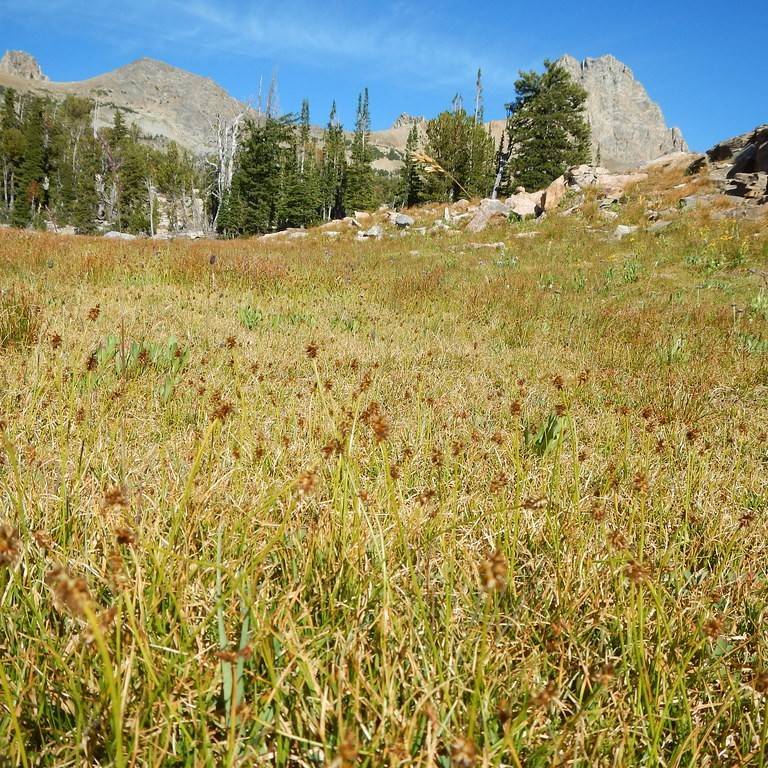
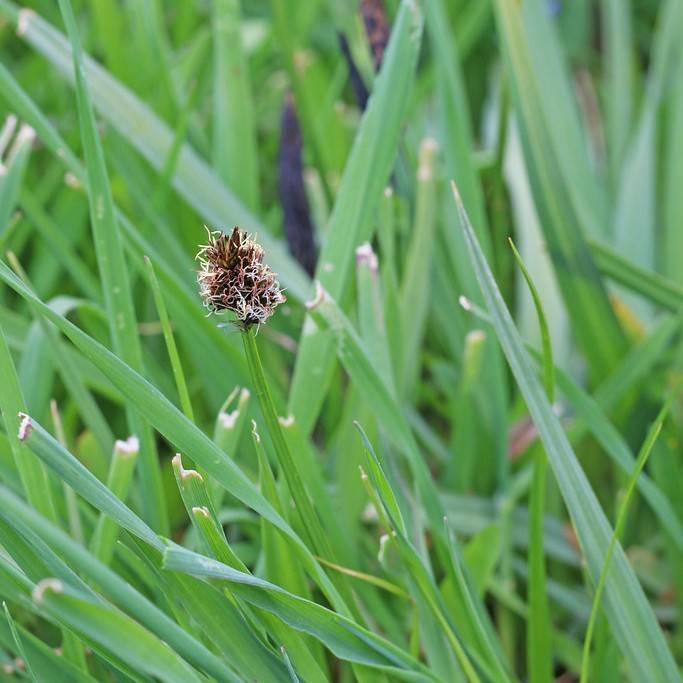
Jones Sedge is a densely tufted, evergreen sedge with narrow, arching bright green foliage that forms neat mounds. It thrives in consistently moist habitats, making it a popular choice for water-wise gardens, rain gardens, and riparian restoration projects across its native range. It produces subtle, brownish flower spikes in late spring that attract native pollinators and seed-eating birds.
Care Guide
Watering
Keep soil consistently moist to wet year-round, as Jones Sedge is adapted to damp habitats and does not tolerate prolonged drought. Water deeply 1-2 times per week in well-drained soils, or plant in areas with constant shallow water access such as pond edges. Reduce watering frequency only in cool, rainy periods to avoid oversaturating poorly draining soils.
Light
Grows best in full sun to partial shade, with optimal foliage density and flowering occurring in locations that receive 4-6 hours of direct sunlight daily. In hotter inland regions, provide afternoon shade to prevent foliage scorch and reduce moisture loss. It can tolerate heavy shade, though growth may become sparser and flowering will be reduced.
Soil
Prefers rich, loamy, slightly acidic to neutral soils with high organic matter content that retains moisture well. It adapts to a wide range of soil types including clay, silt, and sandy loam, as long as consistent moisture is maintained. It tolerates occasional flooding and poorly draining soils that would cause root rot in most other ornamental grasses.
Fertilizer
Fertilize lightly in early spring with a balanced, slow-release 10-10-10 fertilizer to support new growth, applying at half the recommended rate to avoid excess foliage growth that weakens the plant’s structure. In nutrient-rich garden soils, fertilization may only be needed every 2-3 years. Avoid high-nitrogen fertilizers, which can promote lush growth prone to pest damage.
Temperature
Hardy in USDA zones 5 to 9, tolerating winter temperatures as low as -20°F (-29°C) without significant foliage damage. It thrives in summer temperatures between 60-85°F (15-29°C), and can withstand short periods of heat above 90°F (32°C) if provided with ample moisture. Winter dormancy is minimal in mild climates, with foliage remaining evergreen year-round.
Pruning
Prune back dead or brown foliage in late winter or early spring before new growth emerges, cutting back the entire clump to 2-3 inches above the soil line to encourage fresh, dense growth. Remove any flower stalks after blooming if you prefer a neater foliage-only appearance, though leaving seed heads provides food for native birds. Trim back any stray or overhanging foliage throughout the growing season to maintain the desired clump shape.
Propagation
Propagate most easily by division in early spring or fall, digging up mature clumps and separating them into smaller sections with intact roots and foliage before replanting immediately. It can also be grown from seed sown in fall directly outdoors, as seeds require a period of cold stratification to germinate successfully. Division is the preferred method for ornamental plantings, as it preserves the parent plant’s growth habit and ensures faster establishment.
Humidity
Tolerates a wide range of humidity levels, from moderate coastal humidity to drier inland conditions, as long as soil moisture is consistently maintained. It does not require additional humidity when grown in garden settings, though it thrives in the naturally higher humidity of wetland and riparian areas. Indoor or container-grown specimens benefit from occasional misting in very dry indoor environments.
Repotting
Container-grown Jones Sedge should be repotted every 2-3 years in early spring, when roots begin to emerge from the drainage holes of the pot. Use a rich, moisture-retentive potting mix with added compost or peat moss to support healthy growth, and select a pot one size larger than the current container to accommodate root expansion. Ensure the pot has adequate drainage holes to prevent standing water from rotting the crown of the plant.
Uses & Symbolism
Jones Sedge is widely used in rain gardens, bioswales, and riparian restoration projects for its exceptional ability to stabilize soil, reduce erosion, and filter stormwater pollutants. It is planted as a low-maintenance ornamental grass in native plant gardens, where its evergreen foliage provides year-round structure and its seed heads attract native birds and beneficial pollinators. It also works well as a groundcover in damp, shaded areas where traditional turf grass struggles to grow.
Diseases & Pests
Jones Sedge is relatively pest and disease resistant, though it can be susceptible to aphids and spider mites during prolonged dry, warm periods, which can be treated with insecticidal soap or a strong jet of water to dislodge the pests. Overly saturated, poorly aerated soils may lead to root rot and fungal leaf spots, which can be prevented by ensuring adequate soil drainage and avoiding overcrowding of plants. Rust may occasionally appear on foliage in humid conditions, which can be managed by removing affected leaves and improving air circulation around the clumps.
Related plants
Other plants you might like if you grow Jones Sedge.