Amabilis Fir
Abies amabilis
Overview
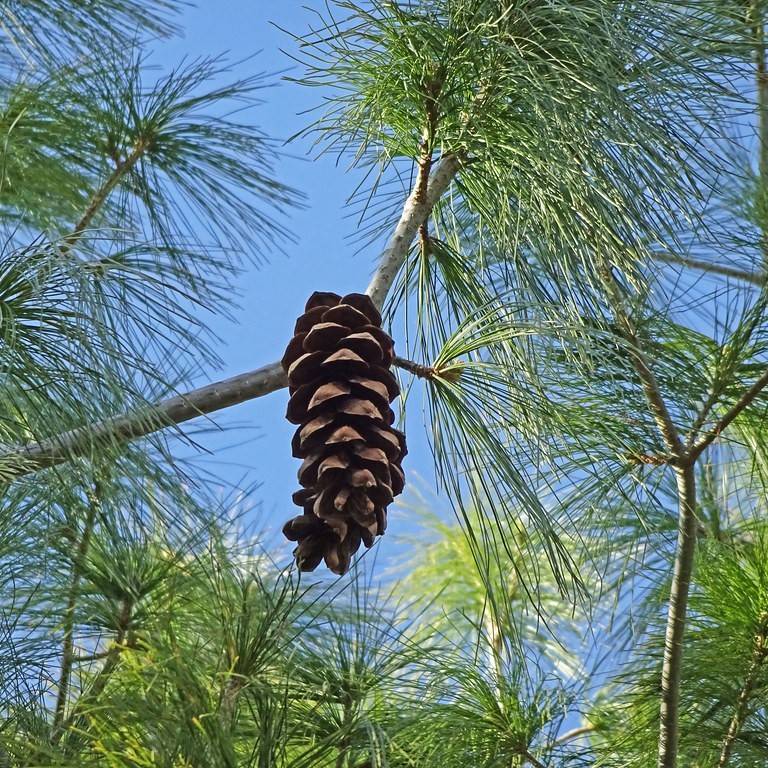
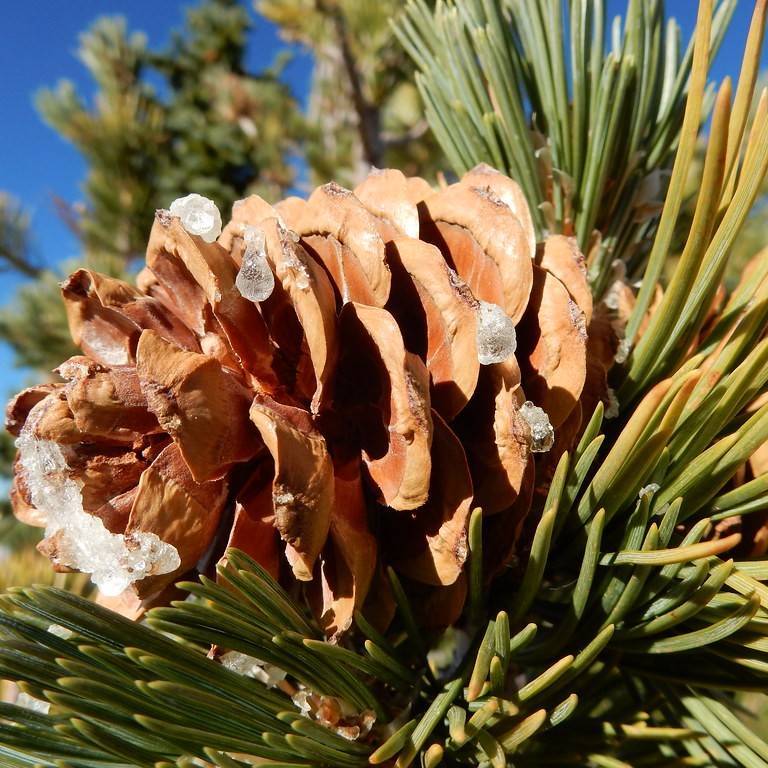
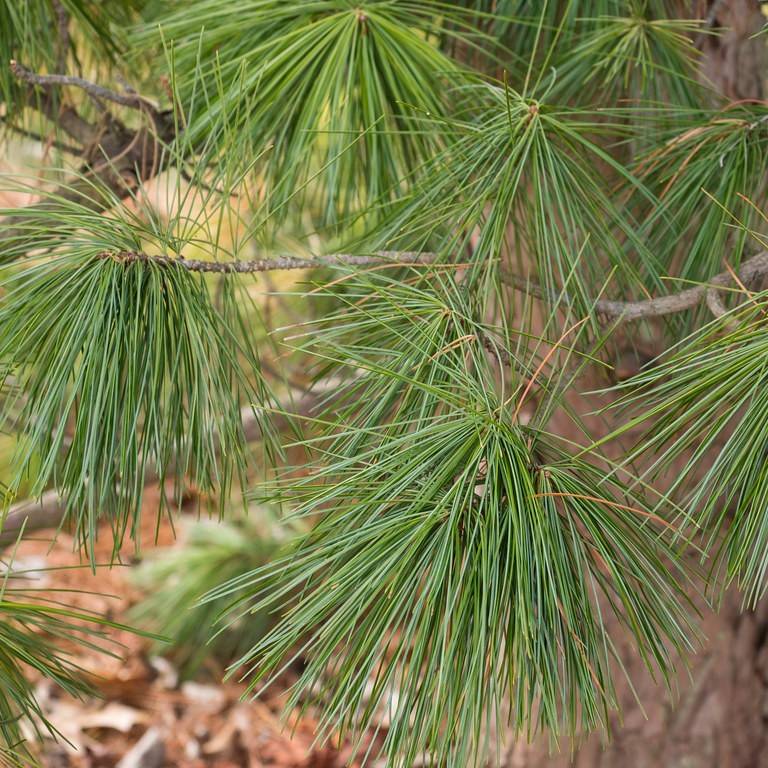
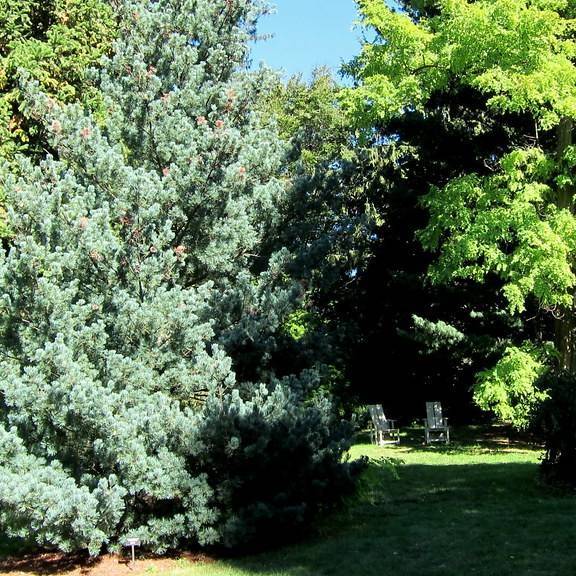
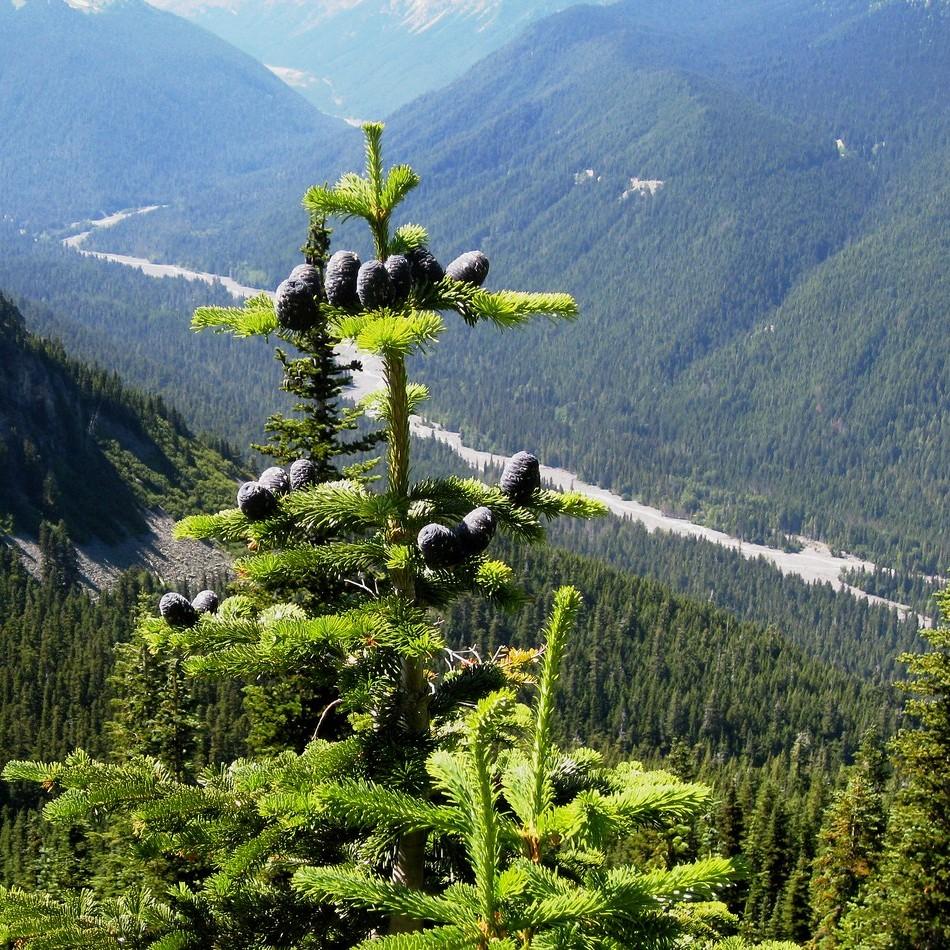
The Amabilis Fir, also called the Pacific Silver Fir, is a long-lived conifer recognized for its dense, pyramidal growth habit and soft, flat needles with a distinct silvery-white underside. In its native mountainous habitat, it can live for over 400 years, forming a key component of old-growth temperate rainforest ecosystems. It is widely cultivated for ornamental use in cool, temperate regions for its attractive, year-round foliage and stately form.
Care Guide
Watering
Water young Amabilis Fir trees regularly to keep soil consistently moist but not waterlogged, especially during dry periods for the first 3-5 years after planting. Mature trees are moderately drought tolerant, but benefit from supplemental watering during extended hot, dry spells to prevent needle browning. Avoid overhead watering near the base of the trunk to reduce the risk of root rot.
Light
Amabilis Fir grows best in full sun to partial shade, with young trees tolerating heavier shade than mature specimens. In hotter, drier parts of its cultivated range, provide afternoon shade to prevent foliage scorch and reduce water stress. Too much deep shade will cause sparse, leggy growth and reduce the tree's characteristic symmetrical form.
Soil
This fir thrives in deep, well-drained, acidic soil with a pH between 4.5 and 6.0, rich in organic matter such as decomposed conifer needles. It does not tolerate heavy clay, compacted, or alkaline soils, which can cause nutrient deficiencies and root rot. Amend planting sites with peat moss or well-rotted pine bark to improve drainage and adjust pH if needed.
Fertilizer
Feed young Amabilis Fir trees annually in early spring with a slow-release, balanced evergreen fertilizer formulated for acid-loving plants to support steady growth. Mature trees typically do not require regular fertilization if grown in nutrient-rich soil, though a light application of acidic fertilizer can be applied if growth is stunted or foliage appears yellow. Avoid fertilizing after mid-summer, as this can stimulate tender new growth that is vulnerable to frost damage.
Temperature
Amabilis Fir is adapted to cool, moist climates, thriving in USDA hardiness zones 5 through 7, with some hardy selections surviving in zone 4 with winter protection. It does not tolerate high heat and humidity well, suffering from foliage scorch and stress in areas with sustained summer temperatures above 85°F (29°C). Winter temperatures as low as -20°F (-29°C) are well tolerated by mature, established specimens.
Pruning
Prune Amabilis Fir only to remove dead, damaged, or diseased branches, which can be done at any time of year. To maintain a dense, compact form, lightly shear new growth in late spring before the needles fully harden, taking care not to cut back into old, bare wood which will not regrow. Avoid heavy pruning, as this can permanently disfigure the tree's natural pyramidal shape.
Propagation
Amabilis Fir is most commonly propagated from seed, which requires 30-90 days of cold stratification to break dormancy before sowing in moist, sterile seed starting mix in early spring. Cuttings can also be taken from young, healthy lateral branches in late winter, rooted in acidic rooting medium under high humidity, though success rates are typically lower than seed propagation. Grafting onto compatible fir rootstock is used for specific ornamental cultivars to preserve desired traits.
Humidity
This species prefers high humidity levels of 60% or higher, typical of its native Pacific Northwest rainforest habitat. In drier climates, regular misting or placement of a humidifier near young, container-grown specimens can help prevent needle desiccation. Low indoor humidity often causes browning of needle tips when grown as a potted Christmas tree.
Repotting
Container-grown Amabilis Fir, often sold as small Christmas trees, should be repotted every 2-3 years in early spring before new growth emerges, using a well-drained, acidic potting mix formulated for conifers. Choose a pot only 2-3 inches larger than the current root ball to avoid excess soil moisture that can cause root rot. Once trees outgrow container size, they should be transplanted to an outdoor landscape location for long-term health.
Uses & Symbolism
Amabilis Fir is widely grown as an ornamental landscape tree in cool, temperate regions, prized for its symmetrical form and attractive silvery foliage that adds year-round interest to large gardens and parks. It is also a popular Christmas tree choice, valued for its soft needles, strong branches, and pleasant, mild resin scent. In its native range, its strong, light wood is used for construction, paper pulp, and specialty woodworking projects.
Diseases & Pests
Amabilis Fir is susceptible to root rot caused by Phytophthora fungi, particularly in poorly drained, waterlogged soils, leading to yellowing foliage, stunted growth, and eventual tree death. Common pests include balsam woolly adelgids, which feed on sap and cause twig distortion and dieback, and spruce budworms, which consume new needles and can defoliate large sections of the tree over time. Needle cast fungi can also infect foliage in overly wet, humid conditions, causing premature needle drop and thinning of the canopy.
Related plants
Other plants you might like if you grow Amabilis Fir.