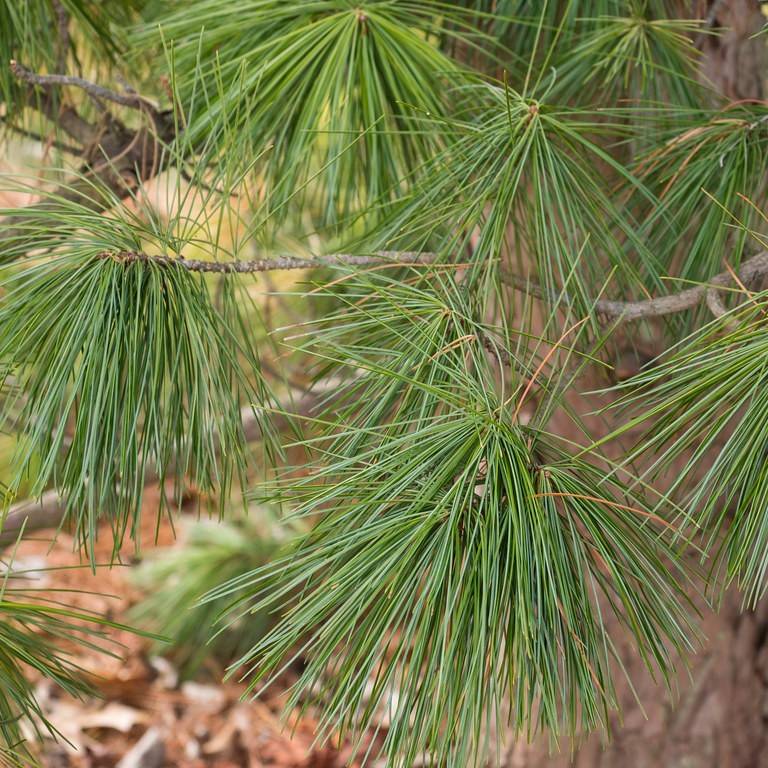
Chinese Pine
Pinus tabuliformis
Overview
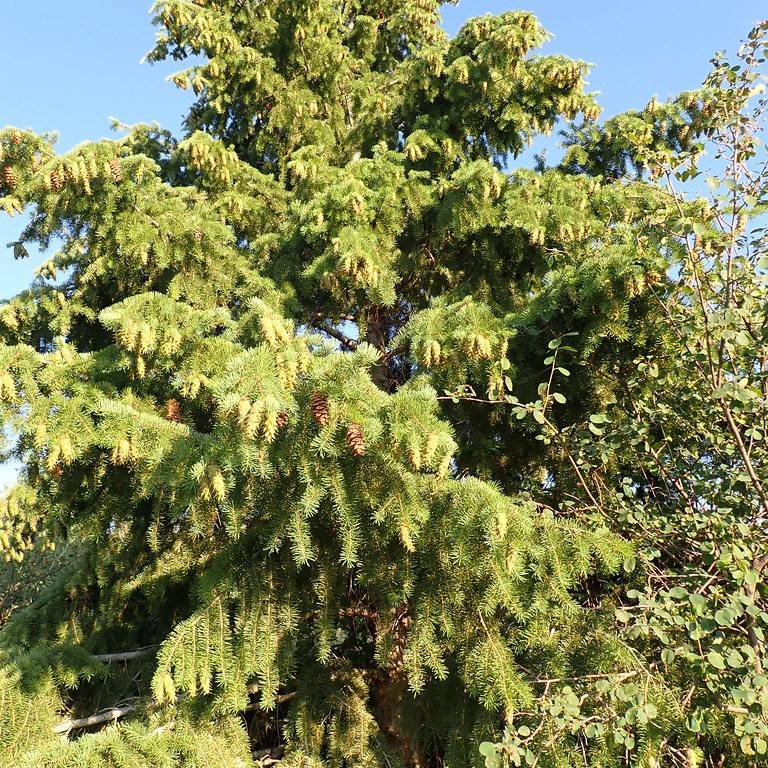
Chinese pine, also called Manchurian red pine, is a rugged evergreen conifer distinguished by its dark gray, fissured bark, paired stiff dark green needles, and distinctive flat, spreading crown that develops as it matures. It is highly adapted to cold, dry climates and poor, rocky soils, making it a staple for erosion control and reforestation projects across its native range. Wild specimens can live for over 500 years, with some ancient trees in China protected as cultural landmarks.
Care Guide
Watering
Chinese pine is highly drought tolerant once established, requiring only occasional deep watering during extended dry periods; overwatering, especially in poorly drained soil, will quickly lead to root rot. Young saplings need regular, moderate watering to support root development, allowing the top 2 to 3 inches of soil to dry out completely between waterings. In winter, reduce watering drastically to prevent moisture-related stress in cold conditions.
Light
This conifer thrives in full, direct sunlight, requiring a minimum of 6 hours of unfiltered light per day to maintain dense, healthy foliage and its characteristic growth form. It will tolerate very light partial shade, but prolonged low light will cause sparse, leggy growth and increased susceptibility to pest infestations. When grown as a container or bonsai specimen, place it in a south-facing location with unobstructed sun exposure year-round.
Soil
Chinese pine prefers well-drained, acidic to neutral sandy or loamy soil with a pH range of 5.0 to 7.5, and it can tolerate poor, rocky, or low-nutrient soils that are unsuitable for most other tree species. It will not survive in heavy, waterlogged clay soils that hold moisture around the root zone for extended periods. For container or bonsai cultivation, use a gritty, fast-draining mix formulated for conifers, with added perlite or pumice to improve aeration.
Fertilizer
Mature Chinese pines require very little fertilization, as they are adapted to low-nutrient soils; an annual application of a balanced, slow-release evergreen fertilizer in early spring is sufficient to support healthy growth. Young saplings can benefit from a light application of nitrogen-rich fertilizer once per growing season to encourage root and foliage development, but avoid overfertilizing, which can cause excessive, weak growth. Do not fertilize in late fall or winter, as this can stimulate new growth that will be damaged by cold temperatures.
Temperature
This cold-hardy species thrives in temperate climates, tolerating winter temperatures as low as -30°F (-34°C) and summer highs up to 100°F (38°C) when established. It requires a period of cold winter dormancy to maintain healthy growth cycles, making it unsuitable for tropical or frost-free regions that do not experience consistent cool winter temperatures. Young saplings may need temporary winter protection from harsh, drying winds to prevent needle burn in their first 2 to 3 years after planting.
Pruning
Prune Chinese pine in late winter or early spring during dormancy to remove dead, damaged, or diseased branches, and to shape the tree as desired; avoid heavy pruning, as this species does not regrow easily from old, bare wood. For bonsai specimens, perform needle plucking and selective pruning of new candles in late spring to control growth and maintain the desired form. Always use clean, sharp pruning tools to prevent the spread of fungal pathogens through cut surfaces.
Propagation
Chinese pine is most commonly propagated from seeds, which require a 30 to 90 day period of cold stratification to break dormancy before sowing in well-drained, sandy seed starting mix. Cuttings are rarely successful for this species, as they root very slowly and inconsistently, even with the use of rooting hormone and controlled humidity conditions. Grafting onto hardy pine rootstock is sometimes used for selected cultivars, particularly for bonsai specimens with desirable growth traits.
Humidity
Chinese pine adapts well to a wide range of humidity levels, tolerating the dry air of arid regions and the moderate humidity of its native mountain habitats without issue. In excessively high, prolonged humidity, ensure good air circulation around the tree to prevent fungal infections of the needles and bark. When grown indoors as a bonsai, occasional misting during the winter heating season can help prevent excessive needle dryness, but it is not required for healthy growth.
Repotting
Young container-grown Chinese pines and bonsai specimens should be repotted every 2 to 3 years in early spring, just before new growth emerges, to refresh the soil and prevent root binding. Mature specimens only need repotting every 5 to 7 years, as they prefer slightly root-bound conditions that slow growth and make maintenance easier. When repotting, trim no more than 25% of the root mass, and use a fast-draining conifer soil mix to avoid root rot.
Uses & Symbolism
Chinese pine is widely planted for reforestation and erosion control across northern China, as its deep root system stabilizes soil on steep slopes and degraded land. Its durable, resinous wood is used for construction, furniture making, and paper production, while its resin, needles, and bark have long been used in traditional Chinese medicine to treat coughs, rheumatism, and skin conditions. It is also a popular specimen for bonsai cultivation, valued for its rugged texture, adaptive growth, and long lifespan.
Diseases & Pests
Chinese pine is susceptible to pine wilt disease, a fatal condition spread by pine sawyer beetles that causes rapid yellowing of needles and tree death within months of infection. Needle blight, a fungal disease, causes brown, spotted needles and premature defoliation, especially in wet, humid conditions with poor air circulation. Common pests include pine aphids, scale insects, and pine caterpillars, which feed on foliage and can weaken the tree if infestations are left untreated.
Related plants
Other plants you might like if you grow Chinese Pine.
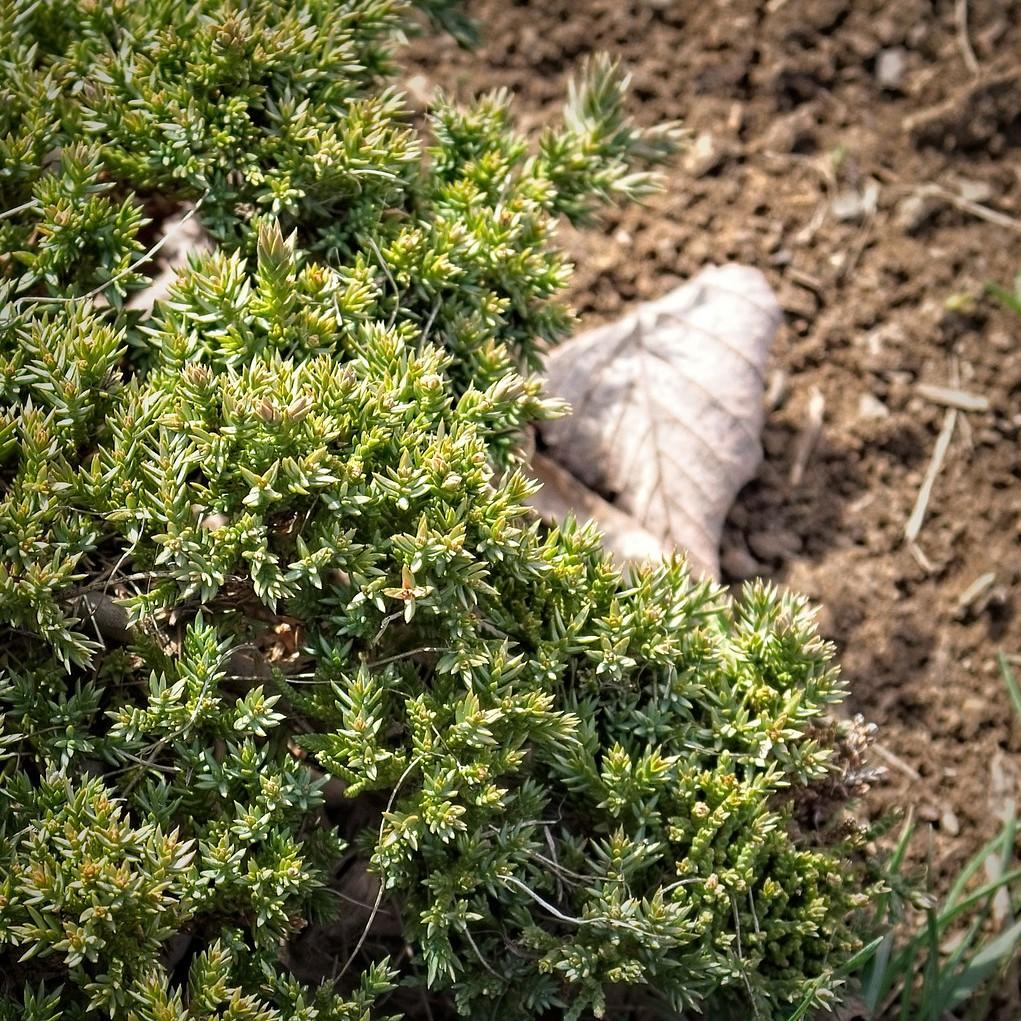
Japanese Garden Juniper
Juniperus procumbens
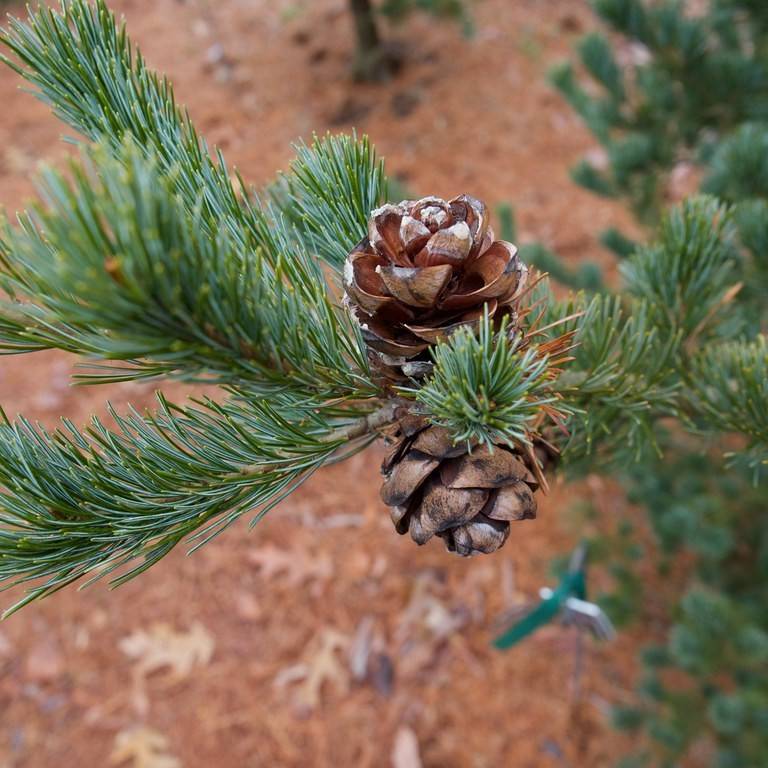
Japanese White Pine
Pinus parviflora
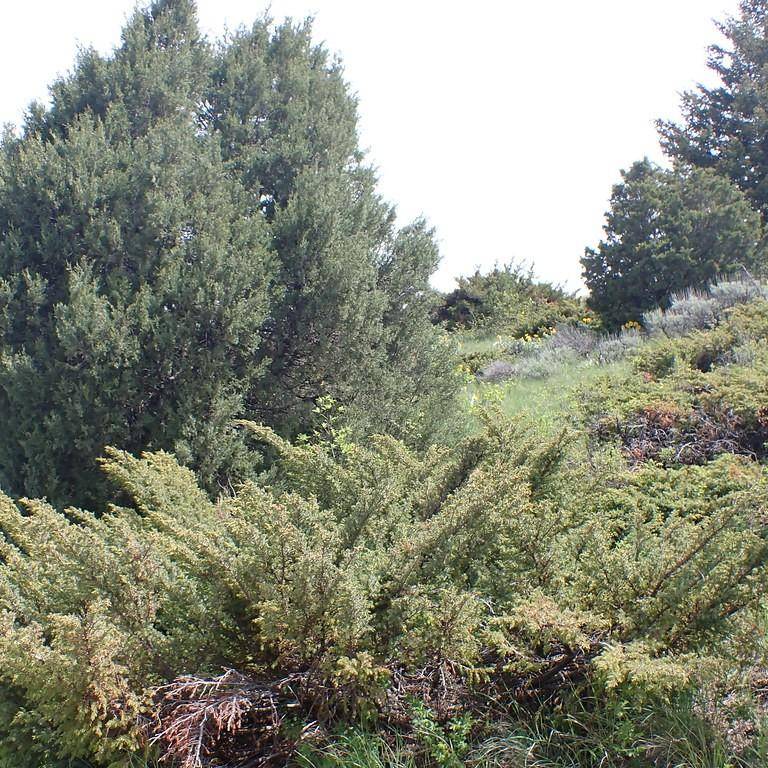
Creeping Juniper
Juniperus horizontalis
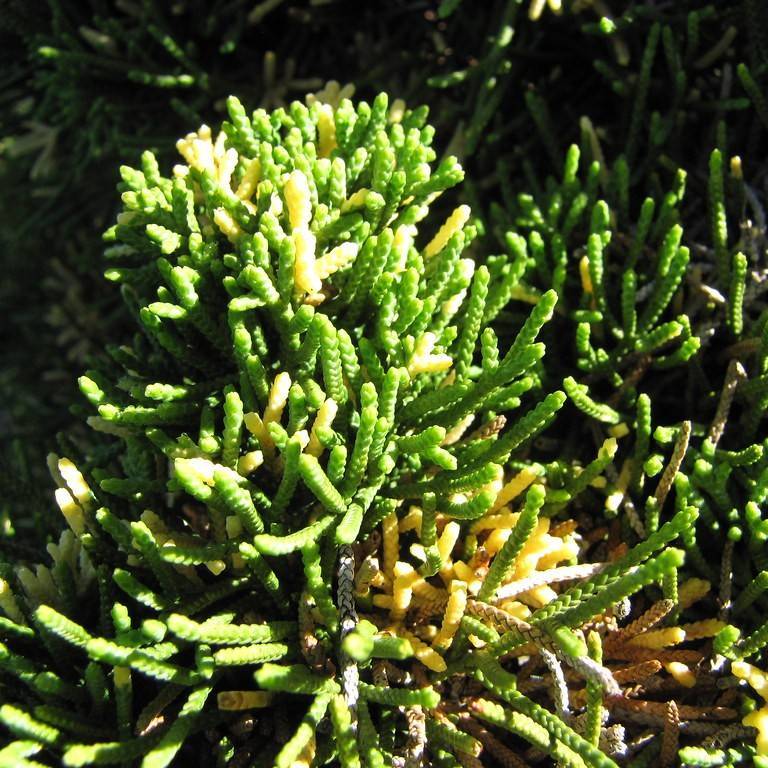
Hollywood Juniper
Juniperus chinensis 'Torulosa'
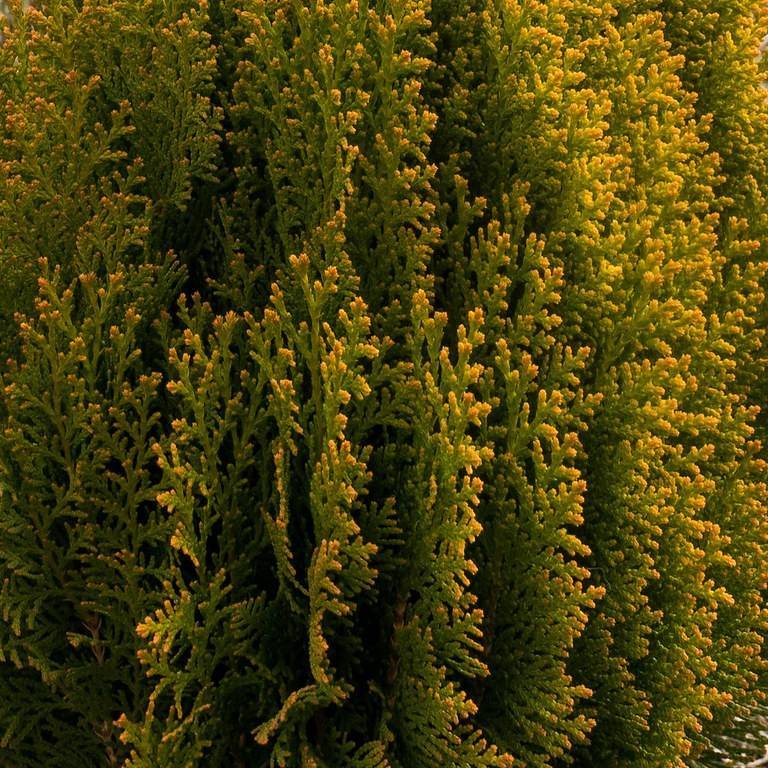
Chinese Arborvitae
Platycladus orientalis
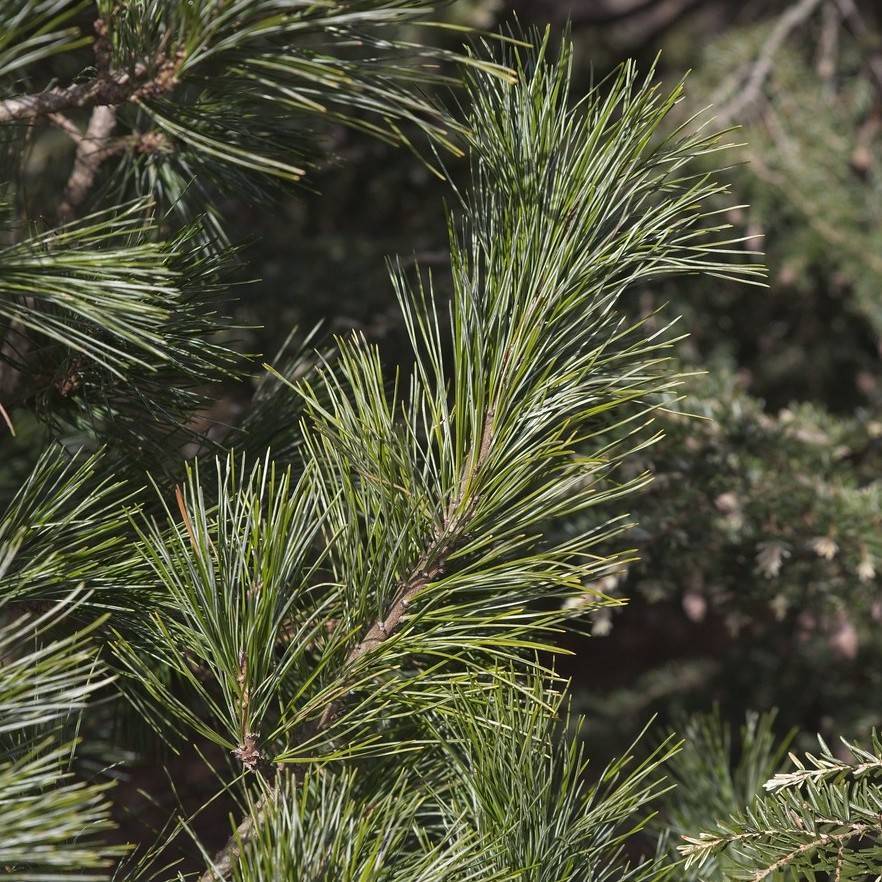
Dwarf Mountain Pine
Pinus mugo var. pumilio
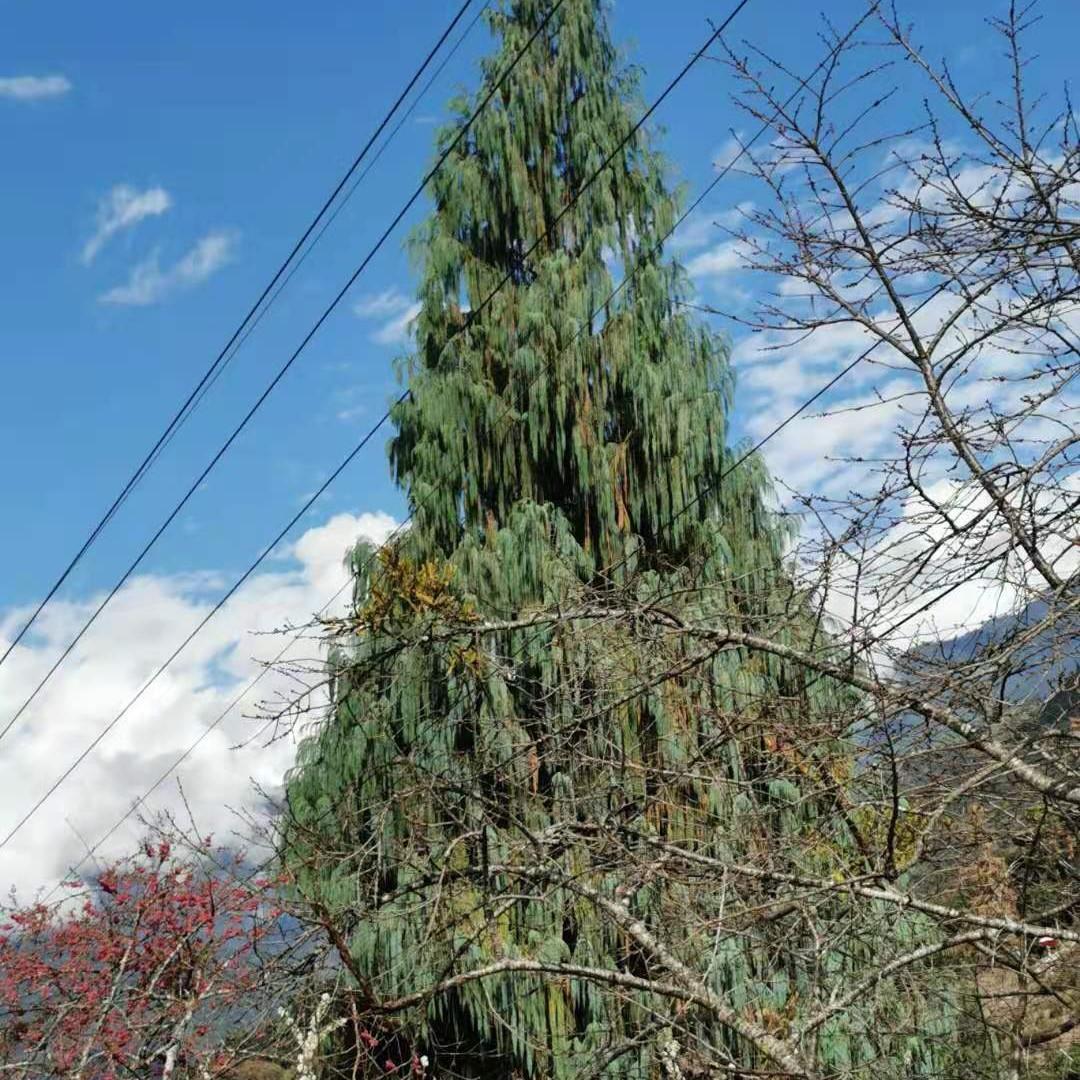
Coffin Juniper
Juniperus horizontalis 'Wiltonii'
Common Juniper
Juniperus communis