Himalayan Pine
Pinus wallichiana
Overview
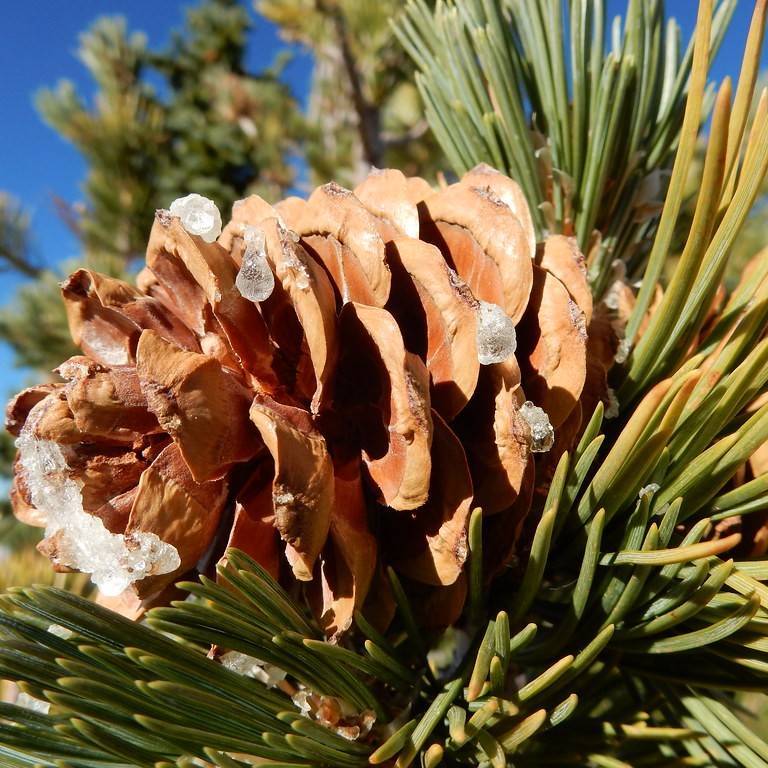
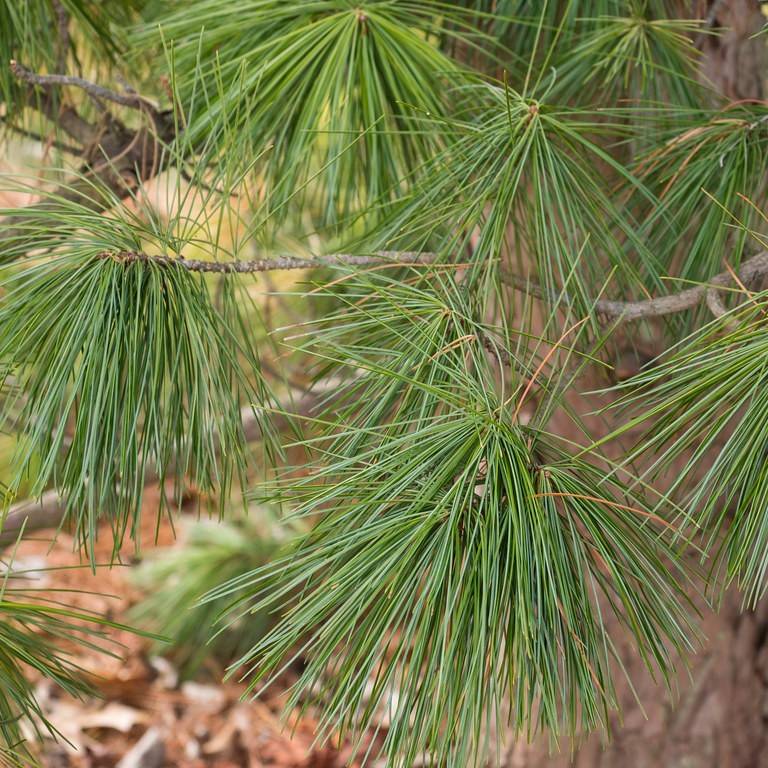
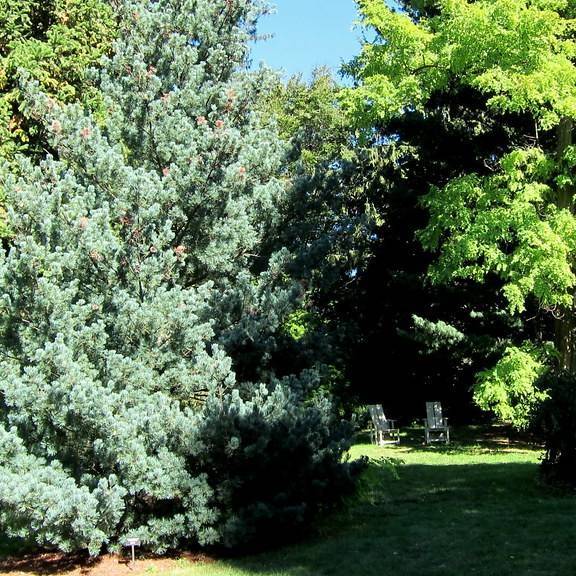
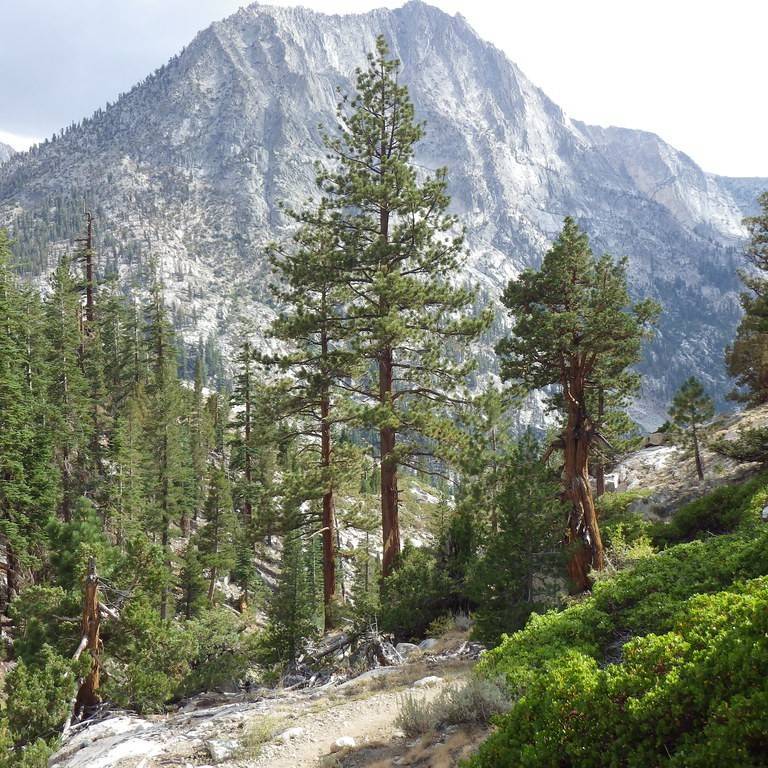
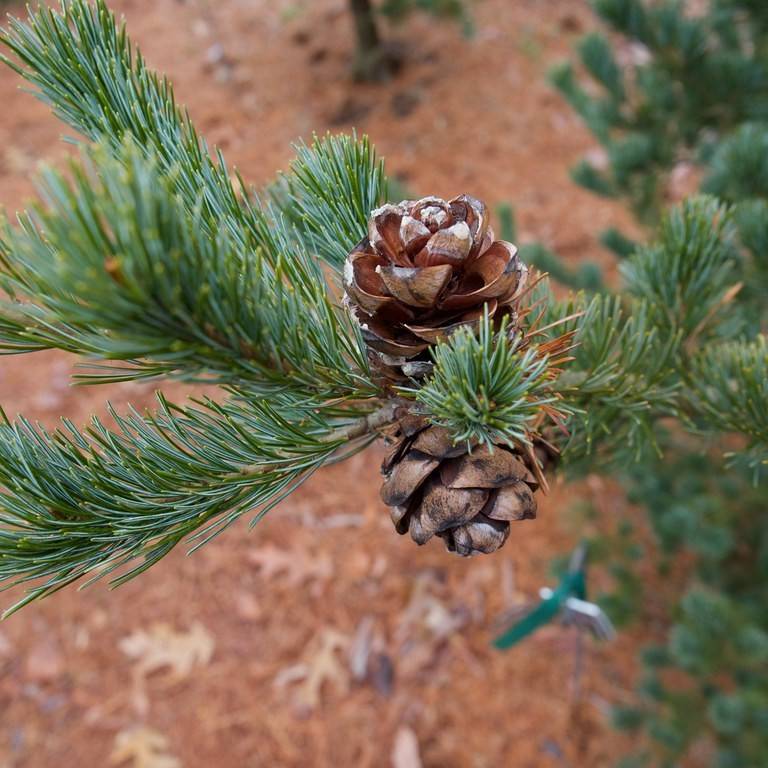
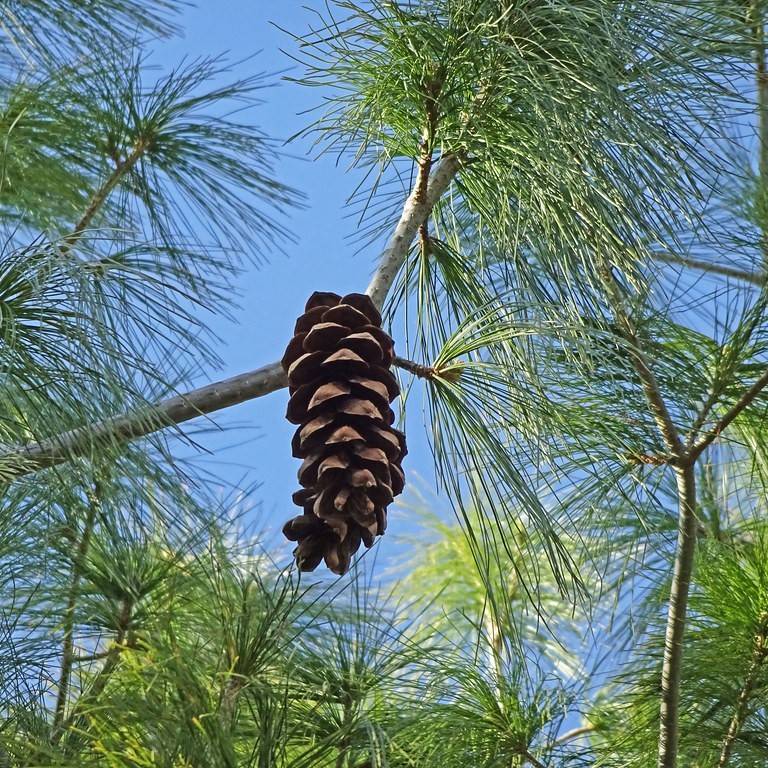
Himalayan pine, also called Bhutan pine, is distinguished by its soft, glossy 5-8 inch (12-20 cm) needles that grow in bundles of five, hanging in graceful clusters along slightly pendulous branches. It produces slender, 6-12 inch (15-30 cm) light brown cones that often curve downward, maturing in their second year. Adapted to cool mountain climates, it has a broad, pyramidal growth habit in youth, becoming more open and irregular with age. Its natural range occurs at elevations between 6,000 and 12,000 feet (1,800-3,600 m), where it forms part of temperate coniferous forest ecosystems.
Care Guide
Watering
Water young Himalayan pines deeply and regularly during their first 2-3 growing seasons to establish a robust root system, allowing the top 3-4 inches of soil to dry out between waterings. Mature specimens are highly drought-tolerant, requiring only occasional supplemental watering during extended periods of extreme heat or low rainfall. Avoid overwatering, especially in heavy, poorly draining soils, as this can lead to root rot and fungal disease.
Light
Himalayan pine thrives in full, direct sunlight, requiring a minimum of 6 hours of unobstructed light daily to maintain its dense, healthy foliage and characteristic pyramidal form. It can tolerate very light, dappled shade, but prolonged shade will result in sparse, leggy growth and reduced needle vibrancy. Plant in an open location away from taller, shading structures or trees for best performance.
Soil
This conifer prefers well-draining, loamy or sandy soils with a slightly acidic to neutral pH range of 5.0 to 7.0, though it can adapt to mildly alkaline soils if drainage is excellent. It cannot tolerate waterlogged or heavy clay soils, which suffocate roots and increase risk of fatal root rot. Amending heavy planting sites with organic matter or coarse sand will improve drainage and support healthy root development.
Fertilizer
Apply a balanced, slow-release evergreen fertilizer formulated for acid-loving plants in early spring, before new growth emerges, to support robust needle and branch development. Avoid fertilizing in late summer or fall, as this can stimulate tender new growth that is vulnerable to damage from early winter frost. Mature, well-established trees rarely require regular fertilization if grown in nutrient-rich soil.
Temperature
Himalayan pine is cold-hardy in USDA zones 5 to 7, tolerating winter temperatures as low as -20°F (-29°C) without significant damage. It prefers cool to mild summer temperatures, and may struggle in regions with prolonged, extreme heat above 90°F (32°C), especially when combined with high humidity. Young saplings may benefit from a light winter mulch layer around the root zone to insulate against temperature fluctuations in their first few years.
Pruning
Prune Himalayan pine only to remove dead, diseased, or broken branches, or to correct structural issues, performing all pruning in late winter before new growth begins. Avoid heavy pruning or cutting back into old, bare wood, as this species does not produce new growth on dormant, leafless branches. You can lightly trim new 'candles' (soft spring growth) by up to half their length if you wish to maintain a more compact size.
Propagation
Himalayan pine is most reliably propagated from seed, which requires a 30-90 day cold stratification period to break dormancy before sowing in well-draining, sterile seed starting mix. Softwood cuttings taken from young, healthy trees in early summer can root successfully if treated with rooting hormone and kept in high humidity under indirect light, though rooting rates are often inconsistent. Grafting onto hardy rootstock is sometimes used for specific cultivars to ensure consistent traits and faster maturity.
Humidity
This species prefers moderate humidity levels between 40% and 60%, typical of its native mountain habitats, but is highly adaptable to drier conditions once established. It may develop brown needle tips in areas with very low, sustained humidity, such as arid desert regions, but regular light misting of young trees can help mitigate this issue. It does not tolerate prolonged, high humidity above 70% well, as this increases susceptibility to fungal needle blights.
Repotting
Himalayan pine is rarely grown as a container plant long-term due to its large mature size, but young saplings intended for landscape planting can be kept in large containers for 1-2 years before transplanting. Repot container-grown specimens every 1-2 years in early spring, using a well-draining conifer potting mix and upgrading to a pot only 2-3 inches larger than the current one to avoid excess soil moisture buildup. Ensure containers have ample drainage holes to prevent root rot.
Uses & Symbolism
Himalayan pine is widely planted as an ornamental specimen tree in large landscapes, parks, and estates, valued for its graceful form, attractive blue-green foliage, and eye-catching long cones. Its strong, durable, straight-grained timber is harvested commercially in its native range for construction, furniture making, and carpentry, while its resin is used for turpentine production. It is also occasionally used for reforestation projects in cool, mountainous regions due to its hardiness and erosion control capabilities.
Diseases & Pests
Himalayan pine is susceptible to common conifer pests including pine sawflies, aphids, and pine bark beetles, which can defoliate trees or damage vascular tissue if infestations are left untreated. Fungal diseases such as needle blight, root rot, and pine rust can occur in overly wet, poorly draining soils or areas with high, sustained humidity. Proper air circulation, well-draining soil, and avoidance of overwatering significantly reduce risk of most common health issues.
Related plants
Other plants you might like if you grow Himalayan Pine.