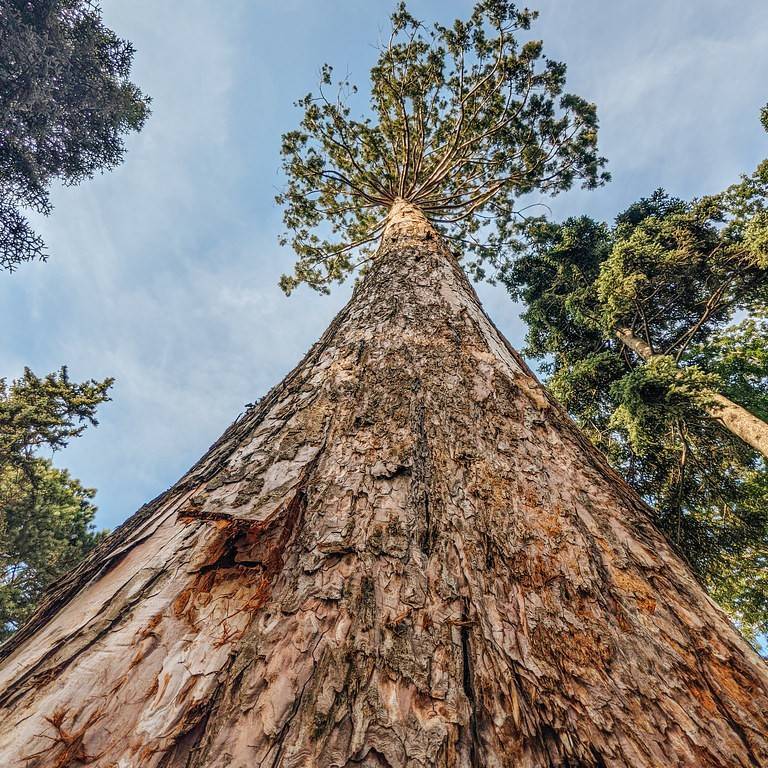
Giant Sequoia
Sequoiadendron giganteum
Overview
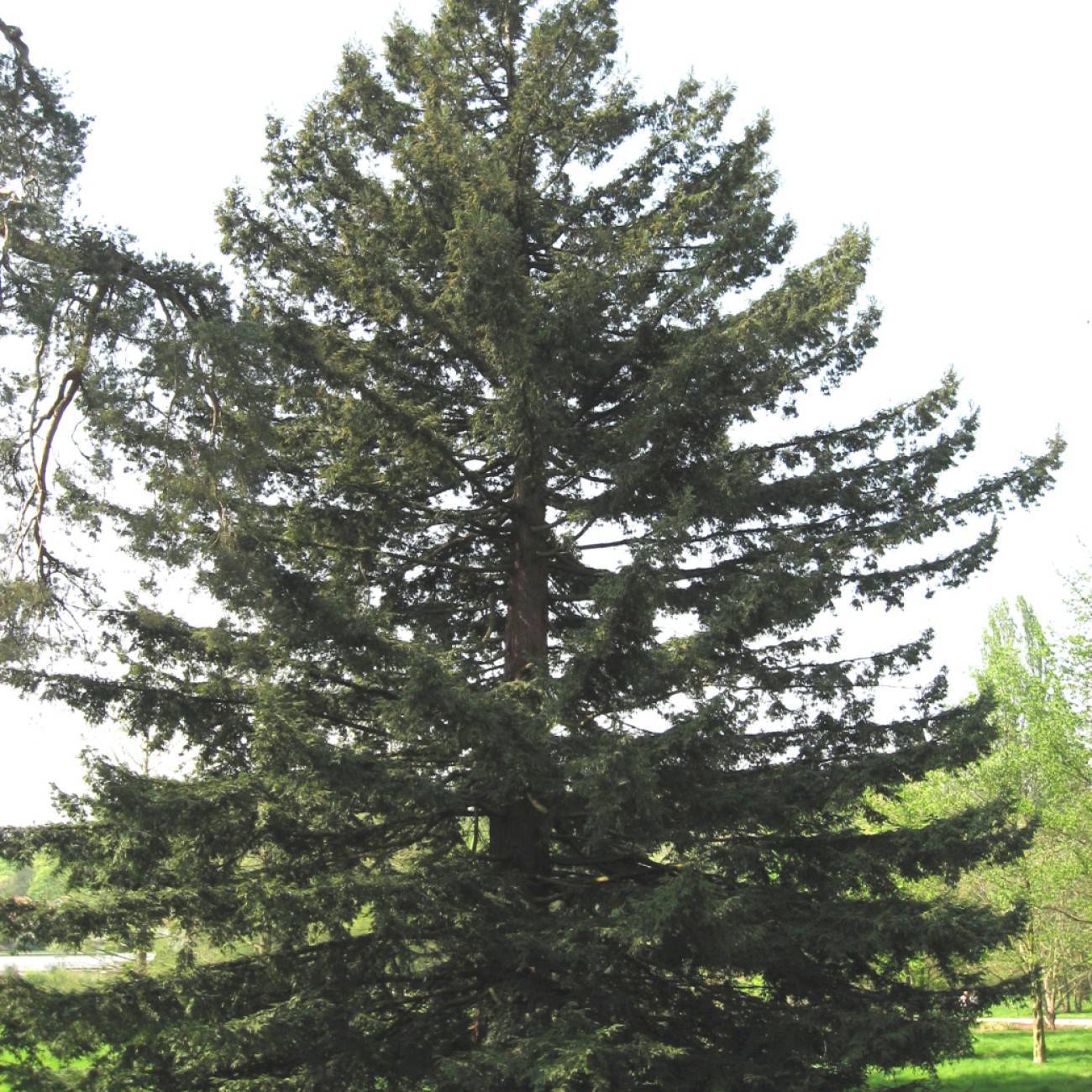
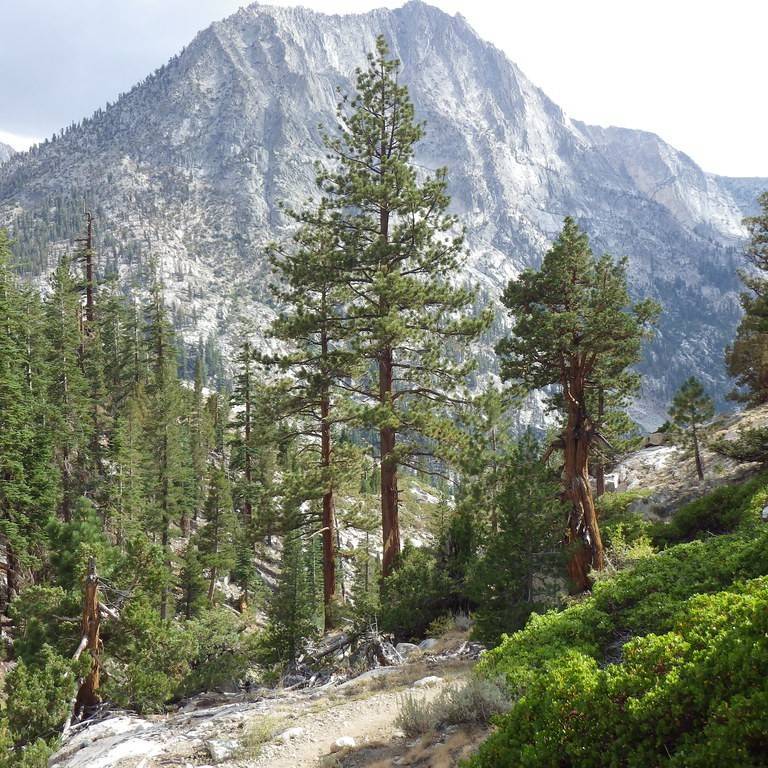
Giant sequoias are iconic conifers distinguished by their massive, reddish-brown trunks that can reach over 30 feet (9 m) in diameter, and soft, scale-like evergreen foliage. They are among the oldest living organisms, with some wild specimens recorded to be over 3,000 years old, thriving in high-elevation, montane habitats. While they are most famous for their enormous wild stands, they are also cultivated as ornamental trees in suitable temperate climates worldwide, though they never reach their full wild size in cultivation.
Care Guide
Watering
Giant sequoias require consistent moisture, especially when young, with deep, regular watering during dry periods to support their extensive root systems; avoid overwatering in poorly drained soils to prevent root rot. Mature trees are moderately drought-tolerant once established, but still benefit from occasional deep irrigation during extended dry spells to maintain foliage health. Do not allow the root zone to dry out completely for prolonged periods, especially for trees under 10 years old.
Light
This species requires full, direct sunlight for optimal growth, needing a minimum of 6 hours of unobstructed sunlight daily; it will not thrive in shaded conditions. When planting, ensure there is no overhead shade from larger structures or trees, as even young sequoias grow rapidly and need unimpeded light access to develop a strong, upright form.
Soil
Giant sequoias prefer deep, well-drained, loamy or sandy-loam soils with a slightly acidic to neutral pH between 5.5 and 7.0, though they can adapt to most soil types except heavy, waterlogged clay. They do not tolerate compacted soils, so amend heavy planting sites with organic matter such as compost or aged pine bark to improve drainage and aeration before planting. Avoid shallow, rocky soils that restrict root development, as this can limit the tree's growth and stability.
Fertilizer
Young giant sequoias benefit from a balanced, slow-release evergreen fertilizer applied once annually in early spring to support vigorous root and foliage growth, with a formulation such as 10-10-10 suitable for most sites. Mature, well-established trees rarely require fertilization, as they can access nutrients from their extensive root systems and decomposing organic matter in the soil around them. Avoid over-fertilizing, especially with high-nitrogen formulas, as this can lead to excessive, weak growth that is prone to storm damage.
Temperature
Giant sequoias are hardy in USDA zones 6 through 8, tolerating winter temperatures as low as -10°F (-23°C) and summer highs up to 100°F (38°C) when sufficient moisture is available. They require a period of cool winter dormancy to thrive, and do not perform well in consistently hot, humid tropical or subtropical climates. Young trees may need protection from extreme cold winds and frost damage in their first 2 to 3 years, such as a burlap wrap during harsh winter months.
Pruning
Giant sequoias require very little pruning; only remove dead, damaged, or diseased branches as needed, ideally during the dormant winter season to minimize sap loss and disease risk. Avoid heavy pruning of live branches, as this can disfigure the tree's natural pyramidal shape and create entry points for pathogens. If lower branches need to be removed for clearance, make clean cuts just outside the branch collar to promote fast healing.
Propagation
Giant sequoias are most commonly propagated from seeds, which require a 30 to 60 day cold stratification period to break dormancy before sowing in moist, well-drained seed starting medium. Cuttings can also be taken from semi-hardwood growth in late summer, treated with rooting hormone, and kept under high humidity and bright indirect light until roots develop, though this method has a lower success rate than seed propagation. Wild seeds often require exposure to fire to release from cones and germinate, but cultivated seeds can germinate successfully with artificial stratification.
Humidity
Giant sequoias prefer moderate to high humidity levels between 40% and 70%, mimicking their native montane environment where fog and regular precipitation are common. They can tolerate average household humidity for short periods when young, but are not suitable as long-term indoor houseplants due to their size and humidity requirements. In dry climates, occasional misting of young foliage can help prevent browning of leaf tips, especially during hot, dry summer months.
Repotting
Giant sequoias are only suitable for container growing as young saplings, requiring repotting every 1 to 2 years in early spring before new growth emerges, using a well-drained, acidic potting mix. Once they reach 3 to 4 feet (90 to 120 cm) tall, they should be planted in the ground, as they quickly outgrow containers and their root systems become restricted. When repotting, avoid disturbing the root ball excessively, and ensure the new pot has ample drainage holes to prevent waterlogging.
Uses & Symbolism
Giant sequoias are primarily planted as large ornamental specimen trees in parks, large gardens, and arboreta, prized for their imposing size, evergreen foliage, and striking reddish bark. Their lightweight, decay-resistant wood is occasionally harvested for construction, though it is brittle and not suitable for structural lumber, so it is more often used for fence posts, shingles, and mulch. They are also important ecotourism attractions in their native California range, drawing millions of visitors to national parks each year to view ancient wild stands.
Diseases & Pests
Giant sequoias are relatively resistant to most pests and diseases, though young saplings may be susceptible to root rot if grown in poorly drained, waterlogged soils. Canker diseases and foliar blights can occasionally affect stressed trees, especially during prolonged periods of cool, wet weather, causing branch dieback and foliage discoloration. Scale insects and bark beetles may infest weakened or mature trees, though healthy specimens have thick, resinous bark that repels most insect pests effectively.
Related plants
Other plants you might like if you grow Giant Sequoia.