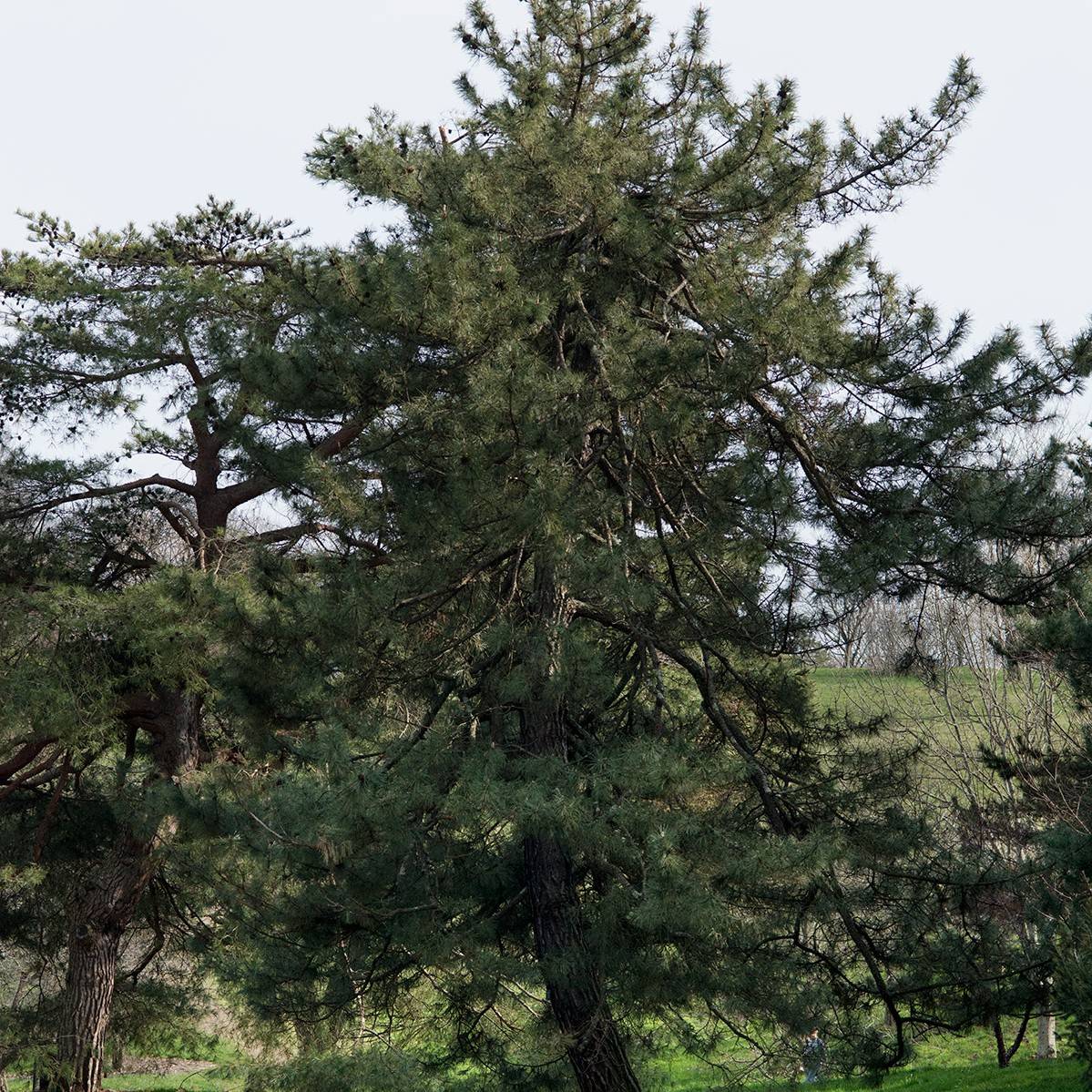
Japanese Black Pine
Pinus thunbergii
Overview
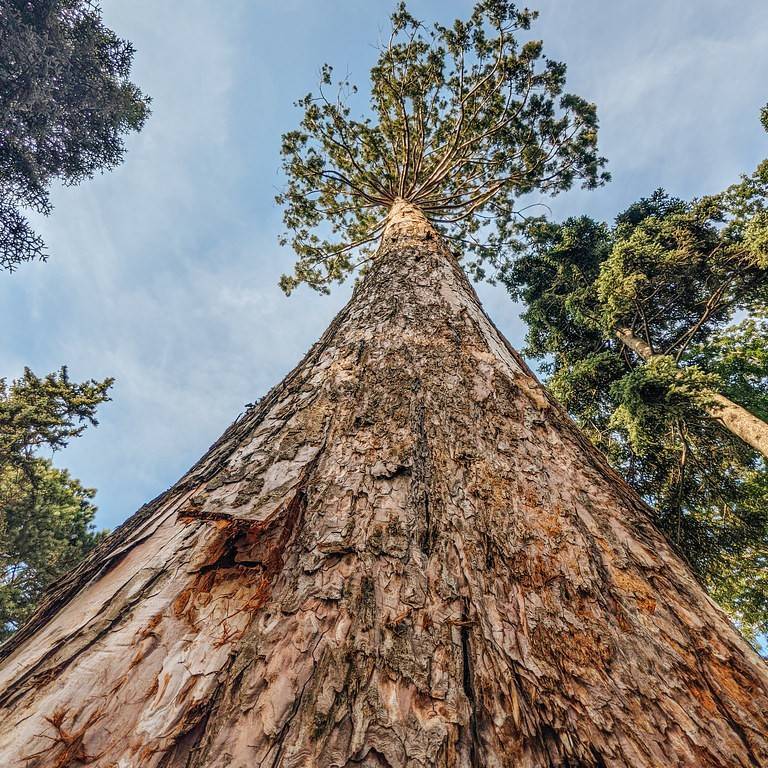
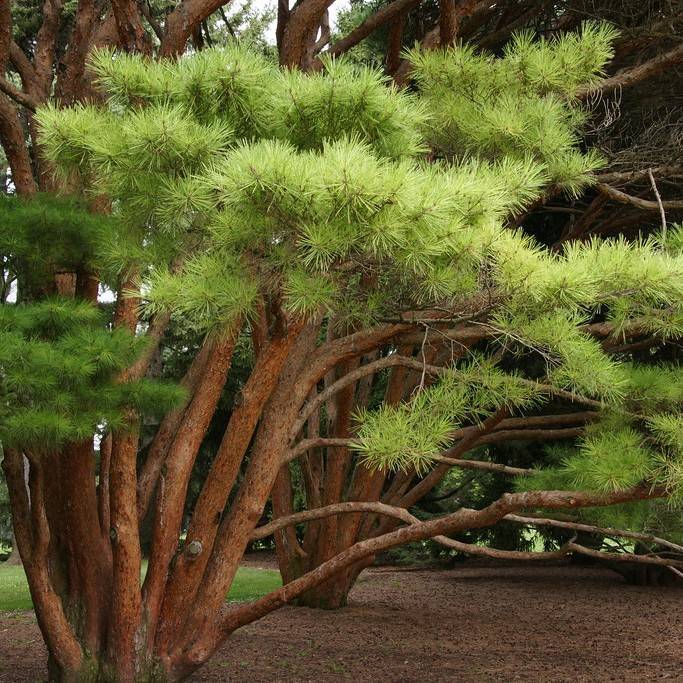
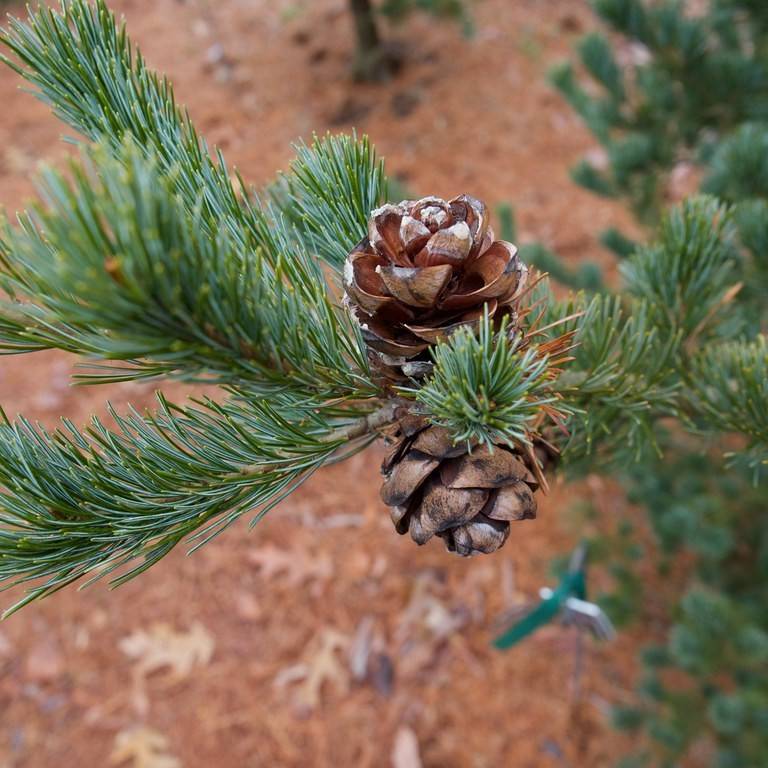
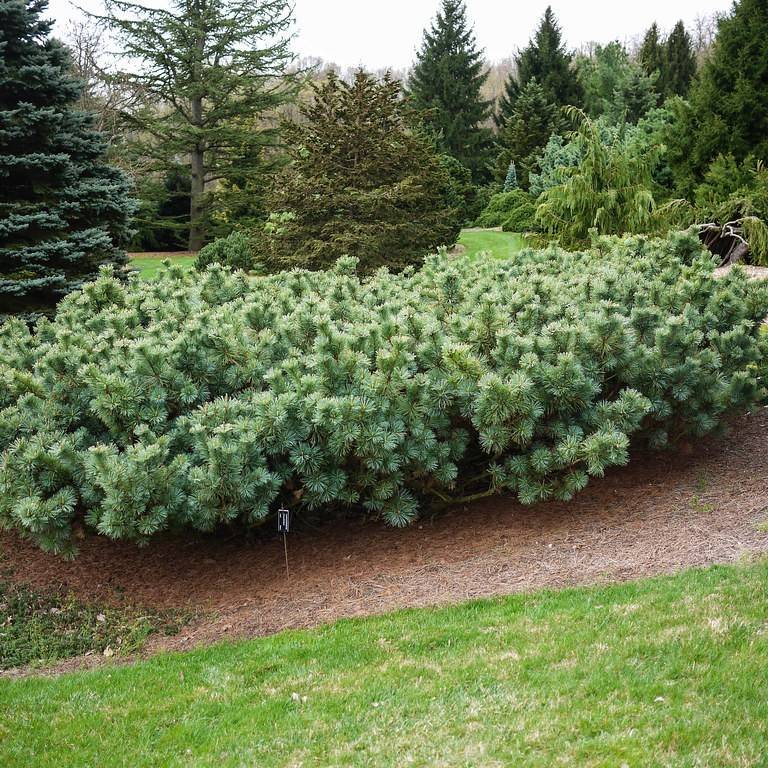
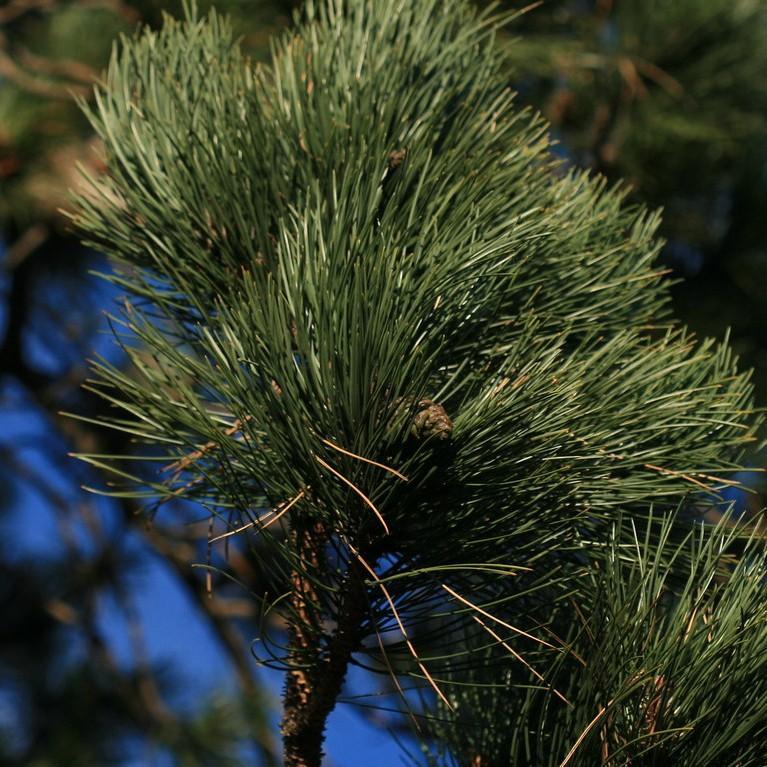
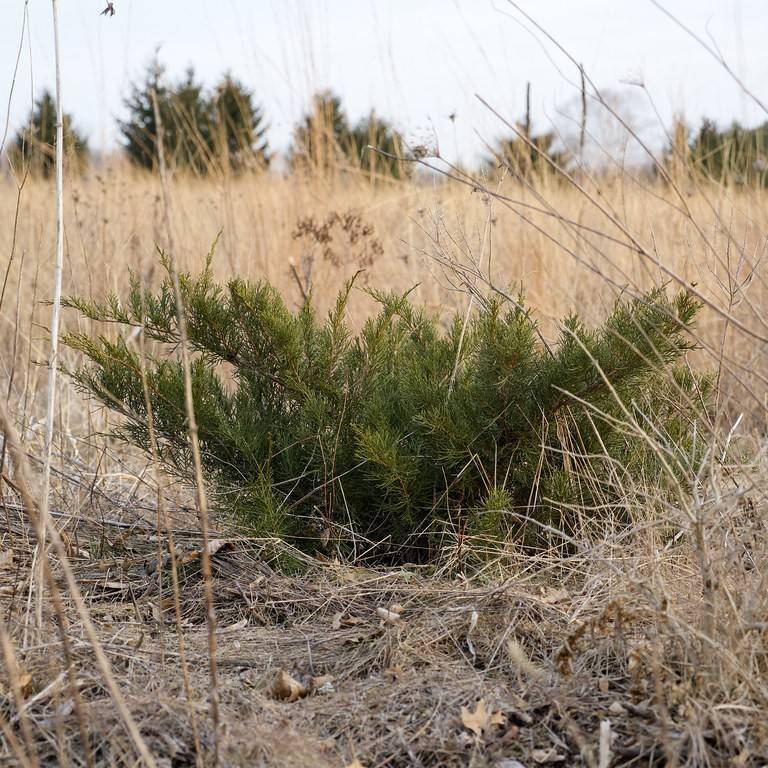
Japanese Black Pine is a rugged evergreen conifer recognizable by its dark, fissured bark, stiff dark green needles arranged in pairs, and distinctive, irregular branching structure that develops with age. It is highly salt-tolerant, making it a popular choice for coastal landscapes, and is one of the most iconic species used for bonsai cultivation, where its natural gnarled form is intentionally cultivated for artistic effect. In its native habitat, it grows in sandy, well-drained coastal soils, often exposed to strong winds and salt spray.
Care Guide
Watering
Water deeply when the top 2 to 3 inches of soil feel dry, allowing excess moisture to drain fully to prevent root rot. Reduce watering frequency in winter when growth slows, taking care not to let the root ball dry out completely, especially for container-grown or bonsai specimens. Avoid overwatering, as this species is highly susceptible to root rot in waterlogged conditions.
Light
Requires full, direct sunlight for at least 6 hours per day to maintain dense, healthy foliage and strong growth. Insufficient light will lead to sparse, weak needles and increased susceptibility to pests and disease. Bonsai specimens should be placed in a sunny outdoor location year-round, with light winter protection in extremely cold climates.
Soil
Thrives in well-drained, slightly acidic to neutral sandy or loamy soil with low to moderate fertility. Heavy, clay-heavy soils that retain moisture will cause root rot, so amend planting sites with sand or grit to improve drainage if necessary. For bonsai, use a fast-draining mix of akadama, pumice, and coarse sand to support healthy root development.
Fertilizer
Fertilize with a balanced, slow-release evergreen fertilizer in early spring and again in mid-autumn to support steady growth. Avoid high-nitrogen fertilizers, as these can cause overly soft, lush growth that is prone to pest damage and breaks easily in wind. Bonsai specimens benefit from diluted liquid fertilizer applied every 2 to 4 weeks during the growing season, with no fertilization in winter.
Temperature
Adaptable to a wide range of temperatures, thriving in USDA hardiness zones 5 through 8, tolerating winter lows down to -20°F (-29°C) when established. Young saplings and bonsai specimens require light winter protection from extreme cold and harsh winds to prevent needle burn and root damage. It tolerates high summer heat well as long as it receives adequate water and good air circulation.
Pruning
Prune in late winter or early spring before new growth emerges to shape the tree, remove dead or damaged branches, and encourage denser foliage. Pinch back new candle growth in spring to control size, especially for bonsai specimens, and thin out overcrowded needles to improve air circulation and light penetration to inner branches. Avoid heavy pruning in late summer or fall, as this can stimulate tender new growth that will be damaged by winter cold.
Propagation
Most commonly propagated from seed sown in fall or early spring, with seeds requiring 30 to 60 days of cold stratification to break dormancy before sowing. Softwood cuttings taken in early summer can also be rooted, though success rates are lower than for seed propagation, and cuttings require consistent humidity and warm temperatures to develop roots. Grafting is sometimes used to propagate specific cultivars, particularly for bonsai specimens with desirable growth traits.
Humidity
Tolerates a wide range of humidity levels, adapting well to both dry inland air and the high humidity of coastal environments. Bonsai specimens benefit from occasional misting in very dry, hot weather to prevent needle desiccation, though excessive humidity around the foliage can increase fungal disease risk. Ensure good air circulation around the plant at all times to reduce moisture-related issues.
Repotting
Young landscape trees do not require repotting, but container-grown or bonsai specimens should be repotted every 2 to 3 years in early spring before new growth starts. Trim back up to one-third of the root mass during repotting to encourage new, fibrous root growth, and replace the old soil with fresh, fast-draining conifer mix. After repotting, water thoroughly and keep the plant in a shaded, protected location for 2 to 3 weeks to allow roots to reestablish.
Uses & Symbolism
Japanese Black Pine is widely planted as a windbreak, erosion control plant, and ornamental specimen in coastal landscapes due to its high salt tolerance and rugged appearance. It is one of the most popular and revered species for bonsai cultivation, valued for its ability to develop a gnarled, ancient appearance even in small container sizes. In its native Japan, it is a traditional component of formal gardens, often pruned into sculptural niwaki forms to create focal points.
Diseases & Pests
The most significant pest threat is the pinewood nematode, spread by pine sawyer beetles, which causes rapid wilting and death of infected trees, and requires immediate removal of affected specimens to prevent spread. It is also susceptible to pine wilt disease, needle blight, and root rot caused by overwatering or poorly drained soil. Common pests include pine scale, pine sawflies, and spider mites, which can be controlled with horticultural oil or appropriate insecticides when detected early.
Related plants
Other plants you might like if you grow Japanese Black Pine.