Hainan White Pine
Pinus fenzeliana
Overview
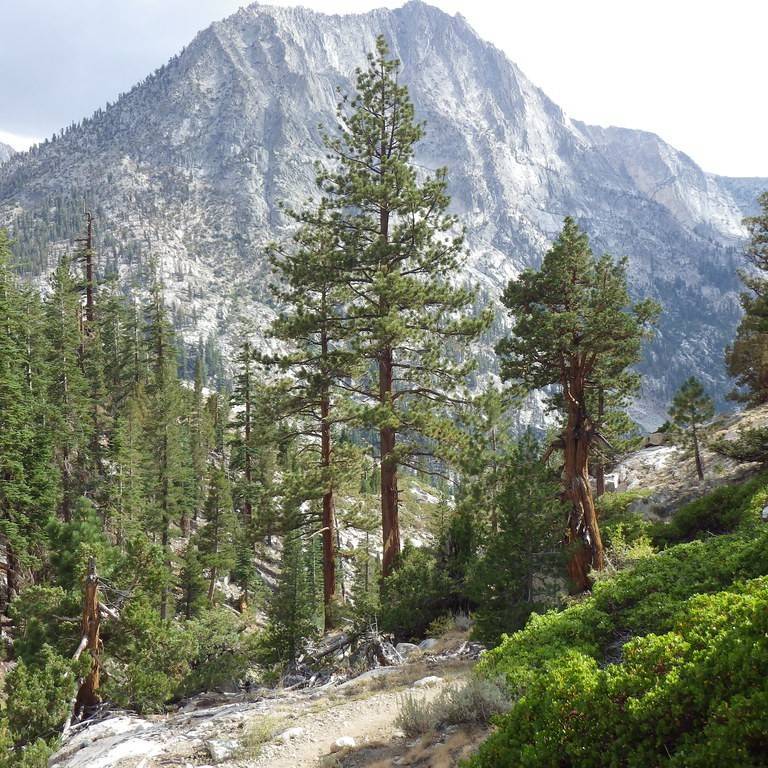
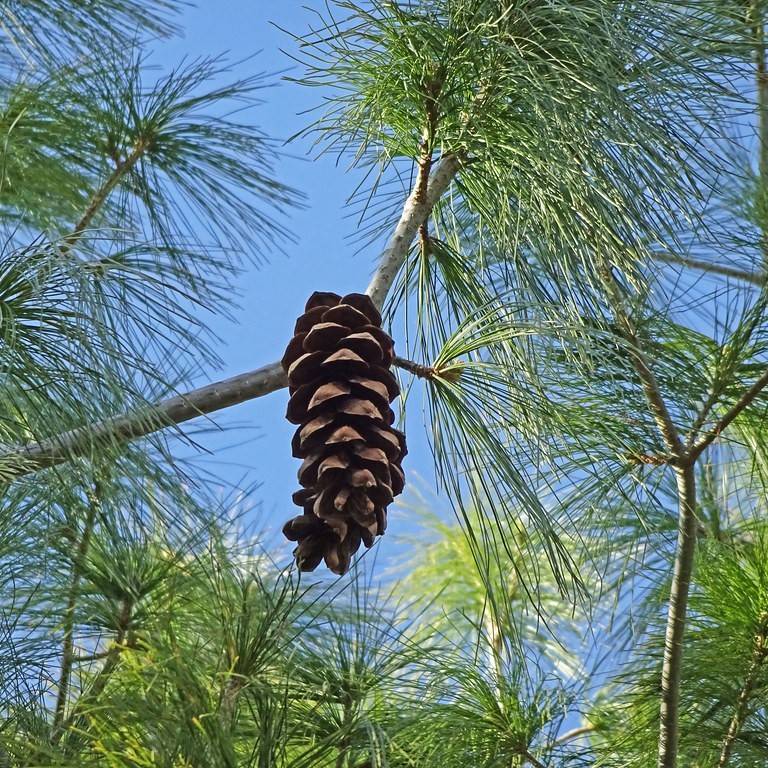
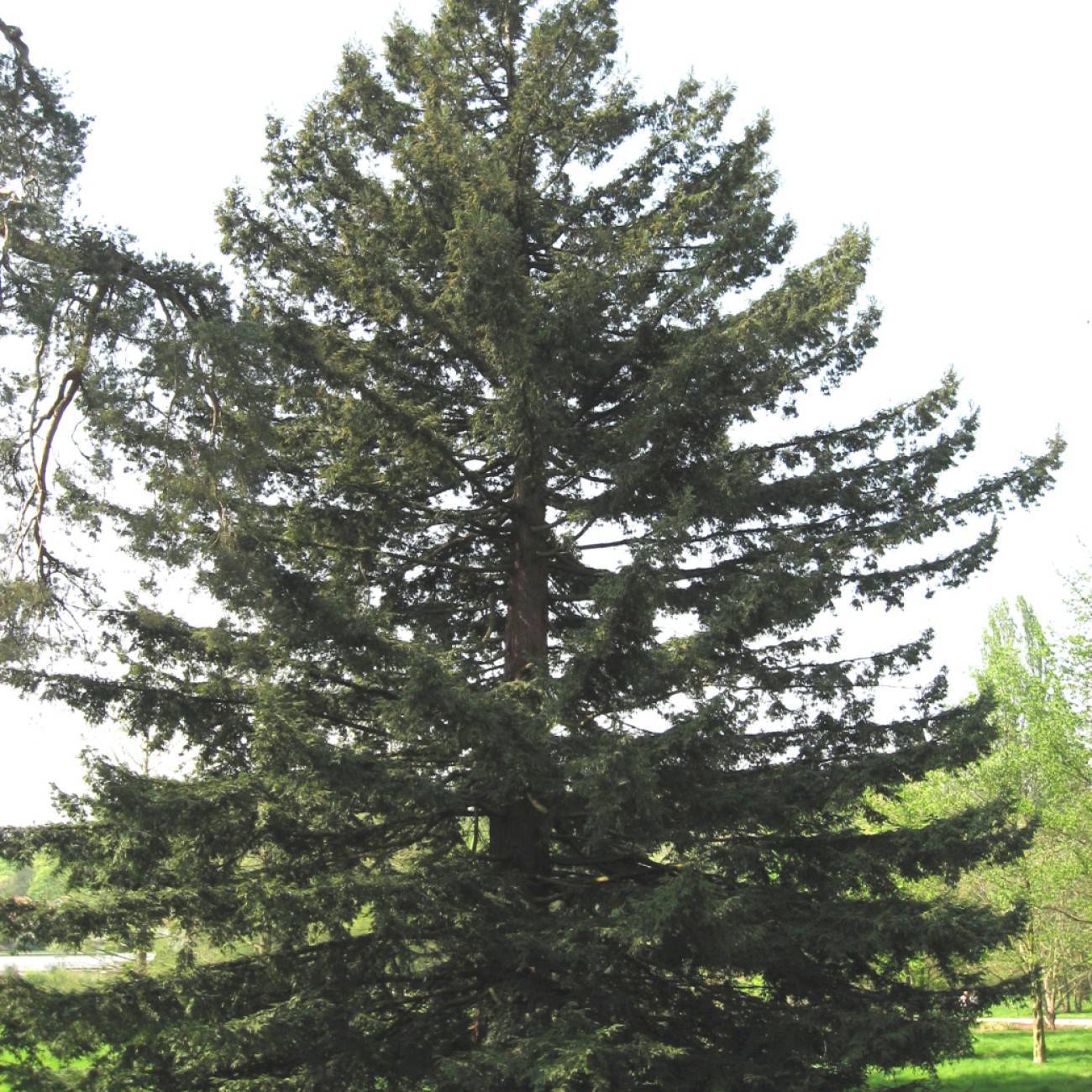
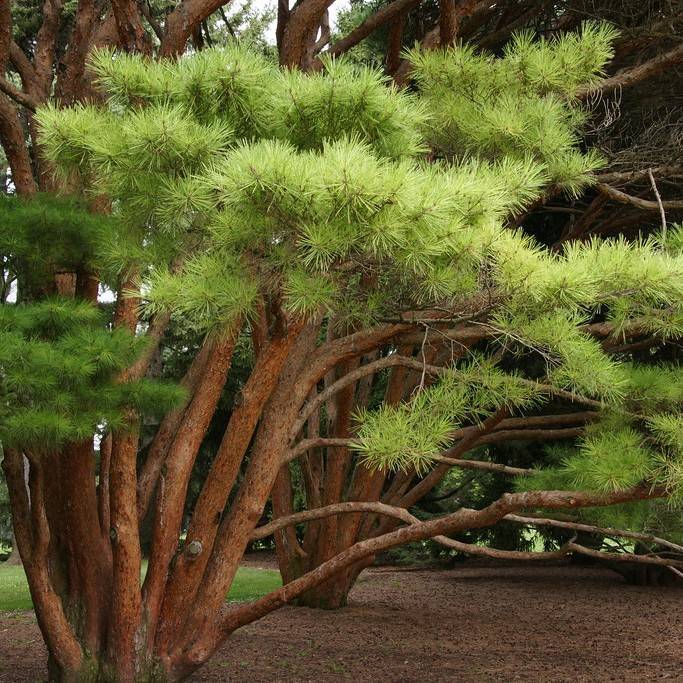
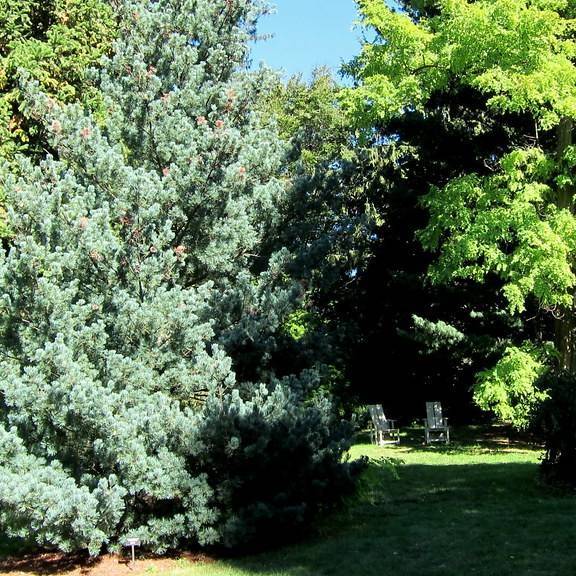
Hainan White Pine is a rare evergreen conifer native to the montane forests of Hainan Island and adjacent southern Chinese and Vietnamese regions. It features long, soft, pale blue-green needles borne in bundles of five, paired with slender, 4–8 inch (10–20 cm) light brown cones that mature in its second growing season. In its native habitat, it often grows on steep, rocky slopes at elevations of 700–1,600 meters, playing a key role in stabilizing mountain ecosystems.
Care Guide
Watering
Water young Hainan White Pines regularly during the first 2–3 years of establishment, keeping the soil evenly moist but never waterlogged to prevent root rot. Mature specimens are highly drought-tolerant, requiring supplemental watering only during extended periods of extreme heat or below-average rainfall. Avoid overwatering in poorly draining sites, as this species is highly susceptible to root decay in saturated conditions.
Light
Hainan White Pine thrives in full, direct sunlight, requiring a minimum of 6 hours of unobstructed light per day to develop its characteristic dense, symmetrical canopy and vibrant blue-green foliage. It can tolerate very light, dappled shade for short periods, but prolonged shade will lead to sparse, leggy growth and reduced overall vigor. Plant in an open, unshaded location for best performance, avoiding competition from taller overstory trees if possible.
Soil
This pine prefers well-drained, slightly acidic to neutral sandy or loamy soils, with a pH range of 5.5 to 7.0, and can tolerate nutrient-poor, rocky substrates common to its native montane habitats. It does not tolerate heavy clay soils or sites with poor drainage, as stagnant moisture around the root zone will quickly cause root rot and plant death. Amending heavy planting sites with coarse sand or gravel to improve drainage is highly recommended before installation.
Fertilizer
Fertilize young Hainan White Pines once per year in early spring, before new growth emerges, using a balanced, slow-release evergreen fertilizer formulated for acid-loving plants to support steady, healthy growth. Mature, established specimens generally do not require regular fertilization, though a light application of a low-nitrogen fertilizer can be applied every 2–3 years if foliage appears pale or growth is stunted. Avoid over-fertilizing, especially with high-nitrogen products, as this can lead to overly soft, fast growth that is prone to winter damage and pest infestations.
Temperature
Hainan White Pine is adapted to subtropical to warm temperate climates, thriving in average annual temperature ranges of 15–25°C (59–77°F), and is hardy down to approximately -7°C (20°F) for short periods once established. Young saplings are more sensitive to frost, and should be protected with burlap or frost cloth during cold snaps in the first 3–5 years of growth in cooler regions. It tolerates high summer heat and humidity well, making it suitable for cultivation in warm coastal areas of temperate and subtropical zones.
Pruning
Prune Hainan White Pine only to remove dead, diseased, or broken branches, ideally during the dormant late winter season before new spring growth begins to minimize sap loss and stress to the tree. Avoid heavy structural pruning, as this species has a naturally graceful, pyramidal growth habit that rarely requires shaping, and over-pruning can leave permanent, unsightly gaps in the canopy. If trimming to control size, only snip back the new 'candle' growth in late spring, cutting no more than one-third of the candle length to avoid damaging existing mature foliage.
Propagation
Hainan White Pine is most commonly propagated from seed, which requires cold stratification for 30–60 days to break dormancy, followed by sowing in well-drained, sterile seed starting mix in early spring. Germination rates are typically moderate, and seedlings should be kept in partial shade for their first growing season before being transplanted to larger containers or outdoor sites. Vegetative propagation via cuttings is possible but has very low success rates, and is generally only used for commercial propagation of select ornamental cultivars.
Humidity
This species prefers moderate to high humidity levels between 50–70%, matching the humid montane conditions of its native range, and will struggle in consistently arid, low-humidity environments. It can tolerate short periods of lower humidity, but extended dry air may cause browning of needle tips and reduced overall vigor, especially for indoor or container-grown specimens. Misting foliage occasionally during dry periods can help boost humidity for container-grown plants, and grouping with other moisture-loving plants will also create a more favorable microclimate.
Repotting
Container-grown Hainan White Pines should be repotted every 2–3 years in early spring, before new growth emerges, using a well-drained, acidic potting mix designed for conifers to prevent root binding and soil compaction. Choose a container only 2–3 inches larger in diameter than the current pot to avoid excess soil moisture retention, and ensure the pot has ample drainage holes to prevent standing water at the root zone. Mature, large container specimens can be top-dressed with fresh compost annually instead of full repotting to refresh nutrients and reduce transplant stress.
Uses & Symbolism
Hainan White Pine is primarily grown as an ornamental specimen tree in large landscapes, parks, and botanical gardens, prized for its attractive blue-green foliage, graceful pyramidal form, and rarity in cultivation. Its durable, straight-grained wood is occasionally harvested locally in its native range for construction, furniture making, and woodcrafts. It is also planted for mountain slope stabilization and reforestation projects in southern China, helping to reduce soil erosion in vulnerable montane ecosystems.
Diseases & Pests
Hainan White Pine is susceptible to common conifer diseases including pine needle blight, root rot (caused by overwatering or poorly drained soils), and pitch canker, which causes oozing resin lesions on branches and stems. Common pests include pine sawflies, aphids, and bark beetles, which can defoliate young trees or bore into trunk tissue, weakening or killing stressed specimens. Proper cultural care, including well-drained soil, adequate spacing for air circulation, and avoiding overwatering, is the most effective way to prevent most pest and disease issues.
Related plants
Other plants you might like if you grow Hainan White Pine.