Brewer's Spruce
Picea breweriana
Overview
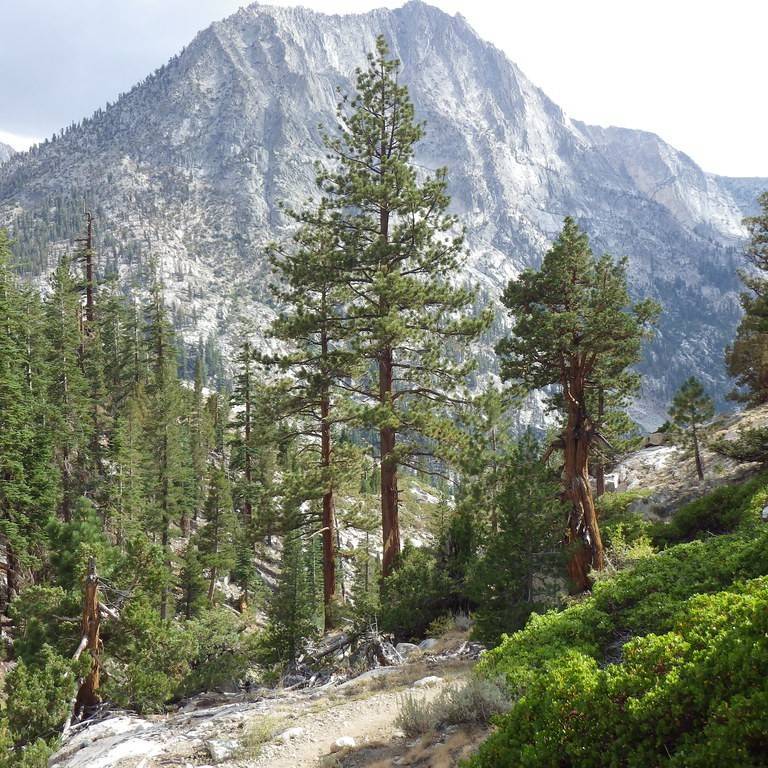
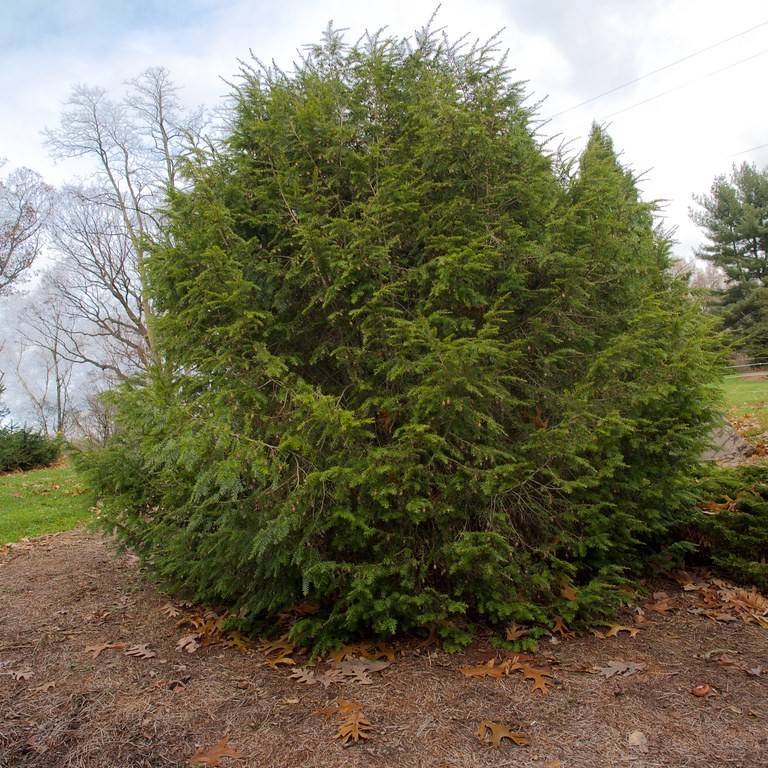
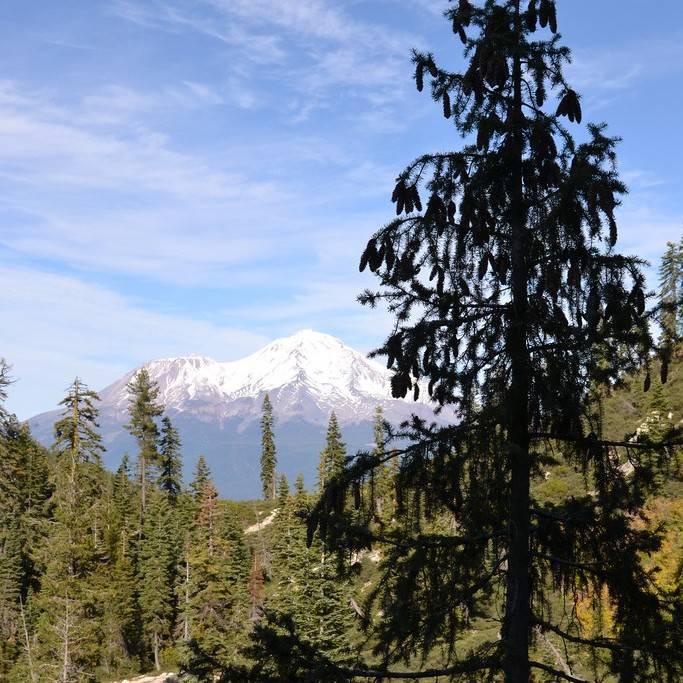
Brewer's spruce, also called weeping spruce, is a rare conifer distinguished by its pendulous lateral branchlets that drape downward from horizontal main branches, creating a soft, cascading silhouette. Native only to the high-elevation slopes of the Klamath Mountains, it thrives in cool, moist mountain climates and is highly valued in ornamental landscaping for its unique form and year-round foliage. It is considered a vulnerable species in its native range due to its limited distribution and sensitivity to wildfire and climate change.
Care Guide
Watering
Water regularly during the first two years after planting to establish a deep root system, keeping the soil consistently moist but not waterlogged. Mature specimens are moderately drought tolerant, though they benefit from supplemental watering during prolonged dry spells, especially in warmer, low-elevation growing areas. Avoid overhead watering around the base of the trunk to reduce the risk of fungal root rot.
Light
Grows best in full sun, which encourages dense, even foliage growth and the development of its signature weeping branch structure. It can tolerate very light partial shade, but prolonged shade will result in sparse growth and a less distinct cascading form. Plant in a location with unobstructed sunlight for at least six hours per day for optimal health.
Soil
Requires well-drained, slightly acidic soil with a pH between 5.0 and 6.5 to thrive. It can adapt to sandy, loamy, or even rocky soil types as long as drainage is excellent, as it is highly susceptible to root rot in waterlogged conditions. Amend heavy clay soils with organic matter such as compost or pine bark to improve drainage before planting.
Fertilizer
Apply a balanced, slow-release evergreen fertilizer in early spring before new growth emerges, following product label instructions to avoid over-fertilization. Young trees benefit from annual feeding to support establishment, while mature specimens only need fertilization every 2 to 3 years if growth appears stunted or foliage is pale. Avoid fertilizing late in the growing season, as this can stimulate tender new growth that is vulnerable to frost damage.
Temperature
Thrives in cool, temperate climates with average summer temperatures between 60 and 75°F (16 and 24°C), and is hardy down to -20°F (-29°C) once established. It does not tolerate high heat and humidity well, and may suffer from foliage browning in regions with consistently hot summer temperatures above 85°F (29°C). Young saplings benefit from winter protection from harsh, drying winds to prevent needle desiccation.
Pruning
Brewer's spruce requires very little pruning, as its natural weeping form is its primary ornamental feature. Remove only dead, damaged, or diseased branches in late winter before new growth begins to maintain plant health. Avoid shearing or heavy pruning, as this can distort its natural shape and lead to sparse, unsightly growth.
Propagation
Most commonly propagated from seed, which requires a 30 to 60 day cold stratification period to break dormancy before sowing in a well-drained seed starting mix. Semi-hardwood cuttings taken in late summer can also be rooted, though success rates are low and often require the use of rooting hormone and consistent misting. Grafting onto rootstock of more vigorous spruce species such as Picea abies is sometimes used in commercial propagation to improve growth rate and adaptability.
Humidity
Prefers moderate to high humidity levels between 40 and 60%, similar to its native mountain habitat. It can tolerate average household humidity for short periods if grown in a large container, but prolonged low humidity will cause needle browning and drop. In dry climates, mist the foliage regularly during the summer months to maintain adequate ambient moisture.
Repotting
Container-grown Brewer's spruce should be repotted every 2 to 3 years in early spring before new growth emerges, using a slightly larger pot with plenty of drainage holes. Use a well-drained, acidic potting mix formulated for conifers, and avoid disturbing the root ball more than necessary to reduce transplant shock. Once specimens reach a large size, top-dress with fresh compost annually instead of repotting to refresh nutrients.
Uses & Symbolism
Primarily grown as an ornamental specimen tree in large gardens, parks, and arboreta, where its dramatic weeping form makes a striking focal point in the landscape. It is also occasionally grown in large containers for patios or rooftop gardens in cool climates, though its slow growth means it will take many years to reach mature size. Its strong, lightweight wood has limited commercial use due to its rarity, though it is sometimes harvested locally for small construction projects and craft wood.
Diseases & Pests
Brewer's spruce is relatively pest and disease resistant when grown in optimal conditions, but it is susceptible to several common conifer pathogens including root rot, needle cast, and canker diseases, especially in poorly drained soil or high humidity environments. Common pests include spruce aphids, spider mites, and spruce budworms, which feed on new growth and can cause foliage discoloration and drop if infestations are severe. Regular inspection of foliage and proper cultural care, including good air circulation and avoiding overwatering, will prevent most pest and disease issues.
Related plants
Other plants you might like if you grow Brewer's Spruce.