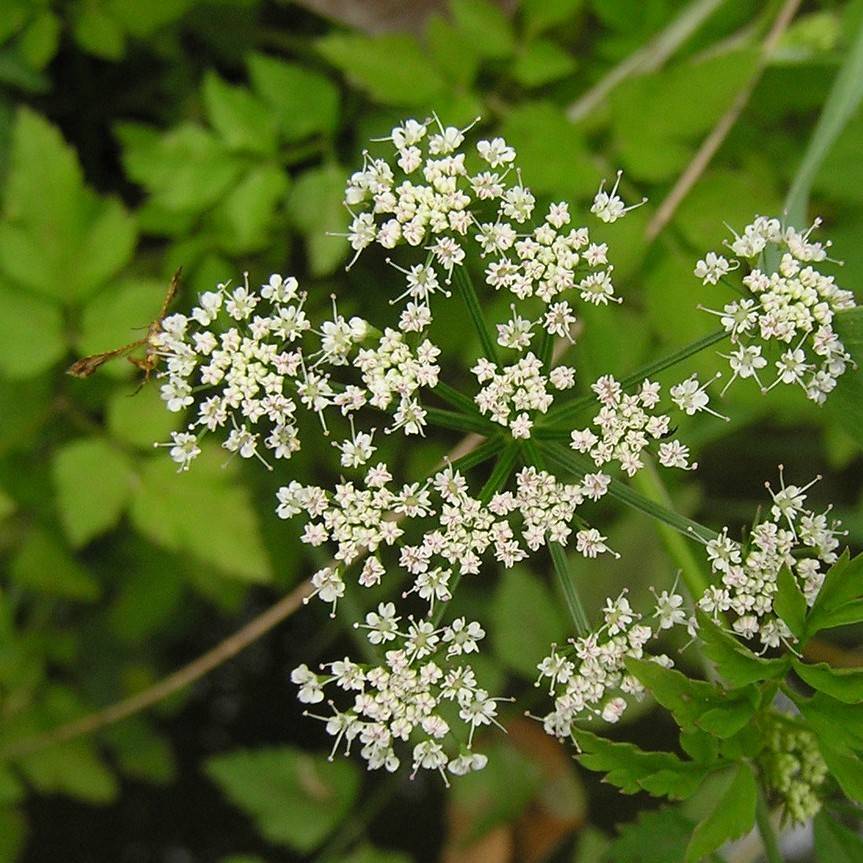
Java Waterdropwort
Oenanthe javanica
Overview
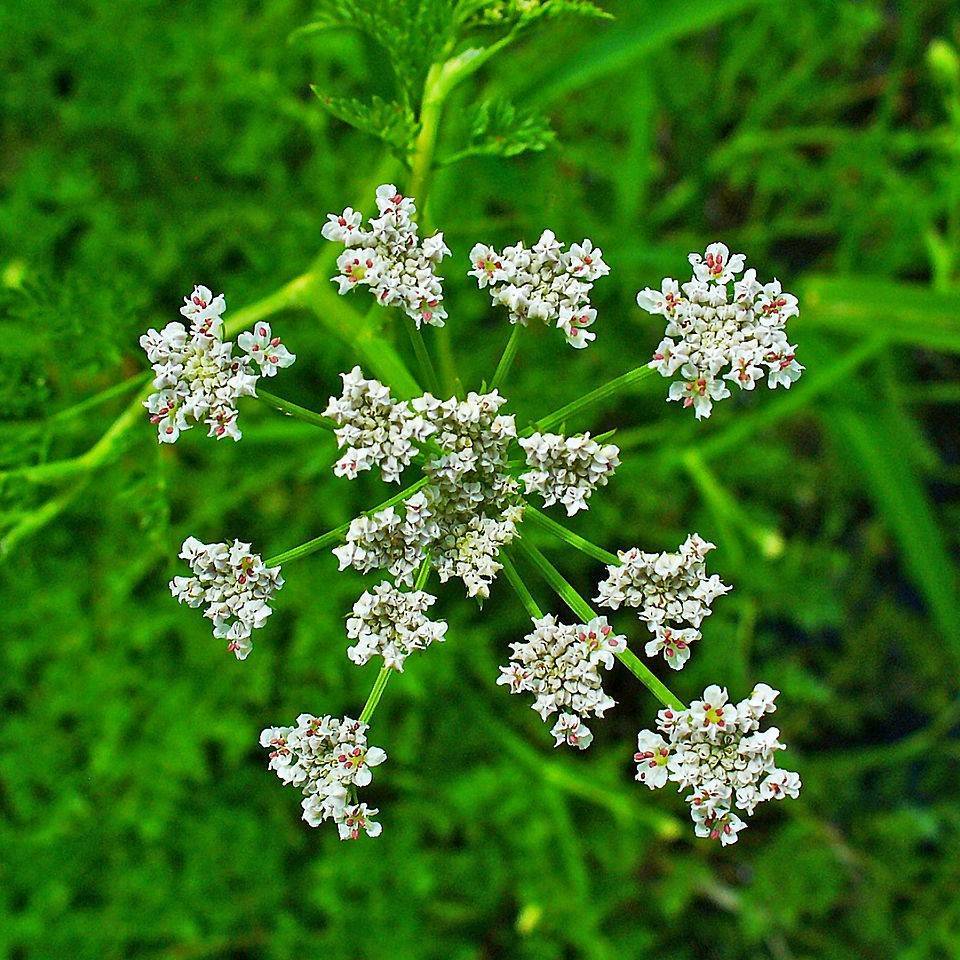
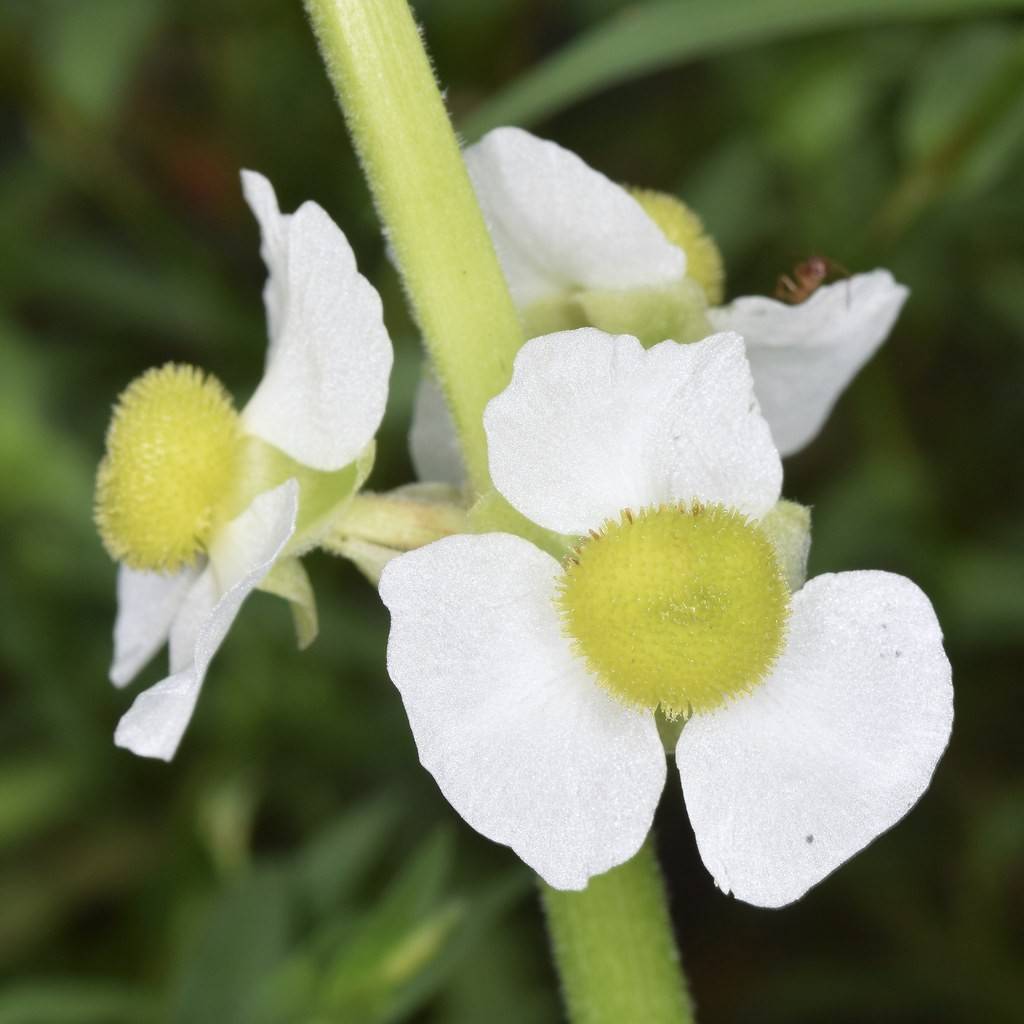
Java Waterdropwort thrives in damp, marshy, or shallow aquatic habitats, producing delicate, feathery pinnate leaves and clusters of small white umbel flowers from mid-summer to early fall. It spreads rapidly via creeping rhizomes, forming dense mats along pond edges, stream banks, and bog gardens. While sometimes confused with edible water dropwort varieties, all parts of Oenanthe javanica are highly toxic, requiring careful placement to avoid accidental ingestion by people or animals.
Care Guide
Watering
As a semi-aquatic species, Java Waterdropwort requires consistently saturated soil or shallow standing water up to 6 inches (15 cm) deep, never allowing the root zone to dry out completely. For container cultivation, keep the pot submerged in a tray of water at all times, replenishing frequently to maintain consistent water levels.
Light
It grows best in full sun to partial shade, with at least 4 hours of direct sunlight daily to support robust foliage growth and flowering. In extremely hot tropical climates, provide light afternoon shade to prevent leaf scorch and reduce excessive water evaporation.
Soil
It tolerates a wide range of wet soils, including heavy clay, loam, and boggy, organic-rich substrates with a pH ranging from 6.0 to 7.5. For container planting, use a heavy, loam-based aquatic potting mix to prevent soil from floating away when submerged, avoiding light, peat-heavy mixes that break down quickly in water.
Fertilizer
Java Waterdropwort has modest nutrient needs, benefiting from a single annual application of slow-release aquatic plant fertilizer in early spring as new growth emerges. Avoid over-fertilizing, as excess nitrogen can trigger overly aggressive rhizome spread and promote algal growth in surrounding water bodies.
Temperature
It prefers warm temperatures between 65–85°F (18–29°C) for active growth, and is hardy in USDA zones 7–11, surviving light frosts that kill back above-ground foliage while rhizomes remain dormant underground. In regions colder than zone 7, lift rhizomes in fall and store them in damp sand in a cool, frost-free location over winter to replant in spring.
Pruning
Trim back dead or yellowed foliage regularly to maintain a neat appearance and prevent decaying plant matter from fouling surrounding water. To control its aggressive spread, cut back excess rhizome growth annually in late fall, and contain plantings in submerged pots if you wish to prevent it from colonizing larger wetland areas.
Propagation
The easiest propagation method is division of established rhizome clumps in early spring, separating sections with at least 2–3 growing points and replanting them directly in saturated soil or shallow water. It can also be grown from seed sown on the surface of damp, boggy soil in spring, though seeds have a short viability window and germinate best when kept warm and consistently moist.
Humidity
It thrives in high humidity levels of 70% or higher, typical of its native wetland and marsh habitats, and will suffer from leaf browning if exposed to prolonged dry air. When grown indoors in containers, mist foliage regularly or place the pot on a tray of pebbles filled with water to boost surrounding humidity levels.
Repotting
Container-grown specimens should be repotted every 2–3 years in early spring, before new growth begins, to refresh the potting mix and control rhizome overcrowding. Use a wide, heavy aquatic pot with no drainage holes to prevent soil leaching, and trim back overgrown rhizomes by up to one-third during repotting to keep the plant a manageable size.
Uses & Symbolism
Java Waterdropwort is occasionally used as an ornamental marginal aquatic plant for pond edges and bog gardens, where its dense matting growth helps stabilize shoreline soil and provide cover for small aquatic wildlife. Despite its toxicity, some traditional East Asian medicine systems use extremely diluted, carefully processed extracts for certain remedies, though this practice is not recommended due to the high risk of fatal poisoning.
Diseases & Pests
Java Waterdropwort is relatively pest-resistant, though it may attract common aquatic pests such as aphids and spider mites during periods of dry weather, which can be controlled with a gentle spray of water or insecticidal soap safe for aquatic environments. It is susceptible to root rot only if grown in poorly aerated stagnant water, so ensure mild water movement or regular water changes for container or pond plantings to prevent fungal and bacterial growth.
Related plants
Other plants you might like if you grow Java Waterdropwort.