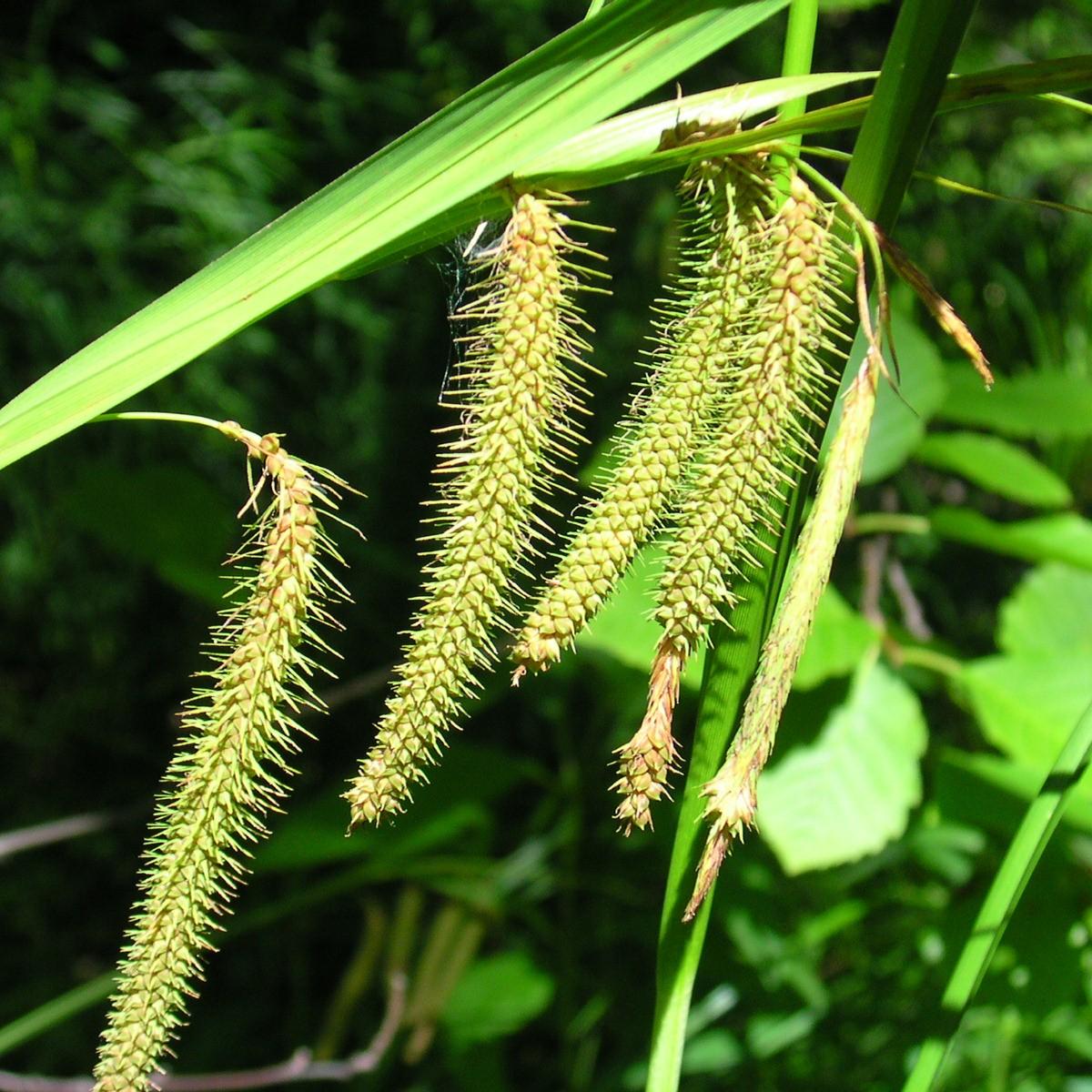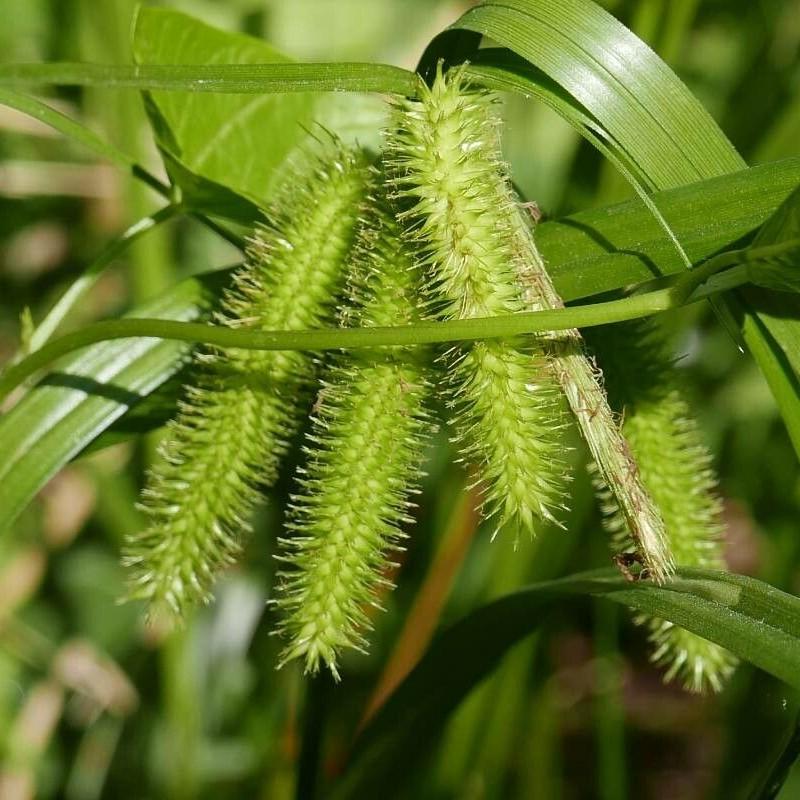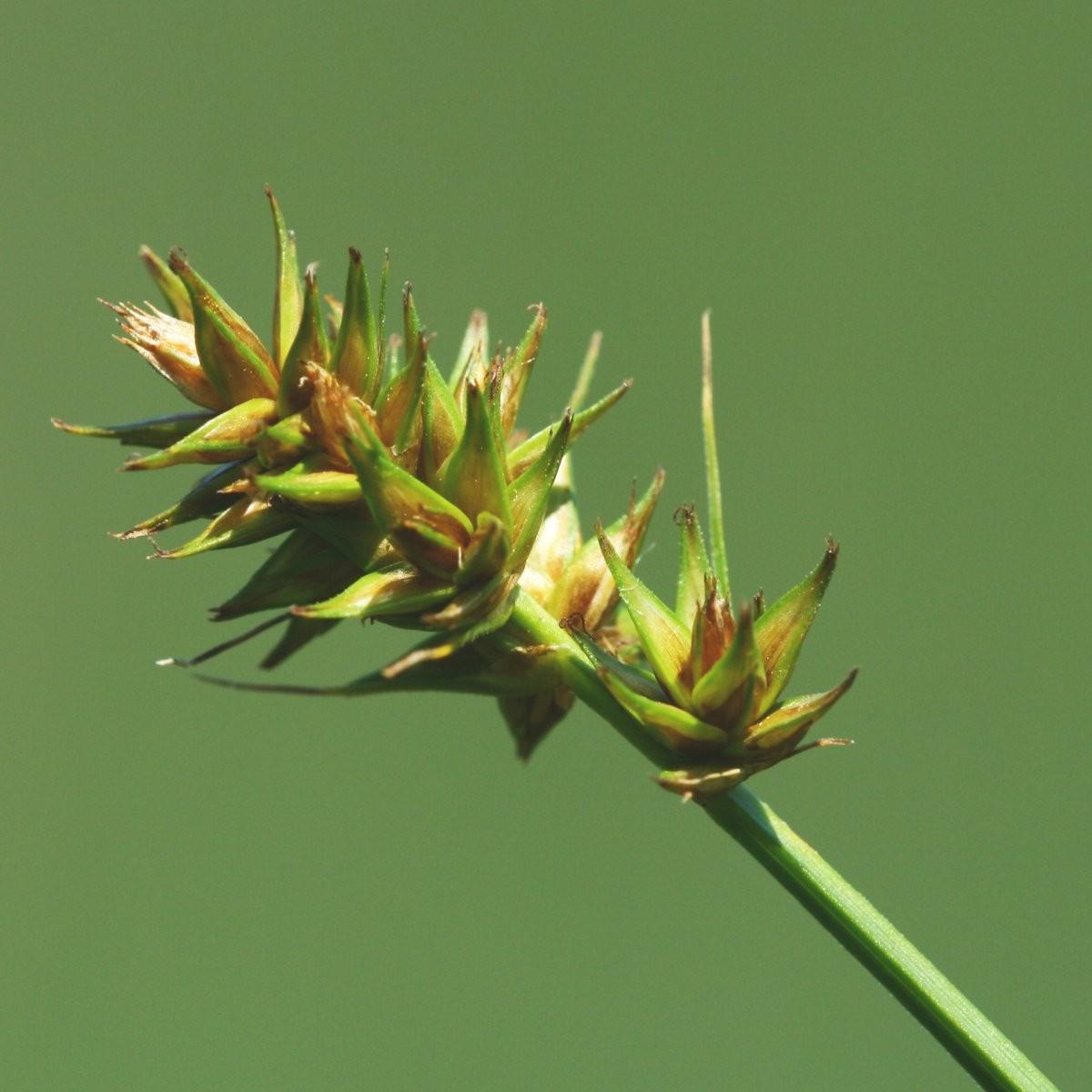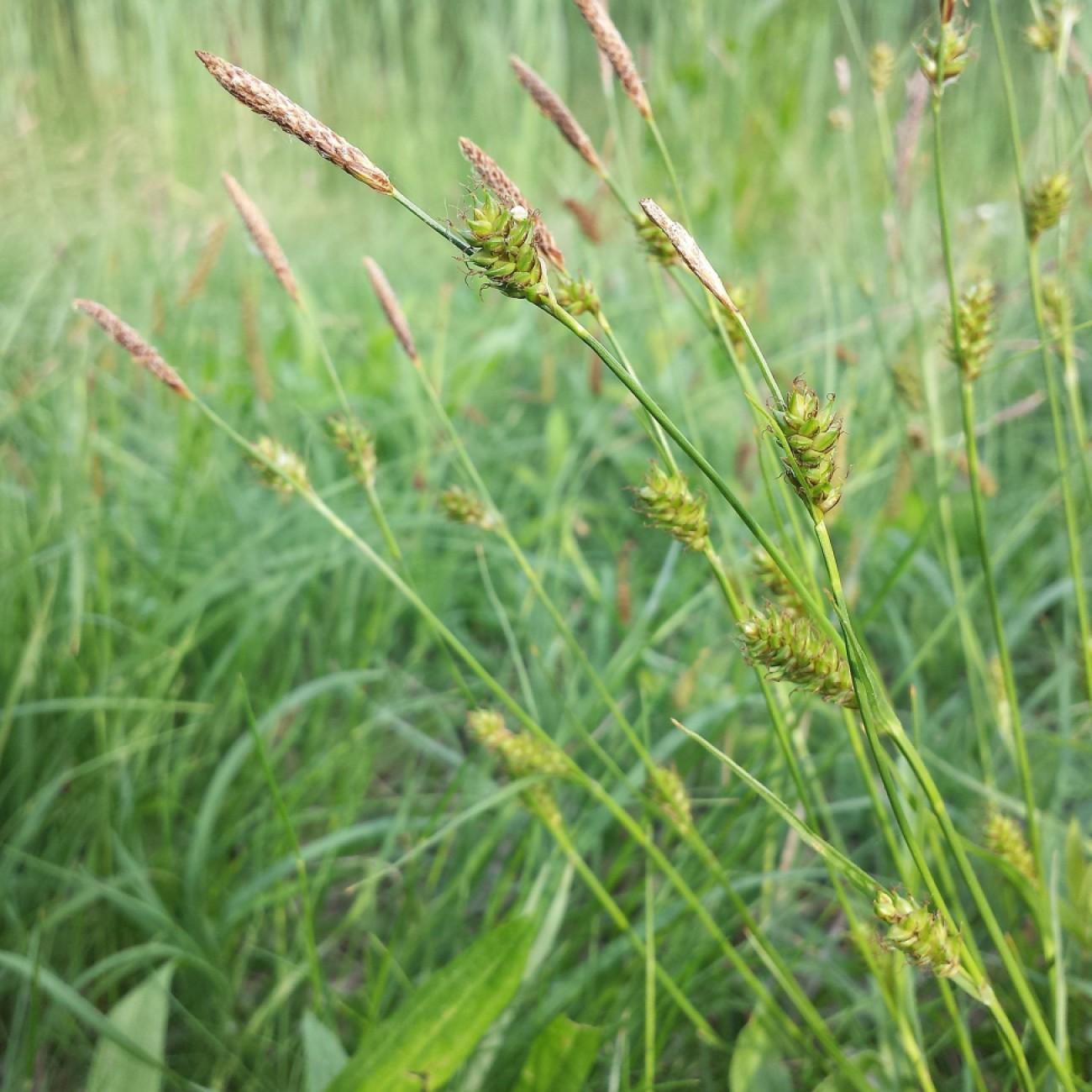
Emory's Sedge
Carex emoryi
Overview
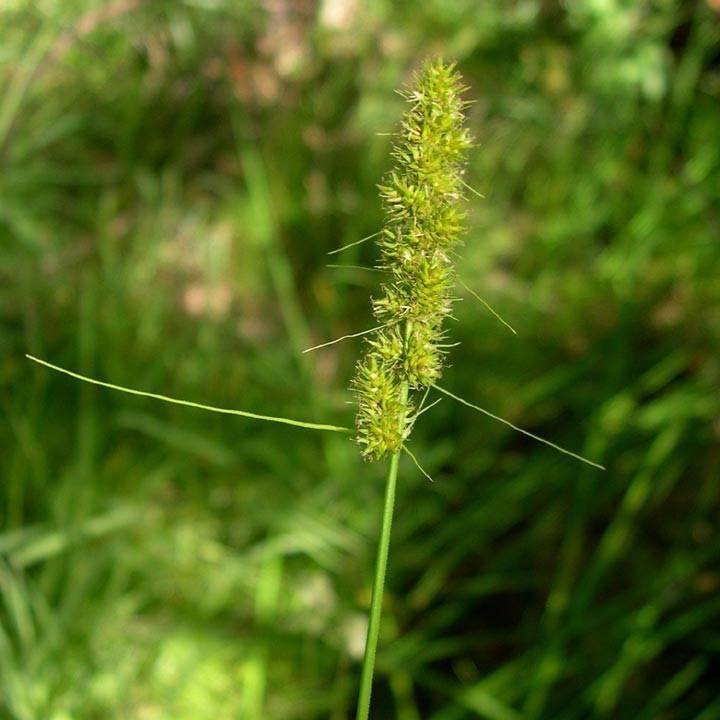
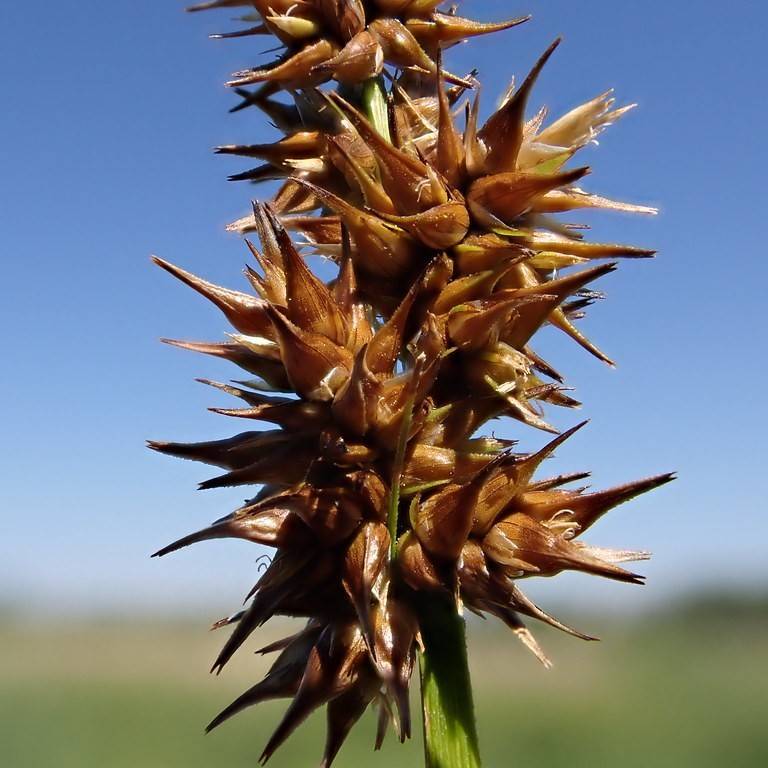
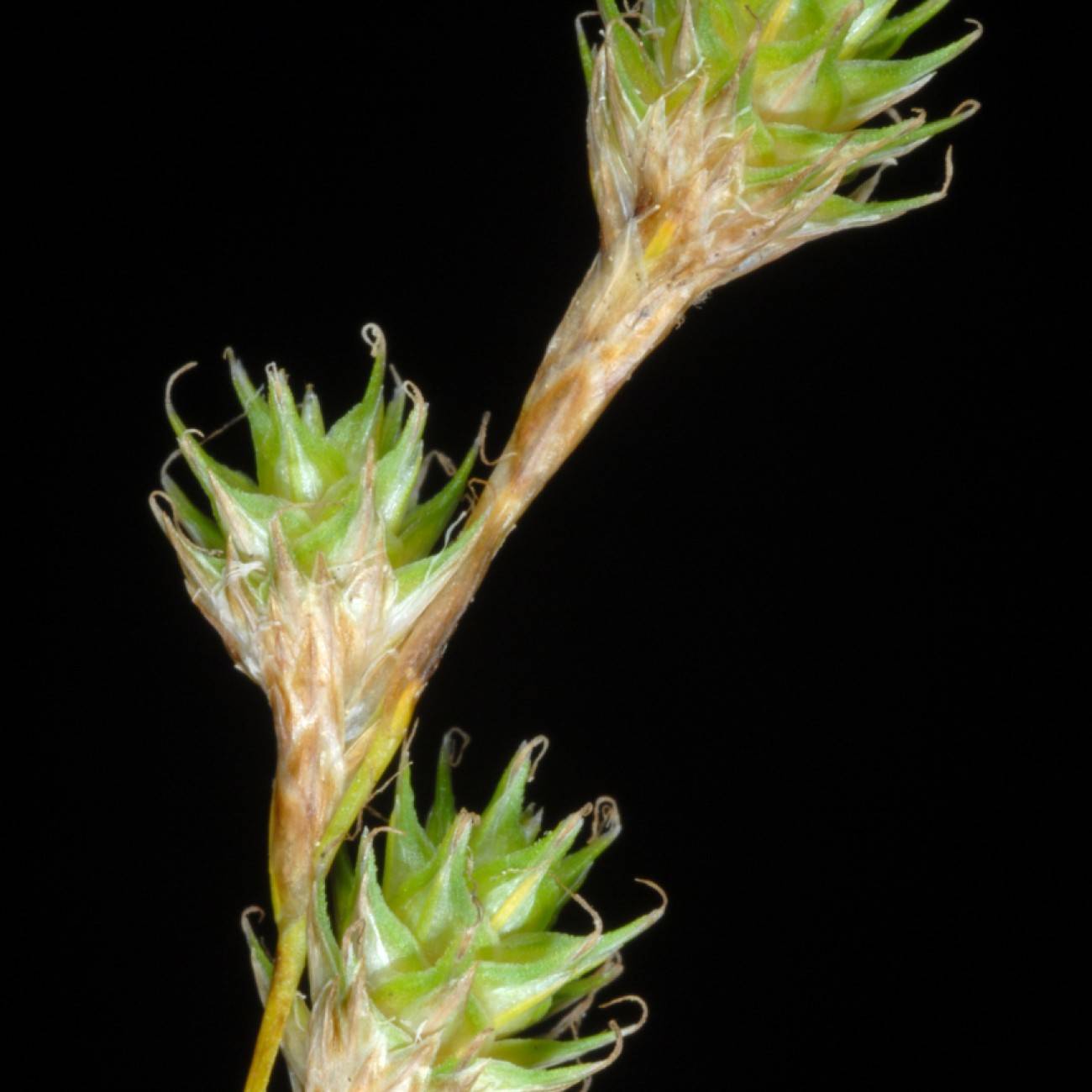
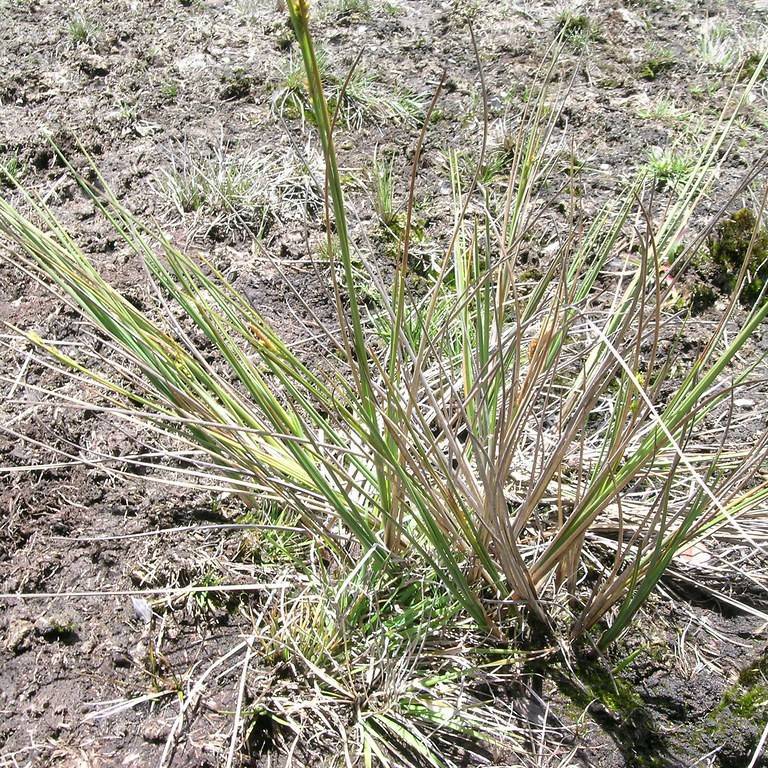
Emory's Sedge is a herbaceous perennial sedge that forms dense, tufted clumps of narrow, arching green foliage. It thrives in wet, seasonally flooded areas including streambanks, pond margins, and wet meadows, making it ideal for rain gardens and riparian restoration projects. It produces subtle, brownish spikelet flowers in late spring to early summer, which provide a food source for small birds and pollinators.
Care Guide
Watering
Prefers consistently moist to wet soil, and can tolerate periodic shallow flooding for short durations. Water regularly to keep soil from drying out completely, especially during periods of extended drought. Reduce watering slightly in winter when the plant is semi-dormant.
Light
Grows best in full sun to partial shade, with at least 4 hours of direct sunlight daily for optimal foliage density and flowering. It can tolerate deeper shade, but will produce looser, more sparse clumps and may flower less prolifically.
Soil
Adaptable to a wide range of soil types including clay, loam, and sandy soils, as long as the substrate retains moisture well. It thrives in neutral to slightly alkaline pH levels, and can tolerate occasional saline conditions common in riparian habitats.
Fertilizer
Generally requires minimal fertilization, especially when planted in nutrient-rich wet soils. If growing in poor, sandy soil, apply a balanced, slow-release fertilizer in early spring to support new growth. Avoid over-fertilizing, as this can lead to excessive foliage growth and reduced drought tolerance.
Temperature
Hardy in USDA zones 5 through 9, tolerating winter lows down to -20°F (-29°C) and summer highs up to 100°F (38°C). It is well-adapted to the variable temperature conditions of its native range, including hot, dry summers and cold, frosty winters.
Pruning
Cut back old, brown foliage to 2-3 inches above the soil line in late winter or early spring before new growth emerges. Remove any damaged or diseased stems throughout the growing season to maintain a tidy appearance and improve air circulation within the clump.
Propagation
Easiest to propagate via division of established clumps in early spring or late fall, when the plant is not actively growing. Separate clumps into smaller sections with healthy root systems and replant immediately in moist soil. It can also be grown from seed, though germination can be slow and inconsistent, requiring cold stratification for 60-90 days.
Humidity
Tolerates a wide range of humidity levels, from moderate to high, as is common in its native riparian and wetland habitats. It can withstand short periods of low humidity, but consistent dry air may cause leaf browning at the tips, which can be mitigated by regular watering.
Repotting
If grown in containers, repot every 2-3 years in early spring to refresh the soil and give the expanding root system room to grow. Use a moisture-retentive potting mix, and select a pot with good drainage holes to prevent root rot, even though the plant prefers wet conditions.
Uses & Symbolism
Emory's Sedge is widely used in native landscaping, rain gardens, and riparian restoration projects to stabilize soil, prevent erosion along waterways, and filter stormwater runoff. It provides habitat and food for native wildlife, including caterpillars, small pollinators, and seed-eating birds, and serves as a host plant for several species of skippers. It is also planted as a low-maintenance, drought-tolerant ornamental grass alternative for moist garden beds and border edges.
Diseases & Pests
Generally resistant to most pests and diseases, but can be susceptible to fungal leaf spots and rust in overly humid, poorly ventilated conditions. Root rot may occur if the plant is grown in poorly draining soil that stays waterlogged for extended periods. Aphids and spider mites may occasionally infest foliage, especially during dry, hot weather, and can be controlled with insecticidal soap or a strong stream of water.
Related plants
Other plants you might like if you grow Emory's Sedge.