Blue Cohosh
Caulophyllum thalictroides
Overview
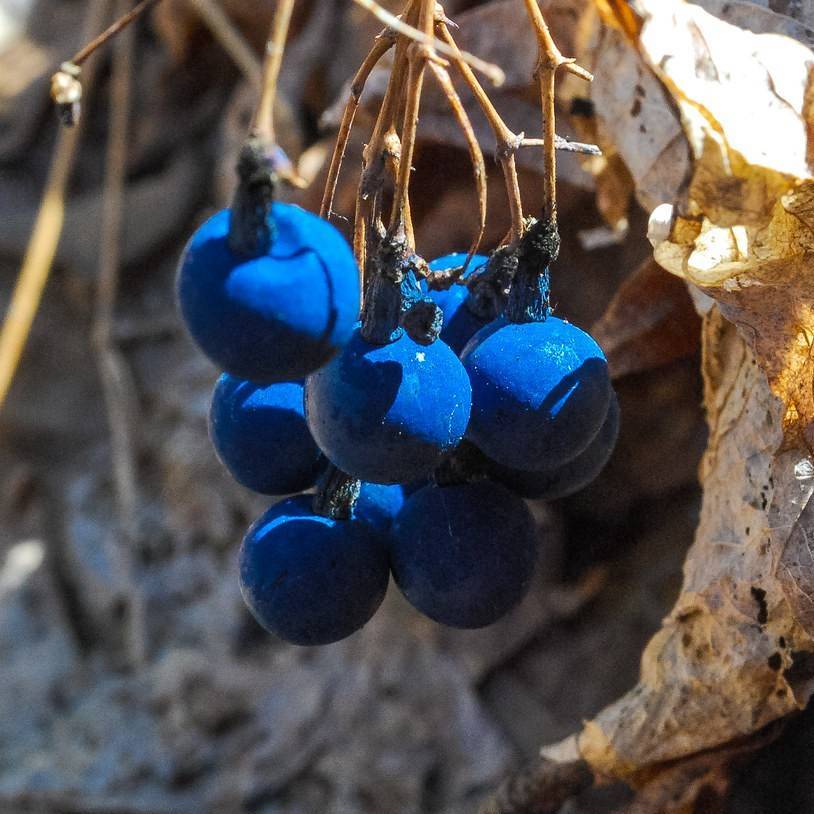
Blue cohosh is a slow-growing woodland herb native to the rich, moist forests of eastern North America, emerging in early spring with delicate, blue-green, thalictrum-like foliage that forms dense clumps over time. It produces small, yellow-green, star-shaped flowers in mid-spring that mature into striking, waxy, deep blue berry-like seeds in late summer, which persist into early fall. The plant spreads slowly via creeping rhizomes, making it a low-maintenance ground cover for shaded native plant gardens.
Care Guide
Watering
Blue cohosh prefers consistently moist, well-drained soil, and should be watered regularly to prevent the soil from drying out completely, especially during periods of summer drought. Avoid overwatering or waterlogged conditions, which can cause rhizome rot, particularly in heavy clay soils. Reduce watering frequency in late fall as the plant goes dormant for the winter.
Light
This woodland species thrives in partial to full shade, mimicking its natural dappled sunlight under forest canopies. It can tolerate short periods of early morning sun, but prolonged direct sunlight will scorch its delicate foliage and stunt growth. Plant it in a location with year-round shade, such as under deciduous trees, for best performance.
Soil
Blue cohosh requires rich, loamy, slightly acidic to neutral soil with a high organic matter content, similar to the leaf litter layer of its native forest habitat. Amend garden soil with well-rotted leaf mold or compost before planting to improve drainage and nutrient content. Heavy, compacted, or alkaline soils should be amended with peat moss or pine fines to adjust pH and structure.
Fertilizer
Fertilizer is rarely needed for blue cohosh grown in organically rich soil, as it is adapted to low-nutrient woodland conditions. If growth is stunted or foliage appears pale, apply a thin layer of compost or a balanced, slow-release organic fertilizer in early spring before new growth emerges. Avoid high-nitrogen fertilizers, which can promote excessive foliage growth at the expense of flower and fruit production.
Temperature
Blue cohosh is cold-hardy in USDA zones 3 through 8, tolerating winter temperatures as low as -40°F (-40°C) when dormant. It requires a period of cold stratification over winter to trigger new spring growth, so it does not perform well in regions with mild, frost-free winters. Summer temperatures above 85°F (29°C) may cause foliage wilting if the plant is not kept sufficiently moist and shaded.
Pruning
Pruning is minimal for blue cohosh; simply trim back any yellowed or damaged foliage in late fall after the plant goes dormant, or in early spring before new shoots emerge. Remove spent flower stalks if you do not wish the plant to self-seed, though self-seeding is usually slow and non-invasive in garden settings. Avoid cutting back healthy green foliage during the growing season, as this reduces the plant’s ability to store energy for the next year.
Propagation
Blue cohosh is most commonly propagated by dividing mature rhizomes in late fall or early spring while the plant is dormant, ensuring each division has at least one healthy growth bud. It can also be grown from fresh seed sown immediately after ripening in late summer, though seeds require two full years of cold stratification to germinate and may take 3 to 5 years to reach flowering maturity. Seedlings should be kept shaded and moist until they are well established.
Humidity
Blue cohosh prefers moderate to high humidity levels typical of its native woodland habitat, ranging from 50% to 70% relative humidity. It tolerates average household humidity if grown as a potted houseplant, but may benefit from occasional misting during dry winter months. Low humidity combined with bright light will cause leaf browning and edge scorch.
Repotting
Potted blue cohosh should be repotted every 2 to 3 years in late winter while dormant, using a rich, peat-based potting mix with added perlite for drainage. Choose a pot only 1 to 2 inches larger than the current root ball to avoid excess soil moisture that can cause rot. Divide overcrowded rhizomes during repotting to propagate new plants and maintain healthy growth.
Uses & Symbolism
Blue cohosh has a long history of use in traditional Indigenous and folk medicine as a remedy for menstrual cramps, labor induction, and rheumatism, though its medicinal use is not recommended without supervision from a qualified healthcare provider due to its toxicity. It is widely planted in native woodland gardens and shade gardens as an ornamental ground cover, valued for its attractive lacy foliage and striking blue fall fruits that provide food for native bird species. It is also used in ecological restoration projects to stabilize soil in shaded riparian areas and support native pollinator populations.
Diseases & Pests
Blue cohosh is relatively pest and disease resistant when grown in its preferred shaded, moist conditions, but may be susceptible to fungal leaf spots if grown in poorly ventilated areas with excessive moisture on foliage. Root rot can occur in waterlogged, heavy soils, so proper drainage is critical to prevent this fatal condition. Slugs and snails may occasionally feed on young, tender spring foliage, especially in very damp, shaded locations.
Related plants
Other plants you might like if you grow Blue Cohosh.