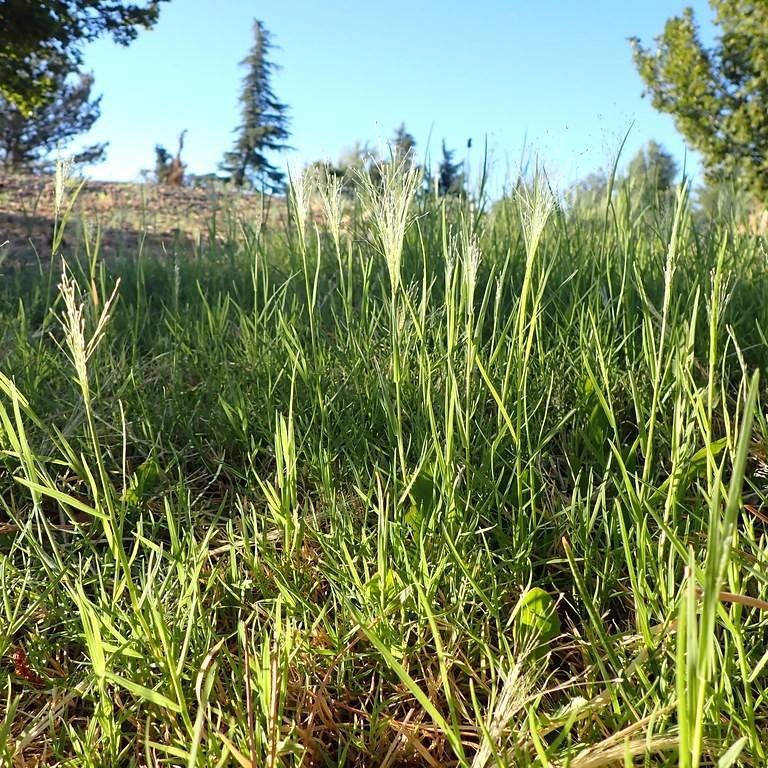
Kentucky Bluegrass
Poa pratensis
Overview
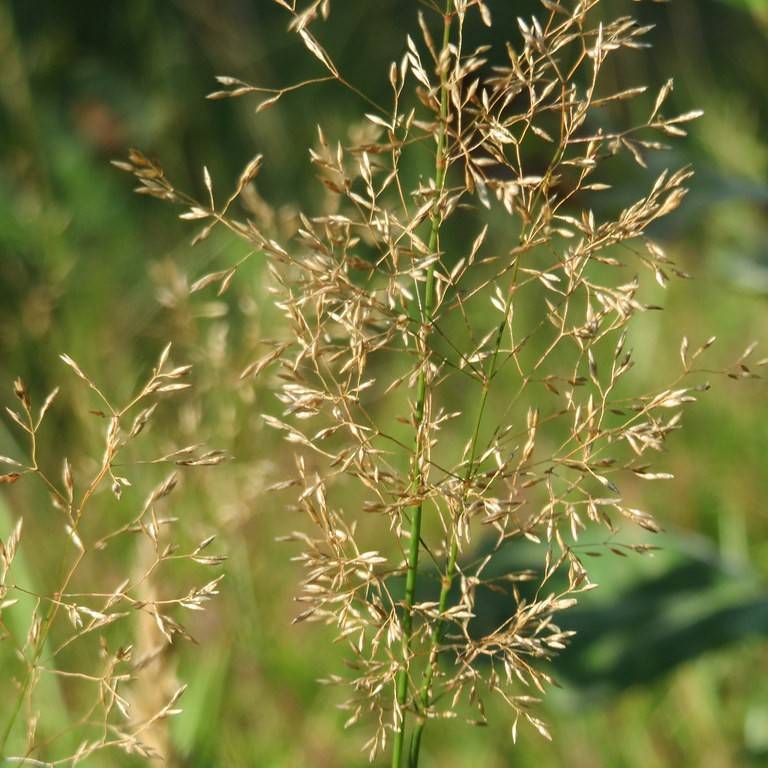
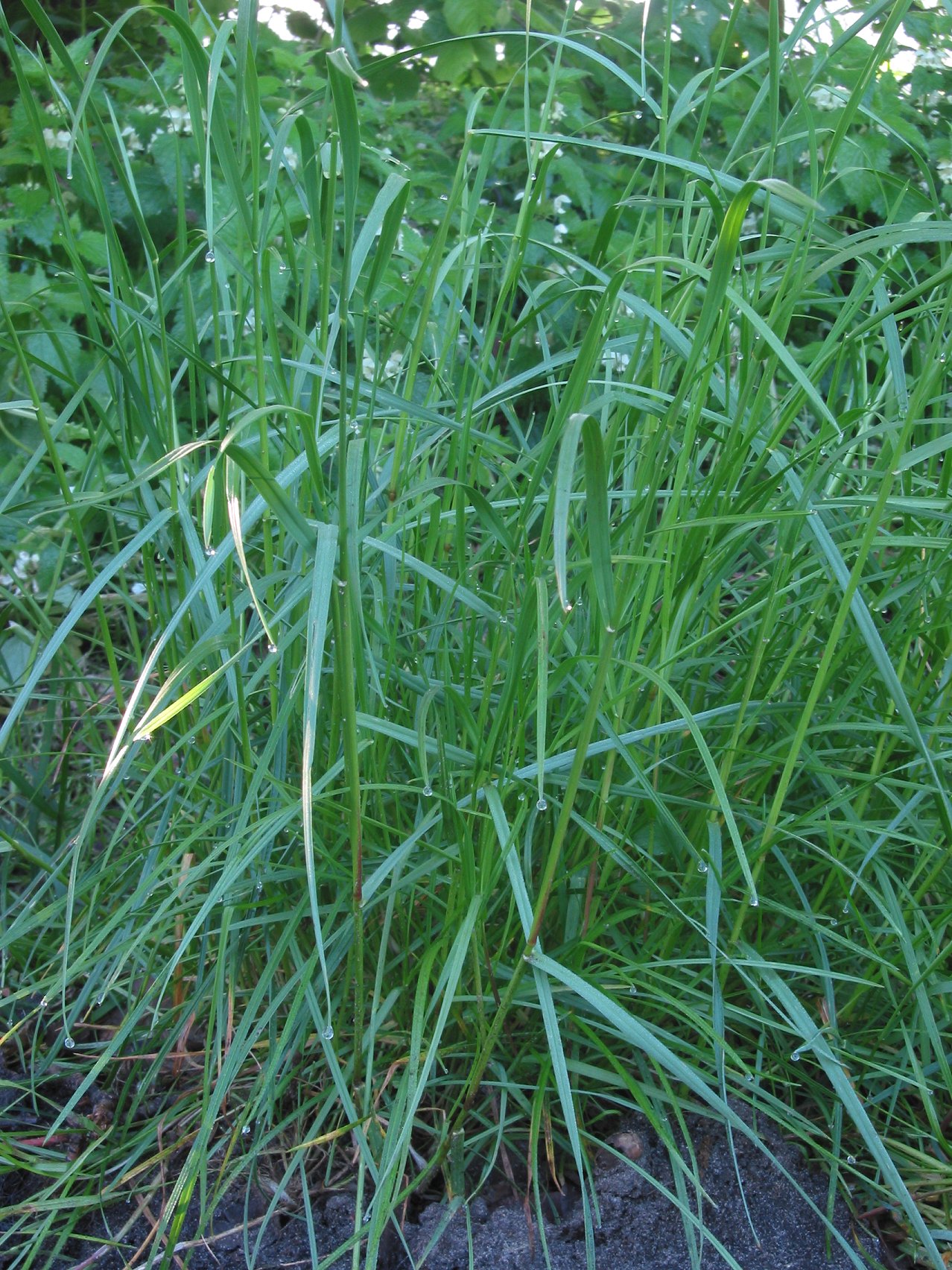
Kentucky Bluegrass is a widely cultivated cool-season grass best known for its use in high-quality lawns, athletic fields, and golf course roughs across temperate North America. It spreads via underground rhizomes, forming a thick, uniform sod that recovers well from damage, and produces soft, fine-textured blades with a distinctive blue-green hue when healthy. Though named for Kentucky, where it thrives in the state’s limestone-rich soils, it is not native exclusively to the region, having naturalized across much of the northern U.S. and southern Canada.
Care Guide
Watering
Kentucky Bluegrass requires 1 to 1.5 inches of water per week from rainfall or irrigation to maintain its vibrant color, with more frequent watering needed during periods of high heat or drought. Water deeply and infrequently, ideally in the early morning, to encourage deep root growth and reduce susceptibility to disease, avoiding overwatering that can lead to shallow roots and fungal issues. During extended droughts, the grass will go dormant and turn brown, but it will green up again once consistent moisture returns.
Light
This grass thrives in full sun, requiring a minimum of 6 hours of direct sunlight daily to develop a dense, healthy stand, and will perform best in locations with unobstructed southern or western exposure. It can tolerate very light, dappled shade, but growth will thin significantly, and it will be more prone to weed invasion if it receives less than 4 hours of direct sun per day. In regions with intense summer heat, partial afternoon shade can help reduce heat stress and prevent premature browning.
Soil
Kentucky Bluegrass prefers well-drained, loamy soils with a neutral to slightly alkaline pH between 6.0 and 7.5, and it benefits significantly from the high calcium content of limestone-derived soils common in its namesake region. It will not tolerate heavy, waterlogged clay soils or excessively sandy soils with poor nutrient and moisture retention, so amending with compost or topsoil is recommended for poor growing substrates. Good soil aeration is critical to support its deep rhizomatous root system, so annual core aeration is advised for established lawns.
Fertilizer
Apply a balanced, slow-release nitrogen fertilizer at a rate of 2 to 4 pounds of nitrogen per 1,000 square feet annually, split into two to three applications in early spring, late fall, and optionally mid-fall for improved winter hardiness. Avoid heavy nitrogen applications in the heat of summer, as this can stress the grass and increase susceptibility to disease and drought damage. For lawns grown in acidic soils, apply lime every 2 to 3 years to raise the pH to the preferred range and improve nutrient availability.
Temperature
As a cool-season grass, Kentucky Bluegrass grows most actively when air temperatures are between 60 and 75°F (15 and 24°C), and soil temperatures range from 50 to 65°F (10 to 18°C). It is highly winter hardy, tolerating temperatures as low as -30°F (-34°C) when properly acclimated, but it will go dormant and turn brown during extended periods of temperatures above 90°F (32°C). In regions with hot, humid summers, it is often mixed with tall fescue or perennial ryegrass to improve overall heat tolerance.
Pruning
Mow Kentucky Bluegrass to a height of 2.5 to 3.5 inches during the active growing season, never removing more than one-third of the blade height in a single mowing to avoid stressing the grass. During periods of summer heat or drought, raise the mowing height by half an inch to shade the soil, reduce moisture loss, and support deeper root growth. Keep mower blades sharp to prevent ragged cuts that can increase susceptibility to disease and give the lawn a brown, uneven appearance.
Propagation
Kentucky Bluegrass is most commonly propagated from seed, which is sown in early fall or early spring when soil temperatures are between 50 and 65°F (10 and 18°C) for optimal germination, which typically occurs within 14 to 30 days. It can also be propagated vegetatively via sod plugs or sprigs, as its rhizomatous growth habit allows transplanted sections to spread and fill in bare areas quickly. When seeding, prepare the soil by raking to a fine tilth, spread seed evenly at a rate of 2 to 3 pounds per 1,000 square feet, and keep the top inch of soil consistently moist until seedlings are established.
Humidity
Kentucky Bluegrass tolerates moderate to high humidity well, but extended periods of high humidity combined with warm temperatures and poor air circulation increase the risk of fungal diseases such as dollar spot and powdery mildew. Ensure proper spacing if grown with other plants, and avoid watering in the late evening to minimize leaf wetness overnight, which is a primary trigger for fungal growth in humid conditions. In very arid climates, supplemental watering is required to prevent dormancy and maintain green foliage.
Repotting
While Kentucky Bluegrass is almost exclusively grown outdoors in lawns, if cultivated in containers for temporary use, it should be repotted annually in early spring before active growth begins, using a high-quality, well-drained loamy potting mix. Choose a container with adequate drainage holes to prevent waterlogging, and ensure the container is deep enough to accommodate the grass’s deep root system, which can extend 2 to 3 feet deep in optimal conditions. When repotting, trim back any dead or overgrown roots and top-dress with a thin layer of compost to provide nutrients for the new growing season.
Uses & Symbolism
Kentucky Bluegrass is the most popular cool-season turfgrass for residential lawns, athletic fields, golf course roughs, and parks in northern North America, valued for its dense, uniform appearance and high tolerance for foot traffic. It is also used as a forage grass for livestock and wildlife, providing high-quality, nutrient-dense grazing for cattle, sheep, and horses in temperate regions. Additionally, its extensive rhizomatous root system makes it effective for erosion control on slopes, stream banks, and disturbed sites in cool climates.
Diseases & Pests
Common fungal diseases affecting Kentucky Bluegrass include dollar spot, leaf spot, powdery mildew, and summer patch, which are most prevalent during periods of high humidity, warm temperatures, and excessive soil moisture. Common pests include white grubs, billbugs, and sod webworms, which feed on the grass’s roots and blades, causing brown, irregular patches of dead grass that can be mistaken for drought stress. Proper cultural practices, including correct mowing height, deep infrequent watering, balanced fertilization, and adequate aeration, significantly reduce the risk of both pest and disease issues.
Related plants
Other plants you might like if you grow Kentucky Bluegrass.