Common Hop
Humulus lupulus
Overview
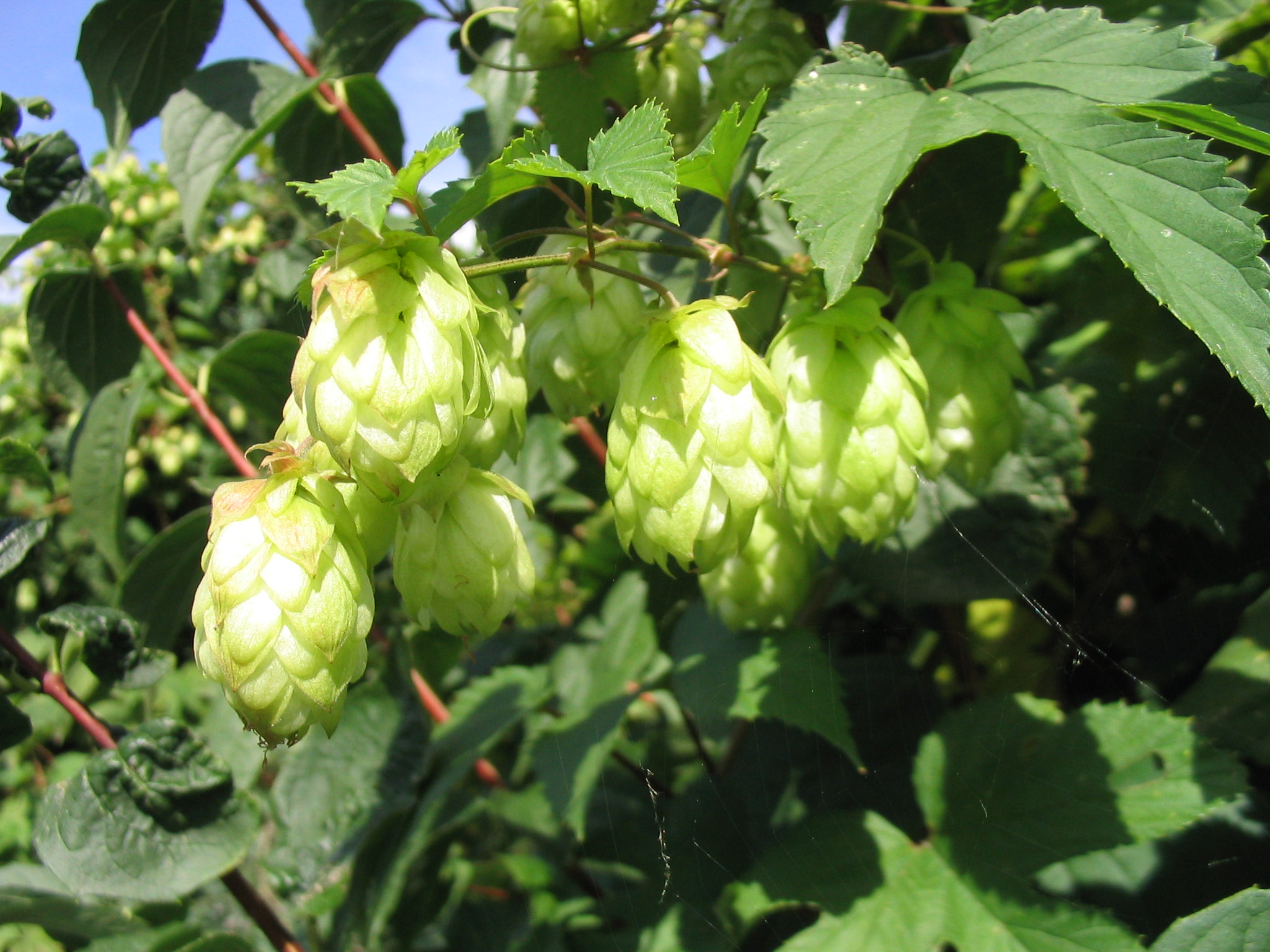
Common Hop is a dioecious, twining perennial vine that grows rapidly during the warm season, clinging to supports via rough, hooked hairs along its stems. Female plants produce the papery, pale green cone-shaped inflorescences known as hops, which contain resins and essential oils that impart bitterness, aroma, and preservative properties to beer. While most widely cultivated for the brewing industry, it is also grown as a dense ornamental screen for trellises, fences, and arbors in temperate gardens.
Care Guide
Watering
Keep soil consistently moist but not waterlogged, providing 1-2 inches of water per week during active growth; reduce watering frequency in fall as foliage dies back for dormancy. Avoid overhead watering to minimize fungal disease risk, directing water at the root zone instead. Drought stress can reduce cone yield, so mulch around the base to retain soil moisture.
Light
Requires full sun, meaning at least 6-8 hours of direct, unfiltered sunlight daily for optimal growth and cone production. It can tolerate very light partial shade, but reduced light will lead to weaker growth, fewer flowers, and increased susceptibility to pest and disease issues. Plant in a south or west-facing location with unobstructed sun exposure for best results.
Soil
Thrives in well-drained, loamy or sandy-loam soil with a slightly acidic to neutral pH between 6.0 and 7.0. Heavy clay soils that retain standing water will cause root rot, so amend compacted soil with compost or aged manure before planting to improve drainage and fertility. A deep, fertile soil profile supports the plant’s extensive root system, which can grow several feet deep.
Fertilizer
Apply a balanced, slow-release 10-10-10 fertilizer in early spring just as new growth emerges to support vigorous vine development. Avoid over-fertilizing with high-nitrogen formulas, as this will encourage excess leaf growth at the expense of cone production. If soil is poor, a light side-dressing of compost can be applied in mid-summer, but additional fertilization is rarely needed for established plants.
Temperature
Grows best in temperate climates with average summer temperatures between 60-75°F (15-24°C), though it can tolerate short periods of heat up to 95°F (35°C) if provided with adequate water. It is cold hardy to USDA zones 3-8, requiring a winter dormancy period with temperatures below 45°F (7°C) for 6-8 weeks to trigger new spring growth. Aboveground foliage dies back completely after the first hard frost, with root systems surviving freezing winter temperatures.
Pruning
In early spring, cut back all previous year’s dead vines to 2-3 feet above the ground to make room for new, vigorous growth. Once new shoots reach 1-2 feet tall, thin them to 3-6 of the strongest shoots per plant to improve air circulation and direct energy to high-yielding stems. After harvesting cones in late summer or early fall, you can cut back remaining foliage to ground level if desired, though dead vines can also be left in place for winter interest before spring pruning.
Propagation
Most commonly propagated via root cuttings taken in late winter or early spring while the plant is dormant, cutting 2-4 inch sections of healthy root with at least one growth bud and planting them 1-2 inches deep in prepared soil. Softwood cuttings can also be taken from new spring growth, dipped in rooting hormone, and kept in moist, well-drained medium under high humidity until roots develop in 2-3 weeks. Growing from seed is less common, as it produces a mix of male and female plants, and female seed-grown plants often do not retain the desirable cone characteristics of the parent cultivar.
Humidity
Prefers moderate humidity levels between 40-60%, which is typical of its native temperate growing regions. It can tolerate lower humidity if provided with sufficient soil moisture, but prolonged high humidity above 70% combined with poor air circulation increases the risk of fungal diseases like powdery mildew and downy mildew. Ensure vines are spaced adequately and trained on open supports to promote airflow around foliage and reduce humidity buildup in the plant canopy.
Repotting
Common Hop is rarely grown in containers long-term due to its extensive root system and large mature size, but if potted, repot every 1-2 years in early spring before new growth emerges. Use a large, deep container with drainage holes, and refresh the potting mix with a loamy, well-drained blend amended with compost to support healthy root growth. For container-grown plants, you may need to prune back roots by 1/3 every 2-3 years to prevent the plant from becoming root-bound, which will reduce growth and cone production.
Uses & Symbolism
The primary commercial use of Common Hop is the brewing industry, where female hop cones add characteristic bitterness, floral, citrus, or piney aroma, and natural antimicrobial properties to beer. It is also planted as an ornamental climbing vine to quickly cover trellises, fences, and arbors, creating dense, leafy privacy screens in temperate gardens. Historically, hop cones have been used in herbal medicine for their mild sedative properties, often included in sleep aids, anxiety remedies, and herbal teas, while young spring shoots are occasionally eaten as a cooked vegetable similar to asparagus.
Diseases & Pests
Common Hop is susceptible to several fungal diseases, including downy mildew, which causes yellow leaf spots and stunts cone development, and powdery mildew, which forms a white, powdery coating on foliage and cones in high-humidity conditions with poor air circulation. Common pests include hop aphids, which suck sap from new growth and excrete honeydew that leads to sooty mold, and spider mites, which cause yellow stippling on leaves during hot, dry weather. Root rot can occur in poorly drained, waterlogged soils, so proper site preparation and watering practices are critical to prevent this often fatal condition.
Related plants
Other plants you might like if you grow Common Hop.