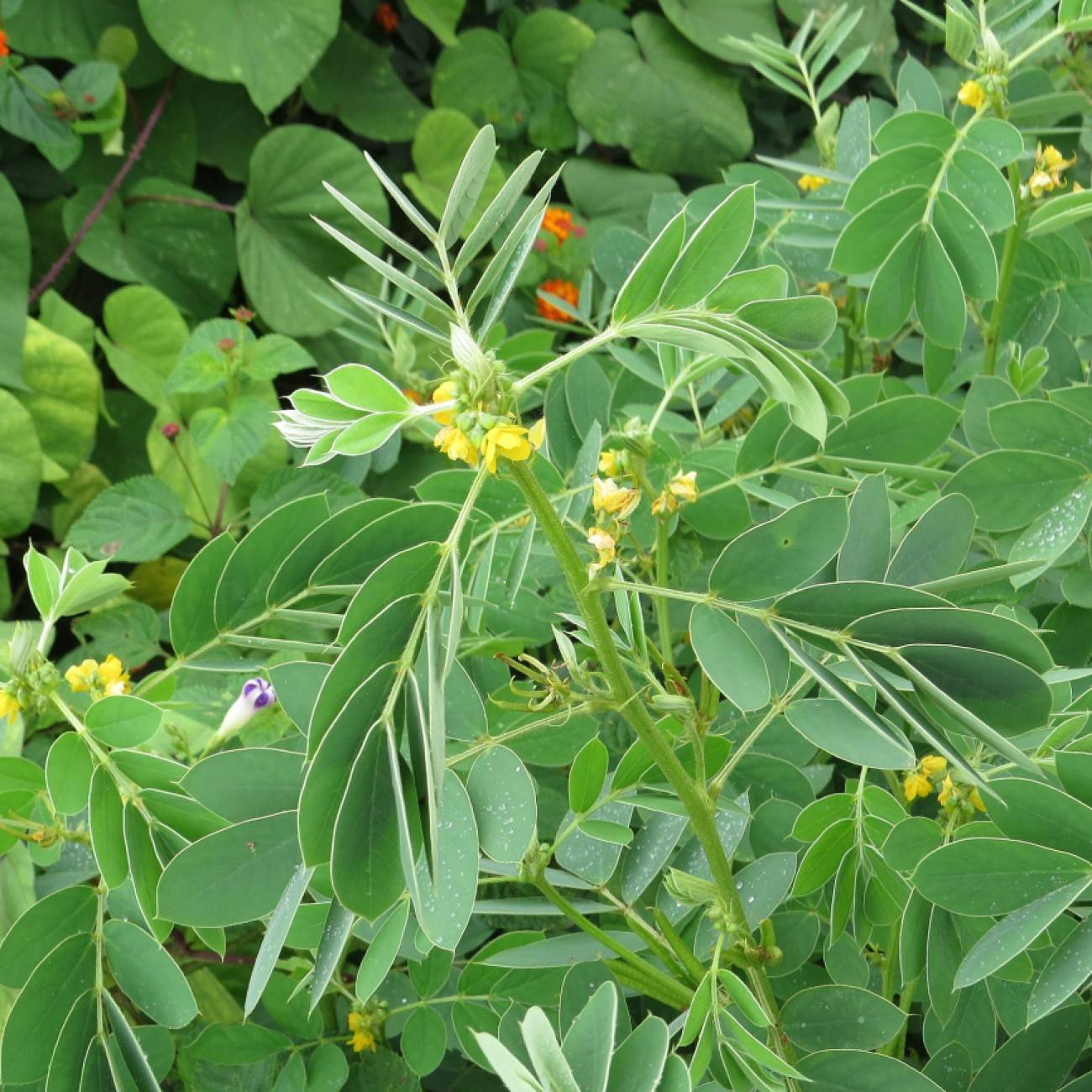
Java Bean
Phaseolus vulgaris 'Java'
Overview
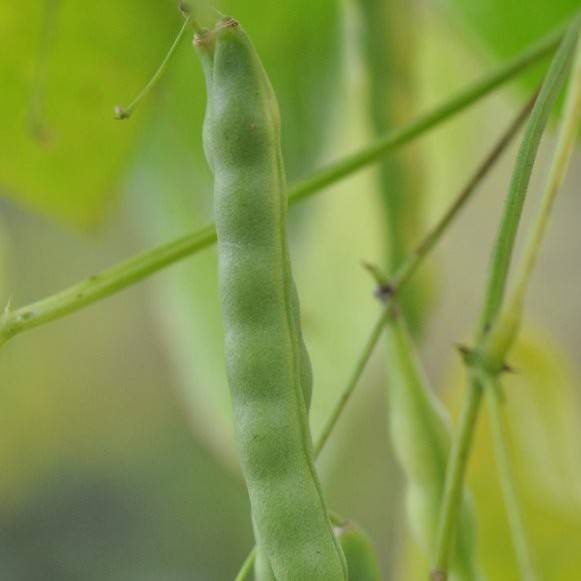
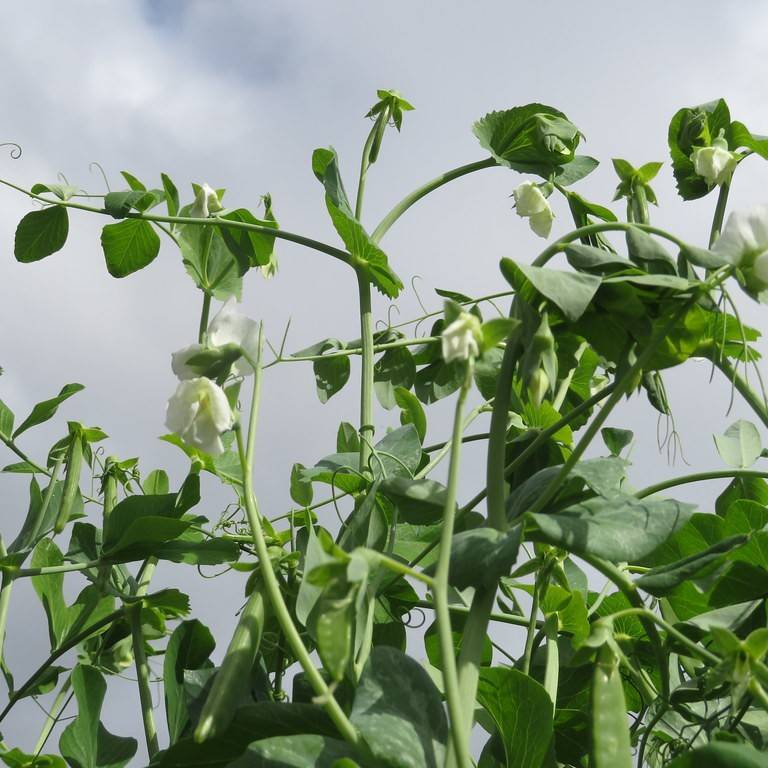
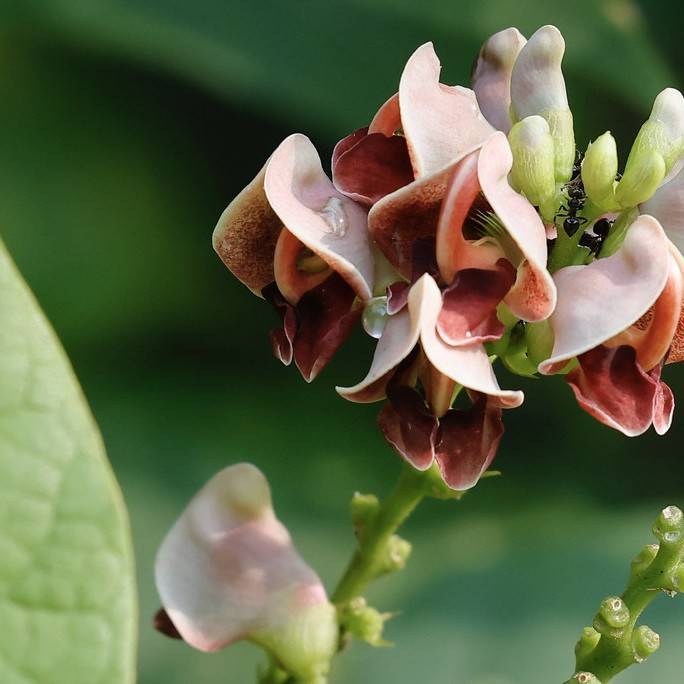
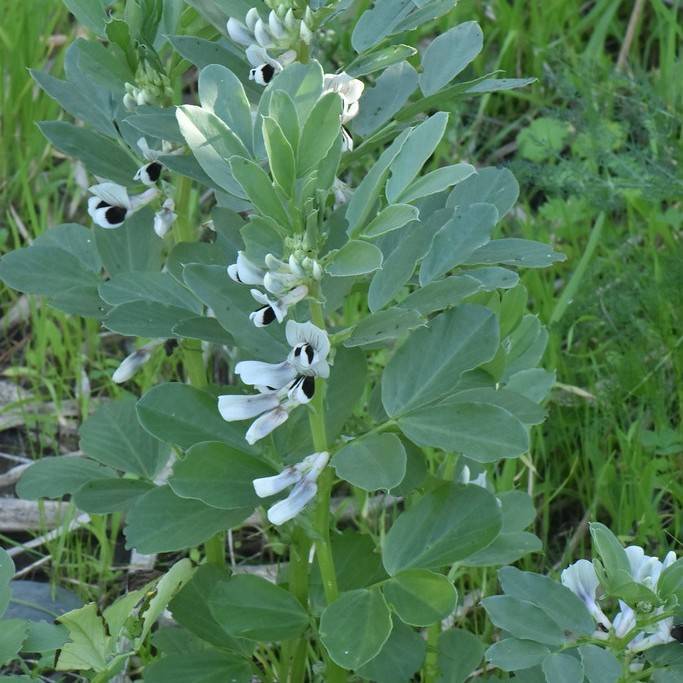
Java Bean is a popular cultivar of Phaseolus vulgaris, prized by home gardeners and small-scale farmers for its adaptability to warm, humid climates and heavy harvests. It is most often grown as a pole bean, with twining vines that require support, though compact bush varieties are also available for smaller growing spaces. Both young, snap pods and fully mature dried seeds are edible, with a mild, earthy flavor that works well in a wide range of savory dishes.
Care Guide
Watering
Water Java Bean plants deeply once or twice per week, providing 1 to 1.5 inches of water total weekly, to keep the top 6 inches of soil consistently moist but not waterlogged. Avoid overhead watering to reduce the risk of foliar fungal diseases, targeting water directly at the base of the plants instead. Reduce watering slightly once pods begin to mature fully for dried bean harvest.
Light
Java Bean requires full, direct sunlight for a minimum of 6 to 8 hours per day to produce strong vines and abundant pods. Plants grown in partial shade will develop lanky, weak growth and produce significantly smaller harvests, and may be more susceptible to pest and disease pressure. In extremely hot tropical regions, light afternoon shade can help prevent sunscald on young pods during the hottest summer months.
Soil
Java Bean grows best in loose, well-draining loamy or sandy loam soil with a slightly acidic to neutral pH between 6.0 and 7.0. Amend heavy clay soils with compost or well-rotted manure prior to planting to improve drainage and aeration, which supports healthy root development and prevents rot. As a legume, it forms symbiotic relationships with nitrogen-fixing bacteria in the soil, reducing its need for high-nitrogen amendments.
Fertilizer
Prior to planting, amend soil with 2 to 3 inches of compost or a balanced 10-10-10 granular fertilizer worked into the top 6 inches of the planting bed to support initial vine growth. Avoid over-fertilizing with high-nitrogen products, as this will encourage lush leafy growth at the expense of pod production. A light side-dressing of compost or low-nitrogen fertilizer can be applied once when plants begin to flower to support pod development.
Temperature
Java Bean thrives in warm temperatures between 70°F and 85°F (21°C to 29°C), and will not tolerate frost or prolonged temperatures below 50°F (10°C). Plant seeds outdoors only after all risk of frost has passed and soil temperatures have reached at least 60°F (16°C) to ensure successful germination. Prolonged temperatures above 90°F (32°C) can cause flower drop and reduce pod set, so provide light shade during extreme heat events if possible.
Pruning
Pruning is not required for Java Bean plants, though you can pinch off the growing tip of pole varieties once they reach the top of their support structure to encourage bushier lateral growth and higher pod production. Remove any yellowed, diseased, or damaged leaves throughout the growing season to improve air circulation around the base of the plants and reduce fungal disease risk. Avoid excessive pruning of healthy foliage, as this reduces the plant’s ability to photosynthesize and produce energy for pod development.
Propagation
Java Bean is almost exclusively propagated from seed, planted directly in the growing location 1 to 2 inches deep, with 2 to 3 seeds per hole spaced 4 to 6 inches apart for pole varieties, or 2 inches apart for bush varieties. Seeds germinate in 7 to 10 days under warm, moist soil conditions, and do not transplant well due to their delicate root systems, so direct sowing is preferred over starting plants indoors. Heirloom Java Bean varieties will produce seeds that grow true to type, so you can save fully dried, mature seeds from your harvest for planting the following season.
Humidity
Java Bean tolerates a wide range of humidity levels, growing best in moderate to high humidity between 50% and 70%, which is typical of its preferred tropical and subtropical growing regions. Very low humidity can cause flower drop and reduce pod set, so water regularly to maintain consistent soil moisture in dry climates. Ensure good air circulation around plants in very high humidity conditions to prevent the development of powdery mildew and other foliar fungal diseases.
Repotting
Java Bean is rarely grown in containers long-term, but if planting in pots, use a 5-gallon or larger container with drainage holes, filled with well-draining potting mix amended with compost. Repotting is not necessary for this annual plant, as it completes its entire life cycle in a single growing season. If plants outgrow their initial container early in the season, transplant carefully to avoid damaging the delicate taproot, minimizing root disturbance as much as possible during the process.
Uses & Symbolism
Young, tender Java Bean pods are harvested as snap beans and eaten raw in salads, steamed, stir-fried, or added to soups and stews. Fully mature dried beans are used as a staple protein source in curries, chili, bean salads, and other savory dishes, and are a common ingredient in many Southeast Asian, Latin American, and Caribbean cuisines. As a legume, it is also used as a cover crop to improve soil fertility by fixing atmospheric nitrogen, and the leftover vine biomass can be tilled into soil as a green manure after harvest.
Diseases & Pests
Common fungal diseases affecting Java Bean include powdery mildew, downy mildew, and anthracnose, which thrive in humid, poorly ventilated conditions and can be prevented by avoiding overhead watering, spacing plants appropriately for air flow, and removing infected foliage immediately. Common pests include aphids, spider mites, bean beetles, and whiteflies, which can be controlled with insecticidal soap, neem oil, or by introducing beneficial predatory insects such as ladybugs and lacewings. Root rot can occur in waterlogged, poorly draining soil, so avoid overwatering and plant in loose, well-amended soil to reduce risk.
Related plants
Other plants you might like if you grow Java Bean.