American Groundnut
Apios americana
Overview
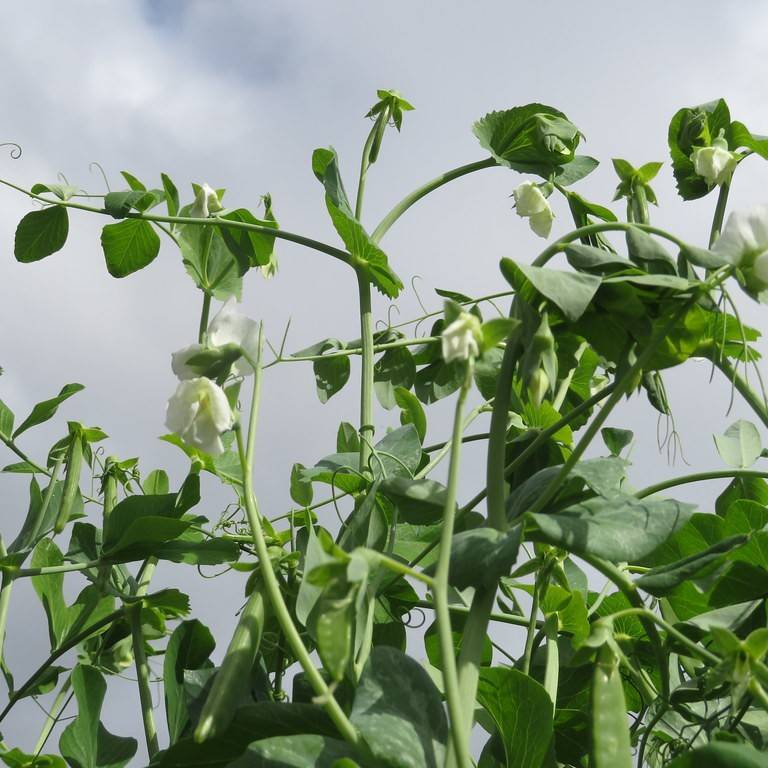
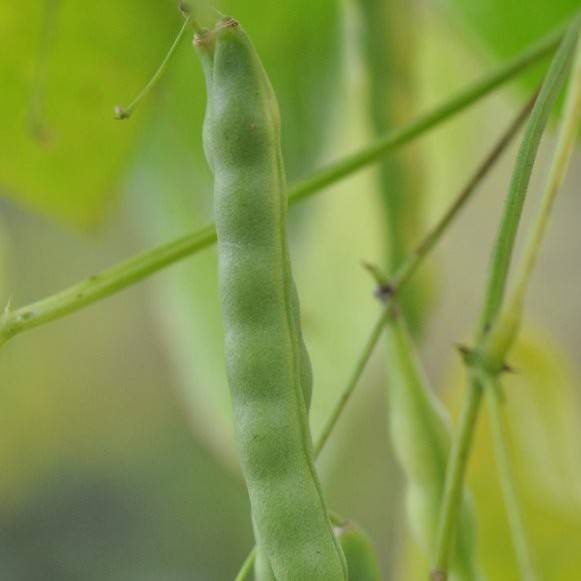
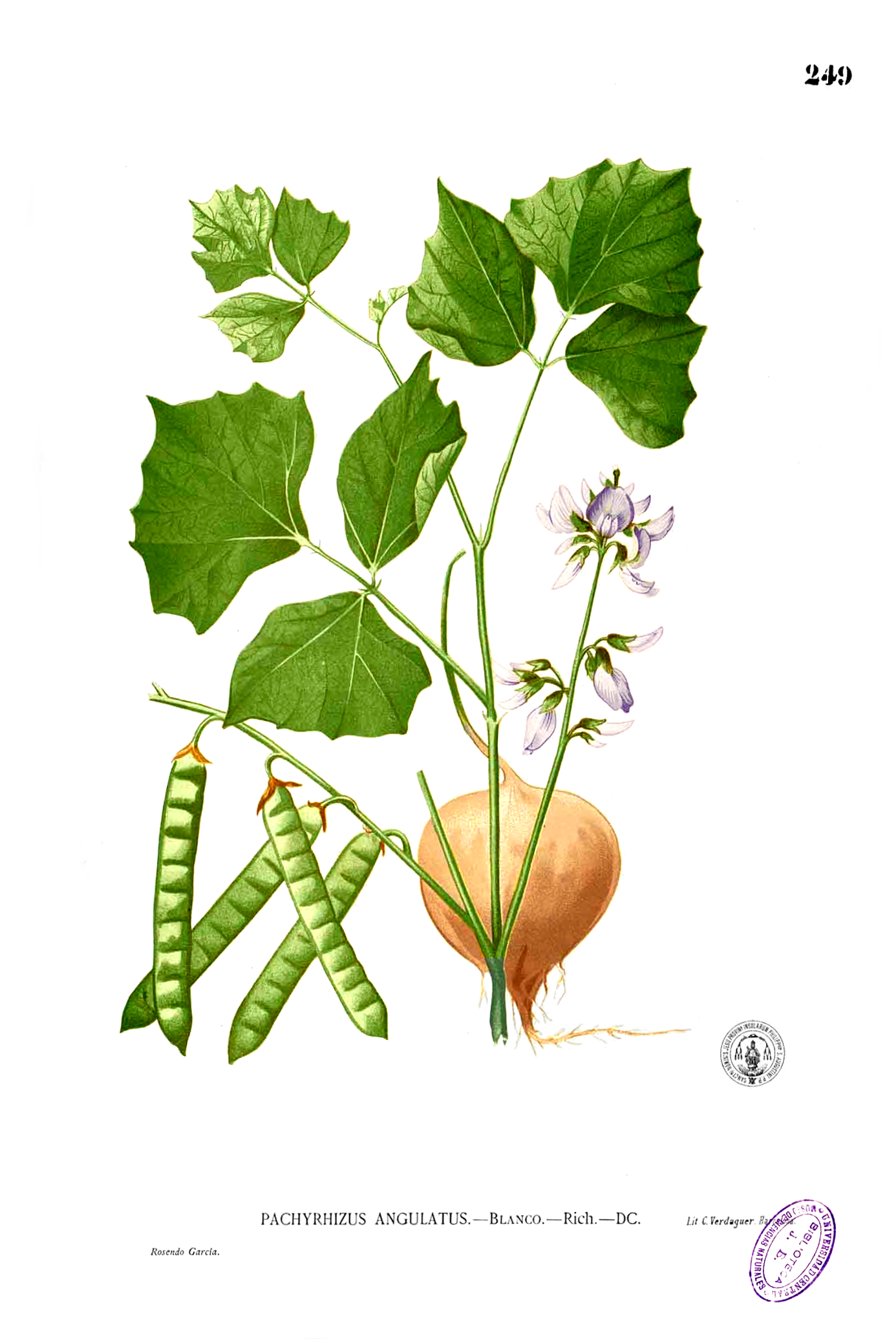
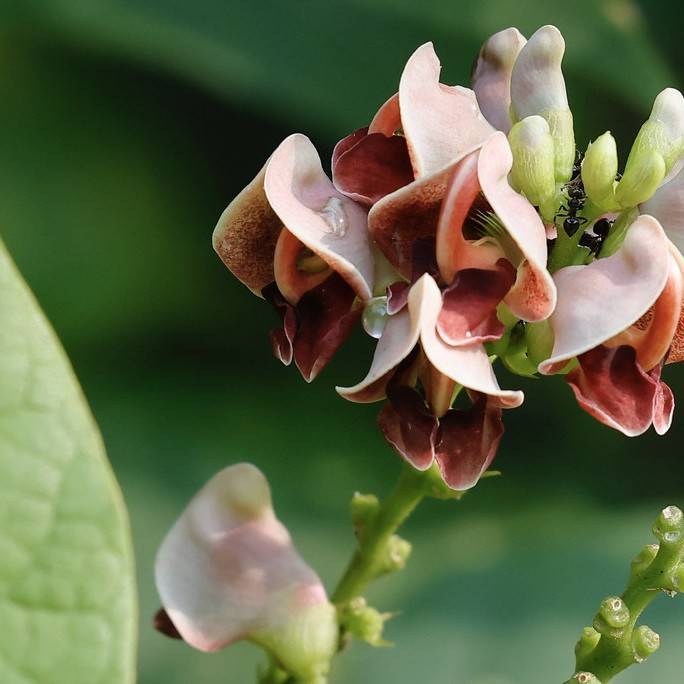
American Groundnut, also called potato bean or hopniss, is a climbing herbaceous vine in the pea family, valued for both its edible parts and ornamental appeal. It produces clusters of sweet, pea-like maroon or pinkish flowers in late summer, followed by slender seed pods, while thick, starchy tubers form along its underground rhizomes. Historically a staple food source for Indigenous peoples of North America, it has gained modern interest as a low-maintenance, high-yield edible perennial crop.
Care Guide
Watering
Keep soil consistently moist but not waterlogged, especially during active growth in spring and summer, to support tuber development. Reduce watering frequency in fall as foliage dies back, and maintain slightly dry conditions during winter dormancy to prevent tuber rot. Avoid allowing the root zone to dry out completely for extended periods, as this can stunt growth and reduce tuber yields.
Light
Thrives in full sun, which maximizes flower and tuber production, though it tolerates partial shade, particularly in warmer southern climates. In partial shade, vines may grow taller to reach light, and yields will be lower than plants grown in full sun. Provide a trellis, fence, or other support structure for vines to climb, as this improves air circulation and reduces disease risk.
Soil
Prefers well-drained, loamy, slightly acidic to neutral soil with a pH between 5.5 and 7.0, though it adapts to a wide range of soil types including sandy or clay soils as long as drainage is adequate. As a nitrogen-fixing legume, it forms symbiotic relationships with rhizobium bacteria, so it does not require nitrogen-rich soil to thrive. Incorporate organic matter such as compost into the planting site to improve soil structure and moisture retention.
Fertilizer
Generally requires minimal fertilization, as it fixes its own nitrogen from the air; excessive nitrogen fertilizer will promote leafy growth at the expense of tubers and flowers. Apply a balanced, slow-release low-nitrogen fertilizer in early spring if soil is particularly poor, to support root and tuber development. Avoid high-nitrogen synthetic fertilizers entirely, as they will disrupt the plant’s natural nitrogen-fixing process and reduce yields.
Temperature
Grows best in temperatures between 60-85°F (15-29°C) during its active growing season, and tolerates summer highs up to 100°F (38°C) with adequate moisture. Tubers are cold-hardy to -30°F (-34°C) when left in the ground with a thick layer of mulch for winter protection, making it suitable for USDA hardiness zones 3 to 9. In regions with harsh winters, mulch heavily with straw or leaves after foliage dies back in fall to insulate underground tubers.
Pruning
Prune away dead, damaged, or diseased foliage throughout the growing season to improve air circulation and reduce pest and disease risk. Cut back all top growth to 2-3 inches above the soil line after it dies back naturally in fall, to prepare the plant for winter dormancy. If grown as an ornamental, trim stray vines as needed to maintain a tidy shape on its support structure, but avoid heavy pruning during active growth as this reduces tuber yields.
Propagation
Most commonly propagated by dividing mature tubers in early spring before new growth emerges, separating individual tubers and planting them 2-3 inches deep and 1-2 feet apart. Can also be grown from seed, though seeds require 2-3 months of cold stratification to germinate, and plants grown from seed take 2-3 years to produce harvestable tubers, compared to 1 year for tuber-propagated plants. Take softwood cuttings from new growth in late spring, root them in moist potting mix, and transplant outdoors once roots are established.
Humidity
Tolerates a wide range of humidity levels, from 40% to 80%, and adapts well to both humid eastern North American climates and drier midwestern conditions. Good air circulation around vines is important in high-humidity areas to prevent fungal diseases such as powdery mildew. No supplemental humidity is required for outdoor-grown plants, and indoor container-grown plants thrive in average household humidity levels.
Repotting
If grown in containers, repot every 2-3 years in early spring before new growth emerges, to refresh soil and provide more space for tuber expansion. Use a deep container at least 12 inches deep to accommodate the spreading rhizome and tuber system, with drainage holes to prevent waterlogging. When repotting, you can harvest a portion of the mature tubers for eating before replanting the smaller, younger tubers in fresh potting mix.
Uses & Symbolism
The starchy, nutrient-dense tubers are edible, with a nutty, sweet flavor similar to potatoes, and can be boiled, roasted, fried, or mashed, while the young seed pods and seeds are also edible when cooked. It is planted as a cover crop and soil improver due to its nitrogen-fixing ability, which enriches soil for neighboring plants, and its climbing vines are grown ornamentally on trellises for their attractive, fragrant flowers. It has a long history of use in traditional Indigenous medicine for treating ailments including digestive issues and coughs, though modern medicinal research is limited.
Diseases & Pests
Most susceptible to fungal diseases including powdery mildew and leaf spot, which occur in high-humidity conditions with poor air circulation; these can be prevented by spacing plants adequately and providing good air flow around vines. Common pests include aphids, Japanese beetles, and spider mites, which feed on foliage; small infestations can be treated with insecticidal soap or neem oil, while larger infestations may require organic pesticide treatment. Root rot can occur in waterlogged, poorly drained soil, so ensure planting sites or containers have adequate drainage to prevent this fatal condition.
Related plants
Other plants you might like if you grow American Groundnut.