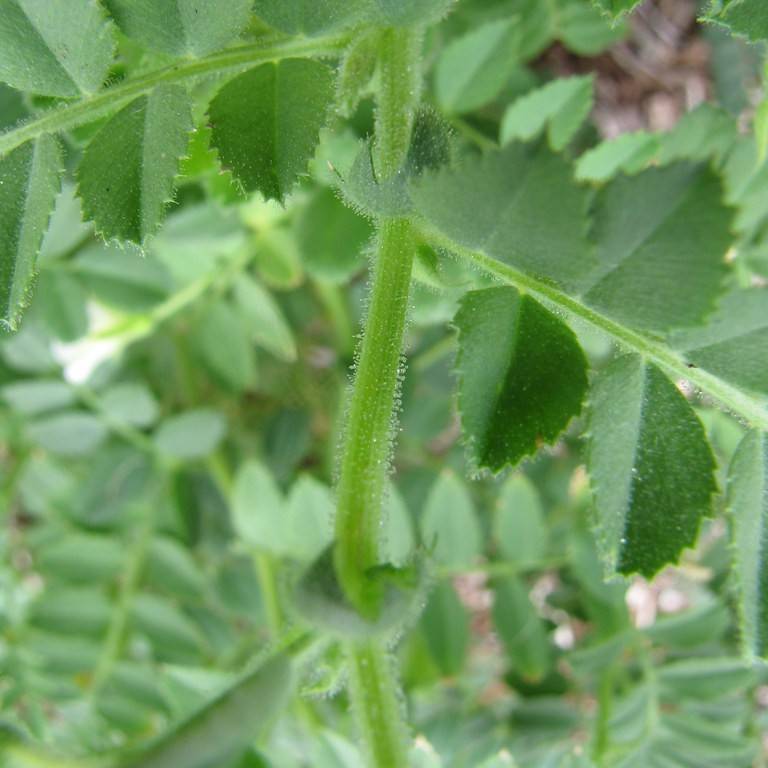
Chick Pea
Cicer arietinum
Overview
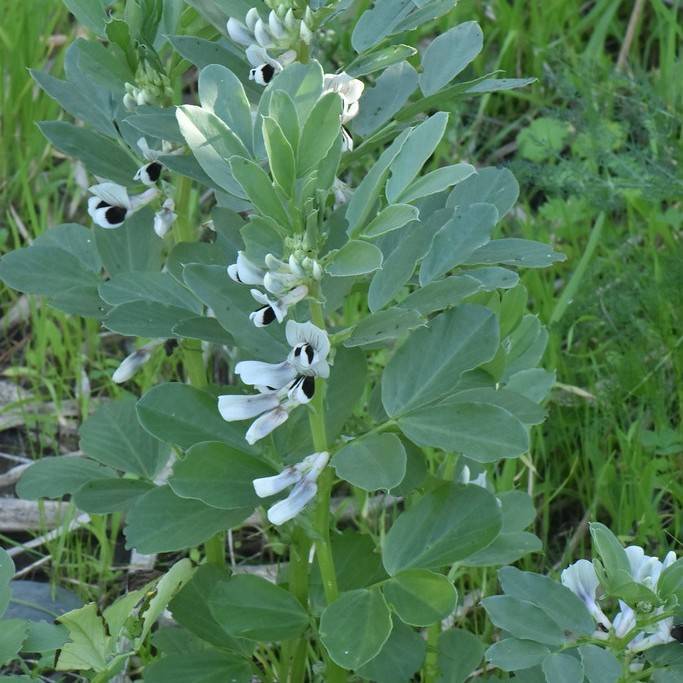
Chick pea, also called garbanzo bean, is a bushy annual legume valued for its round, protein-rich seeds that have been cultivated for over 7,000 years. It forms small, self-pollinating white, pink, or purple flowers that develop into fuzzy, inflated pods containing 1-3 seeds each, in colors ranging from beige to black or red. Two primary cultivated types exist: the small, dark-seeded desi variety common in South Asia, and the larger, pale kabuli variety popular in Mediterranean and Western markets.
Care Guide
Watering
Chick peas require consistent, moderate moisture, especially during flowering and pod development; water deeply once per week, avoiding overwatering to prevent root rot. Reduce watering gradually as pods mature and begin to dry out, as excess moisture late in the growing cycle can cause seed spoilage. Drought-tolerant once established, but prolonged dry spells during bloom will reduce yield significantly.
Light
Chick peas thrive in full, direct sunlight, requiring a minimum of 6-8 hours of unobstructed light daily to produce healthy foliage and abundant pods. Insufficient light will lead to leggy growth, reduced flowering, and lower seed yields. They do not tolerate shade well, so plant them in a location free from overhanging trees or tall competing crops.
Soil
Grow chick peas in well-draining, loamy or sandy-loam soil with a neutral pH between 6.0 and 7.0 for optimal growth. They tolerate poor, low-nutrient soil better than many vegetable crops, as their root nodules fix atmospheric nitrogen to support their own growth. Avoid heavy, compacted clay soils that hold excess moisture, as these increase the risk of root rot and stunted root development.
Fertilizer
Chick peas rarely require nitrogen fertilizer, as their symbiotic rhizobium bacteria fix sufficient nitrogen from the air; excess nitrogen will encourage leafy growth over pod production. Prior to planting, amend soil with compost or a balanced 10-10-10 fertilizer at half the recommended rate to provide phosphorus and potassium for root and flower development. A light side-dressing of phosphorus-rich fertilizer such as bone meal can be applied at flowering to boost pod set if soil is particularly low in nutrients.
Temperature
Chick peas are cool-season crops that grow best in temperatures between 60-80°F (15-27°C), and can tolerate light frost down to 20°F (-7°C) when young. They are sensitive to heat above 90°F (32°C), especially during flowering, as high temperatures cause blossom drop and reduce pod formation. For most climates, plant chick peas 2-3 weeks before the last expected spring frost, or in late fall for mild winter regions where temperatures stay above freezing.
Pruning
Chick peas do not require regular pruning, but thinning overcrowded seedlings to 4-6 inches (10-15 cm) apart improves air circulation and reduces disease risk. Pinch back the top 1-2 inches of young plants when they reach 6 inches tall to encourage bushier, more productive growth. Remove any yellowed or diseased lower leaves throughout the growing season to prevent the spread of fungal pathogens.
Propagation
Chick peas are exclusively propagated from seed, sown directly in the garden as they do not transplant well due to their delicate taproot. Sow seeds 1-2 inches deep, spaced 2-3 inches apart in rows 18-24 inches apart, after soil temperatures have reached at least 50°F (10°C). Soak seeds in water for 12-24 hours before planting to speed up germination, which typically occurs within 7-14 days under optimal conditions.
Humidity
Chick peas prefer moderate humidity levels between 40-60% for healthy growth and pod development. High humidity above 70% increases the risk of fungal diseases such as ascochyta blight and powdery mildew, especially when combined with poor air circulation. They tolerate dry, low-humidity conditions well, as long as soil moisture levels are kept consistent during flowering and pod fill.
Repotting
Chick peas are almost exclusively grown in outdoor garden beds, as their deep taproot makes them poorly suited for container growing or repotting. If grown in large containers (at least 12 inches deep), avoid transplanting once seedlings are established, as disturbing the taproot will cause severe stress or plant death. For container plantings, sow seeds directly in the final pot to eliminate the need for repotting entirely.
Uses & Symbolism
Chick peas are a globally important staple food, eaten cooked whole, roasted as a snack, ground into flour for flatbreads and falafel, or processed into hummus and other dips. As a nitrogen-fixing legume, they are used in crop rotation systems to improve soil fertility for subsequent crops such as cereals or vegetables. In some regions, young chick pea pods and shoots are also eaten as a fresh, nutrient-dense green vegetable.
Diseases & Pests
Chick peas are susceptible to fungal diseases including ascochyta blight, fusarium wilt, and root rot, most commonly caused by overwatering, poor drainage, or high humidity conditions. Common pests include aphids, cutworms, and bean weevils, which feed on foliage, roots, and stored seeds respectively. Rotating crops annually, planting disease-resistant varieties, and avoiding overhead watering can significantly reduce the incidence of most pest and disease issues.
Related plants
Other plants you might like if you grow Chick Pea.