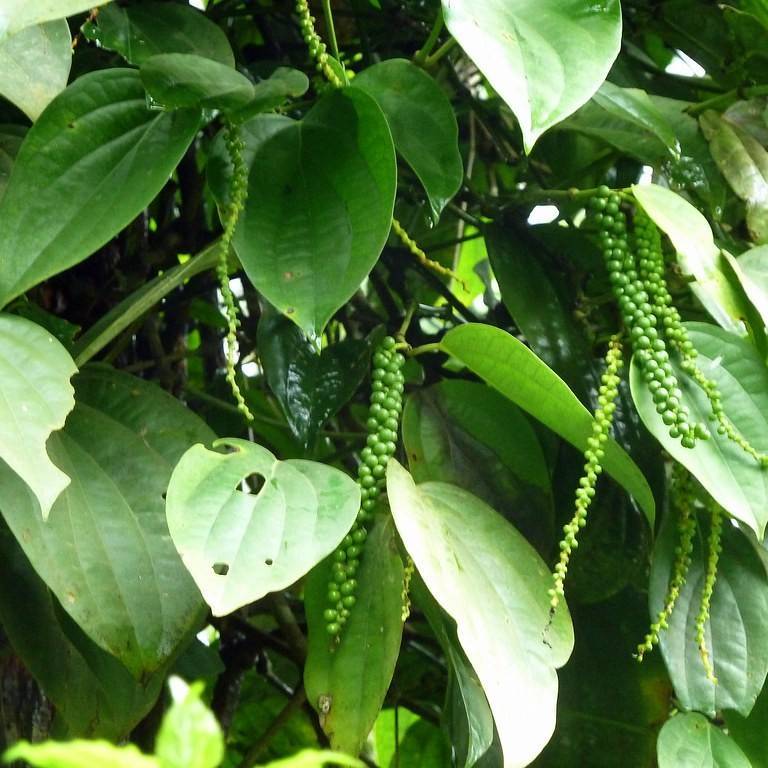
Common Pepper
Capsicum annuum
Overview
Capsicum annuum, widely known as common pepper, is the most extensively cultivated species of the Capsicum genus, encompassing varieties ranging from sweet bell peppers to fiery jalapeños and cayenne peppers. Native to Central and South America, it has been domesticated for over 6,000 years and spread globally following European exploration of the Americas. While it grows as a short-lived perennial in its native tropical range, it is most often grown as an annual in temperate climates where cold winter temperatures kill the plant.
Care Guide
Watering
Water common pepper plants deeply when the top 1 to 2 inches of soil feel dry to the touch, aiming to keep the soil consistently moist but never waterlogged to prevent root rot. Reduce watering frequency as fruits approach maturity to concentrate flavor and reduce the risk of fruit splitting. Avoid overhead watering to minimize the spread of foliar diseases, instead directing water at the base of the plant.
Light
Common pepper requires full, direct sunlight for a minimum of 6 to 8 hours per day to produce healthy foliage and abundant, well-developed fruits. When grown indoors as a houseplant or for seed starting, provide supplemental grow lights if natural sunlight is insufficient to prevent leggy, weak growth. Insufficient light will lead to reduced yields, smaller fruits, and increased susceptibility to pest infestations.
Soil
Plant common pepper in well-draining, loamy or sandy-loam soil with a slightly acidic to neutral pH between 6.0 and 7.0 for optimal nutrient uptake. Amend heavy clay soils with organic matter such as compost or aged manure to improve drainage and add nutrients that support healthy root development. Avoid compacted, poorly drained soils that can cause root rot and stunt plant growth.
Fertilizer
Fertilize pepper plants with a balanced, all-purpose fertilizer at planting time to support initial foliage and root growth. Once plants begin to flower and set fruit, switch to a fertilizer with a higher potassium content to promote fruit development, applying every 2 to 3 weeks throughout the growing season. Avoid over-fertilizing with nitrogen, as this can lead to excessive leaf growth at the expense of fruit production.
Temperature
Common pepper thrives in warm temperatures between 70 and 85°F (21 and 29°C) during the growing season, with nighttime temperatures no lower than 60°F (15°C). Temperatures above 90°F (32°C) or below 55°F (13°C) can cause flower drop and prevent fruit set, so provide shade during extreme heat or bring potted plants indoors during cold snaps. Frost will kill the plant, so plant outdoors only after all danger of frost has passed in temperate regions.
Pruning
Prune common pepper plants sparingly, removing any yellowed, damaged, or diseased lower leaves to improve air circulation around the base of the plant and reduce disease risk. For larger varieties, pinch off the top growing tip when the plant reaches 12 to 18 inches tall to encourage bushier growth and more fruit-bearing branches. Remove any small, misshapen fruits early to redirect the plant’s energy to developing larger, healthier fruits.
Propagation
Common pepper is most commonly propagated from seed, sown 6 to 8 weeks before the last expected frost date in temperate regions to give seedlings a head start on the growing season. Sow seeds 1/4 inch deep in moist, well-draining seed starting mix, keeping them at 75 to 85°F (24 to 29°C) until germination, which typically occurs within 7 to 14 days. It can also be propagated from stem cuttings taken from healthy, mature plants, rooted in moist potting mix with high humidity for 2 to 3 weeks.
Humidity
Common pepper prefers moderate humidity levels between 40 and 70% for optimal growth and fruit development. Excessively high humidity above 80% can increase the risk of fungal diseases such as powdery mildew and blossom end rot, especially if combined with poor air circulation. Low humidity below 30% can cause flower drop and reduce fruit set, so mist indoor plants occasionally or place a tray of water near potted specimens to raise humidity if needed.
Repotting
Potted common pepper plants should be repotted once they outgrow their current container, typically when roots begin to emerge from the drainage holes at the bottom. Use a container that is 2 to 4 inches larger in diameter than the previous one, filled with fresh, nutrient-rich potting mix amended with compost to support continued growth. Repot in early spring before the active growing season begins, taking care not to damage the delicate root system during the process.
Uses & Symbolism
Common pepper fruits are a staple in cuisines worldwide, eaten raw, roasted, sautéed, or dried and ground into spices such as paprika, cayenne, and chili powder, adding flavor, heat, and nutritional value including high levels of vitamin C. Some ornamental varieties with colorful, small fruits are grown as houseplants or decorative garden specimens for their vibrant foliage and persistent, eye-catching fruit. Historically, the pungent compound capsaicin from hot pepper varieties has been used in traditional medicine for pain relief and digestive support.
Diseases & Pests
Common pepper is susceptible to a range of fungal diseases including anthracnose, phytophthora root rot, and powdery mildew, which thrive in overly moist, poorly ventilated conditions. Common insect pests include aphids, whiteflies, spider mites, and pepper weevils, which feed on foliage, sap, and developing fruits, weakening the plant and reducing yields. Blossom end rot, a physiological disorder caused by inconsistent watering or calcium deficiency, causes dark, sunken spots on the bottom of developing fruits and can be prevented with regular watering and soil calcium amendments.
Related plants
Other plants you might like if you grow Common Pepper.