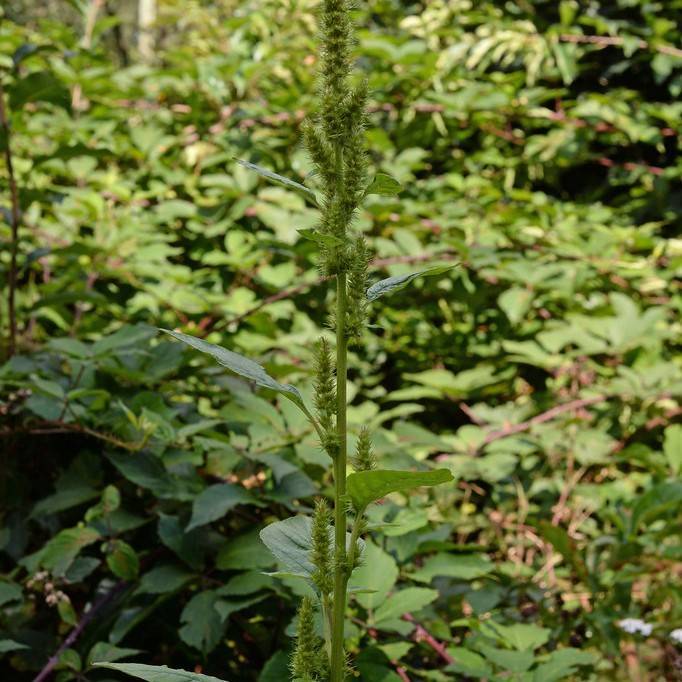
Amaranth
Amaranthus spp.
Overview
Amaranth is a genus of over 60 species, with both cultivated food varieties and ornamental types grown for their dramatic, long-lasting inflorescences. Cultivated for thousands of years as a staple grain by Mesoamerican civilizations, it has regained popularity as a nutrient-rich pseudocereal high in protein, iron, and antioxidants. Ornamental varieties produce vivid red, pink, gold, or green plumes that retain their color when dried, making them a favorite for cut flower arrangements.
Care Guide
Watering
Water amaranth deeply once or twice per week, allowing the top 1-2 inches of soil to dry out between waterings to prevent root rot. Established plants are drought-tolerant, but consistent moisture supports better leaf and grain production; avoid overwatering, as soggy soil leads to fungal issues.
Light
Amaranth thrives in full sun, requiring a minimum of 6-8 hours of direct sunlight daily for optimal growth, flower development, and grain yield. It can tolerate partial shade, but plants grown in low light will be leggy, produce fewer blooms, and have lower nutritional content in edible parts.
Soil
Amaranth adapts to most well-draining soil types, but prefers fertile, loamy soil with a pH between 6.0 and 7.5 for best growth. It can tolerate poor, low-nutrient soils better than many other crops, but amending heavy clay or sandy soils with compost will improve drainage and nutrient availability.
Fertilizer
Amaranth is a light feeder that typically does not require heavy fertilization if planted in moderately fertile soil. If growth is stunted, apply a balanced, all-purpose organic fertilizer once mid-season, avoiding high-nitrogen formulas that encourage excessive leaf growth at the expense of flowers and grain.
Temperature
Amaranth is a warm-season crop that grows best in temperatures between 70-90°F (21-32°C), and is highly tolerant of heat and humidity once established. It cannot tolerate frost, so plant seeds outdoors only after all danger of frost has passed, and soil temperatures have reached at least 65°F (18°C).
Pruning
For edible leaf production, pinch off the top 2-3 inches of young plants every 2-3 weeks to encourage bushier growth and more tender side shoots. For ornamental or grain varieties, remove any yellowed lower leaves throughout the growing season to improve air circulation, and deadhead spent blooms only if you want to prevent self-seeding.
Propagation
Amaranth is easily propagated from seed, sown directly outdoors after the last frost, or started indoors 4-6 weeks before the last frost date for earlier harvests. Sow seeds 1/4 inch deep, spacing plants 12-18 inches apart once thinned, as overcrowding leads to poor air circulation and reduced yields; seeds germinate in 7-14 days under warm conditions.
Humidity
Amaranth tolerates a wide range of humidity levels, from dry arid climates to high tropical humidity, as long as soil is well-draining and there is adequate air circulation around plants. In very high humidity, avoid wetting the foliage when watering to reduce the risk of fungal leaf spots and powdery mildew.
Repotting
Amaranth is rarely grown in containers long-term, but if potted, repot only if roots are visibly growing through drainage holes, using a slightly larger pot with fresh, well-draining potting mix. For container-grown edible varieties, use a pot at least 12 inches deep to accommodate the plant’s deep taproot and support healthy growth.
Uses & Symbolism
Edible amaranth varieties are grown for their tender, nutrient-dense leaves, which are cooked like spinach, and their small, gluten-free grains that can be popped, ground into flour, or cooked like rice. Ornamental amaranth varieties, such as love-lies-bleeding and Joseph’s coat, are grown for their vivid foliage and long-lasting flower plumes, used in both fresh and dried floral arrangements. It is also used as a cover crop to suppress weeds, prevent soil erosion, and add organic matter to soil when tilled under.
Diseases & Pests
Amaranth is relatively pest-resistant, but can be affected by aphids, spider mites, and flea beetles, which can be controlled with insecticidal soap or neem oil applications. Fungal diseases such as powdery mildew, root rot, and leaf spot may occur in overly wet conditions or when plants are overcrowded, so ensure proper spacing and avoid overwatering to prevent issues. Some amaranth species are also susceptible to aster yellows, a bacterial disease spread by leafhoppers, which causes stunted growth and distorted flowers; infected plants should be removed and destroyed to prevent spread.
Guides that mention Amaranth
Related plants
Other plants you might like if you grow Amaranth.