Broad Bean
Vicia faba
Overview
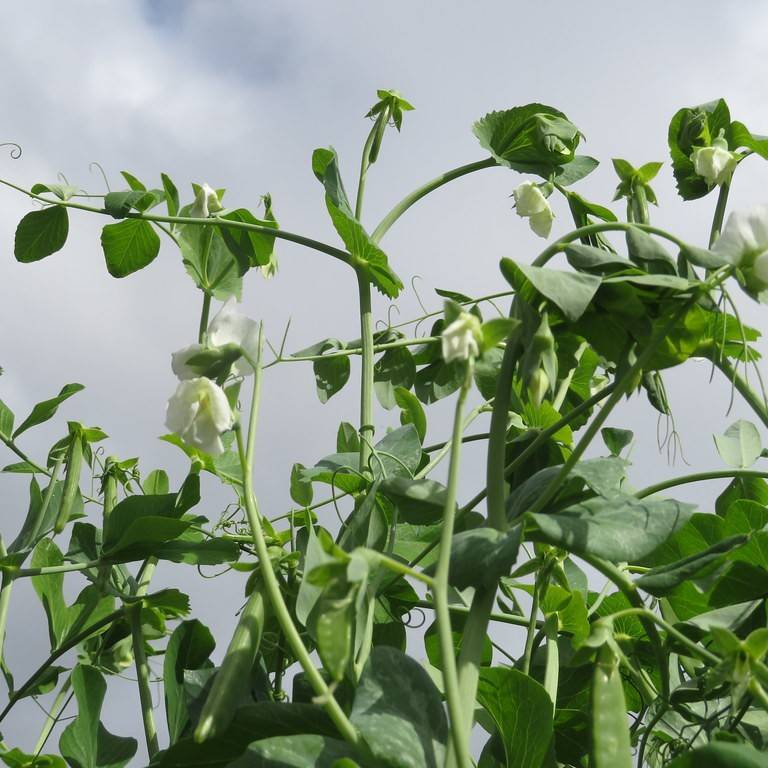
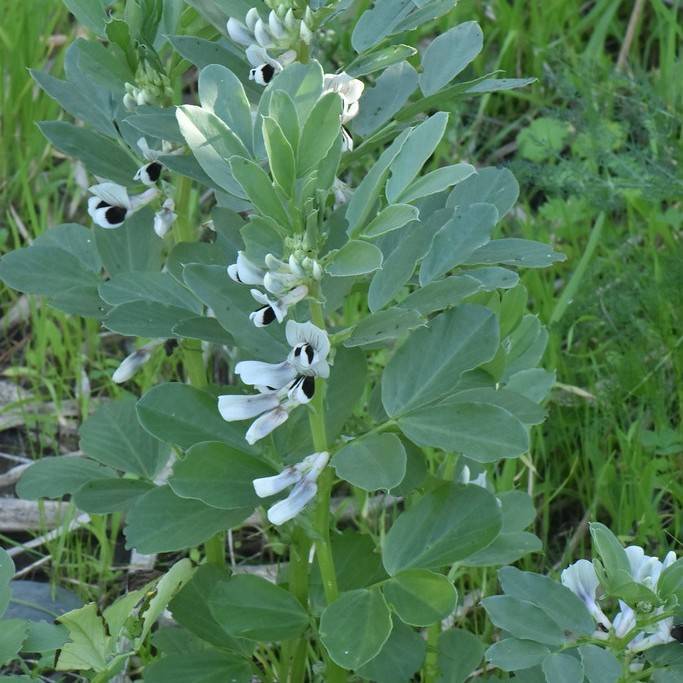
Broad bean, also called fava bean, is a hardy cool-season legume that thrives in lower temperatures unlike many other bean species. It bears clusters of fragrant white-and-purple pealike flowers that develop into thick, fleshy pods containing large, flat, edible seeds. Cultivated for over 8,000 years, it is a staple crop in many European, Middle Eastern, and North African cuisines, and also serves as a valuable cover crop to improve soil fertility.
Care Guide
Watering
Water broad beans regularly to keep soil consistently moist but not waterlogged, providing approximately 1 inch of water per week, especially during flowering and pod development. Avoid overhead watering to reduce the risk of fungal diseases, directing water to the base of plants instead. Reduce watering once pods begin to mature to prevent seed splitting.
Light
Grow broad beans in full sun, requiring a minimum of 6 hours of direct sunlight daily for optimal growth and pod production. They can tolerate light partial shade, but yields will be reduced and plants may become leggy in overly shaded locations.
Soil
Broad beans prefer well-drained, loamy soil with a pH between 6.0 and 7.0, though they can adapt to a wide range of soil types as long as drainage is good. As legumes, they fix atmospheric nitrogen with the help of rhizobium bacteria, so they do not need high-nitrogen soil; prior to planting, work in well-rotted compost to improve soil structure. Avoid heavy, waterlogged clay soils that can cause root rot.
Fertilizer
Because they fix their own nitrogen, broad beans rarely require additional nitrogen fertilizer, which can actually promote leafy growth over pod production. Apply a balanced, low-nitrogen 5-10-10 fertilizer at planting time to support root and flower development if soil is poor. Side-dress with compost mid-season if plants show signs of nutrient deficiency, such as yellowing lower leaves.
Temperature
Broad beans thrive in cool temperatures between 60-65°F (15-18°C), and can tolerate light frosts down to 20°F (-7°C) once established, making them ideal for early spring and fall plantings. They do not perform well in temperatures above 75°F (24°C), as heat causes poor pollination, reduced pod set, and bitter-tasting seeds. In mild winter climates, they can be planted in late fall for a late winter or early spring harvest.
Pruning
Pruning is not required for broad beans, but pinching off the top 2-3 inches of growth once the first flowers appear can encourage bushier growth, improve air circulation, and reduce aphid infestations. Remove any yellowed or diseased lower leaves throughout the growing season to prevent the spread of fungal pathogens. After harvest, cut plants down at the base and till the roots into the soil to add organic matter and release fixed nitrogen for subsequent crops.
Propagation
Broad beans are almost exclusively propagated from seed, sown directly in the garden 2-4 weeks before the last expected frost date in spring, or in late fall in mild winter regions. Sow seeds 1-2 inches deep and 4-6 inches apart in rows spaced 18-24 inches apart, as they do not transplant well due to their sensitive taproot. Soak seeds in water for 12-24 hours before sowing to speed up germination, which typically occurs in 7-14 days under optimal cool conditions.
Humidity
Broad beans prefer moderate humidity between 40-60%, and can tolerate slightly higher humidity as long as there is good air circulation around plants. High humidity combined with poor airflow increases the risk of fungal diseases like powdery mildew and chocolate spot, so avoid overcrowding plants and prune excess foliage if needed. They do not tolerate overly dry conditions for extended periods, which can cause flower drop and reduced pod development.
Repotting
Broad beans are typically grown directly in garden beds or large outdoor containers, and repotting is not recommended as they have a delicate taproot that is easily damaged during transplanting. If starting seeds indoors for an early harvest, use biodegradable peat or paper pots that can be planted directly in the soil to avoid disturbing the root system. Container-grown plants should be placed in pots at least 12 inches deep to accommodate their root growth, and do not need to be repotted during their single growing season.
Uses & Symbolism
Broad beans are primarily grown for their edible mature seeds, which are boiled, roasted, or fried and used in soups, stews, salads, and traditional dishes like ful medames. Young, tender pods can be eaten whole raw or cooked, and fresh young shoots and leaves are also edible as a cooked green similar to spinach. They are also widely used as a cover crop and green manure to suppress weeds, prevent soil erosion, and add nitrogen to soil for subsequent vegetable crops.
Diseases & Pests
Broad beans are susceptible to fungal diseases including chocolate spot, which causes dark lesions on leaves and pods, and powdery mildew, which forms a white powdery coating on foliage, both exacerbated by high humidity and poor air circulation. Common pests include black bean aphids, which cluster on new growth and sap plant vigor, and bean weevils, which notch leaf edges and can damage young seedlings. Root rot can occur in waterlogged soil, so ensure proper drainage and avoid overwatering to prevent this issue.
Related plants
Other plants you might like if you grow Broad Bean.