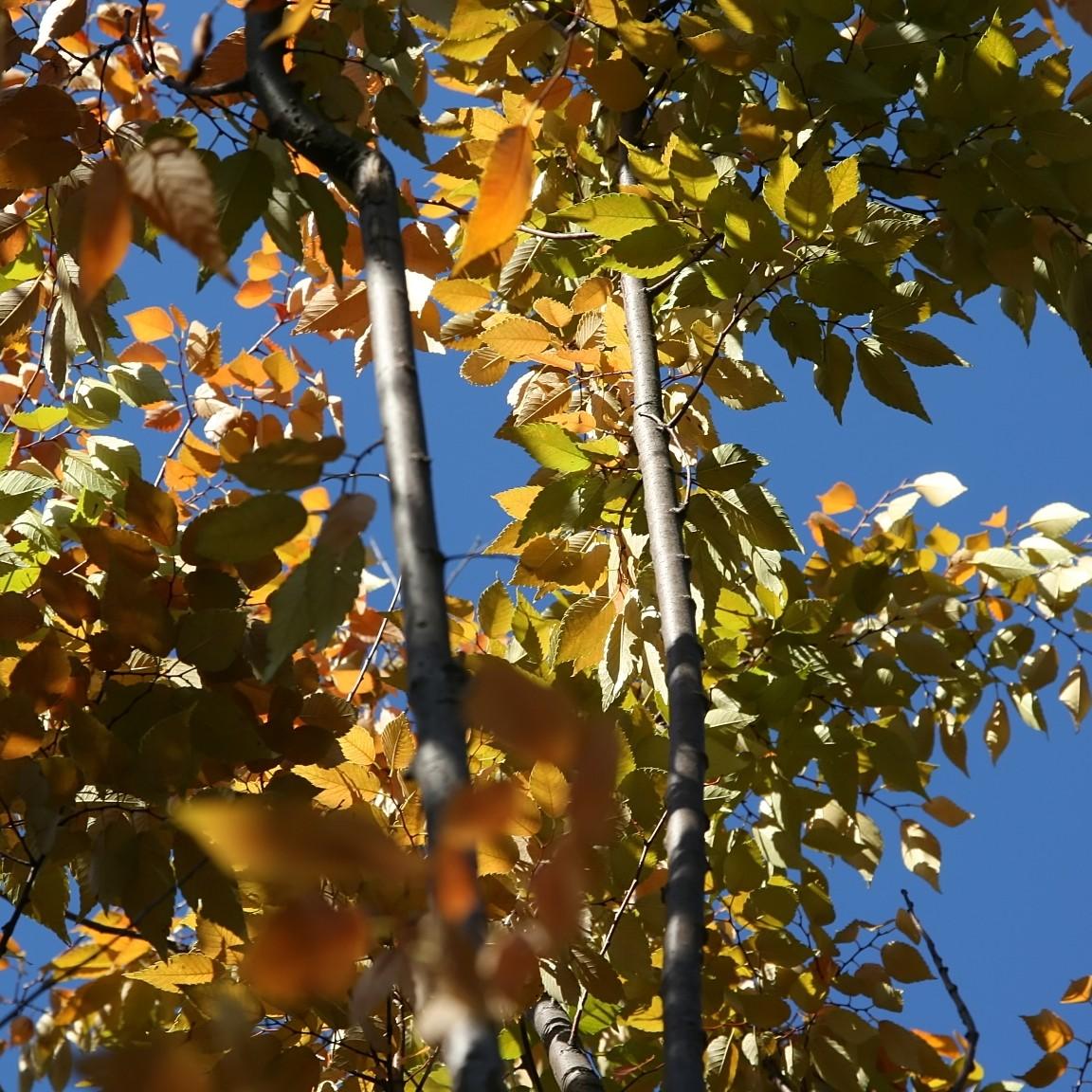
Japanese Zelkova
Zelkova serrata
Overview
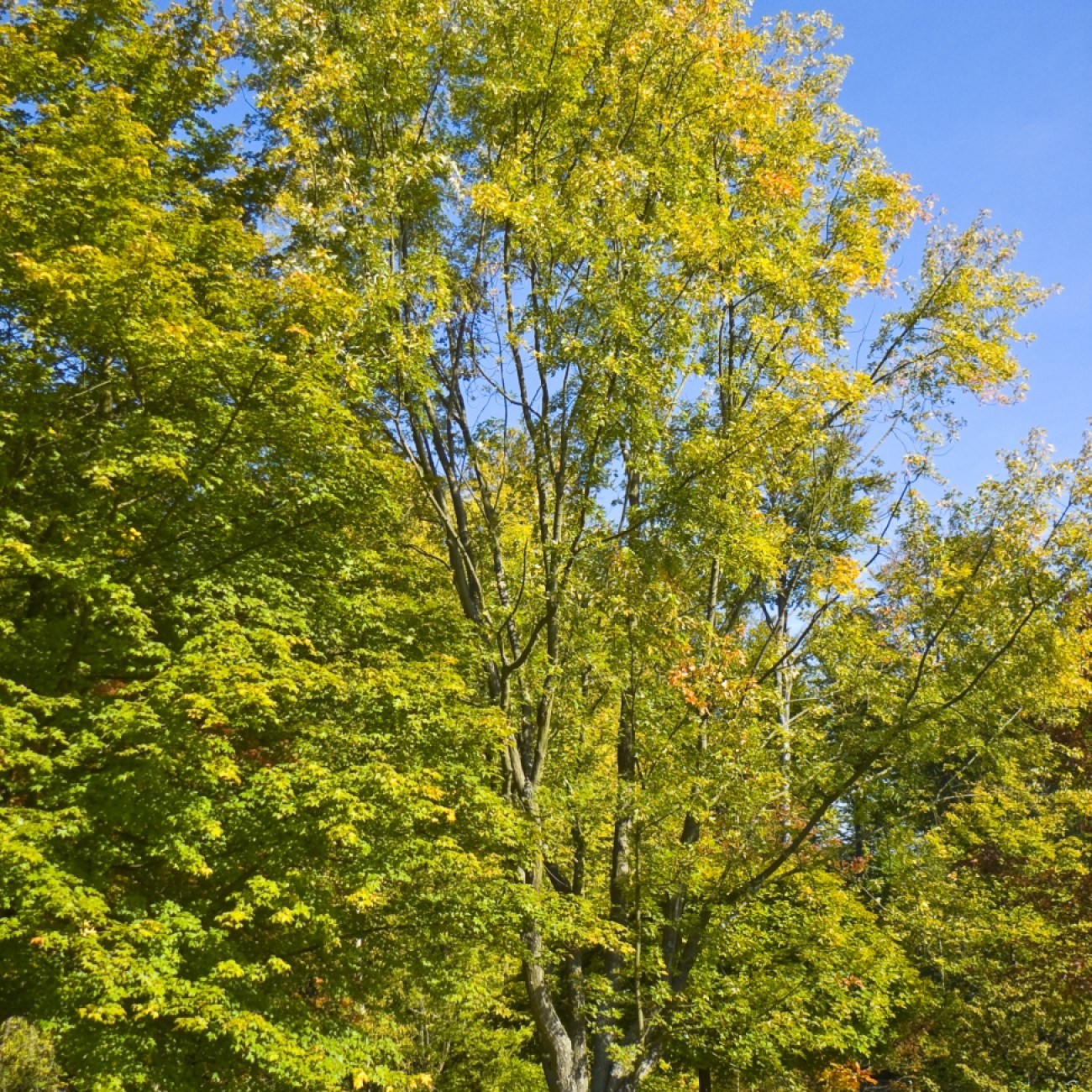
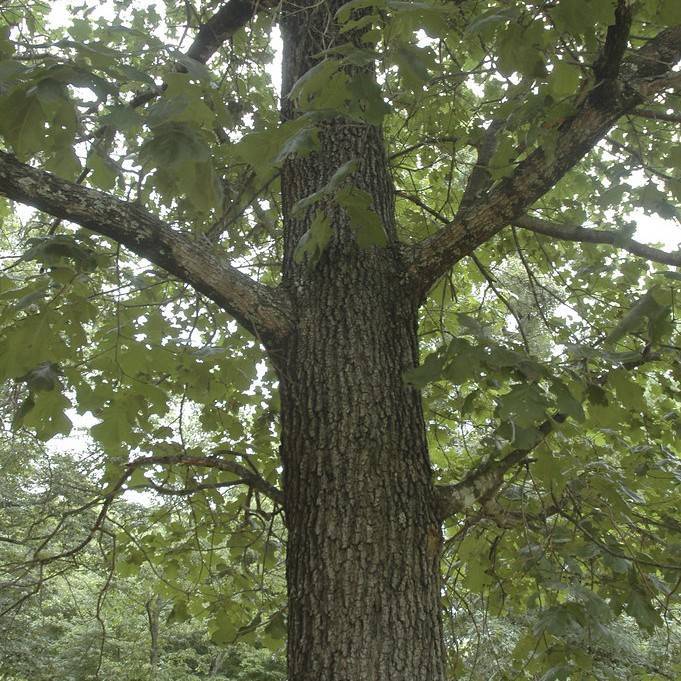
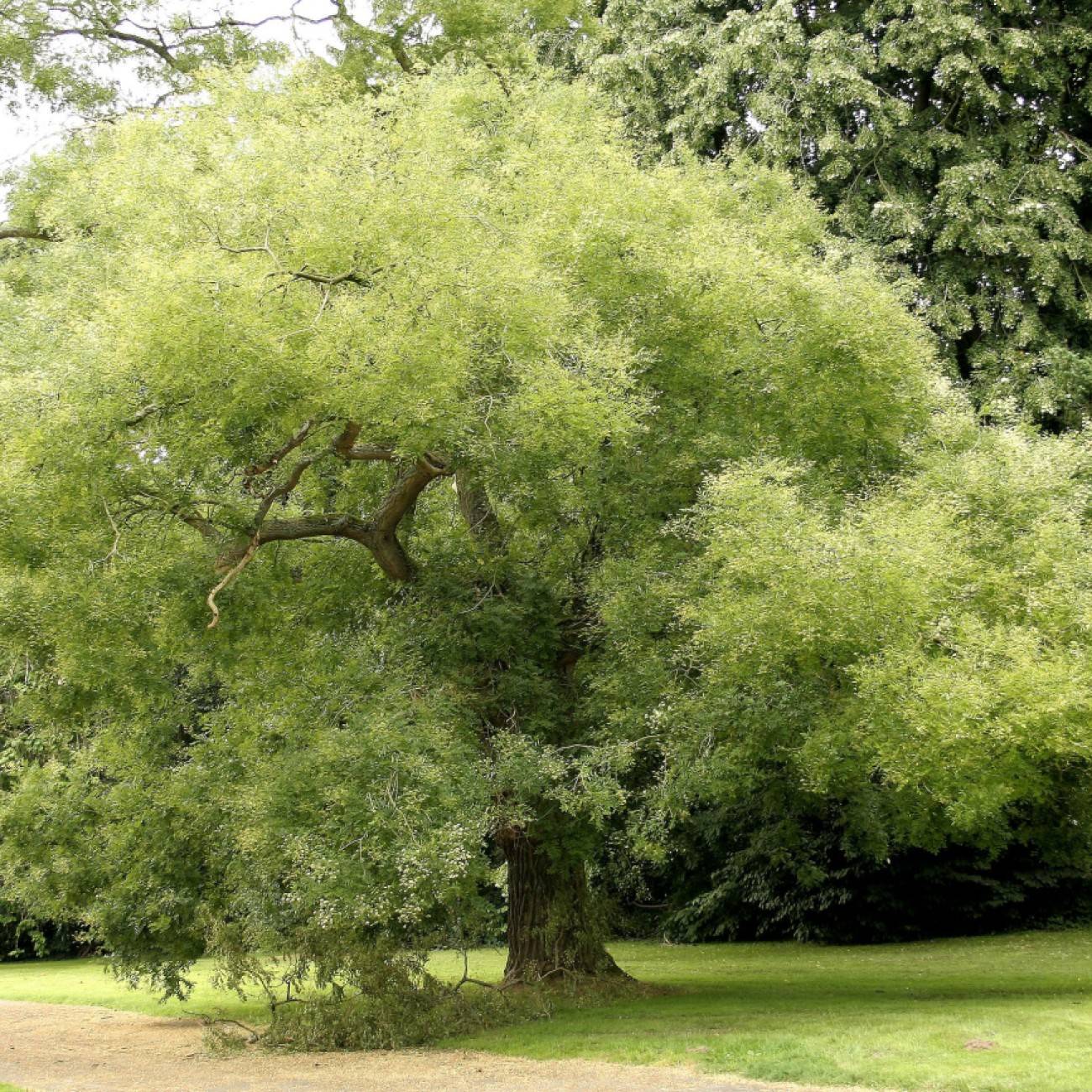
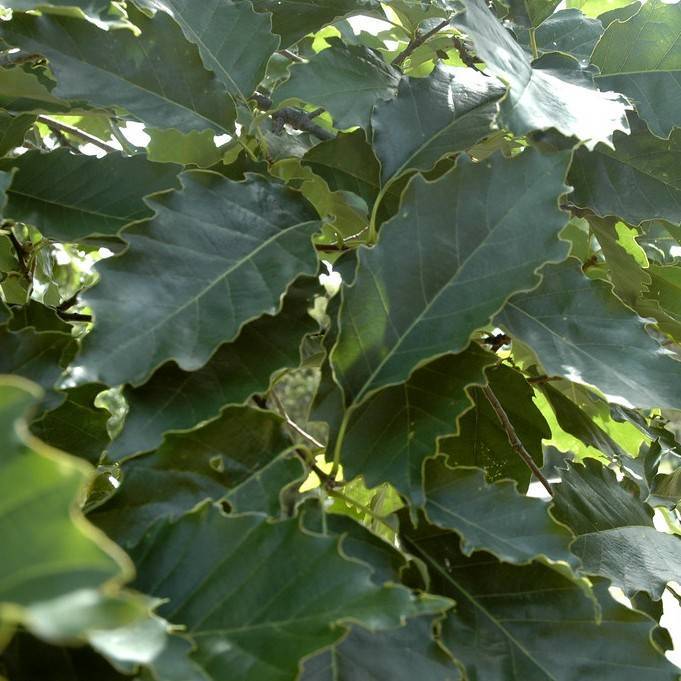
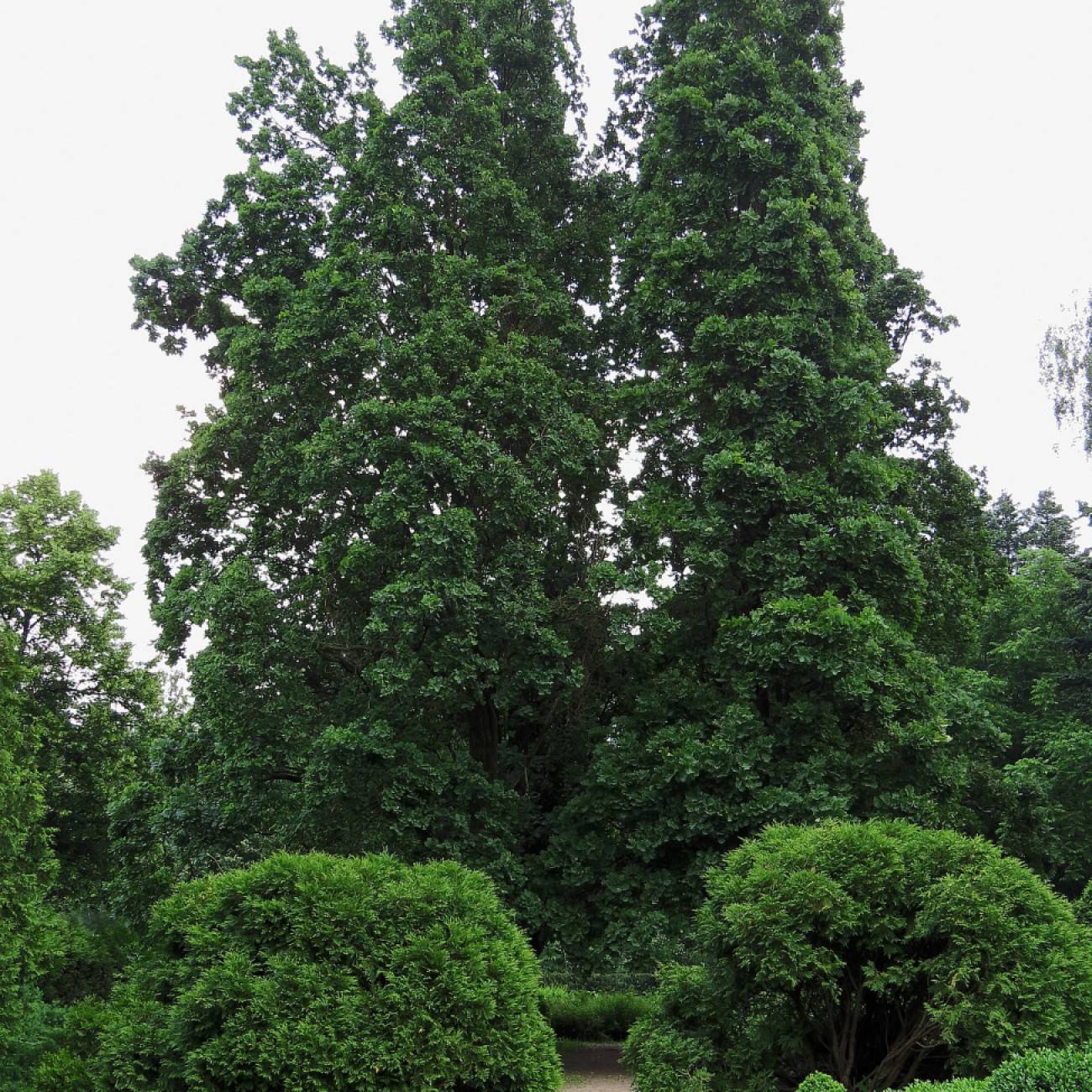
Japanese Zelkova is a hardy deciduous tree in the elm family, noted for its symmetrical, vase-shaped canopy that resembles the now-threatened American elm, making it a popular substitute in landscaping. Its serrated, ovate leaves emerge bright green in spring, shift to rich bronze, orange, or red in fall, and its exfoliating bark reveals patches of gray, orange, and brown for year-round visual interest. It is widely planted as a street tree, shade tree, and specimen plant in temperate regions worldwide, valued for its resistance to Dutch elm disease and adaptability to varied growing conditions.
Care Guide
Watering
Water newly planted Japanese Zelkova deeply and regularly for the first 2-3 years to establish a strong root system, keeping soil consistently moist but not waterlogged. Once established, it is moderately drought-tolerant, requiring supplemental watering only during extended periods of hot, dry weather to prevent leaf scorch. Avoid overwatering in heavy, poorly drained soils, as this can lead to root rot.
Light
Grow Japanese Zelkova in full sun for the fastest growth, densest canopy, and most vibrant fall foliage color, as it requires a minimum of 6 hours of direct sunlight daily. It can tolerate partial shade, but growth may be slower and the canopy may become more open and less symmetrical in low-light conditions. Young saplings can be scorched by intense midday sun in extremely hot climates, so light afternoon shade is beneficial in those regions.
Soil
Japanese Zelkova adapts well to a wide range of soil types, including loam, clay, sand, and acidic to slightly alkaline soils, as long as the site has good drainage. It prefers fertile, moist, well-drained loam with a pH between 5.5 and 7.5 for optimal growth, but can tolerate compacted soils and moderate urban pollution, making it suitable for street plantings. Avoid planting in permanently waterlogged sites, as this will cause root damage and stunted growth.
Fertilizer
Fertilize young Japanese Zelkova trees annually in early spring with a balanced, slow-release 10-10-10 fertilizer to support vigorous canopy and root development. Mature, established trees typically do not need regular fertilization, but can be fed every 2-3 years in spring if growth is slow or foliage appears pale and stunted. Avoid fertilizing late in the growing season, as this can stimulate tender new growth that is vulnerable to damage from early fall frosts.
Temperature
Japanese Zelkova thrives in temperate climates, with a preferred hardiness range of USDA zones 5 through 8, tolerating winter lows down to -20°F (-29°C) once established. It can withstand short periods of extreme heat up to 100°F (38°C) if provided with adequate moisture, though young trees may experience leaf scorch during prolonged heatwaves. Late spring frosts can damage newly emerged foliage, so avoid planting in low-lying frost pockets where cold air accumulates.
Pruning
Prune Japanese Zelkova during late winter or early spring while the tree is dormant, removing dead, damaged, crossing, or diseased branches to maintain its structural integrity and vase shape. Young trees benefit from formative pruning to establish a strong central leader and well-spaced lateral branches, which reduces the risk of branch breakage as the tree matures. Avoid heavy pruning of mature trees, as they are slow to heal from large cuts; only remove necessary branches to prevent overcrowding or hazards.
Propagation
Japanese Zelkova is most commonly propagated from seeds, which require 90-120 days of cold stratification to break dormancy before sowing in moist, well-drained potting mix in spring. It can also be propagated from softwood cuttings taken in early summer, treated with rooting hormone, and placed in a misted propagation bed with bottom heat to encourage root development over 4-6 weeks. Grafting is used for specific cultivars to preserve desired traits, typically grafting scion wood onto hardy Z. serrata rootstock in late winter.
Humidity
Japanese Zelkova adapts well to a wide range of humidity levels, tolerating both the moderate humidity of its native East Asian habitat and the drier conditions of inland North American and European landscapes. It can withstand low humidity levels down to 30% without significant damage, though extended periods of very dry air combined with high heat may cause leaf edge scorch, which can be mitigated with occasional deep watering. It does not require supplemental humidity when grown outdoors in suitable hardiness zones.
Repotting
Japanese Zelkova is a popular bonsai specimen, and bonsai trees should be repotted every 2-3 years in early spring before new growth emerges, trimming up to 1/3 of the root ball to encourage compact growth. Young landscape trees grown in containers should be repotted annually into a larger pot with fresh, well-drained potting mix until they are planted permanently in the ground. Avoid repotting mature, in-ground trees, as their extensive root systems are easily damaged during transplanting, leading to stress or death.
Uses & Symbolism
Japanese Zelkova is widely planted as a street tree, shade tree, and ornamental specimen in parks and residential landscapes, valued for its attractive form, vibrant fall foliage, and resistance to Dutch elm disease and urban pollution. It is a highly popular species for bonsai cultivation, prized for its small leaves, fine branching structure, and attractive peeling bark that develops character as the specimen ages. Its dense, durable wood is used in traditional Japanese woodworking for furniture, cabinetry, and tool handles, and its bark has historically been used for fiber production.
Diseases & Pests
Japanese Zelkova is highly resistant to Dutch elm disease, elm leaf beetle, and most other common pests and diseases that affect elm trees, making it a robust alternative to American elm. It may occasionally be affected by leaf spot, powdery mildew, or canker diseases in overly wet, humid conditions, which can be managed by improving air circulation around the canopy and avoiding overhead watering. Aphids, scale insects, and spider mites may infest stressed trees, causing leaf yellowing and sticky honeydew secretion; these pests can be controlled with horticultural oil or insecticidal soap applications.
Related plants
Other plants you might like if you grow Japanese Zelkova.