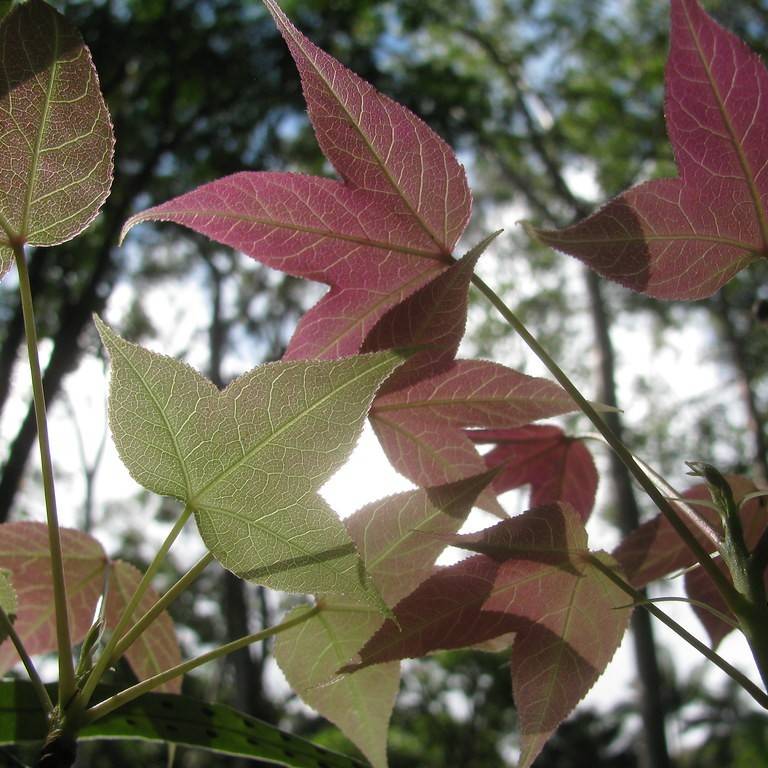
Formosan Gum
Liquidambar formosana
Overview
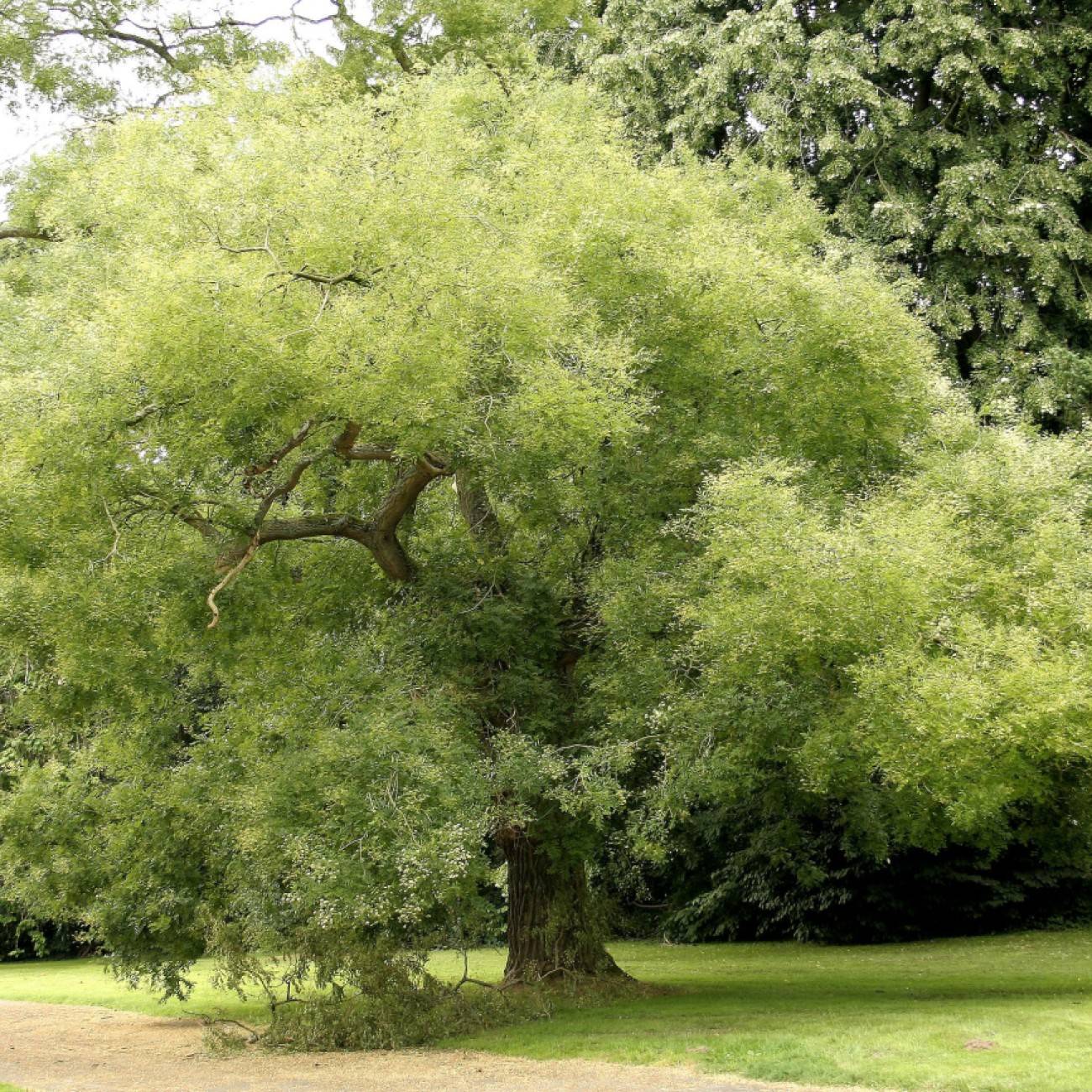
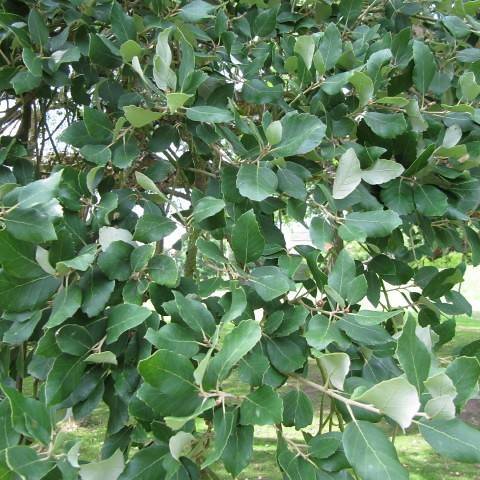
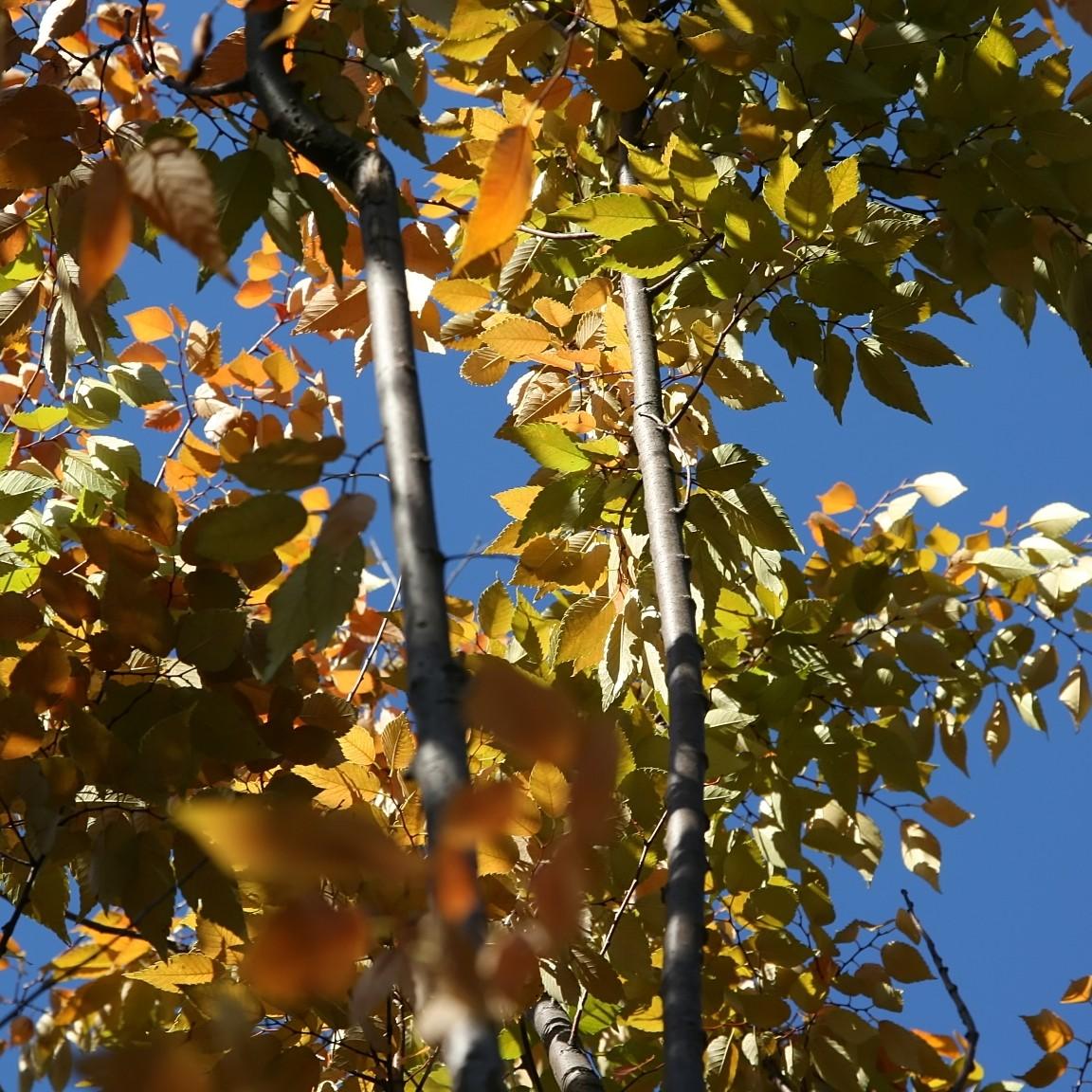
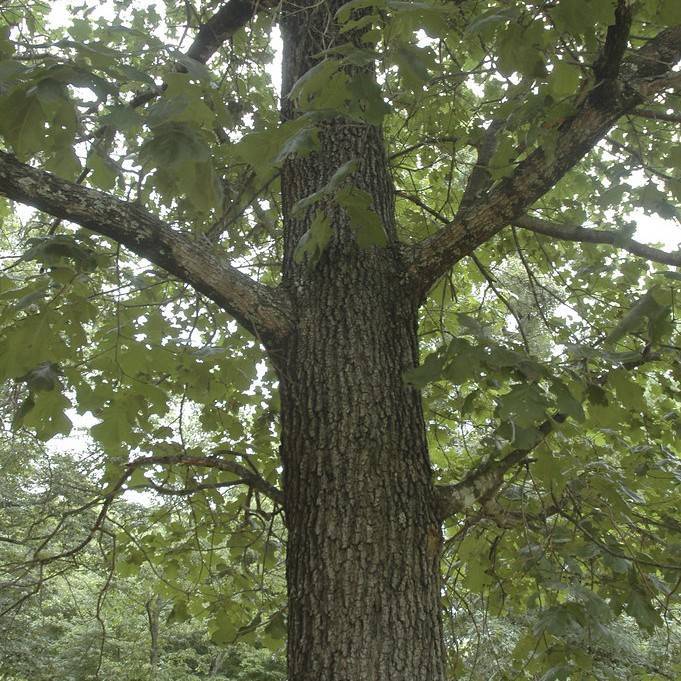
Formosan gum, also called Chinese sweetgum, is a large deciduous tree recognizable by its glossy, palmately lobed leaves that turn striking shades of red, orange, and purple in fall. It produces small, round spiky seed pods that persist through winter, and exudes a fragrant, amber-like resin when its bark is damaged. Widely cultivated as an ornamental shade tree in temperate regions, it adapts well to urban environments with moderate pollution.
Care Guide
Watering
Water young Formosan gum trees regularly to keep soil consistently moist during their first 2-3 years of establishment, avoiding waterlogged conditions that can cause root rot. Mature trees are drought-tolerant, requiring supplemental watering only during extended periods of hot, dry weather. Reduce watering frequency in late fall to prepare the tree for winter dormancy.
Light
Plant Formosan gum in full sun, receiving a minimum of 6 hours of direct, unfiltered sunlight daily to support optimal foliage growth and vibrant fall color development. It can tolerate partial shade, but growth will be slower and autumn foliage hues may be less intense. Avoid heavily shaded sites as they can lead to sparse, leggy canopy development.
Soil
Formosan gum thrives in deep, well-drained, loamy soils with a slightly acidic to neutral pH range of 5.5 to 7.5. It is adaptable to a wide range of soil types, including clay, sand, and compacted urban soils, as long as excess water can drain freely. Avoid highly alkaline soils, as they can cause nutrient deficiencies leading to yellowing foliage.
Fertilizer
Apply a balanced, slow-release 10-10-10 fertilizer in early spring before new leaf growth emerges, spreading it evenly across the root zone under the tree canopy. Young trees benefit from annual fertilization to support rapid establishment, while mature trees only require feeding every 2-3 years if growth appears stunted or foliage is pale. Avoid fertilizing after mid-summer, as this can stimulate tender new growth vulnerable to frost damage.
Temperature
Formosan gum grows best in temperate climates with average temperatures between 60-85°F (15-29°C) during the active growing season. It is cold-hardy to USDA zone 7, tolerating winter temperatures as low as 0°F (-18°C) once fully established. Young trees may require winter frost protection in areas with sustained temperatures below 20°F (-7°C) for their first 2 years.
Pruning
Prune Formosan gum during late winter dormancy to remove dead, damaged, or crossing branches, and to shape the canopy as desired. Avoid heavy pruning, as the tree produces copious resin that can bleed profusely from large cuts, though this does not harm the plant. Remove any suckers growing from the base of the trunk as they appear to direct energy to the main canopy.
Propagation
Formosan gum is most commonly propagated from seeds, which require 3 months of cold stratification at 34-41°F (1-5°C) before sowing in spring to break dormancy. Semi-hardwood cuttings taken in mid-summer can also be rooted with the use of rooting hormone and consistent misting, though success rates are lower than seed propagation. Grafting onto hardy rootstock is sometimes used to preserve specific cultivars with unique foliage traits.
Humidity
Formosan gum prefers moderate humidity levels between 40-60%, typical of its native East Asian forest habitats. It is highly tolerant of both drier and more humid conditions, making it adaptable to most temperate growing regions. No additional humidity adjustments are needed for outdoor-grown trees, as they acclimate naturally to local atmospheric moisture levels.
Repotting
Formosan gum is rarely grown in containers long-term due to its large mature size, though saplings may be kept in pots for 1-2 years before landscape planting. Repot young saplings annually in early spring before new growth begins, using a well-drained potting mix and a container at least 2 inches larger in diameter than the previous one. Once planted in the landscape, it does not require transplanting unless absolutely necessary, as mature trees have deep, extensive root systems that are easily damaged during moving.
Uses & Symbolism
Formosan gum is widely planted as an ornamental shade tree in parks, residential landscapes, and along urban streets for its attractive form and vivid fall color. Its fragrant resin, known as storax, has been used historically in traditional medicine, incense, and perfume production. The hard, fine-grained wood is used for furniture, flooring, and woodcraft projects in its native range.
Diseases & Pests
Formosan gum is relatively pest and disease resistant, though it can occasionally be affected by leaf spot, powdery mildew, and canker diseases in overly wet, poorly ventilated conditions. Common pests include aphids, scale insects, and borers, which typically only cause significant damage to stressed or young trees. Root rot can occur in poorly drained, waterlogged soils, especially for immature specimens.
Related plants
Other plants you might like if you grow Formosan Gum.