Black Oak
Quercus velutina
Overview
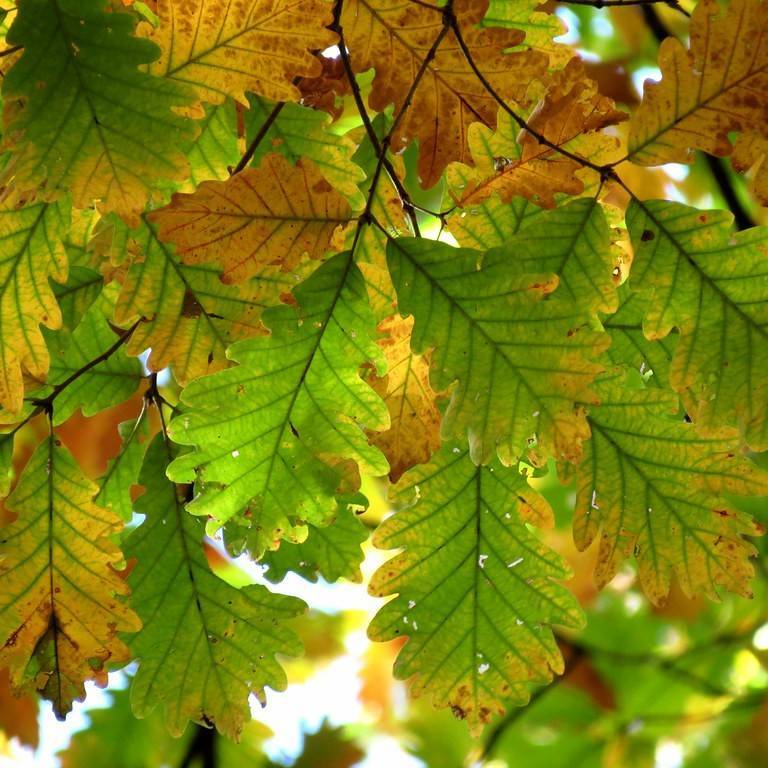
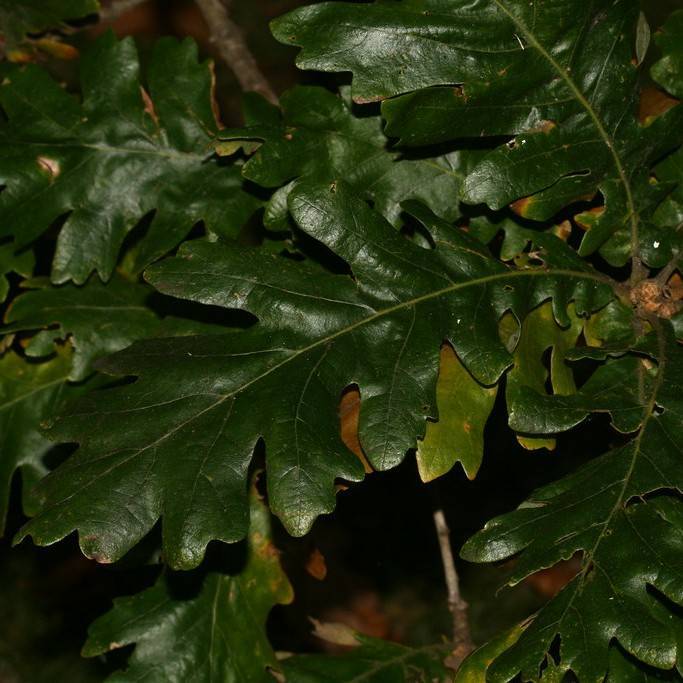
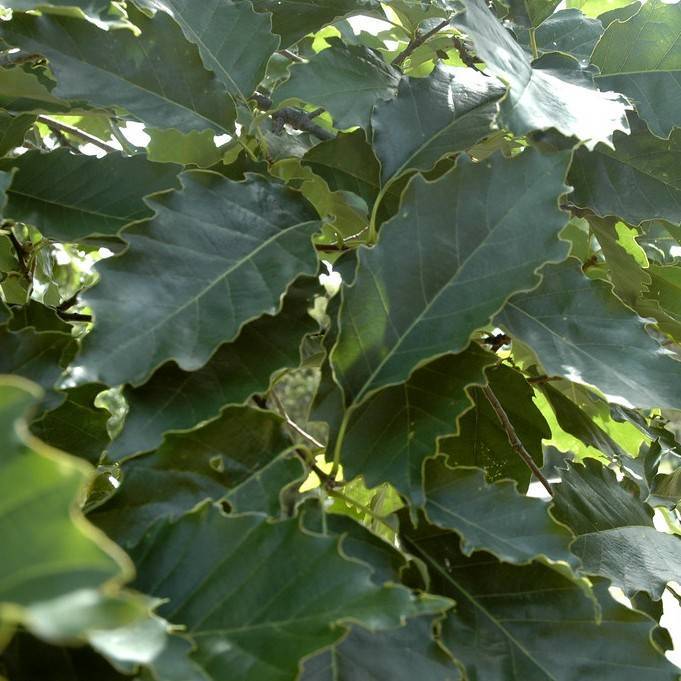
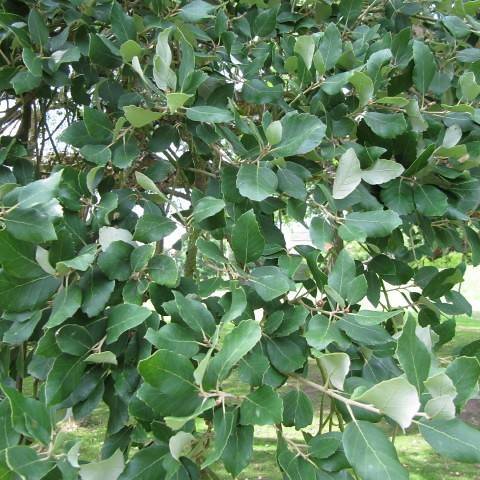
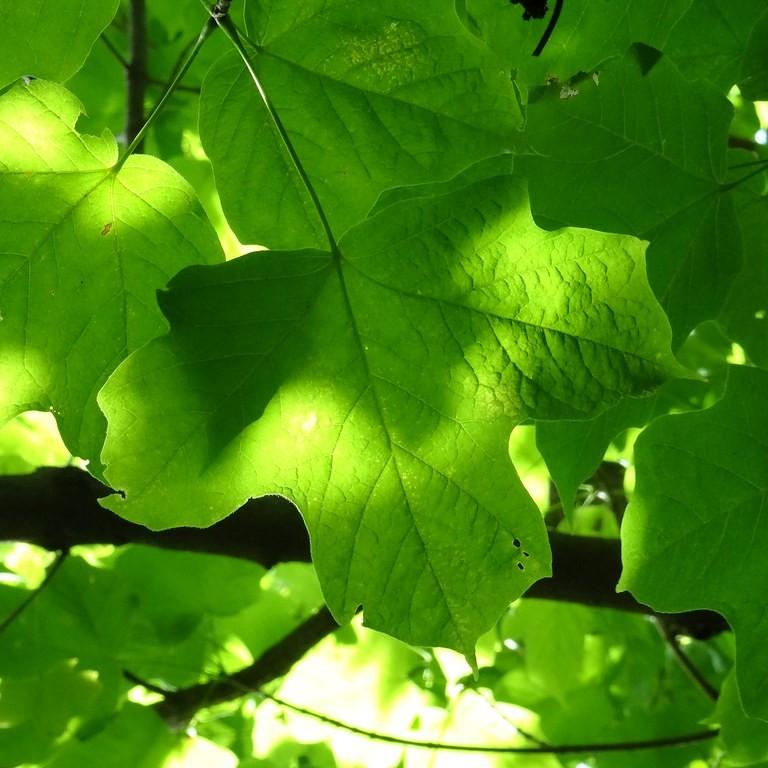
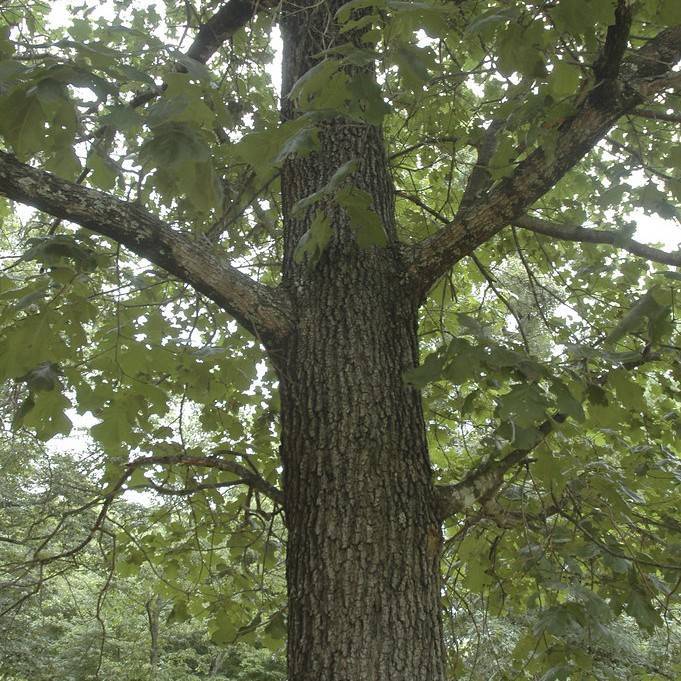
Black oak is a stately deciduous tree native to eastern and central North American forests, recognized by its deeply ridged, nearly black mature bark and glossy, lobed leaves with bristle-tipped edges. It produces small, bitter acorns that take two growing seasons to mature, supporting a wide range of wildlife species. Adaptable to a variety of upland habitats, it is a long-lived canopy tree that can survive for 150 to 200 years in ideal conditions.
Care Guide
Watering
Young black oaks require regular, deep watering to establish a strong root system, especially during dry periods in the first 3 to 5 years after planting. Mature trees are highly drought-tolerant, only needing supplemental water during extended, severe dry spells to reduce stress. Overwatering or planting in poorly drained sites can lead to root rot, so allow the soil to dry out between waterings once established.
Light
Black oak thrives in full sun, requiring at least 6 hours of direct, unfiltered sunlight daily for optimal growth and canopy development. It can tolerate very light partial shade, but prolonged shaded conditions will stunt growth, reduce foliage density, and make the tree more susceptible to pest infestations. Plant it in an open area away from tall structures or larger trees that may block sunlight as it matures.
Soil
This species adapts well to a wide range of soil types, including sandy, loamy, and even poor, rocky upland soils, as long as the substrate is well-draining. It prefers slightly acidic to neutral soil with a pH between 5.0 and 7.0, though it can tolerate mildly alkaline conditions in some regions. Avoid heavy, compacted clay soils that hold standing water, as these can cause fatal root rot in trees of all ages.
Fertilizer
Young black oaks benefit from a slow-release, balanced granular fertilizer applied in early spring each year for the first 5 years to support root and canopy growth. Mature trees typically do not need regular fertilization, as they obtain sufficient nutrients from leaf litter decomposition and surrounding soil. If growth is stunted or foliage appears pale, apply a nitrogen-rich fertilizer sparingly in early spring, avoiding contact with the trunk and root flare.
Temperature
Black oak is hardy in USDA zones 3 through 9, tolerating winter temperatures as low as -40°F (-40°C) and summer highs up to 100°F (38°C) without significant damage. It is well-adapted to the seasonal temperature fluctuations of its native North American range, requiring a period of cold winter dormancy to trigger healthy new spring growth. Young saplings may need protective mulching around the base in their first 2 to 3 winters to insulate roots from extreme temperature swings.
Pruning
Prune black oak during its dormant winter season to remove dead, damaged, or diseased branches, as well as any crossing limbs that may rub and create entry points for pathogens. Avoid heavy pruning of mature trees, as they heal slowly and are susceptible to oak wilt, a fatal fungal disease spread through open wounds during the growing season. Always sanitize pruning tools between cuts, and never prune between April and July in regions where oak wilt is prevalent.
Propagation
Black oak is most reliably propagated from acorns, which must be stratified (exposed to cold, moist conditions) for 30 to 90 days before planting to break seed dormancy. Collect mature acorns in fall, remove the caps, and plant them 1 to 2 inches deep in well-draining soil, either directly outdoors in a protected spot or in deep containers to accommodate the long taproot. Grafting is rarely used for this species, as seed-grown trees typically grow vigorously and retain the species’ desirable traits.
Humidity
Black oak tolerates a wide range of humidity levels, from the dry continental climates of the central U.S. to the humid conditions of the southeastern coastal plains. It has no specific humidity requirements, as long as soil moisture and drainage are appropriate for its growth stage. High humidity combined with poor air circulation can increase the risk of foliar fungal diseases, so ensure the tree has plenty of open space around its canopy for airflow.
Repotting
Black oak is rarely grown in containers long-term due to its large size and deep taproot, but saplings may be kept in deep, 5-gallon or larger containers for up to 2 years before permanent outdoor planting. Repot young saplings only when their roots begin to emerge from the drainage holes, using a well-draining, loamy potting mix and taking care not to damage the taproot during the process. Once the tree reaches 3 to 4 feet tall, transplant it to its permanent outdoor location to avoid stunting root development.
Uses & Symbolism
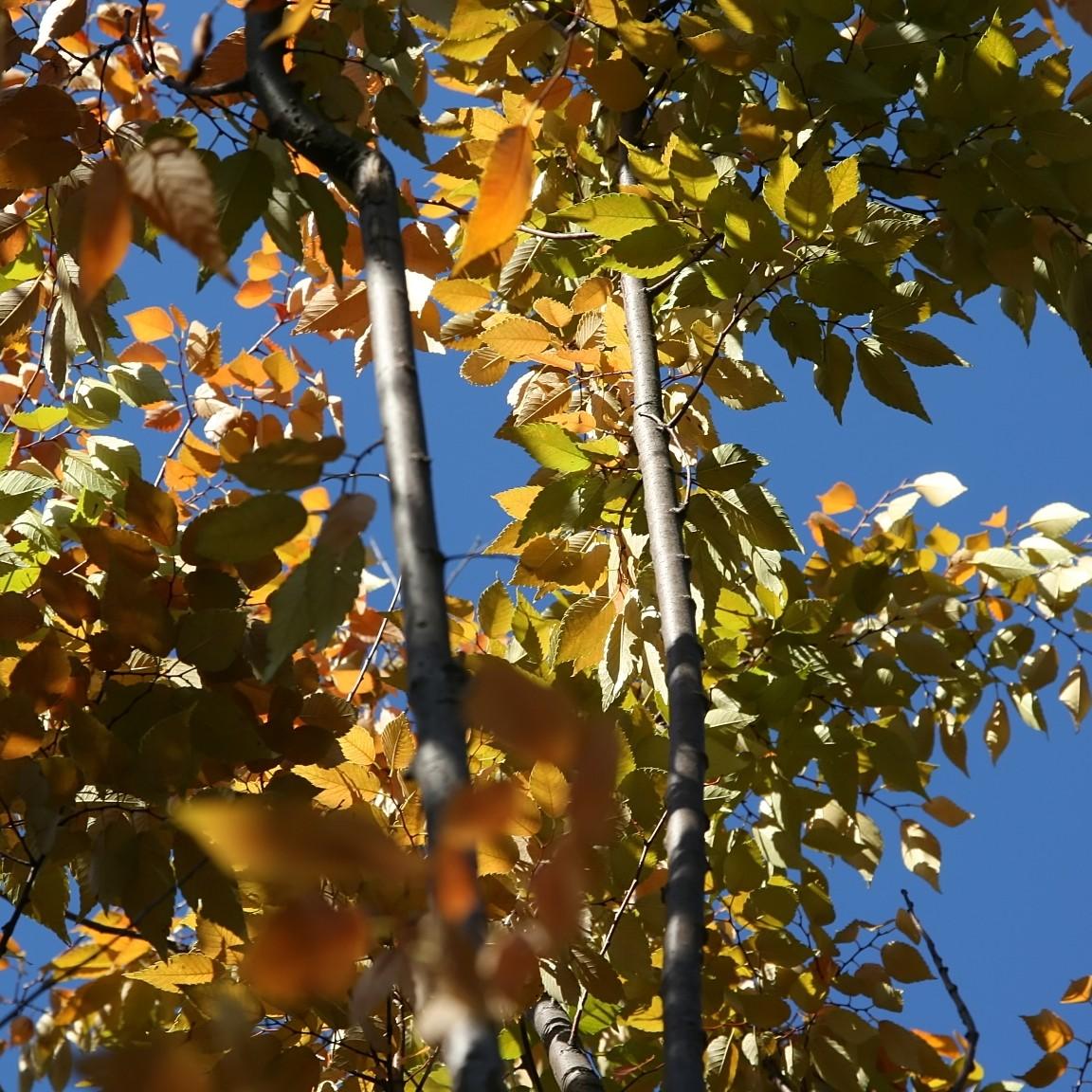
Black oak is widely planted as a shade tree in parks, large residential properties, and reforestation projects, providing dense canopy cover and vibrant red-orange fall foliage. Its strong, durable wood is used for flooring, furniture, construction, and firewood, though it is less commercially valuable than related white oak species. Its acorns are a critical food source for deer, squirrels, turkeys, and a variety of songbird species, making it a popular choice for wildlife habitat gardens.
Diseases & Pests
The most severe threat to black oak is oak wilt, a fatal fungal disease spread by sap-feeding beetles and root grafts between adjacent trees, causing rapid wilting and death of foliage. Common foliar diseases include anthracnose, powdery mildew, and leaf spot, which cause browning or spotting of leaves but are rarely fatal to mature, healthy trees. Common pests include oak borers, gypsy moths, and scale insects, which can defoliate trees and weaken them if infestations are left untreated for multiple growing seasons.
Related plants
Other plants you might like if you grow Black Oak.