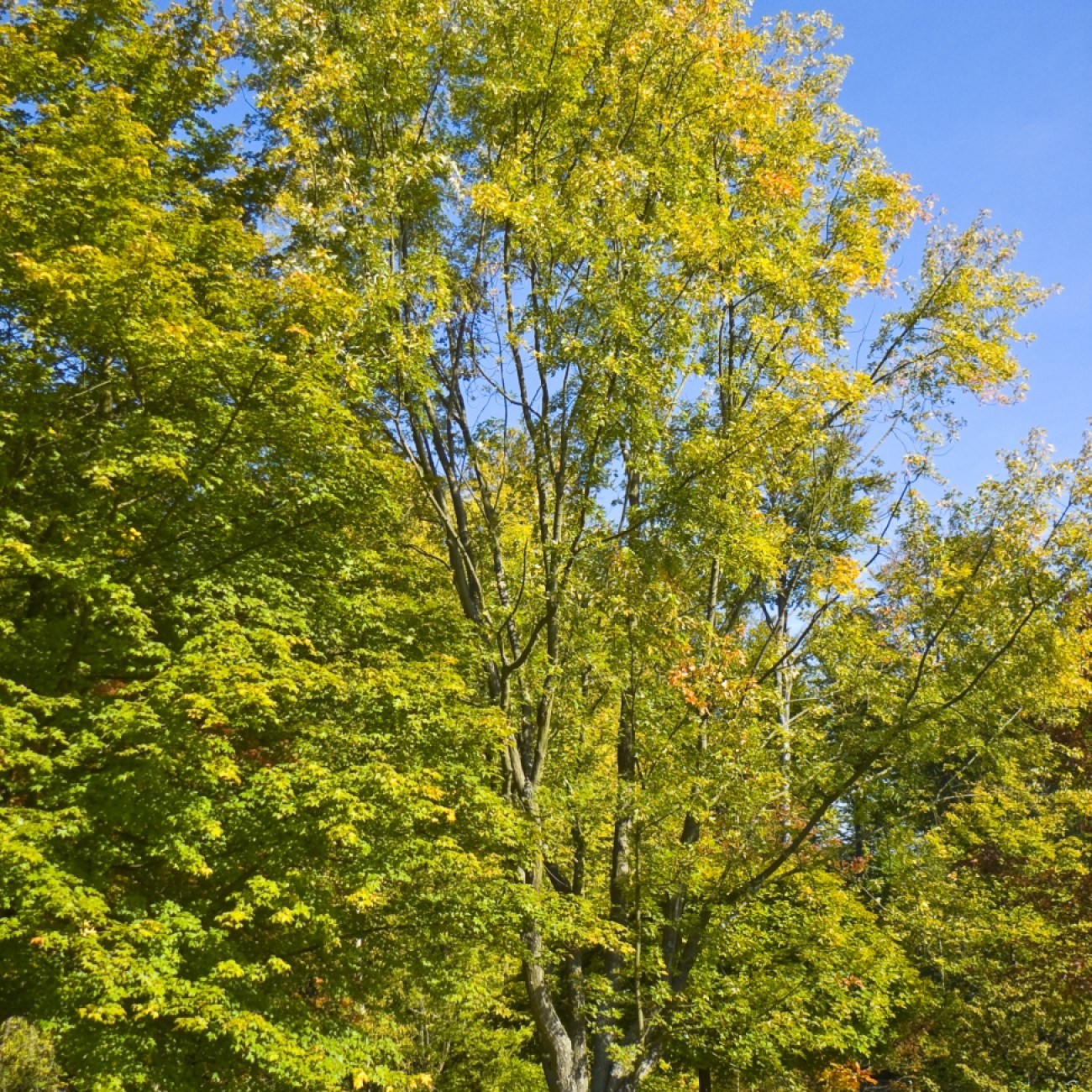
American Elm
Ulmus americana
Overview
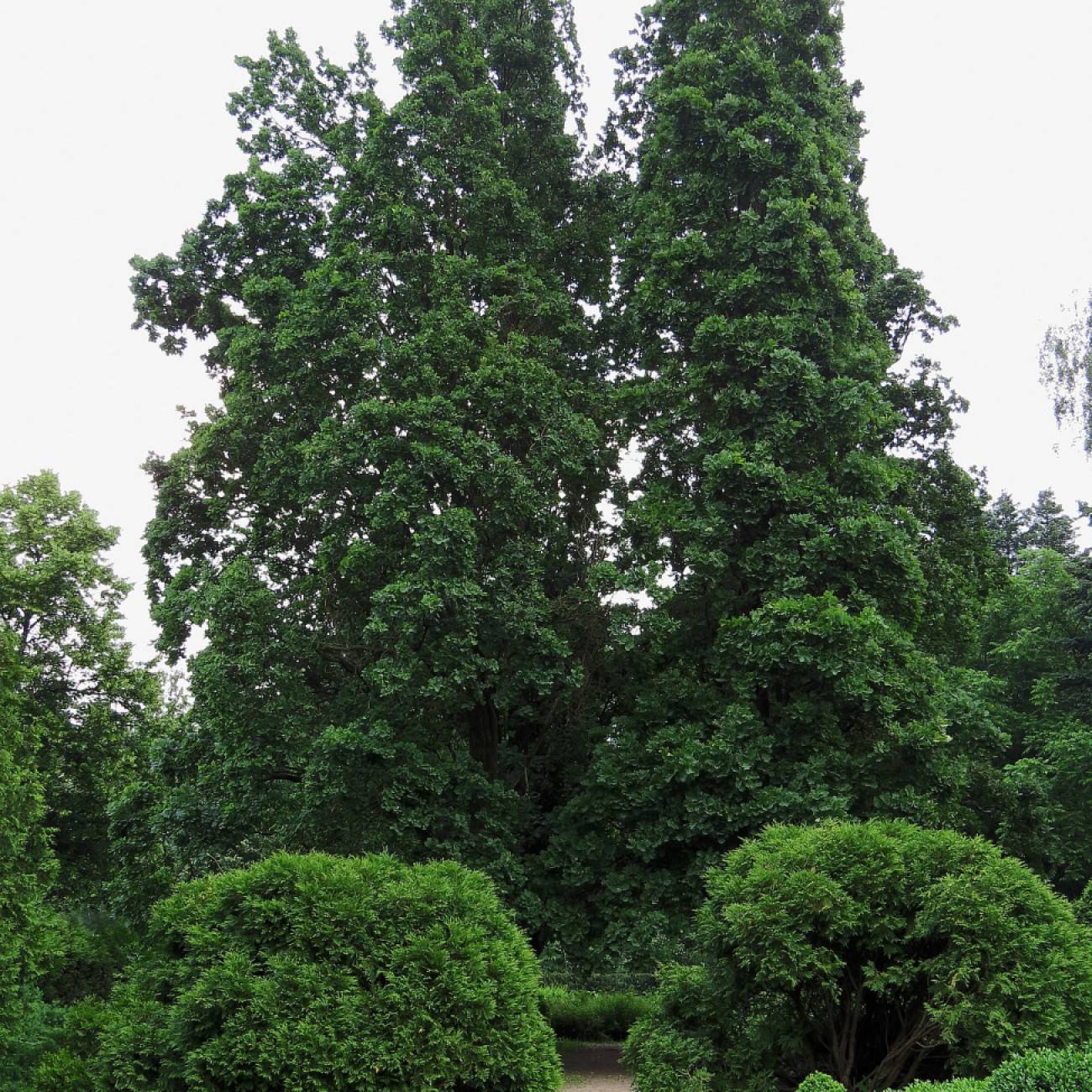
American elm is a iconic deciduous tree valued for its broad, arching canopy that creates dense shade, and its tolerance of urban conditions that made it a dominant street tree across the U.S. in the early 20th century. Populations have been severely reduced by Dutch elm disease, a fungal pathogen spread by elm bark beetles, though disease-resistant cultivars are now widely available. The tree produces small, inconspicuous purplish flowers in early spring before leaves emerge, followed by flat, papery winged seeds called samaras that disperse by wind.
Care Guide
Watering
Water young American elms deeply once a week during dry periods to establish a strong root system, reducing frequency as the tree matures. Mature specimens are moderately drought-tolerant, but supplemental watering during extended hot, dry spells prevents stress that makes them more susceptible to pests and disease. Avoid overwatering or allowing water to pool around the root zone, as this can encourage root rot.
Light
American elm grows best in full sun, receiving at least 6 hours of direct unfiltered sunlight per day to support its vigorous growth and full canopy development. It can tolerate partial shade, but growth will be slower and the canopy may be less dense and structurally sound in low-light conditions. Young saplings should be planted in open areas without overhanging shade from larger trees to ensure they receive adequate light as they mature.
Soil
This adaptable tree thrives in rich, moist, well-drained loam soils with a pH range of 5.5 to 8.0, tolerating both slightly acidic and alkaline conditions. It can withstand occasional flooding, compacted soils, and poor soil quality, making it well-suited to urban and roadside planting sites. Heavy clay soils should be amended with organic matter at planting time to improve drainage and encourage root spread.
Fertilizer
Feed young American elms in early spring with a balanced, slow-release granular fertilizer formulated for trees to support healthy foliage and root growth. Mature, well-established trees only need fertilization every 2 to 3 years, applied around the drip line rather than directly against the trunk to avoid root burn. Avoid high-nitrogen fertilizers that promote excessive soft new growth, which is more attractive to elm bark beetles that spread Dutch elm disease.
Temperature
American elm is extremely cold-hardy, suitable for USDA hardiness zones 3 through 9, tolerating winter temperatures as low as -40°F (-40°C). It can withstand high summer temperatures up to 100°F (38°C) when adequately watered, though extreme heat combined with drought may cause premature leaf drop. Sudden temperature fluctuations in late spring can damage newly emerged foliage, but the tree typically recovers quickly.
Pruning
Prune American elm during the dormant season (late winter to early spring) when bark beetles that spread Dutch elm disease are inactive, to reduce risk of infection. Remove dead, damaged, or crossing branches to improve air circulation through the canopy and maintain the tree’s characteristic vase shape, making clean cuts just outside the branch collar to promote fast healing. Disinfect pruning tools between cuts and avoid pruning during active beetle flight periods in spring and early summer to prevent introducing fungal spores to fresh wounds.
Propagation
American elm is most commonly propagated from hardwood cuttings taken in late winter, dipped in rooting hormone and planted in a moist, well-drained growing medium under high humidity until roots form. It can also be grown from seed collected in spring when samaras are ripe, sown immediately after collection for best germination rates, as seeds lose viability quickly when stored. Disease-resistant cultivars are typically grafted onto hardy rootstock to ensure consistent resistance to Dutch elm disease and maintain desired growth characteristics.
Humidity
American elm adapts well to a wide range of humidity levels, thriving in the moderate to high humidity of its native eastern North American range and tolerating drier conditions in more western parts of its growing zone. Average household or outdoor ambient humidity is sufficient for this tree, and no supplemental misting is required. Excessively high humidity combined with poor air circulation can increase risk of foliar fungal diseases, so maintaining space between plantings is recommended.
Repotting
American elm is rarely grown in containers long-term, as its large, spreading root system requires ample space to develop. Young saplings intended for outdoor planting can be kept in containers for 1 to 2 years after propagation, repotting annually in early spring into a larger container with fresh, nutrient-rich potting mix before they become root-bound. Once the tree reaches 4 to 6 feet tall, it should be transplanted to its permanent outdoor location in early spring or late fall to avoid root restriction that stunts growth.
Uses & Symbolism
American elm is widely planted as a shade tree in parks, along streets, and in residential landscapes, especially disease-resistant cultivars that provide the same stately form as historic specimens while avoiding Dutch elm disease mortality. Its strong, hard, moderately heavy wood is used for furniture, flooring, crate construction, and historically for shipbuilding and wheel hubs, as it resists splitting and holds nails well. The tree also provides valuable wildlife habitat, with seeds and buds eaten by birds and small mammals, and foliage serving as a host plant for several butterfly and moth species.
Diseases & Pests
Dutch elm disease, a fatal fungal pathogen spread by elm bark beetles, is the most devastating threat to American elm, causing wilting, yellowing foliage, and eventual death of the tree within 1 to 3 years of infection. Other common issues include elm leaf beetle, which skeletonizes foliage and weakens the tree over time, and powdery mildew, a foliar fungal disease that causes a white powdery coating on leaves in humid conditions. Phloem necrosis, another viral disease spread by leafhoppers, causes yellowing of foliage and dieback of branches, and is fatal in most cases with no available treatment.
Related plants
Other plants you might like if you grow American Elm.