Chinkapin Oak
Quercus muehlenbergii
Overview
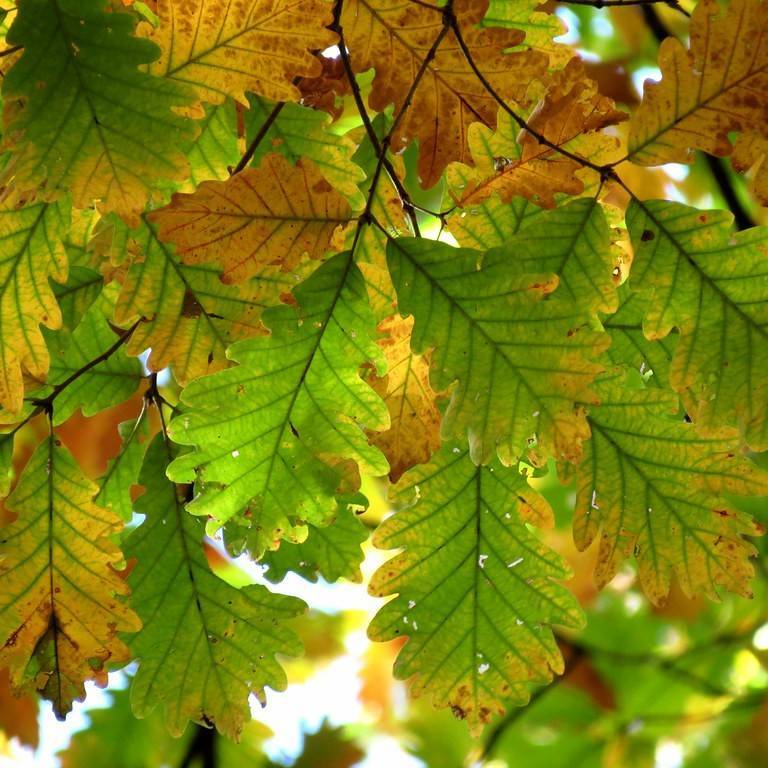
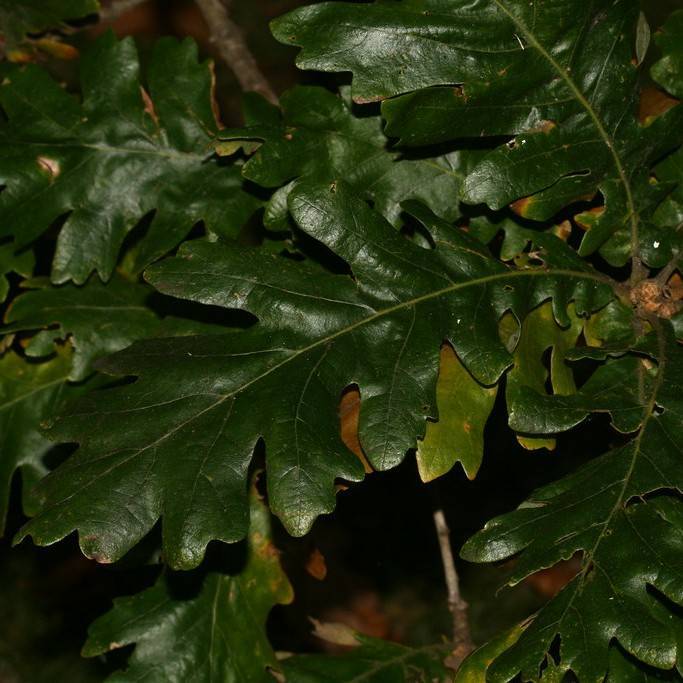
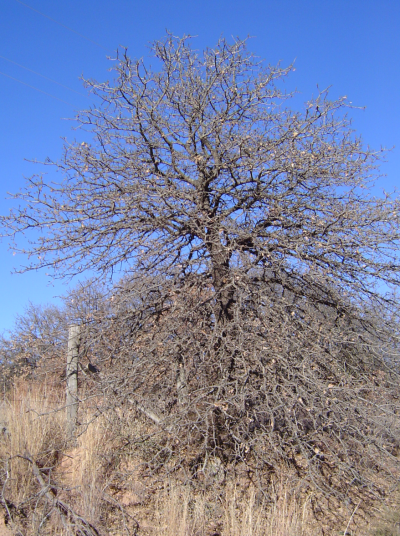
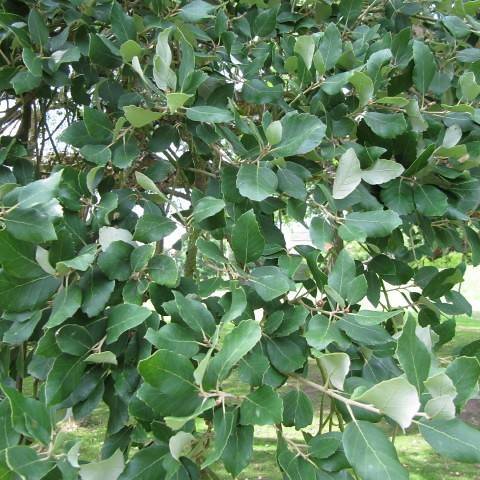
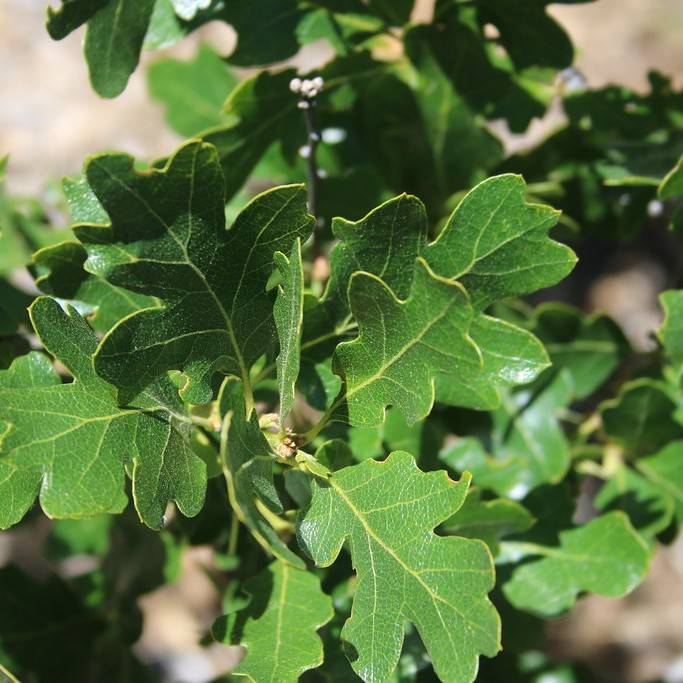
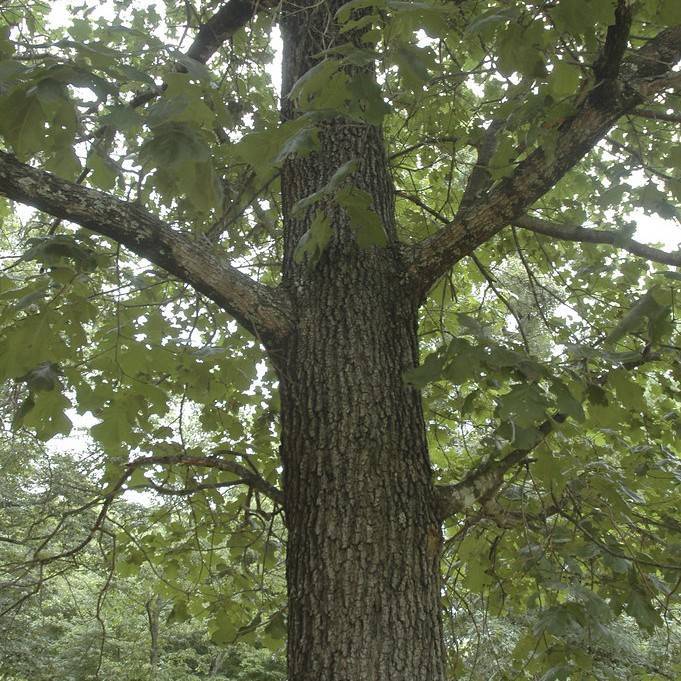
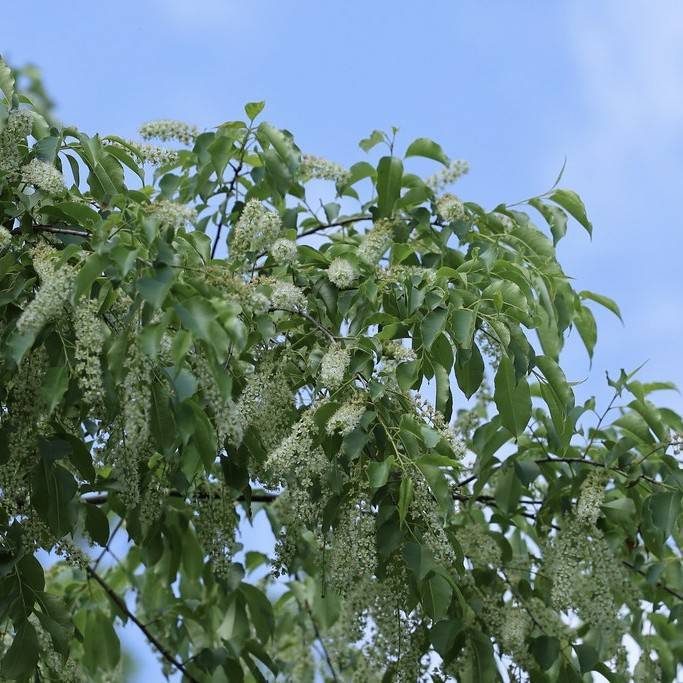
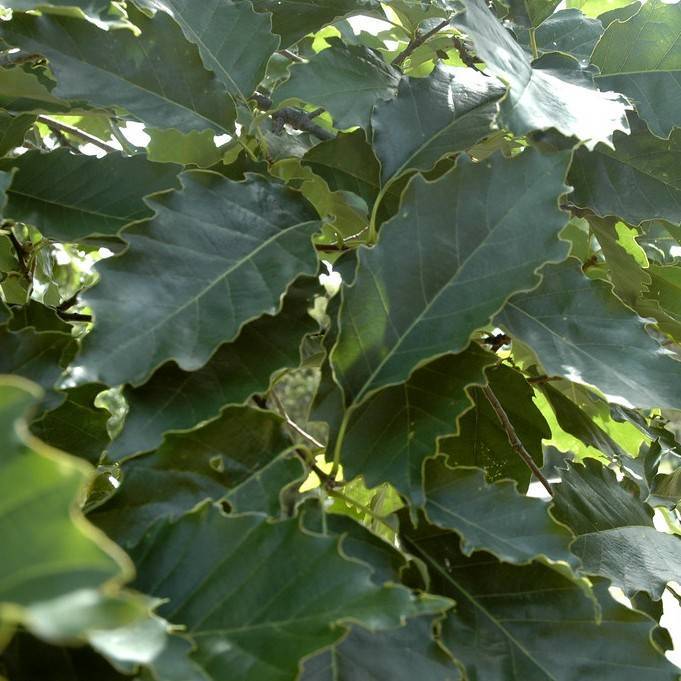
Chinkapin oak is a deciduous tree in the white oak group, recognized for its narrow, glossy, toothed leaves that resemble those of the Allegheny chinkapin, giving the species its common name. It produces small, sweet acorns that mature in a single growing season, requiring no stratification to germinate, and are a critical food source for wildlife including squirrels, deer, turkeys, and songbirds. This hardy tree is known for its exceptional tolerance of alkaline soils, a trait rare among most oak species, making it a popular choice for landscaping in regions with high soil pH. Mature specimens develop a broad, rounded crown and attractive light gray, flaky bark that adds year-round visual interest to landscapes.
Care Guide
Watering
Young chinkapin oaks require regular, deep watering for the first 2-3 years after planting to establish a robust root system, with water applied slowly to soak the soil 12-18 inches deep every 7-10 days during dry periods. Once established, the tree is highly drought tolerant, only needing supplemental watering during extended periods of extreme heat or prolonged drought to prevent stress. Avoid overwatering, as saturated soil can lead to root rot, especially in heavy, poorly drained substrates.
Light
Chinkapin oak thrives in full sun, requiring a minimum of 6 hours of direct, unfiltered sunlight daily to support strong growth, dense foliage, and consistent acorn production. It can tolerate very light, dappled shade, but prolonged shaded conditions will result in sparse foliage, a lanky, irregular growth habit, and reduced acorn yields. When planting, select a location with unobstructed southern or western exposure to ensure the tree receives adequate sunlight throughout its lifespan.
Soil
This adaptable species grows well in a wide range of soil types, including loam, sandy loam, clay loam, and even rocky or shallow soils, as long as the site offers good drainage. Unlike most oaks, it tolerates alkaline soils with a pH as high as 8.2 without developing iron chlorosis, making it an excellent choice for regions with limestone-derived or high-pH soils. It does not perform well in constantly wet, poorly drained soils, which can suffocate the root system and cause root rot.
Fertilizer
Young chinkapin oaks benefit from a balanced, slow-release granular fertilizer with an N-P-K ratio of 10-10-10 applied once annually in early spring, before new leaf growth emerges, to support vigorous root and foliage development. Mature, established trees rarely require fertilization, as they can access sufficient nutrients from the surrounding soil, but a light application of nitrogen-rich fertilizer may be beneficial if growth is stunted or foliage appears pale yellow. Avoid fertilizing in late summer or fall, as this can stimulate new, tender growth that will be damaged by early winter frost.
Temperature
Chinkapin oak is extremely cold hardy, suitable for USDA hardiness zones 3 through 9, tolerating winter temperatures as low as -40°F (-40°C) without significant damage. It also thrives in warm summer conditions, withstanding temperatures above 100°F (38°C) as long as it has access to occasional deep watering during extended heatwaves. Sudden, extreme temperature fluctuations in late spring can damage newly emerged foliage, but the tree will typically produce a second flush of leaves within a few weeks.
Pruning
Prune chinkapin oak during the dormant season, from late fall to early spring, to avoid attracting oak wilt beetles, which are active during warm months and can transmit the fatal oak wilt fungal disease. Focus on removing dead, damaged, diseased, or crossing branches to improve air circulation through the crown, and trim lower branches as needed to maintain clearance for walkways or structures if the tree is planted in a landscaped area. Avoid heavy pruning of mature specimens, as they are slow to recover from large cuts, and never remove more than 25% of the tree’s foliage in a single year.
Propagation
Chinkapin oak is most reliably propagated from fresh, ripe acorns collected in fall as soon as they drop from the tree, as the seeds do not store well and lose viability quickly if allowed to dry out. Plant acorns 1-2 inches deep in moist, well-drained potting mix or directly in their permanent outdoor location, and protect them from squirrels and other rodents with wire mesh until germination occurs in 1-3 months, with no cold stratification required. While it can be propagated from hardwood cuttings taken in late winter, success rates are very low, making seed propagation the preferred method for most growers.
Humidity
This species is highly adaptable to a wide range of humidity levels, thriving in both the humid climates of the southeastern United States and the drier, semi-arid conditions of the central plains. It has no specific humidity requirements, and common humidity-related issues are rare as long as the tree is planted in well-drained soil and receives adequate air circulation through its crown. In extremely humid regions, ensure the tree is not planted in a crowded, shaded location to reduce the risk of fungal leaf spot diseases.
Repotting
Chinkapin oak is a large, deep-rooted tree that is not suitable for long-term container growth, and should be planted in its permanent outdoor location as soon as it outgrows its nursery pot, ideally when it is 1-2 years old. If repotting a young sapling temporarily, use a large, deep container with drainage holes, filled with a well-drained, loamy potting mix, and only upgrade the pot size by 2-3 inches at a time to prevent overwatering and root rot. Avoid keeping saplings in containers for more than 3 years, as their taproot will become cramped and stunted, leading to poor growth and survival once planted outdoors.
Uses & Symbolism
Chinkapin oak is widely planted as a shade tree in residential landscapes, parks, and along streets, valued for its broad, dense crown, attractive bark, and low maintenance requirements once established. Its hard, durable, fine-grained wood is used for furniture, flooring, cabinetry, fence posts, and firewood, with qualities similar to other white oak species. The sweet, palatable acorns are edible for humans raw or cooked, and are a critical food source for a wide range of wildlife, making the tree a popular addition to wildlife habitat and reforestation projects.
Diseases & Pests
Chinkapin oak is relatively resistant to most common oak pests and diseases, but it can be susceptible to oak wilt, a fatal fungal disease spread by sap-feeding beetles and root grafts between adjacent oak trees, which causes rapid wilting and death of infected specimens. Minor pests include oak leaf miners, gypsy moths, and scale insects, which typically cause only cosmetic damage to foliage and rarely require treatment unless infestations are severe. Fungal leaf spots, powdery mildew, and anthracnose may occur in prolonged wet, humid conditions, but these are usually harmless and can be mitigated by improving air circulation through the tree’s crown.
Related plants
Other plants you might like if you grow Chinkapin Oak.