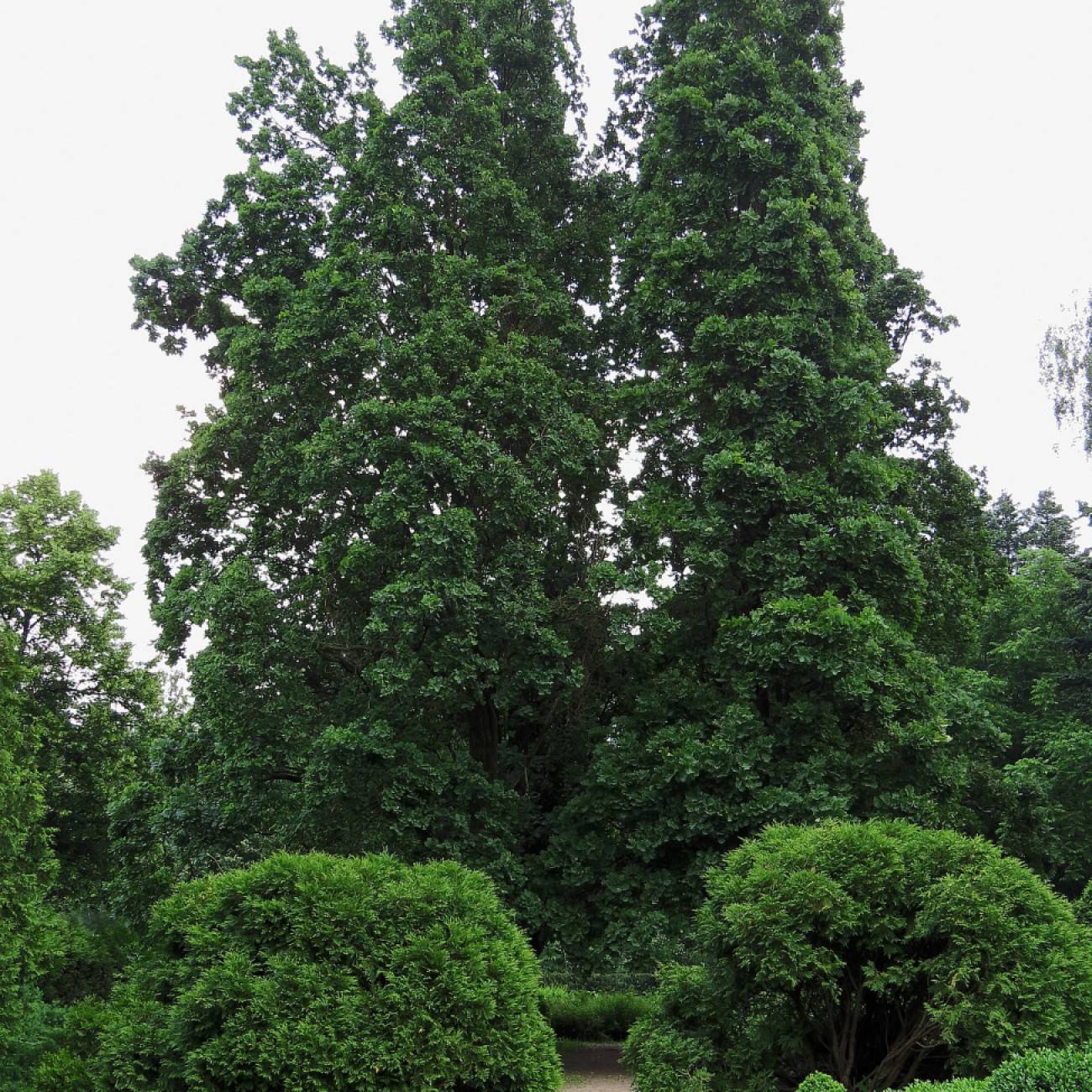
English Oak
Quercus robur
Overview
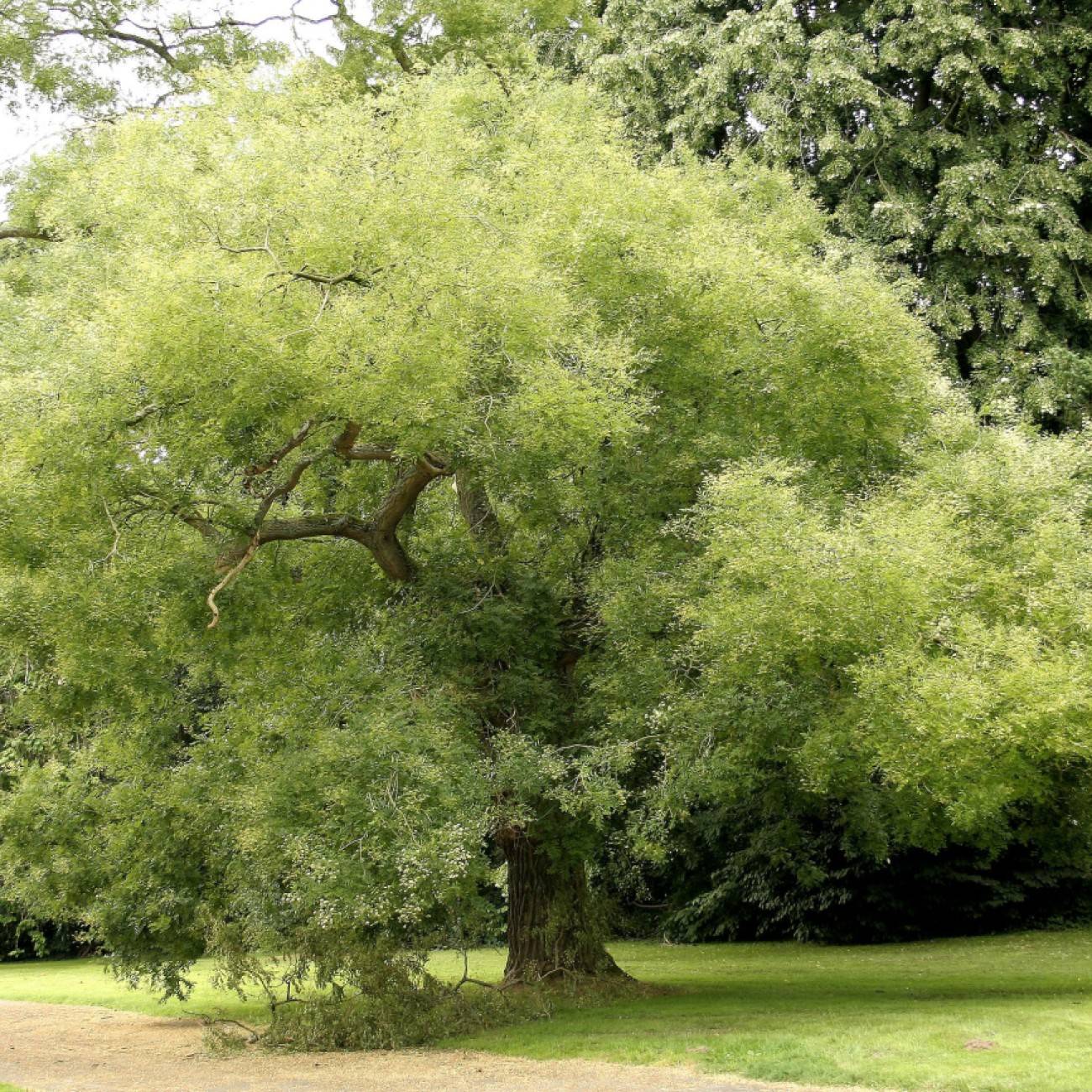
English oak is a rugged, broad-canopied deciduous tree recognizable by its lobed, glossy green leaves that turn golden brown in autumn, often persisting on branches through winter in mild climates. It produces small, brown acorns encased in scaly cups, which take two years to mature and provide a critical food source for dozens of wildlife species. Capable of living for over 1,000 years, this species has been a cultural symbol of strength, endurance, and national pride across Europe for millennia.
Care Guide
Watering
Young English oak trees require regular, deep watering during the first 2-3 years of establishment to develop a strong root system, especially during periods of drought. Mature trees are highly drought-tolerant and only need supplemental watering during extended, severe dry spells, as overwatering can lead to root rot. Avoid frequent shallow watering, which encourages shallow root growth that makes the tree less stable over time.
Light
English oak thrives in full, direct sunlight, requiring at least 6 hours of unobstructed light per day to develop a strong, balanced canopy and produce abundant acorns. It can tolerate partial shade when young, but prolonged low light will result in sparse foliage and slower, leggy growth. For optimal health, plant it in an open location away from tall structures or other large trees that would block sunlight as it matures.
Soil
This adaptable tree grows best in deep, fertile, well-drained loam with a neutral to slightly acidic pH, but it can tolerate a wide range of soil types including clay, sand, and even compacted urban soils. It does not perform well in waterlogged, poorly drained sites, as saturated soil will cause root rot and eventually kill the tree. Avoid planting it in shallow soils over hard bedrock, which limits root development and can cause the tree to become unstable in high winds.
Fertilizer
Young English oaks benefit from a balanced, slow-release granular fertilizer applied once per year in early spring to support healthy foliage and root growth during establishment. Mature trees rarely require fertilization, as they are able to access sufficient nutrients from surrounding soil and decomposing leaf litter. If foliage appears pale or growth is stunted, conduct a soil test first to identify nutrient deficiencies before applying any fertilizer, as over-fertilization can damage the tree’s root system.
Temperature
English oak is extremely cold-hardy, thriving in USDA hardiness zones 4 through 8, and can tolerate winter temperatures as low as -30°F (-34°C) without damage. It adapts well to temperate climates with warm summers, but struggles in regions with consistently high humidity and temperatures above 90°F (32°C) for extended periods, which can cause leaf scorch. Young trees may benefit from a layer of mulch around the base in winter to protect shallow roots from extreme temperature fluctuations.
Pruning
Prune English oak during the dormant winter months to remove dead, diseased, or crossing branches, and to shape the canopy as needed while the tree is young. Avoid pruning between April and October in regions where oak wilt is present, as fresh cuts attract beetles that carry the deadly fungal pathogen. Mature trees require minimal pruning, only removing hazardous or damaged limbs to reduce the risk of breakage during storms.
Propagation
English oak is most commonly propagated from acorns, which should be collected in autumn when they are fully mature and have dropped naturally from the tree. Plant acorns immediately in well-drained soil, 1-2 inches deep, or stratify them in damp sand in a refrigerator for 2-3 months before sowing in spring to improve germination rates. While grafting is possible for specific cultivars, it is rarely used for common English oak, as seed-grown trees develop the strong, deep root system critical for long-term health.
Humidity
English oak prefers moderate humidity levels between 40% and 70%, typical of its native temperate European range, but can tolerate drier air once fully established. High humidity combined with poor air circulation can increase the risk of fungal leaf diseases such as powdery mildew and anthracnose, so ensure the tree has plenty of space around its canopy for airflow. It does not perform well in consistently high-humidity tropical or subtropical climates, where disease pressure is too high for long-term survival.
Repotting
English oak is not suitable for long-term container growth, as its deep taproot requires ample space to develop, and it will quickly outgrow even large pots. Young saplings grown in containers should be planted in their permanent outdoor location within 1-2 years of germination to avoid root binding, which will stunt growth and reduce long-term survival rates. If temporarily keeping a sapling in a pot, use a deep, wide container with drainage holes and refresh the potting mix annually to provide sufficient nutrients.
Uses & Symbolism
English oak timber is extremely dense, durable, and resistant to rot, making it highly prized for furniture, flooring, shipbuilding, construction, and barrel-making for wine and spirits. The tree is widely planted in public parks, large landscapes, and reforestation projects for its shade, wildlife value, and ornamental appeal, and it supports more than 2,000 associated insect, bird, and mammal species. Historically, its bark and galls were used for tanning leather and producing ink, and it remains a prominent cultural symbol featured on coats of arms, currency, and national emblems across Europe.
Diseases & Pests
English oak is susceptible to oak wilt, a deadly fungal disease spread by sap-feeding beetles that blocks the tree’s vascular system, causing rapid wilting and death within a few years of infection. Common pests include oak processionary moth caterpillars, which defoliate trees and have venomous hairs that cause skin and respiratory irritation in humans and animals, and aphids, which secrete honeydew that leads to sooty mold growth on foliage. Fungal leaf diseases such as powdery mildew, anthracnose, and oak leaf blister are also common, though they rarely cause serious harm to healthy mature trees, mostly resulting in cosmetic leaf damage.
Related plants
Other plants you might like if you grow English Oak.