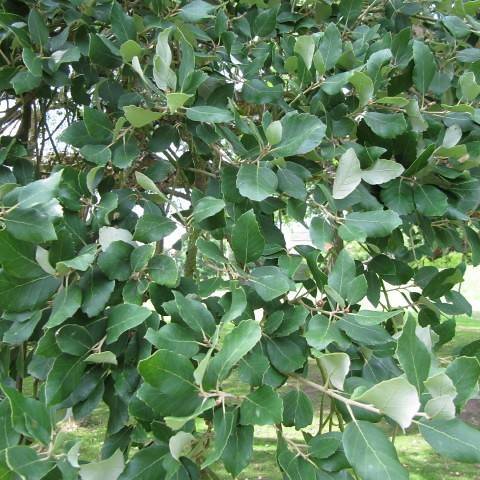
Chinese Cork Oak
Quercus variabilis
Overview
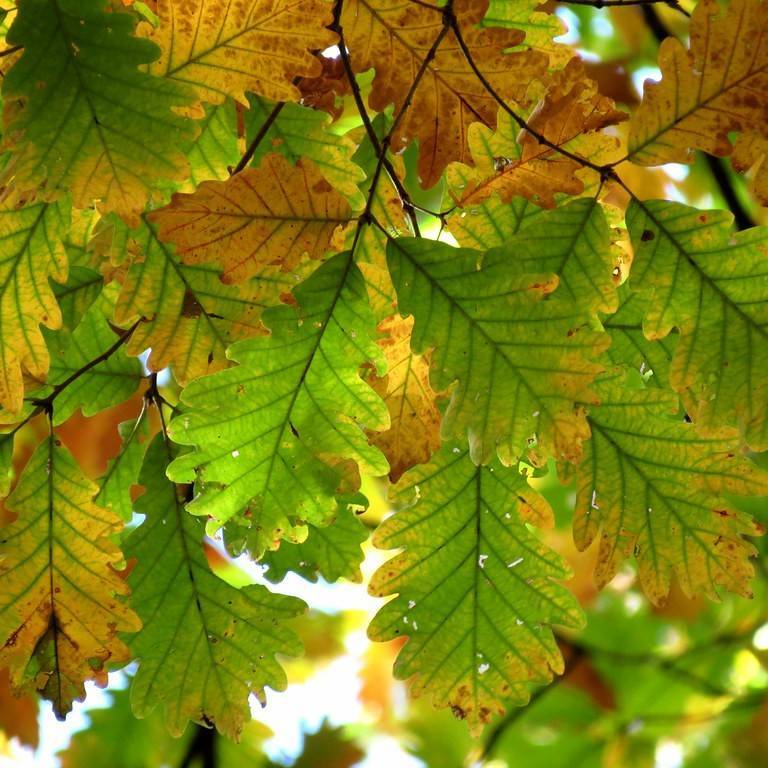
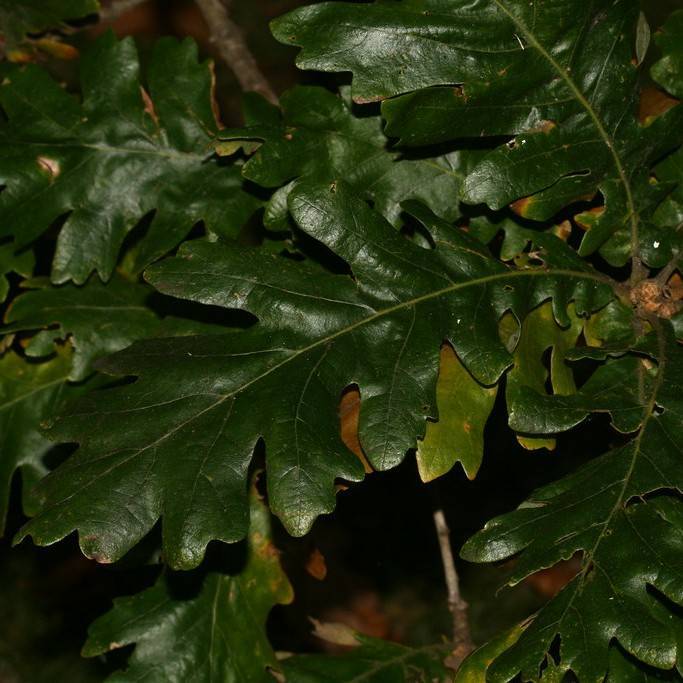
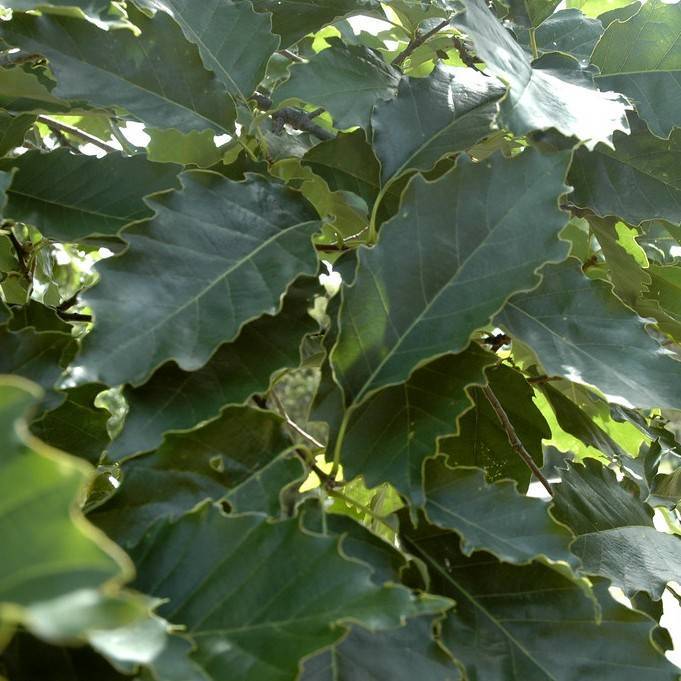
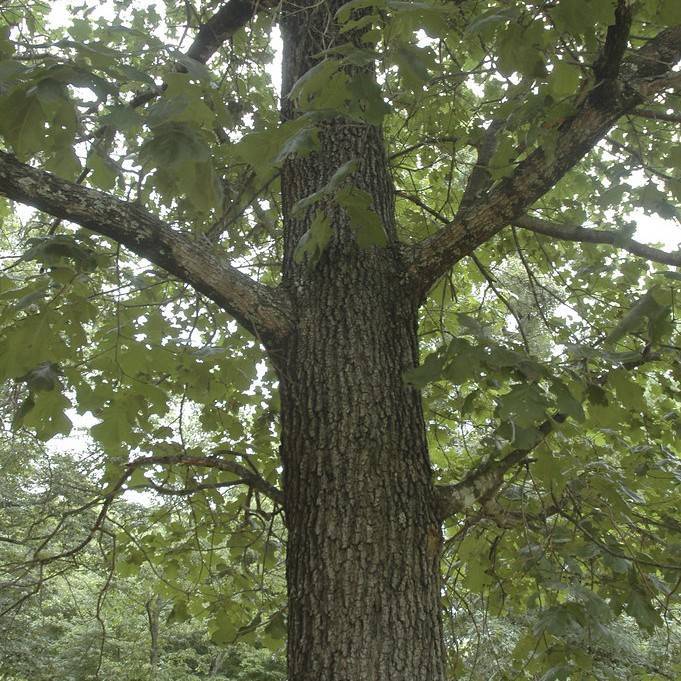
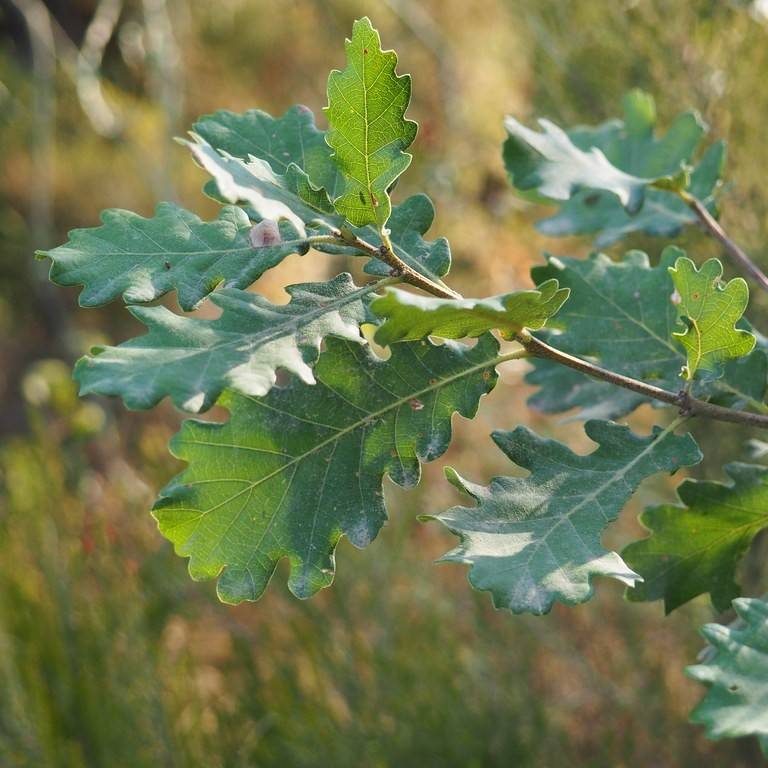
Chinese cork oak is a robust deciduous tree recognizable by its thick, deeply furrowed, corky bark that is harvested commercially for cork products without harming the tree. It produces glossy, ovate leaves with serrated edges that turn warm yellow and bronze in fall, followed by small acorns capped with fringed, scaly cups. Widely cultivated both for its economic value and as a hardy ornamental shade tree, it adapts well to temperate and subtropical climates.
Care Guide
Watering
Water young Chinese cork oaks regularly to keep soil consistently moist but not waterlogged during their first 2-3 years of establishment to support deep root growth. Mature trees are highly drought tolerant, requiring only occasional supplemental watering during extended periods of extreme heat or dryness. Avoid overwatering, especially in poorly drained soils, as this can lead to root rot.
Light
Thrives in full sun, requiring a minimum of 6 hours of direct, unfiltered sunlight daily to develop a strong, balanced canopy and support healthy growth. It can tolerate very light partial shade, but prolonged shading will reduce growth rate, cork production, and overall vigor. Plant in an open, unobstructed location to ensure it receives adequate sunlight throughout its lifespan.
Soil
Adaptable to a wide range of soil types, including loam, sandy, clay, and slightly alkaline soils, as long as the site offers good drainage. It prefers a neutral to slightly acidic pH between 5.5 and 7.5, but can tolerate mild alkalinity better than many other oak species. Avoid heavy, waterlogged soils, as prolonged saturation will damage the tree’s root system.
Fertilizer
Young trees benefit from a balanced, slow-release 10-10-10 fertilizer applied once annually in early spring before new growth emerges to support robust foliage and root development. Mature, established trees typically do not require regular fertilization, as they can access sufficient nutrients from surrounding soil. If growth appears stunted or foliage is pale, apply a nitrogen-rich fertilizer sparingly in early spring.
Temperature
Grows best in temperate to subtropical climates, with a preferred hardiness range of USDA zones 6 to 9, tolerating minimum winter temperatures down to -10°F (-23°C). It is heat tolerant, thriving in summer temperatures up to 104°F (40°C) as long as it has access to adequate moisture during extreme heat. Young trees may require winter mulching to protect roots from extreme cold in the colder end of its hardiness range.
Pruning
Prune during late winter dormancy to remove dead, damaged, or crossing branches, and to shape the canopy as desired for ornamental or timber use. Avoid heavy pruning of mature trees, as Chinese cork oaks are slow to heal from large cuts, which can increase risk of pest and disease entry. Always use clean, sharp tools to make smooth cuts, and avoid removing more than 25% of the tree’s foliage in a single year.
Propagation
Most commonly propagated from acorns, which should be sown fresh in fall immediately after harvesting, as they lose viability quickly if allowed to dry out. Soak acorns in water for 24 hours before sowing 1-2 inches deep in well-drained potting mix or directly in a prepared outdoor site, and protect from rodents and birds with netting until germination occurs. Vegetative propagation via hardwood cuttings is possible but has a low success rate, so seed propagation is preferred for most cultivation purposes.
Humidity
Tolerates a wide range of humidity levels, from dry continental climates to humid subtropical regions, with no specific humidity requirements for healthy growth. It thrives in average ambient humidity between 40% and 70%, and can tolerate both short periods of very low humidity and extended humid summer conditions without adverse effects. No supplemental humidity measures are needed for either container-grown or outdoor specimens.
Repotting
Chinese cork oak is rarely grown in containers long-term, as it develops a deep taproot and quickly outgrows most pots. If grown as a young container specimen, repot every 2-3 years in early spring before new growth begins, using a deep pot to accommodate root growth and a well-drained, loamy potting mix. Once the tree reaches 4-6 feet tall, it should be transplanted to a permanent outdoor location, as container growth will stunt its development.
Uses & Symbolism
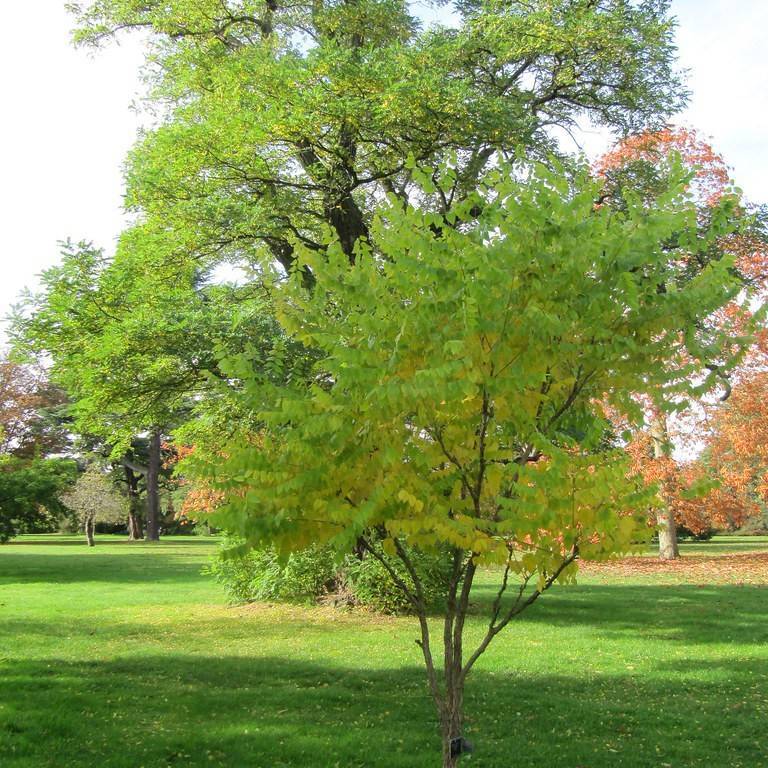
The thick, high-quality cork bark of Chinese cork oak is harvested every 9-12 years for use in bottle stoppers, insulation, flooring, and craft products, making it a valuable commercial crop in its native range. It is widely planted as a durable ornamental shade tree in parks, large gardens, and along roadsides, valued for its attractive fall foliage and low maintenance requirements. Its dense wood is used for construction, furniture, and firewood, while its acorns are a food source for wildlife including deer, squirrels, and birds.
Diseases & Pests
Chinese cork oak is relatively pest and disease resistant, but may be susceptible to common oak pathogens including powdery mildew, anthracnose, and oak wilt in regions where these diseases are prevalent. Common pests include aphids, scale insects, and oak borers, which typically target stressed or young trees, and can be controlled with horticultural oil or insecticidal soap for minor infestations. Root rot can occur in poorly drained, waterlogged soils, so ensuring proper site drainage is the most effective preventive measure against this issue.
Related plants
Other plants you might like if you grow Chinese Cork Oak.