Japanese White Pine
Pinus parviflora
Overview
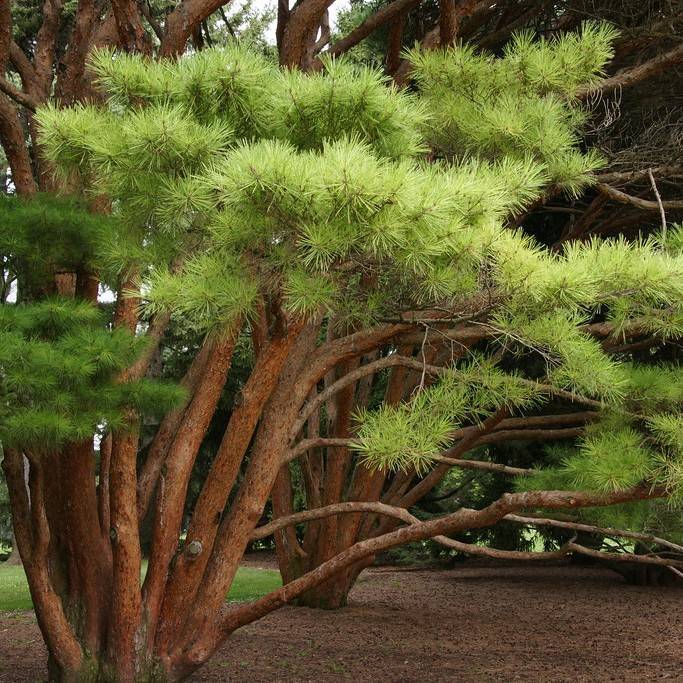
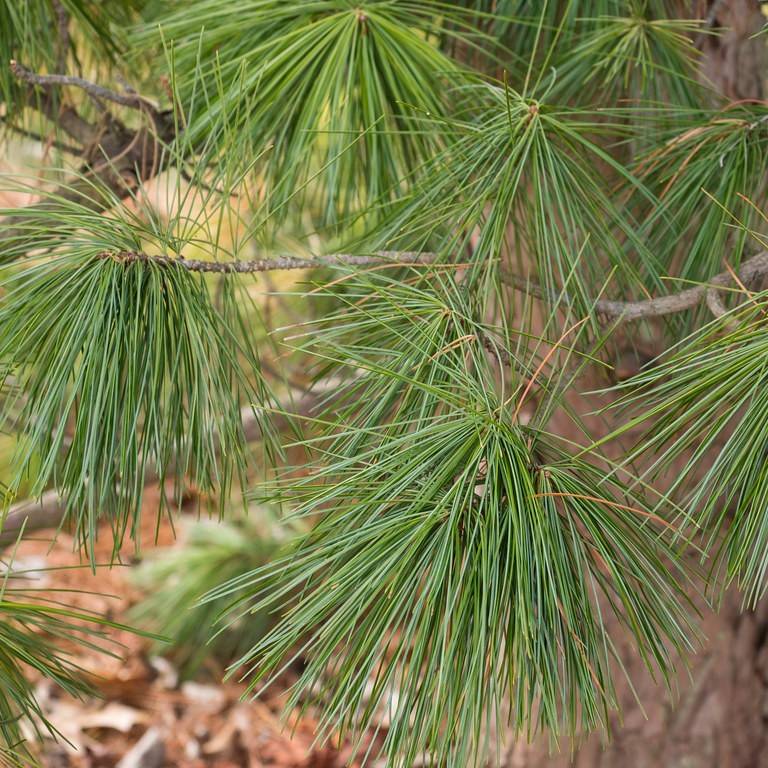
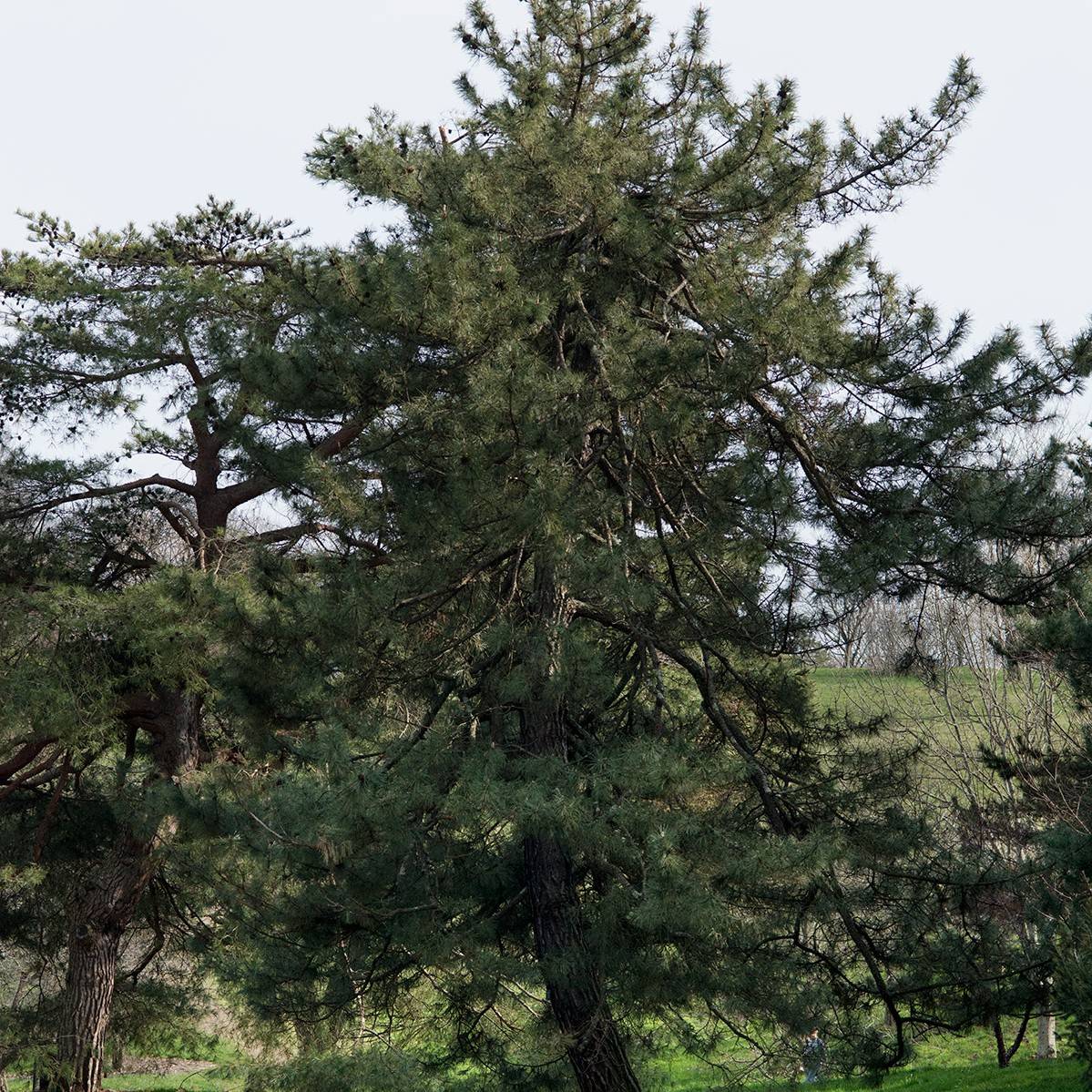
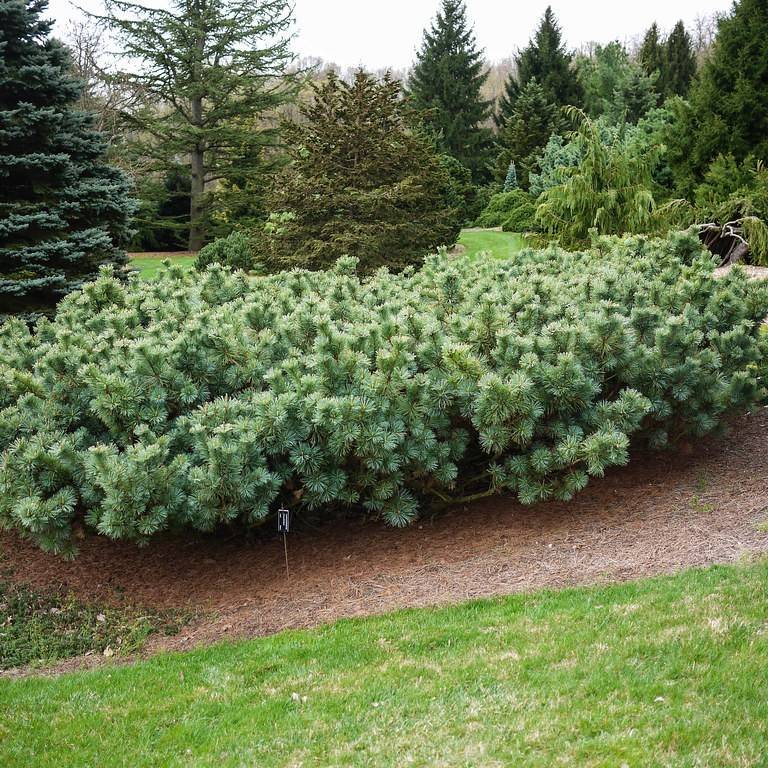
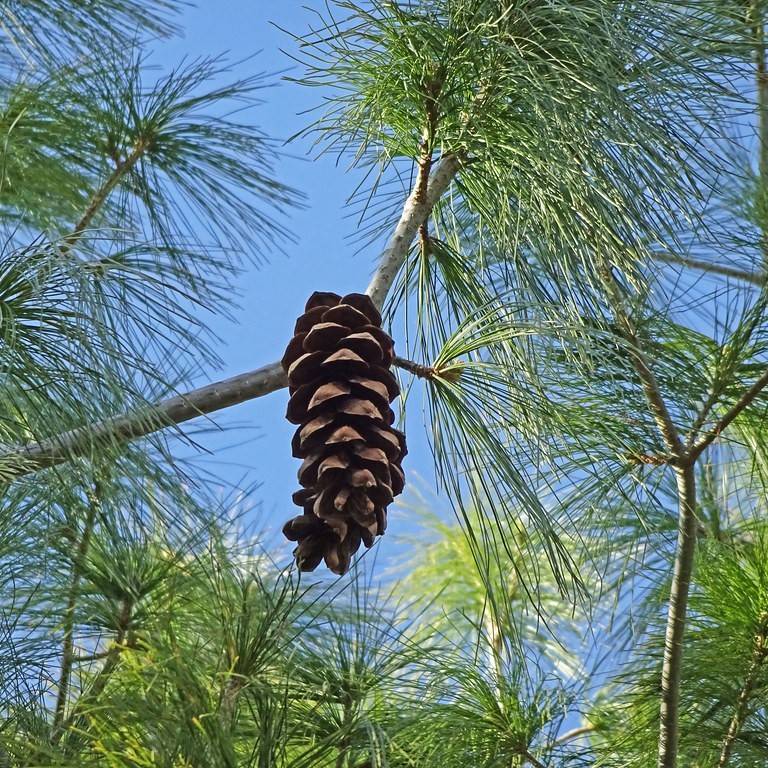
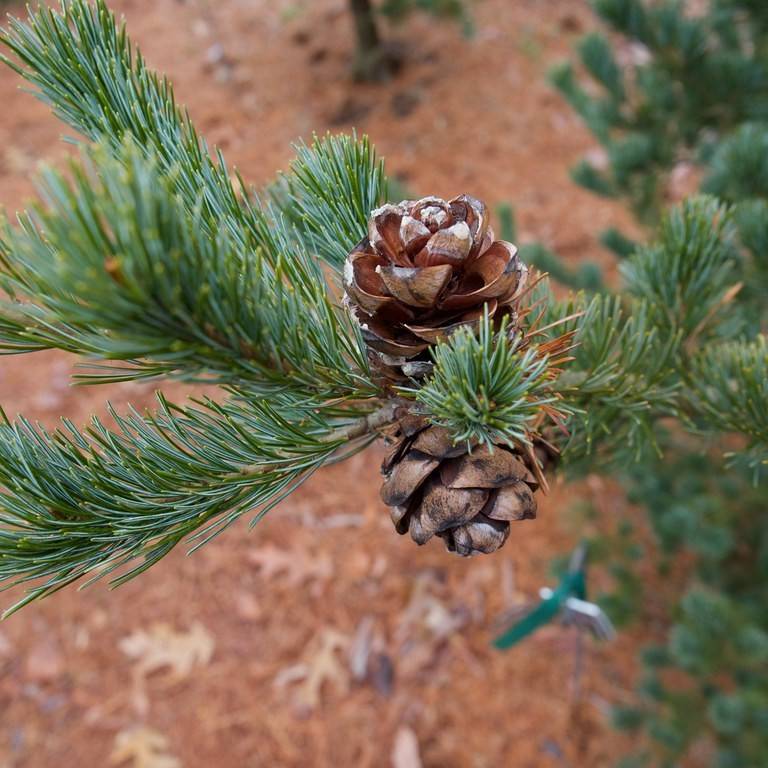
Japanese White Pine is a hardy evergreen conifer distinguished by its short, paired blue-green needles, smooth gray bark when young, and often asymmetrical, layered branching structure that develops a picturesque form with age. Native to mountainous regions of East Asia, it has been cultivated for centuries in Japanese gardens, valued for its elegant silhouette and tolerance of pruning. It produces small, reddish-brown cones that persist on branches for several years, adding seasonal visual interest.
Care Guide
Watering
Water newly planted Japanese White Pines deeply once or twice per week to establish a robust root system, allowing the top 2-3 inches of soil to dry out between waterings. Mature specimens are highly drought-tolerant, requiring supplemental watering only during extended periods of hot, dry weather. Avoid overwatering or planting in waterlogged sites, as this can cause root rot and fungal issues.
Light
Grow Japanese White Pine in full sun, defined as a minimum of 6 hours of direct, unfiltered sunlight per day, to promote dense, healthy foliage growth and a sturdy branching structure. It can tolerate very light partial shade, but extended low light conditions will result in sparse, leggy growth and increased susceptibility to pest infestations. For indoor bonsai specimens, place in a bright south-facing window or supplement with grow lights during darker winter months.
Soil
Japanese White Pine thrives in well-drained, slightly acidic to neutral sandy or loamy soils with a pH range of 5.5 to 7.0, though it adapts to a wide range of soil types as long as drainage is excellent. Heavy clay soils should be amended with compost, pine bark, or coarse sand to improve drainage before planting, as standing water will quickly damage the tree’s delicate root system. For bonsai, use a fast-draining, gritty conifer soil mix composed of akadama, pumice, and pine bark to prevent compaction.
Fertilizer
Feed young, actively growing trees in early spring before new growth emerges with a balanced, slow-release granular fertilizer formulated for evergreen conifers, applying according to package directions to avoid over-fertilization. Mature, established specimens require only light fertilization once per year in early spring, or may not need supplemental feeding at all if grown in nutrient-rich garden soil. For bonsai, use a diluted, low-nitrogen liquid fertilizer every 4-6 weeks during the growing season, pausing feeding during the hottest summer months and cold winter dormancy.
Temperature
Japanese White Pine is cold-hardy in USDA zones 5 through 8, tolerating winter temperatures as low as -20°F (-29°C) once established. It prefers cool to moderate summer temperatures between 60-75°F (15-24°C), and may suffer from needle scorch if exposed to prolonged temperatures above 90°F (32°C) combined with dry winds. Bonsai specimens grown in containers should be protected from extreme cold and harsh winter winds by placing in an unheated garage or cold frame, as container-grown roots are more vulnerable to freeze damage.
Pruning
Prune Japanese White Pine in late winter or early spring before new buds break to shape the tree, remove dead, damaged, or crossing branches, and improve air circulation throughout the canopy. During the growing season, pinch back half of the new candle growth (the soft, elongated new shoots) in late spring to encourage denser, more compact foliage and control the tree’s size, a common practice for both landscape specimens and bonsai. Avoid heavy pruning of old, woody branches unless necessary, as the tree may not produce new growth on bare, mature wood.
Propagation
Japanese White Pine is most commonly propagated from seeds, which require cold stratification for 60-90 days before sowing in a well-drained seed starting mix in early spring. Semi-hardwood cuttings taken in late summer can also root successfully, though they require consistent moisture, bottom heat, and rooting hormone to encourage root development, and success rates are often lower than seed propagation. Grafting onto hardy rootstock is the preferred method for propagating named cultivars and bonsai varieties to ensure consistent growth characteristics and form.
Humidity
Japanese White Pine prefers average to moderate humidity levels between 40-60%, which is typical of most temperate outdoor environments. It can tolerate low humidity conditions for short periods, but extended dry air combined with high temperatures may cause needle browning and tip dieback, especially for young or container-grown specimens. Indoor bonsai plants benefit from regular misting with room-temperature water during the winter months when indoor heating systems reduce ambient humidity levels.
Repotting
Young landscape Japanese White Pines may require repotting every 2-3 years if grown in containers, while mature container specimens can be repotted every 4-5 years, ideally in early spring just before new growth begins. Bonsai specimens require more frequent repotting, every 2-3 years for younger trees and every 3-5 years for mature ones, with root pruning of up to 1/3 of the root mass during repotting to encourage dense, healthy root growth. Always use a fast-draining soil mix when repotting, and water thoroughly after repotting to settle the soil around the roots and reduce transplant shock.
Uses & Symbolism
Japanese White Pine is a popular specimen tree for Asian-inspired, rock, or minimalist gardens, where its graceful, irregular form and year-round evergreen foliage serve as a focal point. It is one of the most iconic and widely cultivated species for bonsai, valued for its responsiveness to pruning, attractive bark, and ability to develop a gnarled, aged appearance quickly. In its native range, its lightweight, durable wood is occasionally used for construction, carpentry, and traditional craft projects.
Diseases & Pests
Japanese White Pine is relatively pest and disease resistant when grown in optimal conditions, but may be susceptible to pine wilt nematode, a fatal pest spread by sawyer beetles that causes rapid yellowing and death of the tree. Common fungal diseases include needle cast, which causes browning and dropping of older needles, and root rot, which occurs in poorly drained, waterlogged soils. Aphids, spider mites, and pine scale may also infest stressed specimens, causing stunted growth and needle discoloration, which can be controlled with horticultural oil or insecticidal soap treatments.
Related plants
Other plants you might like if you grow Japanese White Pine.