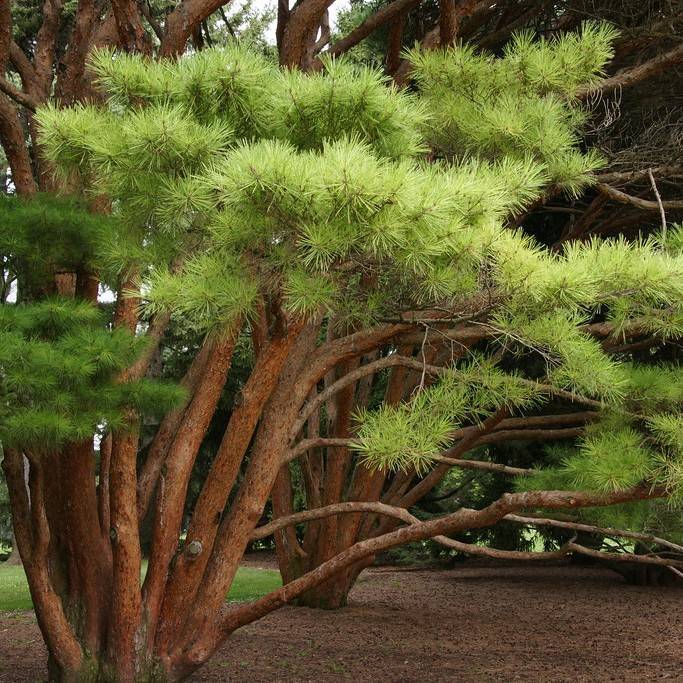
Japanese Red Pine
Pinus densiflora
Overview
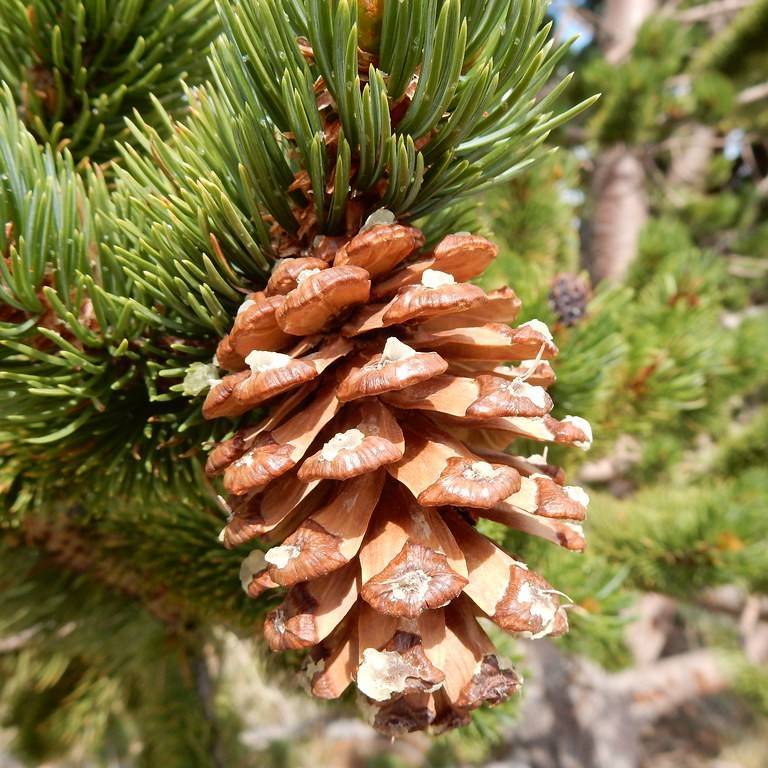
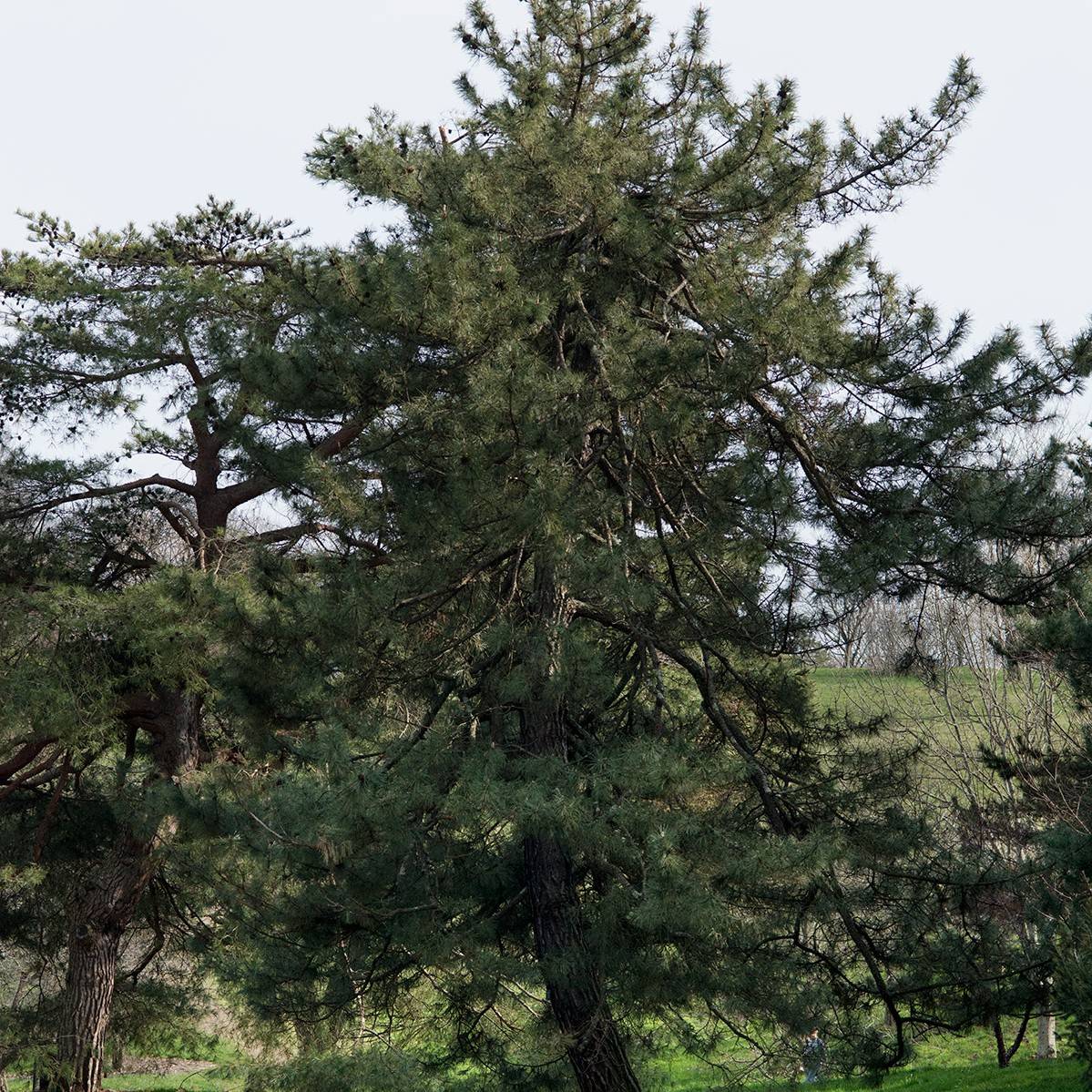
Japanese Red Pine is a slow-growing evergreen conifer distinguished by its peeling, fiery red-orange mature bark, pairs of slender, twisted bright green needles, and small, reddish-brown cones. It naturally develops an irregular, picturesque canopy as it matures, with horizontal, slightly drooping branches that give it a relaxed, windswept appearance. It is deeply culturally significant in its native East Asia, where it has been cultivated for centuries for garden design and traditional bonsai art.
Care Guide
Watering
Water newly planted Japanese Red Pines regularly for the first 2-3 years to establish deep roots, keeping soil evenly moist but never waterlogged. Once established, it is highly drought-tolerant, requiring supplemental watering only during extended periods of extreme heat or dryness. Avoid overwatering, as soggy soil will quickly cause root rot in this species.
Light
Plant Japanese Red Pine in full, direct sunlight for at least 6 hours per day to encourage dense, healthy foliage growth and strong branch structure. It can tolerate very light partial shade, but prolonged shade will result in sparse, leggy growth and reduced vibrancy of its signature red bark. For indoor bonsai specimens, place near a south-facing window to meet its high light requirements.
Soil
Japanese Red Pine thrives in well-drained, acidic, sandy or loamy soils with a pH between 4.5 and 6.5, and will not tolerate heavy, compacted clay soils that hold excess moisture. It adapts well to poor, low-nutrient soils as long as drainage is excellent, making it suitable for rocky or sloped landscape sites. For bonsai, use a coarse, fast-draining mix of akadama, pumice, and pine bark to prevent root suffocation.
Fertilizer
Feed young landscape trees once annually in early spring with a balanced, slow-release evergreen fertilizer to support steady new growth. Mature established trees require little to no fertilization, only a light application if foliage appears pale or growth is stunted. For bonsai specimens, apply a diluted, balanced liquid fertilizer every 2-4 weeks during the growing season, avoiding fertilization during the hottest summer months and dormant winter period.
Temperature
Japanese Red Pine is cold-hardy in USDA zones 3-7, tolerating winter temperatures as low as -40°F (-40°C) without damage when fully established. It prefers cool to moderate summer temperatures between 60-75°F (15-24°C), and may suffer from needle scorch in extended periods of temperatures above 90°F (32°C) paired with low humidity. Indoor bonsai should be kept in cool conditions in winter, ideally between 35-50°F (2-10°C) to support its natural dormancy cycle.
Pruning
Prune Japanese Red Pine in late winter or early spring before new growth emerges to shape the canopy, remove dead or damaged branches, and encourage denser foliage. For bonsai, perform candle pinching in late spring, removing ½ to ⅔ of new candle growth to control size and promote short, dense needle clusters. Avoid heavy pruning of old, bare wood, as this species rarely sprouts new growth from fully lignified branches without existing needles.
Propagation
Japanese Red Pine is most commonly propagated from seed, which requires 30-90 days of cold stratification to break dormancy before sowing in well-drained seed starting mix. Softwood cuttings taken from young, healthy trees in early summer can root successfully when treated with rooting hormone and kept under high humidity, though success rates are lower than seed propagation. Grafting is often used for named cultivars to preserve specific growth habits or foliage traits, typically using seed-grown rootstock of the same species.
Humidity
Japanese Red Pine prefers moderate humidity levels between 40-60%, though it adapts well to the lower humidity of most temperate landscapes once established. Dry winter air or hot, drying winds can cause needle browning, so provide a windbreak for landscape trees in exposed sites. For indoor bonsai, mist the foliage regularly during dry periods, or place the pot on a tray of pebbles filled with water to raise ambient humidity around the plant.
Repotting
Repot young landscape Japanese Red Pines only when root-bound, ideally in early spring before new growth begins, taking care to minimize disturbance to the delicate root system. Bonsai specimens require repotting every 2-5 years depending on age, with younger trees needing more frequent repotting, and should have up to ⅓ of the root mass trimmed during repotting to encourage new feeder root growth. Always use a well-draining, acidic soil mix when repotting, and water thoroughly after transplanting to settle soil around the roots.
Uses & Symbolism
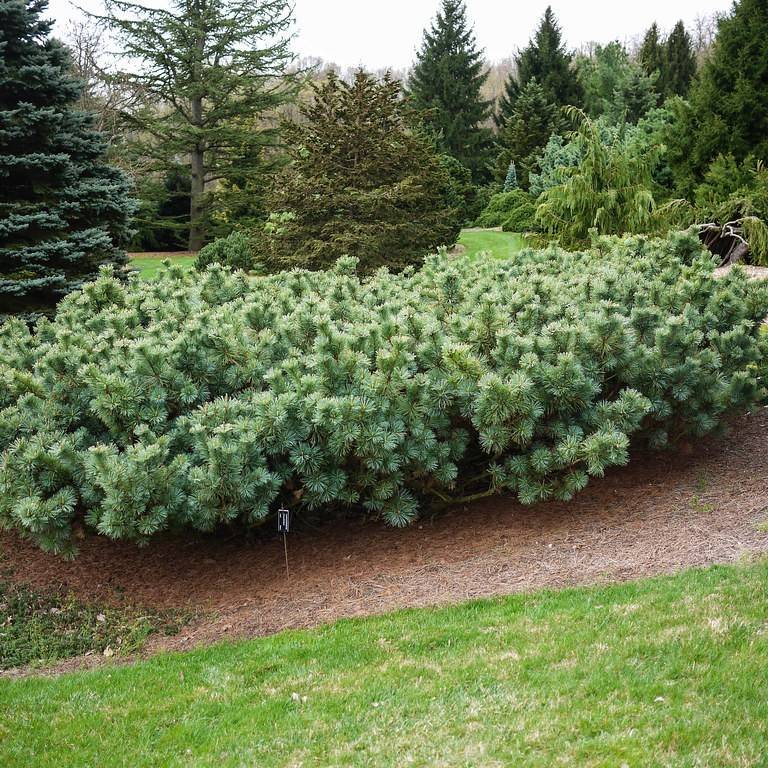
Japanese Red Pine is a popular ornamental landscape tree, planted in parks, gardens, and along roadsides for its striking red bark, attractive form, and tolerance of poor soil and urban conditions. It is one of the most widely used species for traditional bonsai, prized for its rugged, aged appearance, responsive growth to pruning, and long lifespan in containers. In its native range, its strong, durable wood is used for construction, furniture making, and paper production, while its resin has historical uses in traditional medicine and varnish production.
Diseases & Pests
Japanese Red Pine is susceptible to pine wilt disease, a fatal condition spread by pine sawyer beetles that causes rapid yellowing and browning of foliage followed by tree death. Common fungal diseases include needle blight and rust, which cause discoloration and premature dropping of needles, especially in overly wet or poorly ventilated conditions. Common pests include pine aphids, spider mites, and pine bark beetles, which feed on foliage and inner bark, weakening the tree and making it more vulnerable to secondary infections.
Related plants
Other plants you might like if you grow Japanese Red Pine.