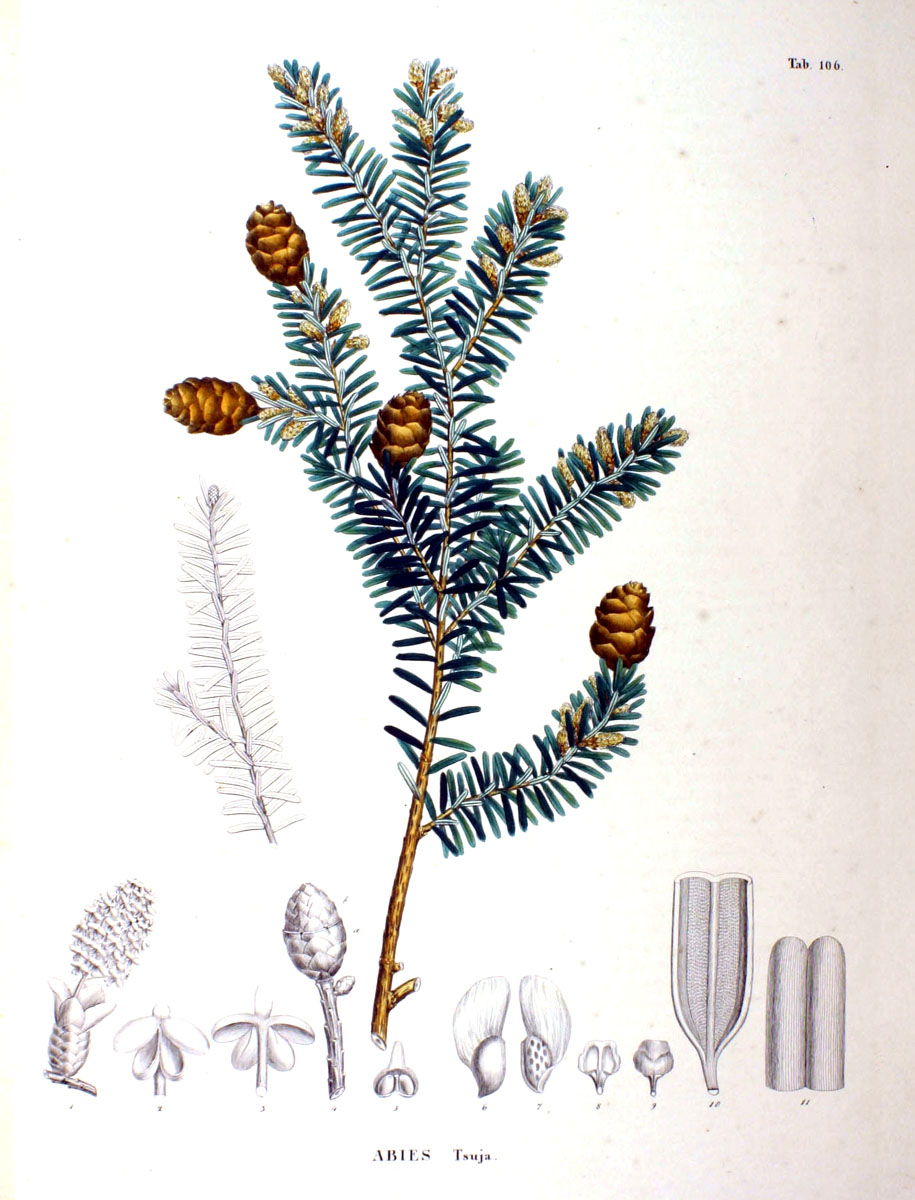
Japanese Hemlock
Tsuga sieboldii
Overview
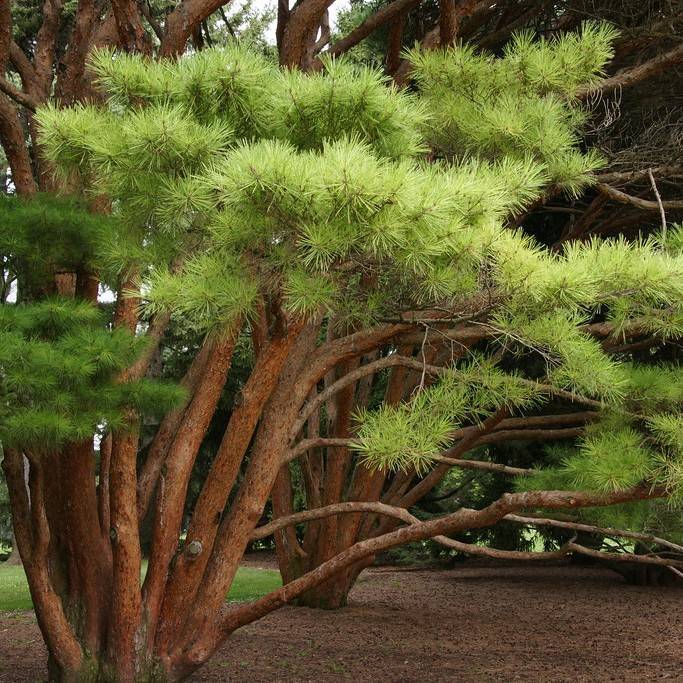
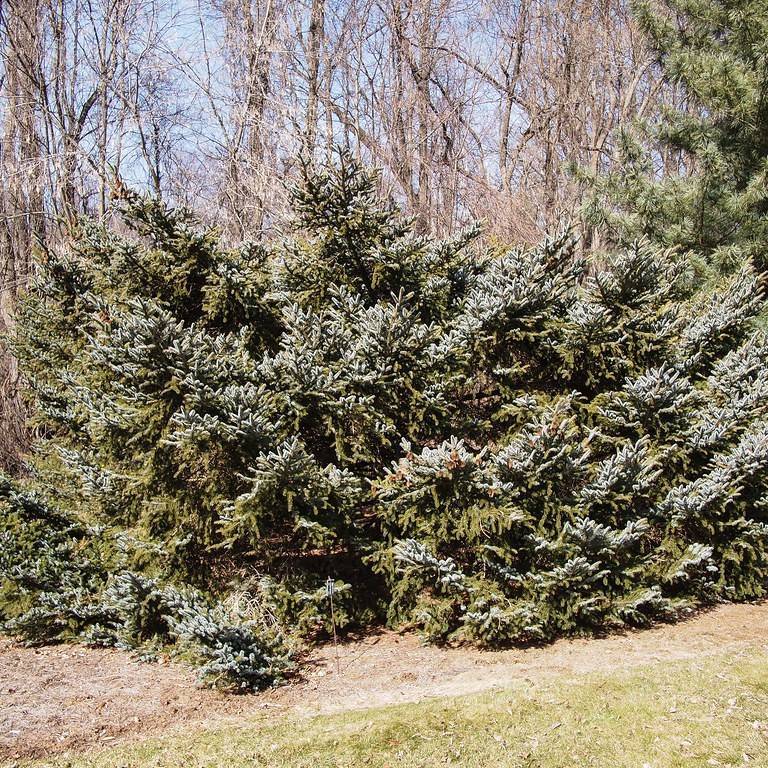
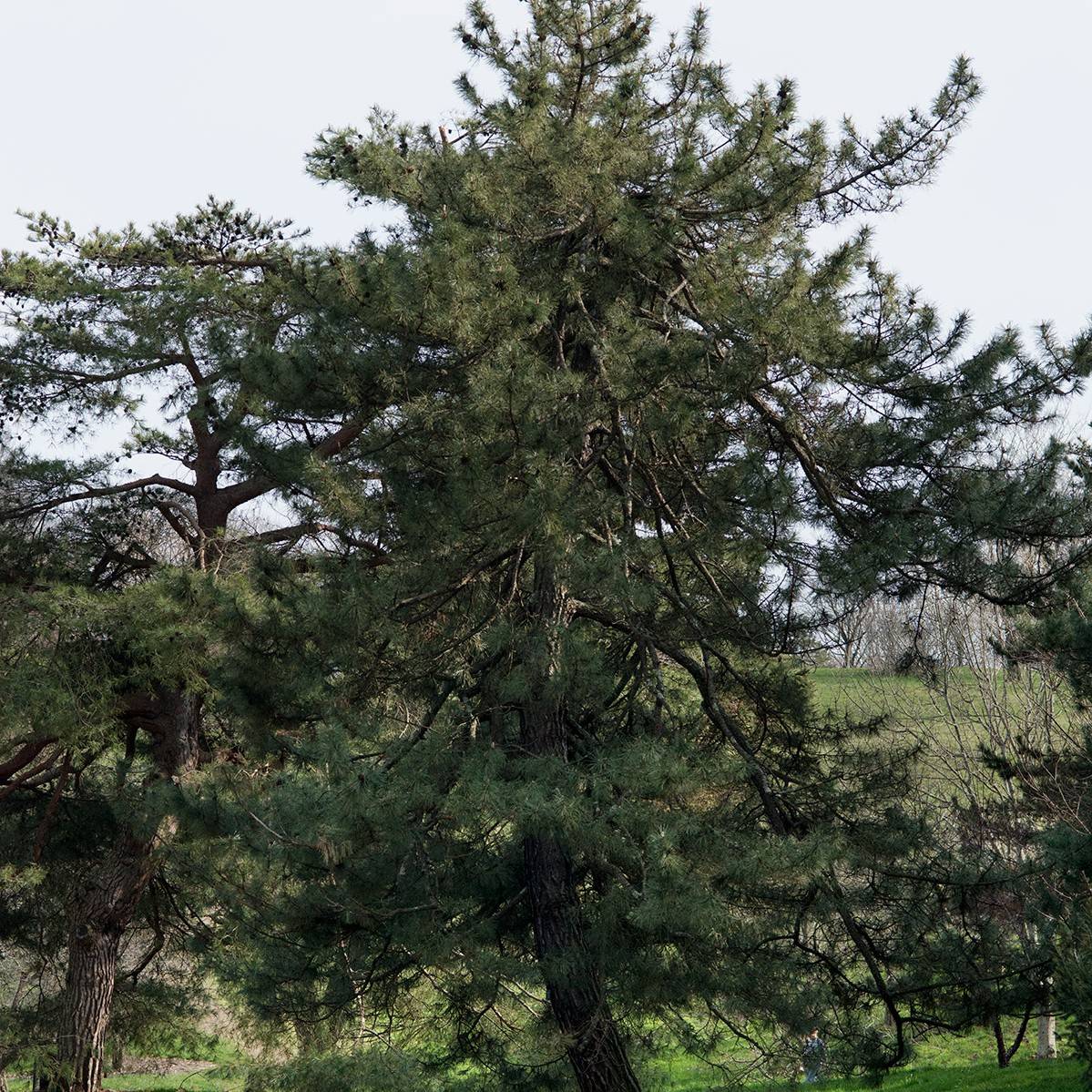
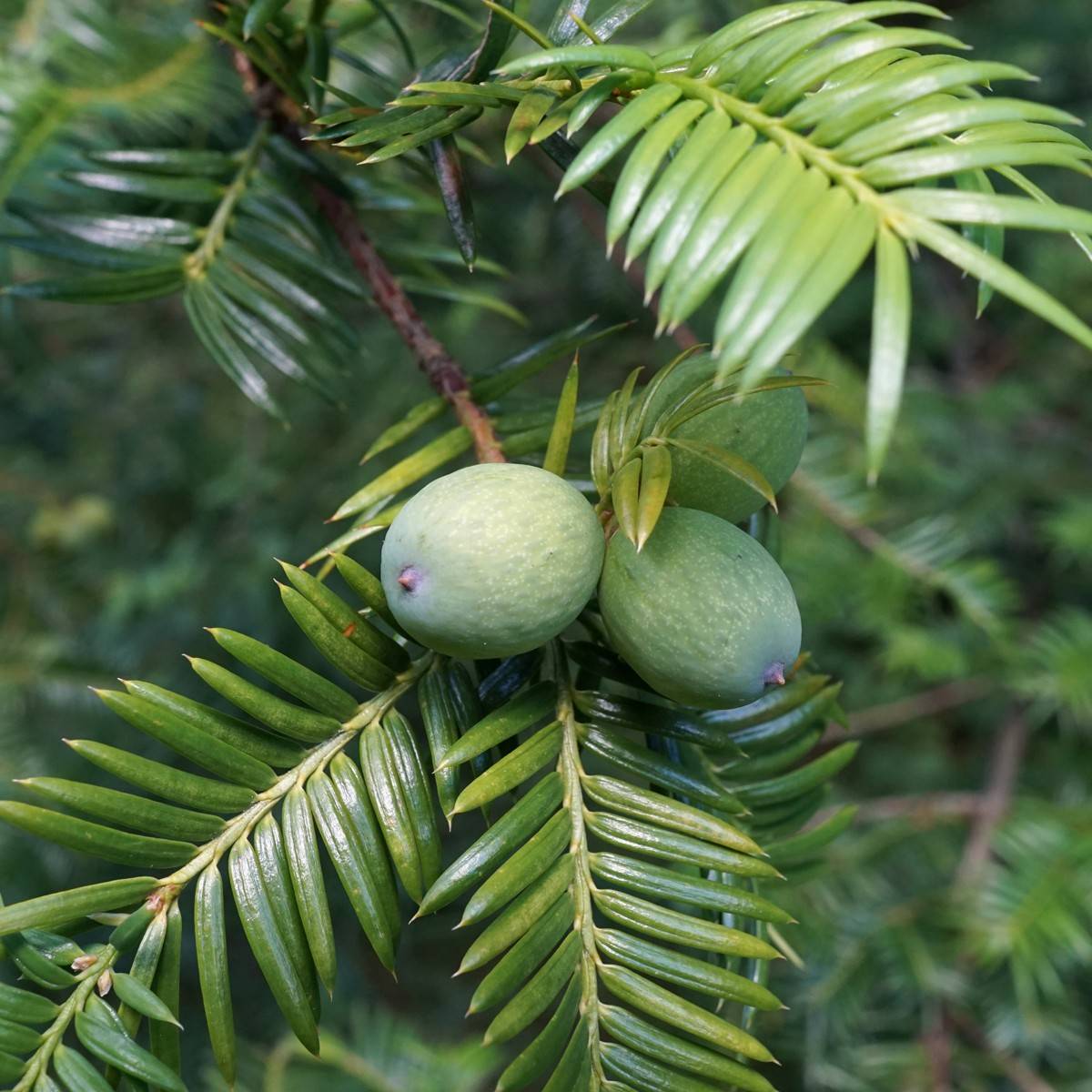
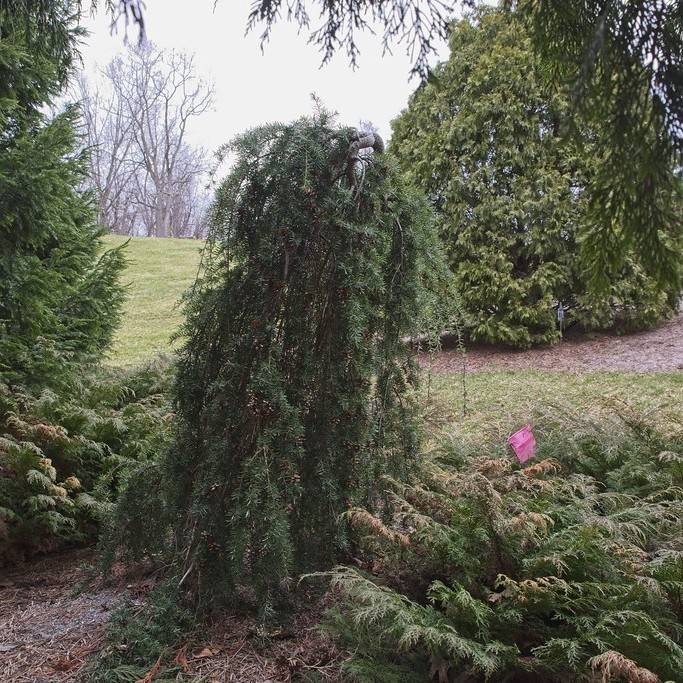
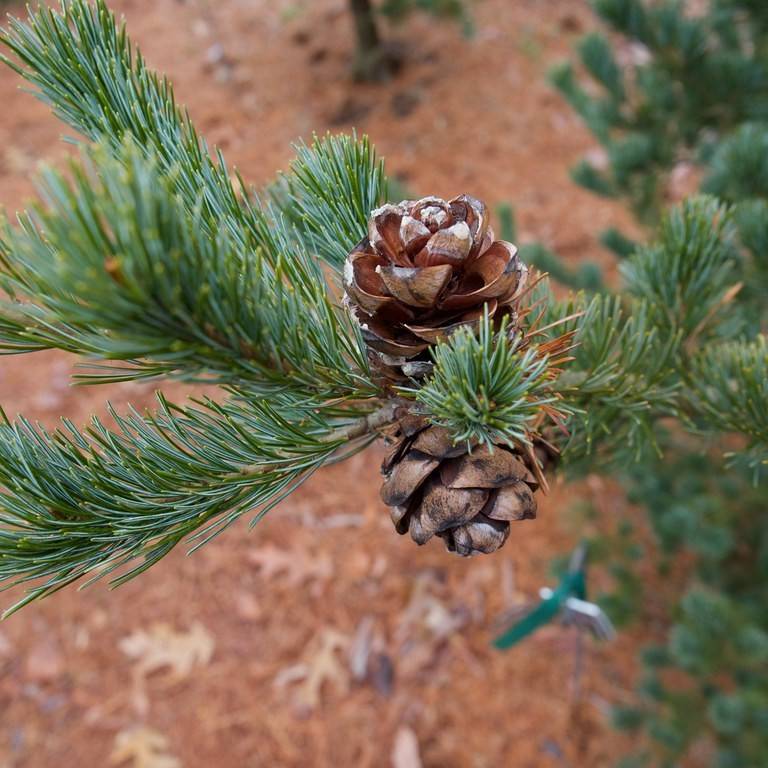
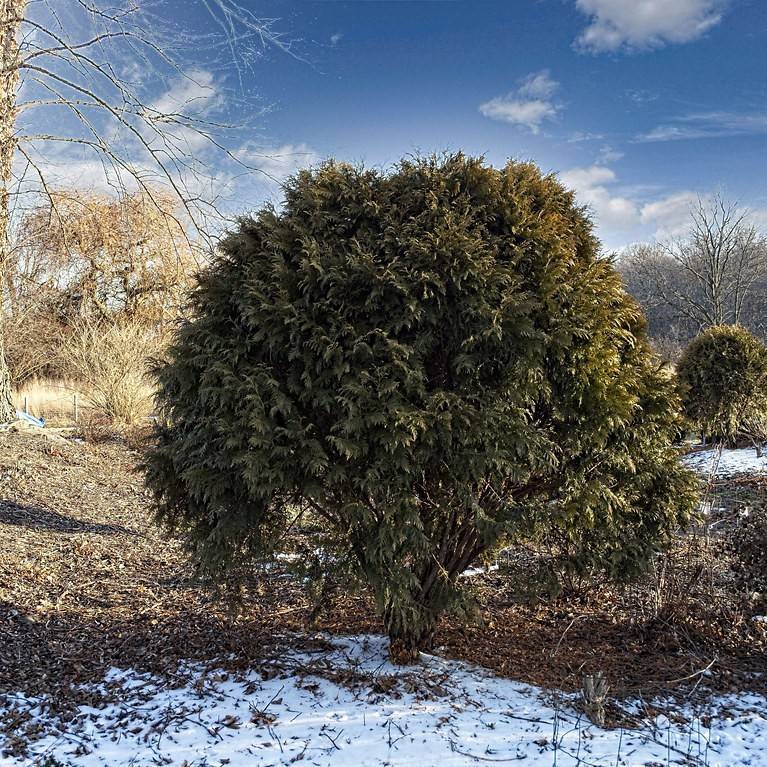
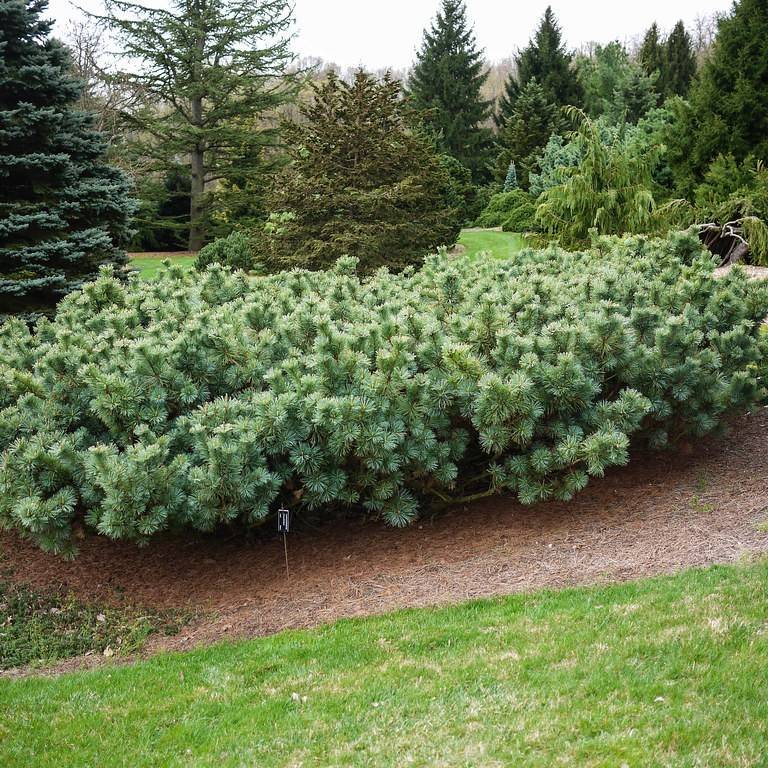
Japanese hemlock is a slow-growing evergreen conifer distinguished by its dense, pyramidal form, flattened dark green needles with silvery white stomatal bands on the undersides, and small, pendulous brown cones that mature in one growing season. Native to mountain forests of southern Japan, it thrives in cool, humid climates, making it a popular choice for temperate landscape gardens, shaded borders, and windbreaks. Its naturally compact growth habit and tolerance for heavy pruning also make it a highly sought-after species for bonsai enthusiasts.
Care Guide
Watering
Water young Japanese hemlocks regularly to keep soil consistently moist but not waterlogged, as they are intolerant of prolonged drought during establishment. Mature specimens have moderate drought tolerance, but benefit from supplemental watering during extended hot, dry periods to prevent needle browning. Avoid overwatering in heavy, poorly draining soils to reduce risk of root rot.
Light
Japanese hemlock grows best in partial shade, particularly in regions with hot summer sun that can scorch its delicate needles. It tolerates full sun in cooler, northern climates with consistent moisture, but prefers dappled light or afternoon shade to maintain its vibrant foliage color. Young plants require protection from intense direct sun to prevent leaf burn while establishing.
Soil
This species prefers acidic, well-drained loamy soil with a pH between 4.5 and 6.5, rich in organic matter to retain consistent moisture. It will not tolerate alkaline soils, which lead to yellowing of needles (chlorosis) and stunted growth. Amending planting sites with peat moss or compost can improve soil structure and acidity for optimal growth.
Fertilizer
Fertilize established Japanese hemlocks once annually in early spring with a slow-release, acidic evergreen fertilizer formulated for rhododendrons or azaleas to support steady new growth. Avoid applying high-nitrogen fertilizers late in the growing season, as this can stimulate tender new growth that is vulnerable to frost damage. Young plants may benefit from a light second application in early summer if growth appears sparse.
Temperature
Japanese hemlock thrives in cool temperate climates, with an ideal hardiness range of USDA zones 5 through 8, tolerating minimum winter temperatures down to -20°F (-29°C). It is sensitive to extreme heat and drought, struggling in regions with consistent summer temperatures above 90°F (32°C) without adequate shade and moisture. Sudden temperature fluctuations, such as late spring frosts, can damage new growth, so planting in a sheltered location is recommended.
Pruning
Prune Japanese hemlock in late winter or early spring before new growth emerges to shape the tree, remove dead or damaged branches, and maintain its desired size. It tolerates heavy pruning well, making it suitable for formal hedges or trained bonsai forms, though avoid cutting back into old, bare wood as this will not regrow new foliage. Light trimming of new growth in early summer can also help encourage denser foliage for ornamental or hedge uses.
Propagation
Japanese hemlock is most commonly propagated from semi-hardwood cuttings taken in late summer or early fall, treated with rooting hormone and placed in a humid, cool environment to develop roots over 6 to 12 months. Seed propagation is possible but requires cold stratification for 60 to 90 days before sowing, and seed-grown plants may not retain the exact characteristics of the parent cultivar. Grafting is often used for named ornamental cultivars to ensure consistent growth traits.
Humidity
This species prefers moderate to high humidity levels between 40% and 60%, typical of its native mountain forest habitat. It tolerates average indoor humidity for short periods when grown as a bonsai, but benefits from regular misting during dry winter months to prevent needle desiccation. In dry outdoor climates, planting near a water feature or grouping with other moisture-loving plants can help raise ambient humidity levels.
Repotting
Bonsai Japanese hemlocks should be repotted every 2 to 3 years in early spring before new growth begins, using a well-draining, acidic bonsai soil mix to prevent root rot. Landscape specimens rarely need transplanting once established, as they develop a deep, extensive root system that can be damaged by moving. When repotting bonsai, prune no more than 1/3 of the root mass to avoid shocking the plant.
Uses & Symbolism
Japanese hemlock is widely planted as an ornamental landscape tree in temperate gardens, valued for its graceful form, evergreen foliage, and tolerance of shade, making it ideal for shaded borders, woodland gardens, and formal hedges. It is one of the most popular conifer species for bonsai cultivation, prized for its fine texture, responsive growth to pruning, and ability to develop aged, gnarled features over time. Historically, its light, strong wood was used in Japan for construction and woodworking, though it is rarely harvested for timber today.
Diseases & Pests
Japanese hemlock is highly resistant to the hemlock woolly adelgid, a destructive invasive pest that devastates North American hemlock species, making it a valuable alternative for landscaping in affected regions. Common pests include scale insects, spider mites, and bagworms, which can be controlled with horticultural oil or insecticidal soap applied in early spring before new growth emerges. It is susceptible to root rot in poorly draining soils, and needle blight may occur in excessively wet, humid conditions with poor air circulation, which can be mitigated by pruning to improve airflow and avoiding overhead watering.
Related plants
Other plants you might like if you grow Japanese Hemlock.