Alcock's Spruce
Picea alcoquiana
Overview
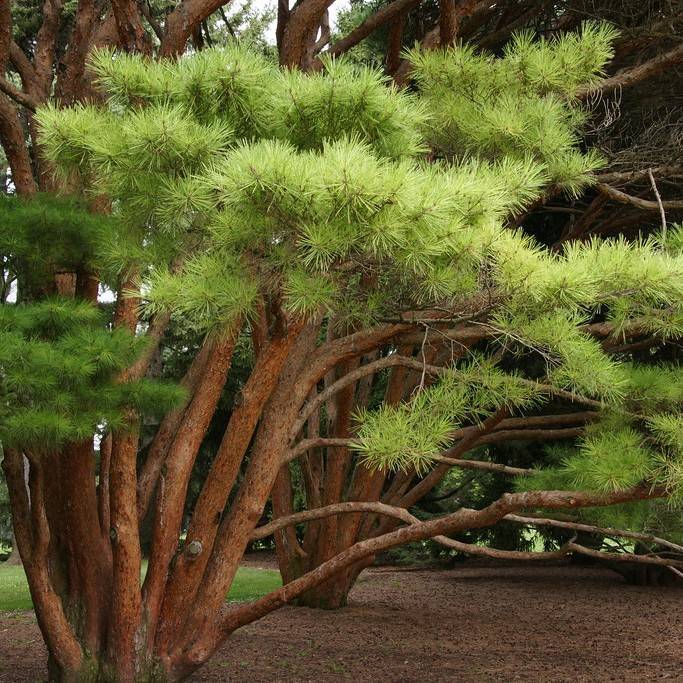
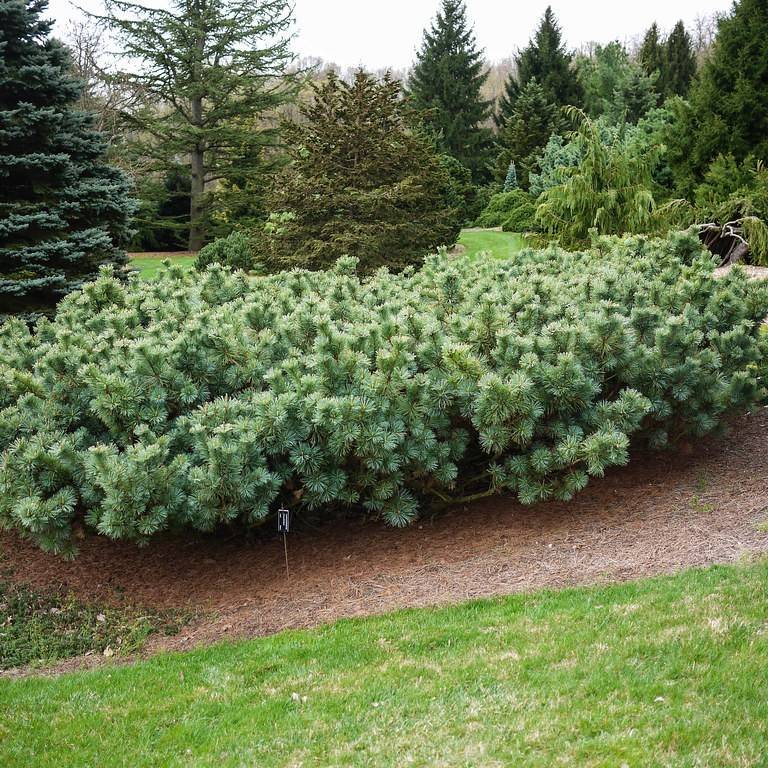
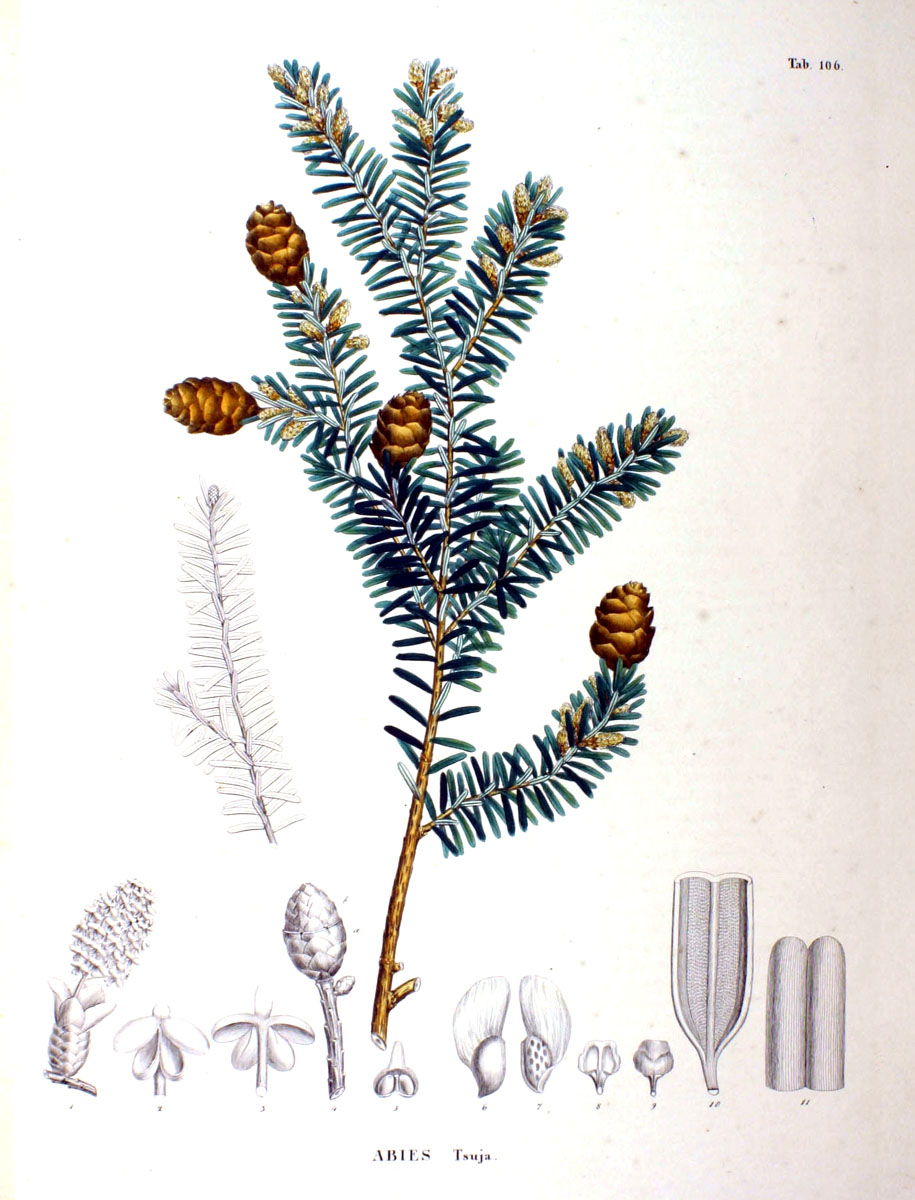
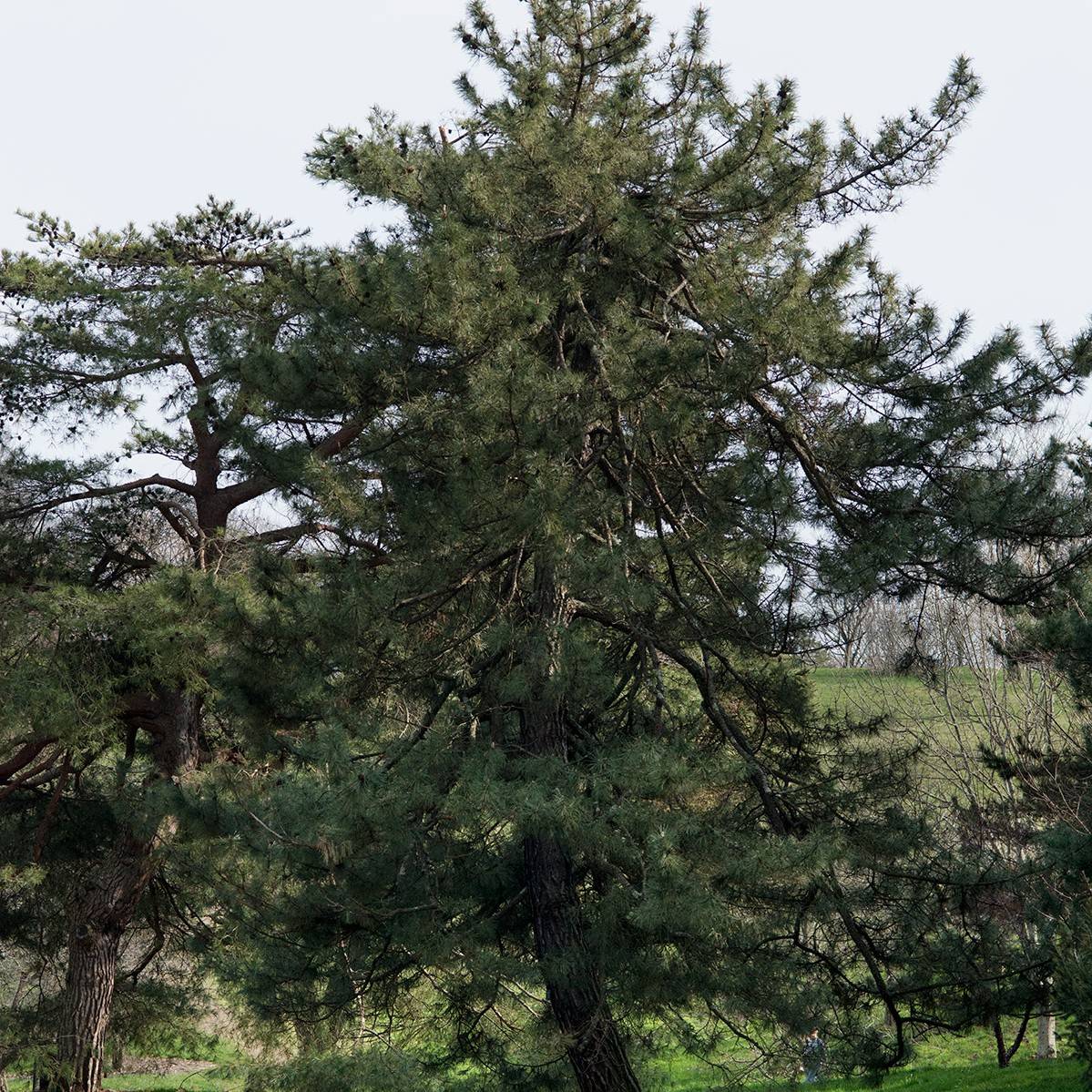
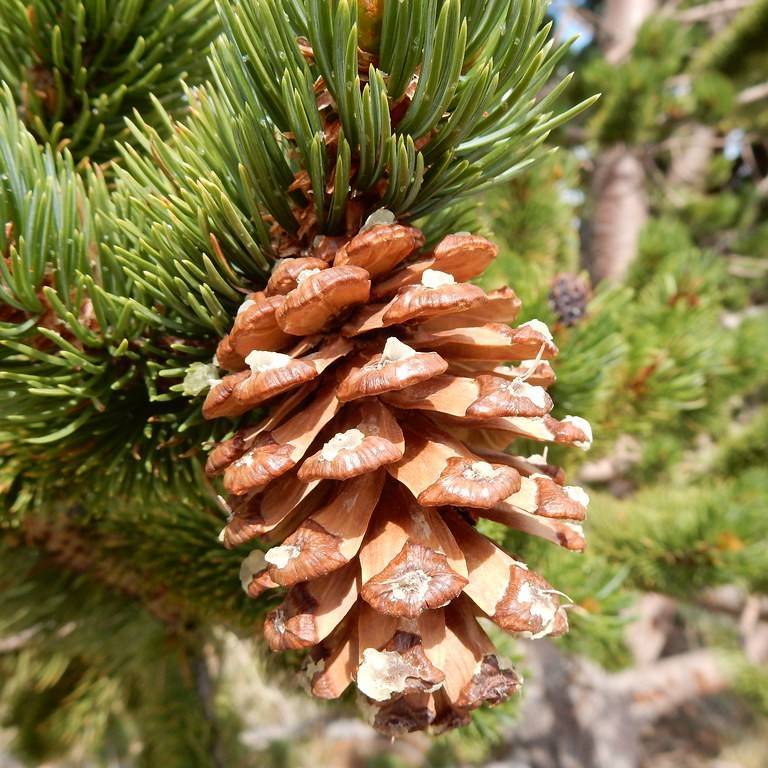
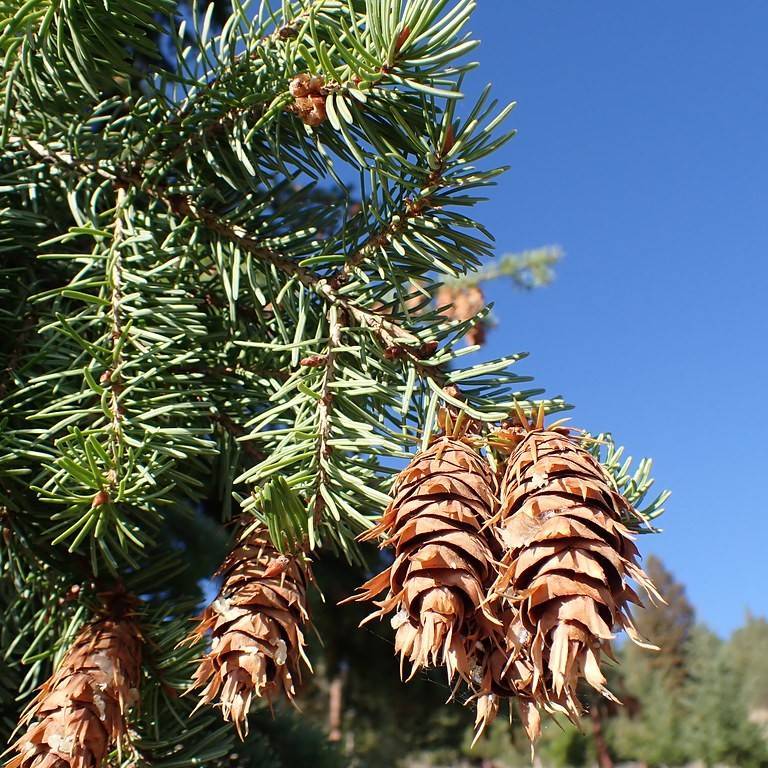
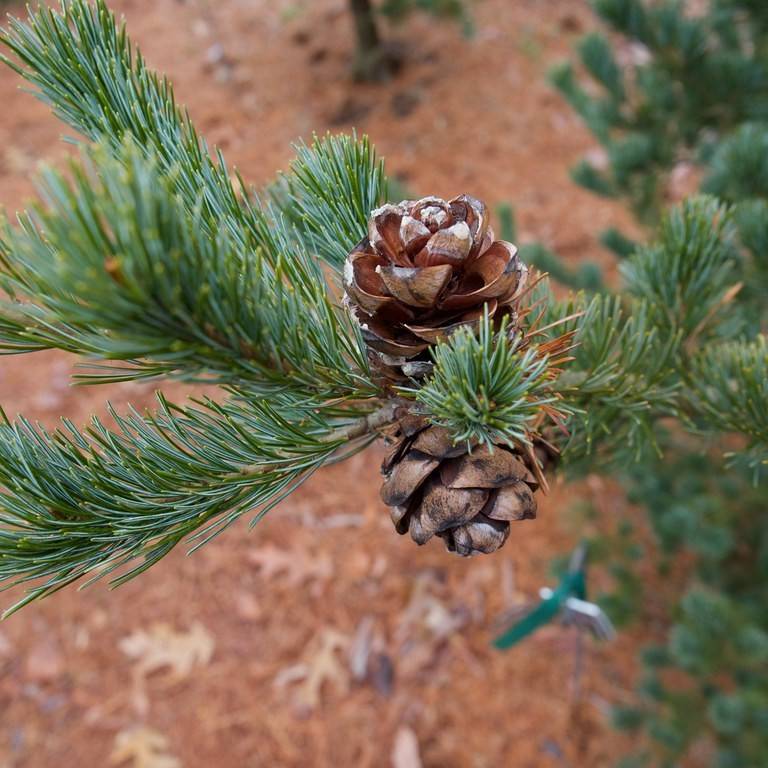
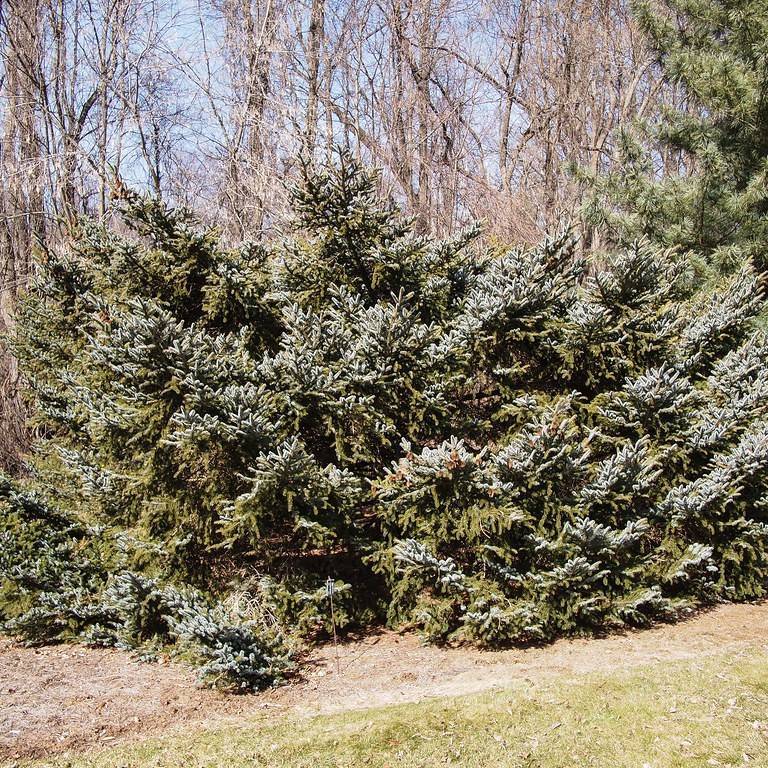
Alcock's Spruce is a medium to large evergreen conifer distinguished by its pendulous young branchlets, sharply pointed blue-green needles, and light brown, papery cones that mature in late summer. In its native habitat, it thrives in cool, high-elevation forests, tolerating heavy snowfall and cold winter temperatures. As a cultivated ornamental, it is prized for its elegant, pyramidal form and low-maintenance nature once established.
Care Guide
Watering
Water newly planted Alcock's Spruce deeply once or twice weekly for the first two growing seasons to establish a strong root system, allowing the top 3 inches of soil to dry out between waterings. Mature specimens are drought-tolerant, requiring supplemental water only during extended periods of heat or dryness. Avoid overwatering or waterlogged soil, which can cause root rot.
Light
Plant Alcock's Spruce in full sun for the densest, most vibrant foliage growth, as it requires a minimum of six hours of direct, unfiltered sunlight daily. It can tolerate very light, dappled shade, but prolonged shade will lead to sparse growth and a lanky, uneven form.
Soil
This spruce prefers well-drained, slightly acidic loamy soil with a pH between 5.0 and 6.5, though it can adapt to neutral or slightly alkaline soils if drainage is excellent. It will not survive in heavy, compacted clay soils that hold standing water. Amend heavy planting sites with compost or pine bark fines to improve drainage and adjust pH if needed.
Fertilizer
Feed young, actively growing Alcock's Spruce in early spring with a slow-release, balanced evergreen fertilizer formulated for acid-loving plants to support new foliage growth. Mature, well-established specimens rarely require fertilization unless growing in nutrient-poor soil, in which case a light application once every 2-3 years is sufficient. Avoid fertilizing in late summer or fall, as new growth produced then may be damaged by early frost.
Temperature
Alcock's Spruce is extremely cold-hardy, thriving in USDA hardiness zones 4 through 7, withstanding winter temperatures as low as -30°F (-34°C). It prefers cool summer temperatures between 60-75°F (16-24°C) and may suffer from needle scorch in regions with sustained summer heat above 90°F (32°C), especially if exposed to dry winds. Protect young specimens from harsh, drying winter winds to prevent foliar damage.
Pruning
Prune Alcock's Spruce only to remove dead, damaged, or diseased branches, which can be done at any time of year. To shape the tree or encourage denser growth, lightly trim the new soft growth (candles) in late spring before they harden into woody branches. Avoid cutting back into old, bare wood, as this spruce will not produce new growth from leafless branches.
Propagation
Alcock's Spruce is most reliably propagated from semi-hardwood cuttings taken in late summer, treated with rooting hormone, and placed in a well-drained, sterile rooting medium under high humidity for 3-6 months until roots form. It can also be grown from seed, which requires 30-90 days of cold stratification to break dormancy, though seed-grown specimens may not retain the exact ornamental traits of the parent plant. Grafting onto hardy rootstock is common for named cultivars to ensure consistent characteristics.
Humidity
This species prefers moderate to high humidity levels between 40-60%, typical of its native mountain forest habitat. It can tolerate average indoor humidity if grown as a container specimen, but very dry air from heating vents may cause needle browning at the tips. Mist the foliage occasionally during winter in dry indoor environments to improve humidity around the plant.
Repotting
Container-grown Alcock's Spruce should be repotted every 2-3 years in early spring before new growth begins, using a well-drained acidic potting mix designed for conifers. Choose a pot only 1-2 inches larger than the current root ball to avoid excess soil moisture around the roots. For bonsai specimens, repot annually, trimming up to one-third of the root mass to maintain the desired size.
Uses & Symbolism
Alcock's Spruce is widely planted as an ornamental specimen in cool-climate landscapes, used as a focal point in yards, privacy screens, or windbreaks in rural properties. Dwarf cultivars are popular for rock gardens, container plantings, and bonsai cultivation, prized for their slow growth and compact form. Historically, its strong, light wood has been used in Japanese construction for general building and crafting small wooden items.
Diseases & Pests
Alcock's Spruce is relatively pest-resistant, but may be susceptible to spruce budworm, which feeds on new growth, and spider mites that cause yellow stippling on needles during hot, dry weather. Common fungal diseases include cytospora canker, which causes branch dieback in stressed specimens, and needle cast diseases that lead to premature needle drop in wet, poorly ventilated conditions. Proper spacing to promote air circulation, avoiding overhead watering, and removing infected branches reduces the risk of most disease issues.
Related plants
Other plants you might like if you grow Alcock's Spruce.