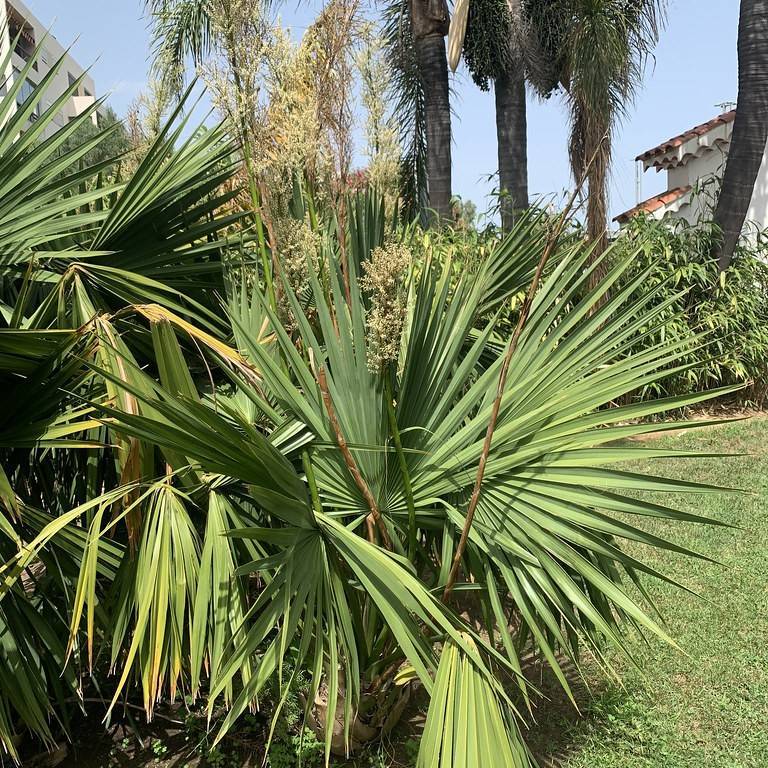
Dwarf Palmetto
Sabal minor
Overview
Dwarf palmetto is a small, trunkless or short-trunked palm that forms dense clumps of stiff, fan-shaped blue-green to deep green fronds, each reaching up to 3 feet wide. It is one of the most cold-hardy palm species native to North America, tolerating temperatures well below freezing for short periods. In its native habitat, it grows in moist woodlands, floodplains, and coastal dunes, making it highly adaptable to both wet and moderately dry sites. It produces small, creamy white flower clusters in summer that ripen into black, berry-like fruits enjoyed by wildlife.
Care Guide
Watering
Water newly planted dwarf palmettos regularly for the first 1-2 years to establish deep roots, keeping the soil consistently moist but not waterlogged. Once established, they are highly drought-tolerant, requiring only occasional supplemental watering during prolonged dry spells. Avoid overwatering container-grown plants, as soggy soil can lead to root rot.
Light
Dwarf palmetto thrives in full sun to partial shade, though it grows more densely and produces more flowers in locations with at least 4-6 hours of direct sunlight daily. It can tolerate deep shade, but fronds may become more sparse and elongated as the plant stretches toward light sources. Young plants benefit from partial shade during the hottest summer months to prevent frond scorch.
Soil
This palm adapts to a wide range of soil types, including sandy, loamy, clay, and even poorly drained wet soils, as long as the pH is neutral to slightly acidic. It tolerates occasional flooding and saline soils, making it suitable for coastal landscapes. For container growth, use a well-draining potting mix formulated for palms or cacti to prevent waterlogging.
Fertilizer
Feed dwarf palmetto once in early spring and once in mid-summer with a slow-release, balanced palm fertilizer containing micronutrients like magnesium and iron to prevent frond yellowing. Avoid fertilizing in late fall or winter, as new growth stimulated by late feeding can be damaged by cold temperatures. Container-grown plants benefit from lighter, more frequent feeding every 6-8 weeks during the growing season.
Temperature
Dwarf palmetto is exceptionally cold-hardy for a palm, tolerating winter temperatures as low as 0°F (-18°C) when established, making it suitable for USDA hardiness zones 7 through 10. It thrives in warm summer temperatures between 70-95°F (21-35°C), and can tolerate high heat and humidity without stress. In regions with severe, prolonged cold, mulch heavily around the base of the plant in winter to protect root systems.
Pruning
Prune only dead, brown, or severely damaged fronds as needed, typically in late spring before new growth emerges. Avoid cutting green fronds, as they provide the plant with essential nutrients and energy for growth. Do not remove fronds that are partially brown, as they still contribute valuable resources to the plant.
Propagation
Dwarf palmetto is most commonly propagated from fresh seed, which germinates slowly over 3-12 months when kept in warm, moist conditions. Stratifying seeds for 30 days at cool temperatures before sowing can improve germination rates. It can also be propagated by dividing established clumps in early spring, carefully separating offsets with intact root systems and replanting them immediately.
Humidity
This palm is adapted to the high humidity of its native southeastern U.S. habitat, thriving in humidity levels between 50-70%, though it tolerates drier air better than many other palm species. Indoor-grown plants benefit from occasional misting or placement on a pebble tray filled with water to boost humidity during dry winter months. It has no significant humidity requirements when grown outdoors in its suitable hardiness zones.
Repotting
Container-grown dwarf palmettos only need repotting every 3-4 years, as they prefer slightly root-bound conditions which reduce the risk of overwatering. Repot in early spring before new growth begins, using a slightly larger pot with drainage holes and fresh palm potting mix. Avoid disturbing the root ball more than necessary during repotting to minimize transplant shock.
Uses & Symbolism
Dwarf palmetto is widely used in native and low-maintenance landscaping as a groundcover, border plant, or accent in shade gardens, rain gardens, and coastal landscapes. Its tough, drought-tolerant nature makes it ideal for xeriscaping and roadside plantings in its suitable hardiness zones. Historically, Indigenous peoples used its fronds for weaving baskets and mats, and its fruits and young hearts for food.
Diseases & Pests
Dwarf palmetto is relatively pest and disease resistant, though it can be susceptible to root rot if grown in consistently waterlogged soil with poor drainage. Common pests include scale insects and spider mites, which can be treated with horticultural oil or insecticidal soap for severe infestations. Leaf spot fungal diseases may occur in overly humid, poorly ventilated conditions, and can be managed by removing affected fronds and improving air circulation around the plant.
Related plants
Other plants you might like if you grow Dwarf Palmetto.
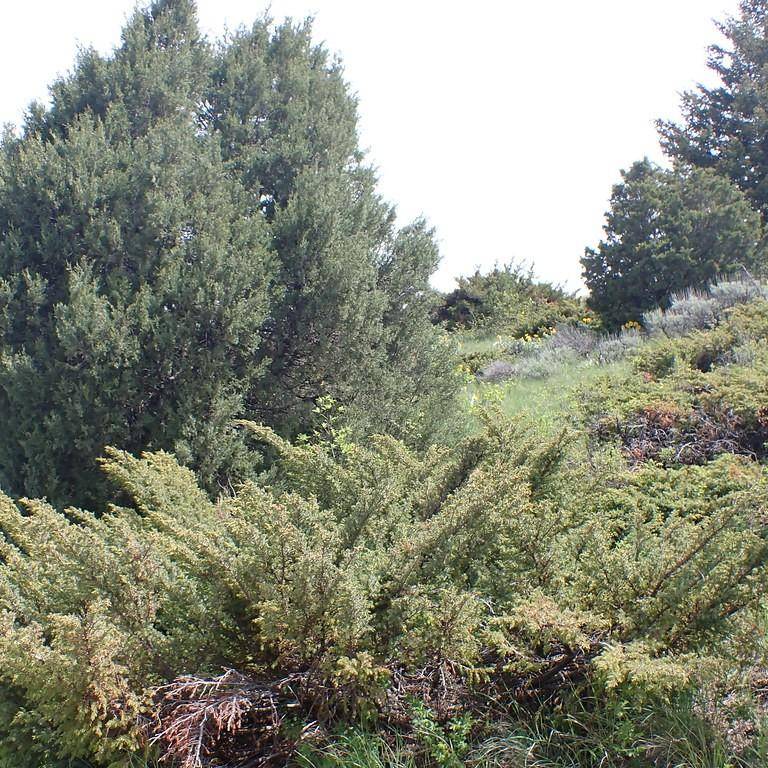
Creeping Juniper
Juniperus horizontalis
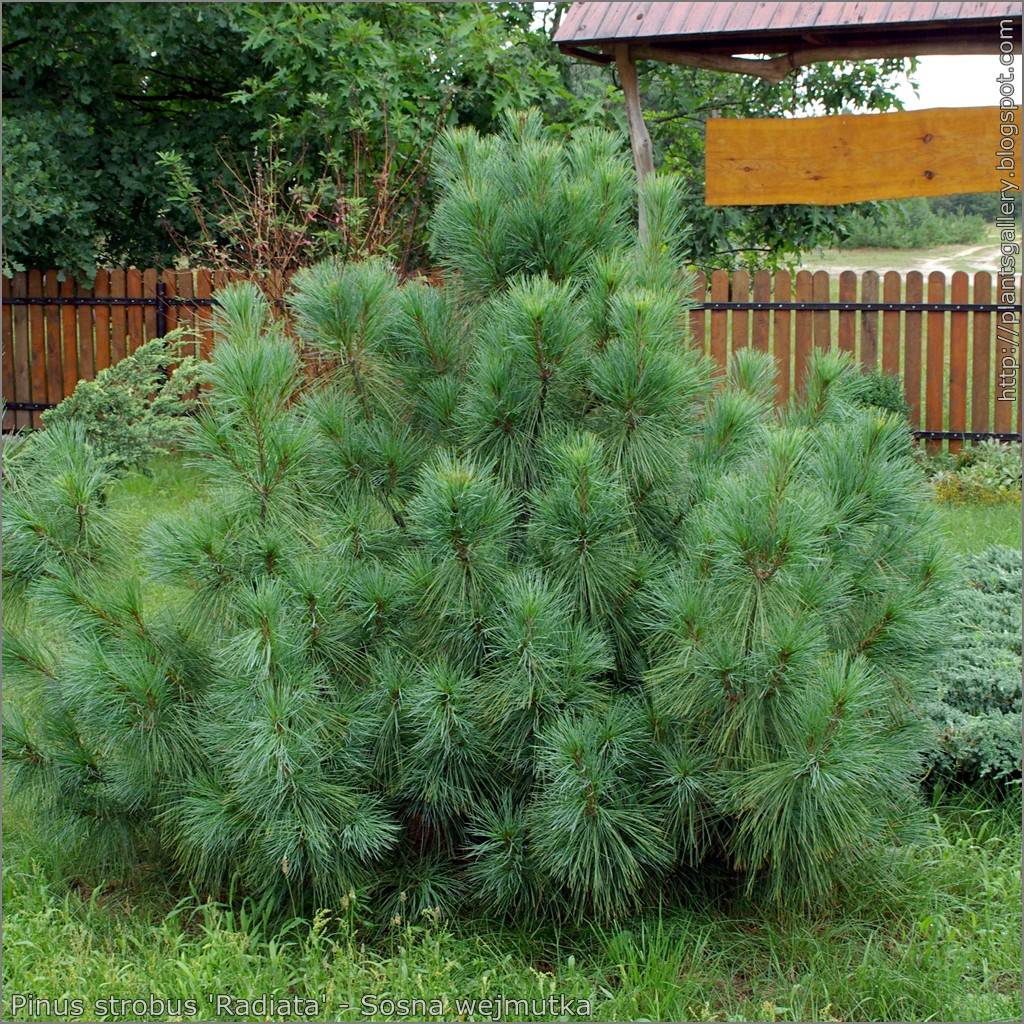
Dwarf Eastern White Pine
Pinus strobus 'Nana'
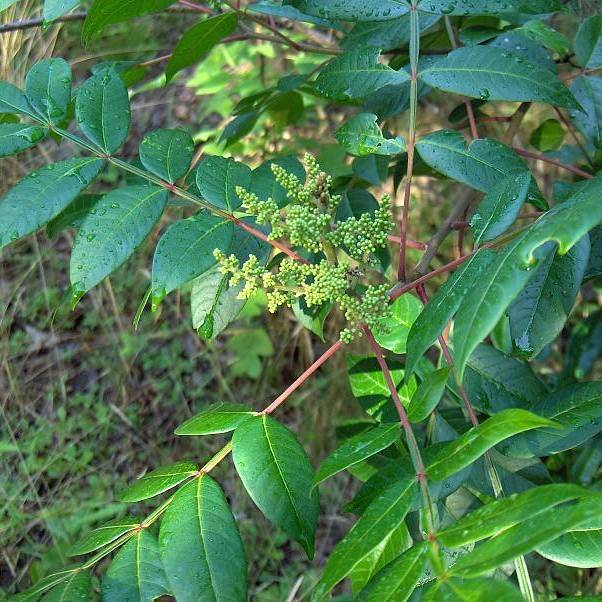
Dwarf Sumac
Rhus copallinum var. latifolia
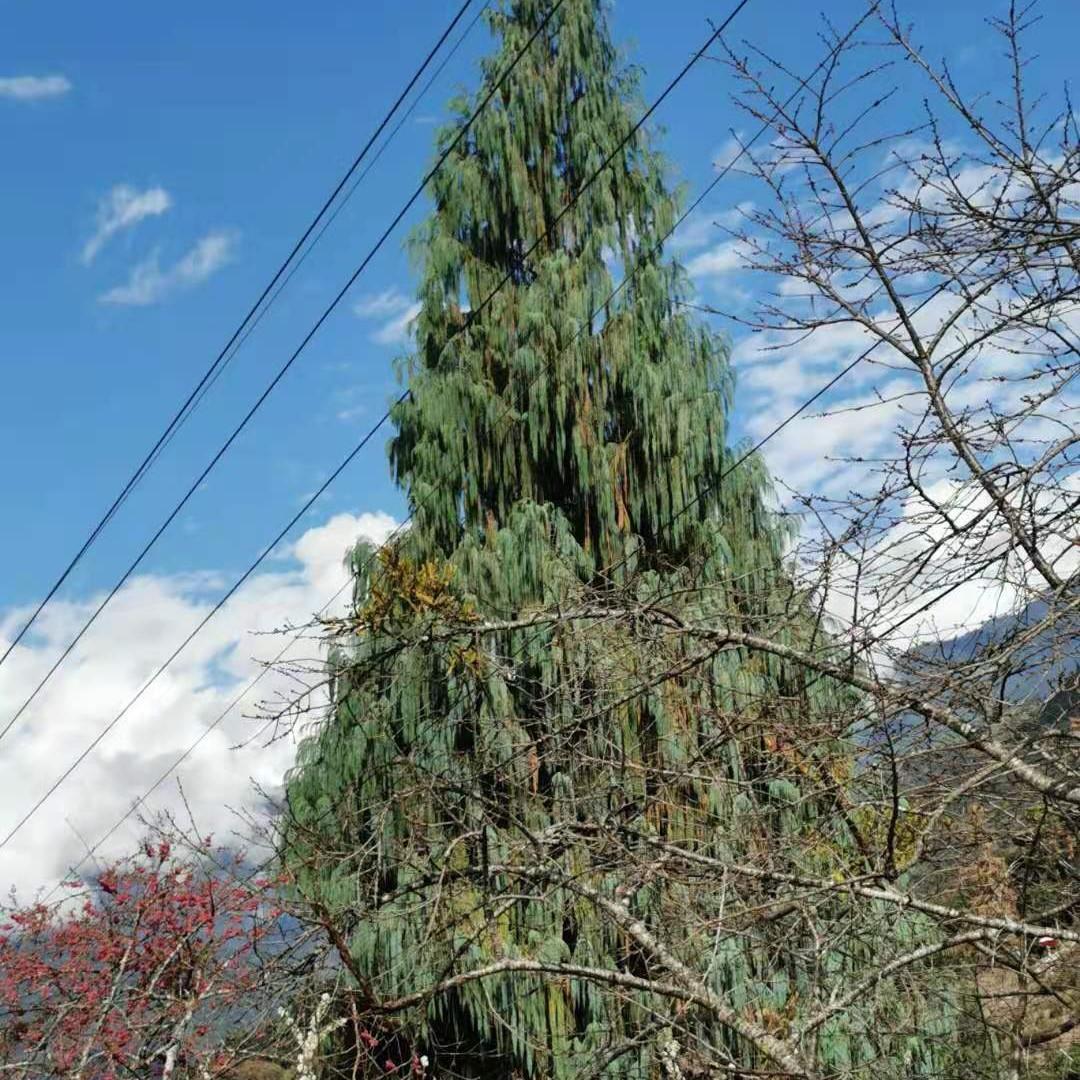
Coffin Juniper
Juniperus horizontalis 'Wiltonii'
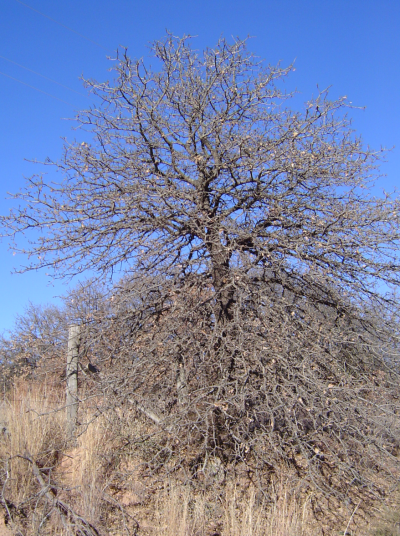
Blackjack Oak
Quercus marilandica
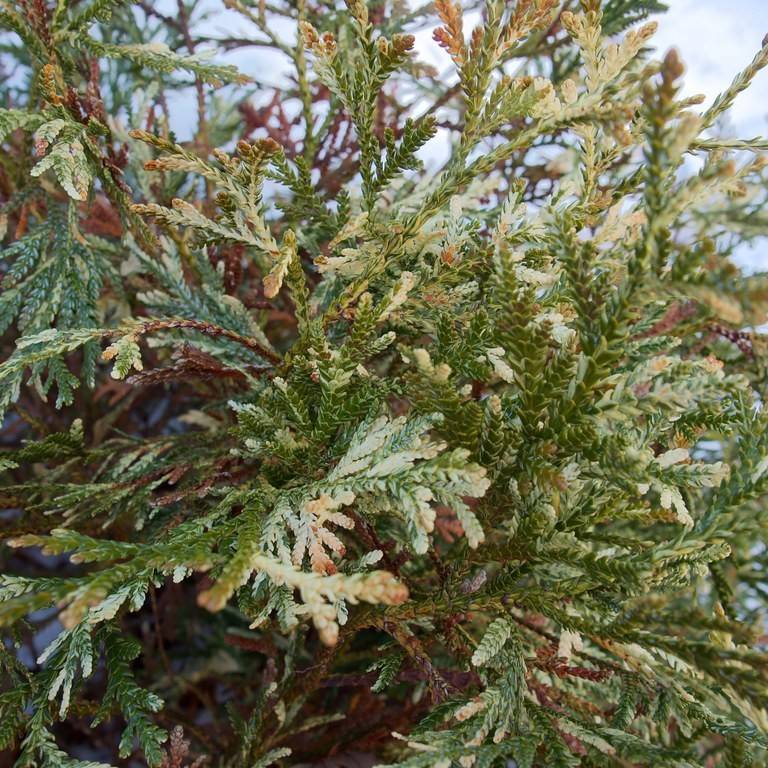
Boulevard False Cypress
Chamaecyparis pisifera 'Boulevard'
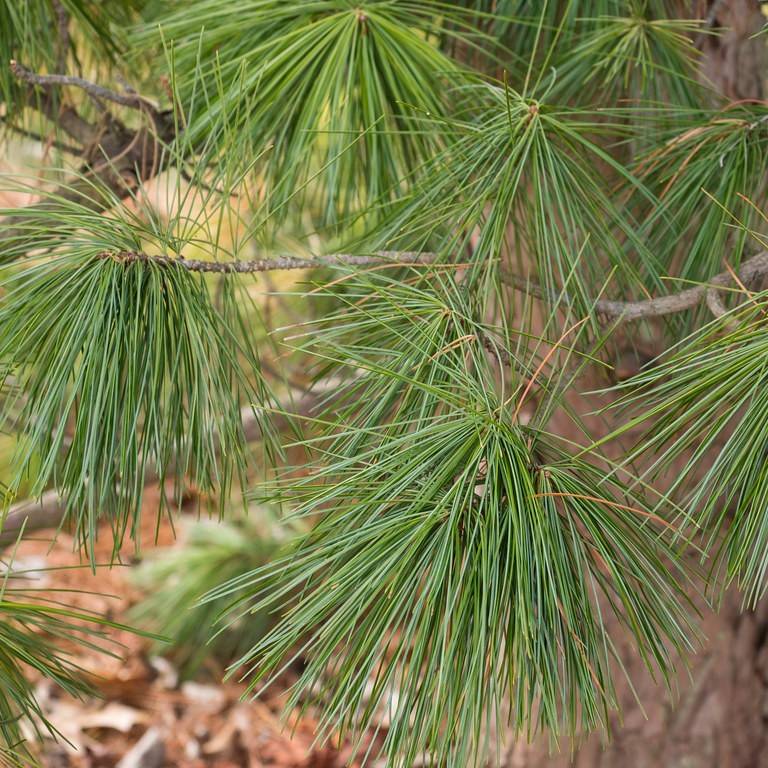
Chinese Pine
Pinus tabuliformis
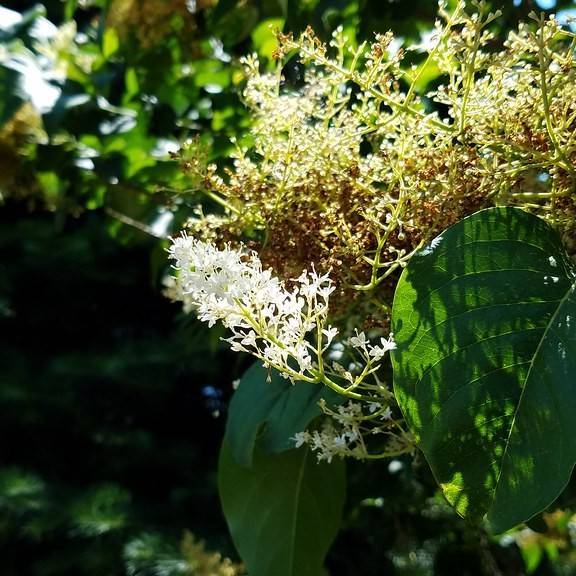
Japanese Tree Lilac
Syringa reticulata subsp. reticulata