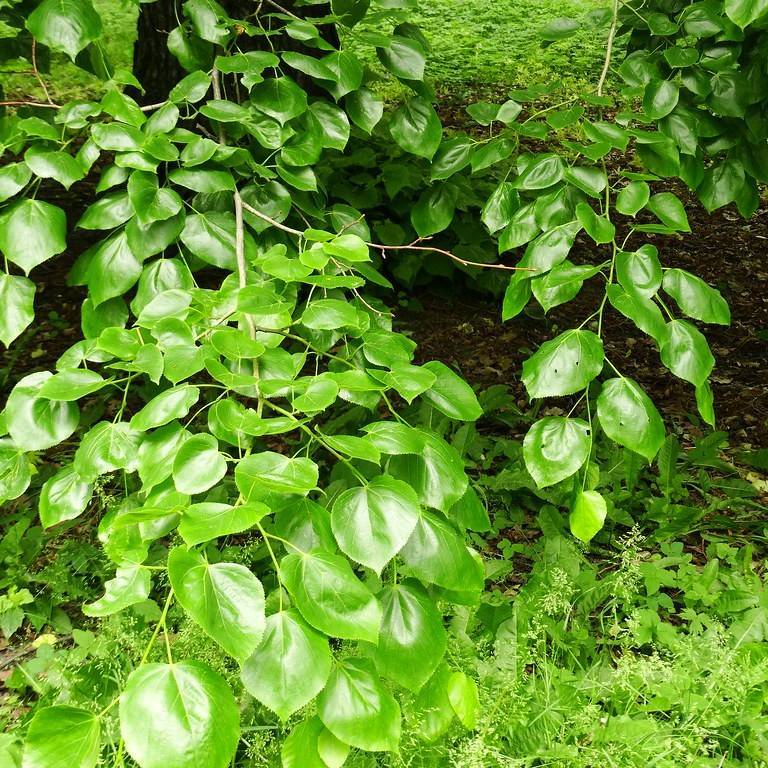
Caucasian Linden
Tilia euchlora
Overview
The Caucasian linden, sometimes called the Crimean linden, is a broad, rounded deciduous tree valued widely in landscape plantings for its neat form and low maintenance needs. It produces clusters of small, pale yellow, highly fragrant flowers in early summer that draw pollinators including bees and butterflies. Its glossy, dark green heart-shaped leaves turn a soft yellow in fall, adding mild seasonal interest, and its smooth gray bark develops shallow furrows as the tree matures.
Care Guide
Watering
Water young Caucasian linden trees regularly during the first 2-3 growing seasons to keep the root zone consistently moist, avoiding waterlogged conditions that can cause root rot. Once established, the tree is moderately drought tolerant, requiring supplemental water only during extended periods of extreme heat or below-average rainfall. Avoid frequent shallow watering, as this encourages shallow root development that can make the tree less stable over time.
Light
Caucasian linden thrives in full sun, which supports the most abundant flowering and dense, healthy foliage growth. It can tolerate partial shade, though trees grown in shadier spots may have a more open growth habit and produce fewer blooms. When planting, choose a location that receives at least 6 hours of direct sunlight per day for optimal performance.
Soil
This adaptable tree grows well in most well-drained soil types, including loam, silt, clay, and sandy soils, as long as standing water does not accumulate around the root zone. It prefers a neutral to slightly alkaline soil pH, though it can tolerate mildly acidic conditions as well. Adding compost or well-rotted organic matter to the planting hole can improve soil structure and support healthy root establishment for young trees.
Fertilizer
Apply a balanced, slow-release granular fertilizer in early spring before new leaf growth emerges to support healthy foliage and flower production. Avoid overfertilizing, especially with high-nitrogen formulas, as this can encourage excessive soft foliage growth that is more susceptible to aphid infestations. Mature, well-established trees typically only need fertilizer once every 2-3 years if growth is slow or foliage appears pale.
Temperature
Caucasian linden is cold hardy in USDA zones 4 through 7, tolerating winter temperatures as low as -30°F (-34°C) without significant damage. It prefers moderate summer temperatures and can struggle in regions with consistent extreme heat above 95°F (35°C), where it may experience leaf scorch during prolonged hot spells. Young trees may benefit from a layer of mulch around the base in winter to insulate roots and prevent frost heave in colder regions.
Pruning
Prune Caucasian linden during the dormant winter season to remove dead, damaged, or crossing branches, and to maintain its desired rounded form. Avoid heavy pruning, as the tree has a relatively slow growth rate and may take multiple seasons to recover from overcutting. Remove any suckers that grow from the base of the trunk as they appear to direct energy to the main canopy.
Propagation
Caucasian linden is most commonly propagated from seed, though seeds require a 3-4 month period of cold stratification to break dormancy before sowing. Softwood cuttings taken in early summer can also root successfully if treated with rooting hormone and kept in a consistently moist, warm environment under indirect light. Named cultivars are typically grafted onto hardy Tilia rootstock to ensure consistent growth characteristics.
Humidity
This tree adapts well to a wide range of humidity levels, thriving in the moderate humidity of its native mountain habitat as well as the drier conditions found in many urban and suburban landscapes. It does not require any supplemental humidity when grown outdoors, though prolonged very dry air may increase susceptibility to spider mite infestations. Good air circulation around the canopy helps prevent fungal issues in regions with high summer humidity.
Repotting
Caucasian linden is a large landscape tree not suited for container growing long-term, so repotting is not a standard part of its care. Young saplings grown temporarily in nursery pots should be transplanted into their permanent outdoor location in early spring or fall to avoid root binding. When transplanting, dig a hole twice as wide as the root ball to encourage outward root growth, and plant at the same depth it was grown in the pot.
Uses & Symbolism
Caucasian linden is widely planted as a street tree, shade tree, or ornamental specimen in parks and large residential landscapes, valued for its pollution tolerance and neat, attractive form. Its fragrant flowers are a source of high-quality nectar for honeybees, and linden flower tea made from the dried blooms is used in traditional herbal medicine for its mild calming properties. Its fine-grained, soft wood is occasionally used for woodcarving, furniture making, and crafting musical instruments.
Diseases & Pests
Caucasian linden is relatively resistant to most common pests and diseases, though it may occasionally be affected by aphids, which secrete sticky honeydew that can lead to sooty mold growth on foliage. Japanese beetles may feed on the leaves in regions where they are prevalent, causing minor cosmetic damage that rarely threatens the tree's overall health. Fungal leaf spot and powdery mildew can occur in overly wet, poorly ventilated conditions, but these issues are usually mild and can be mitigated by ensuring good air flow around the canopy.
Related plants
Other plants you might like if you grow Caucasian Linden.
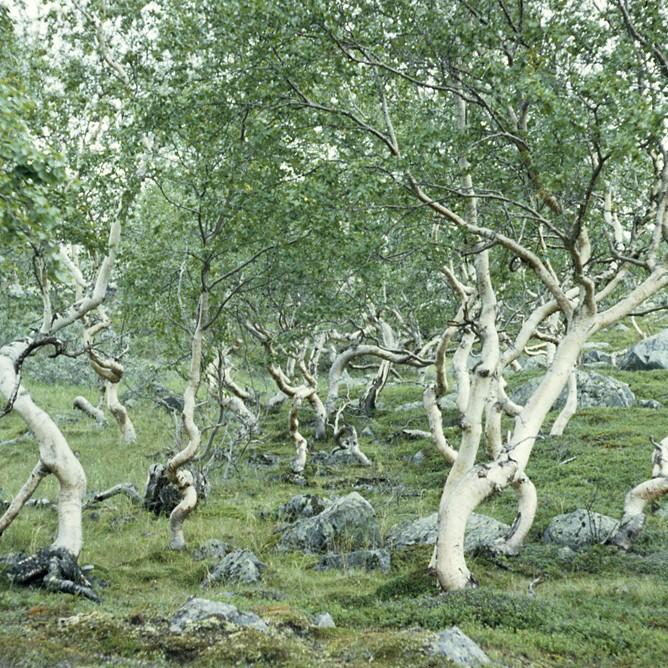
Downy Birch
Betula pubescens
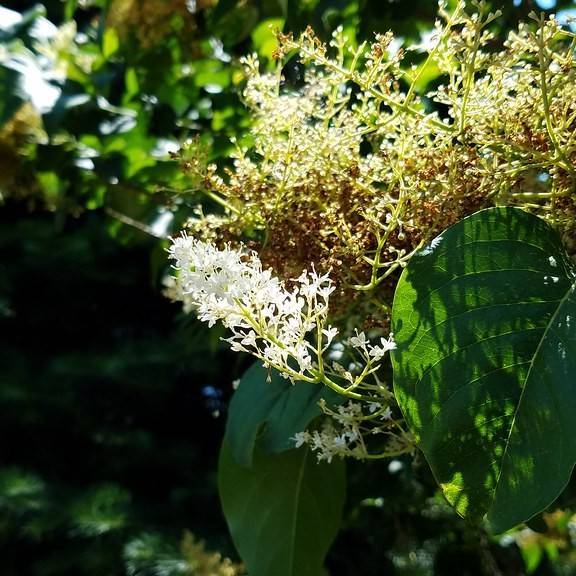
Japanese Tree Lilac
Syringa reticulata subsp. reticulata
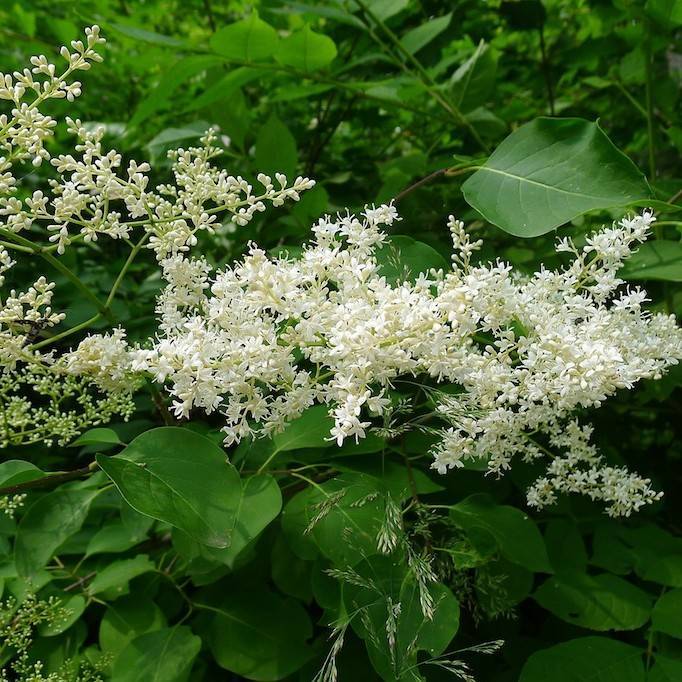
Chinese Tree Lilac
Syringa reticulata subsp. pekinensis
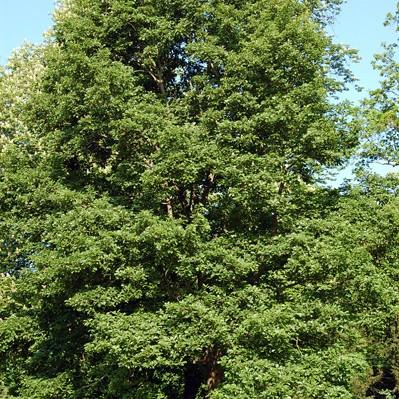
European Linden
Tilia × europaea
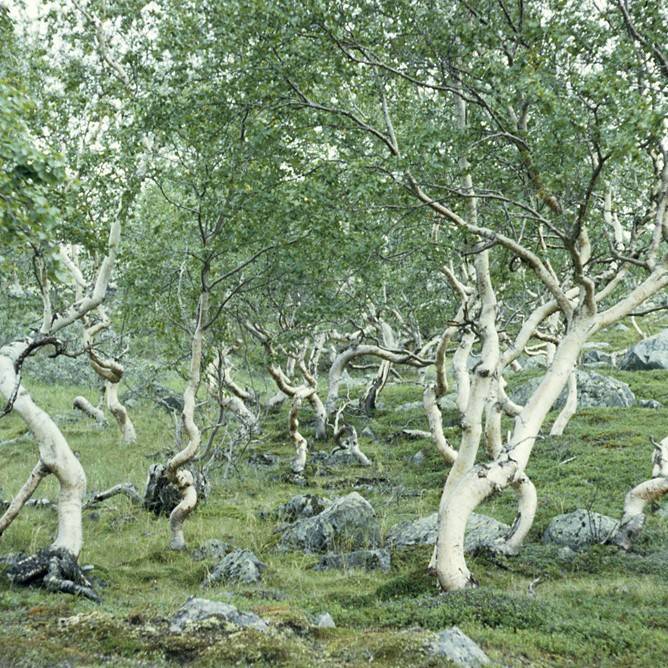
Greenland Birch
Betula pubescens subsp. tortuosa

Cucumber Tree
Magnolia acuminata
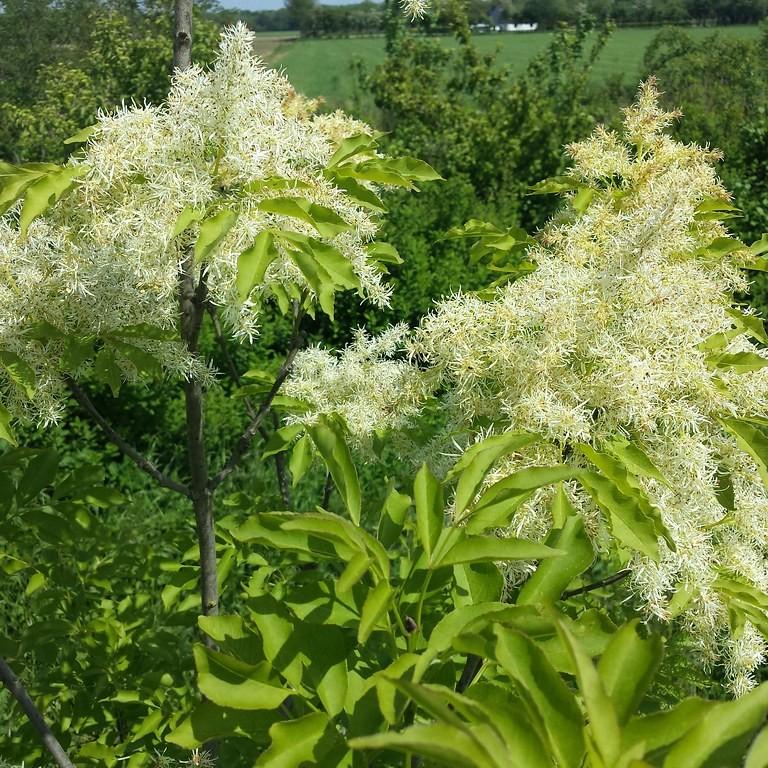
Flowering Ash
Fraxinus ornus
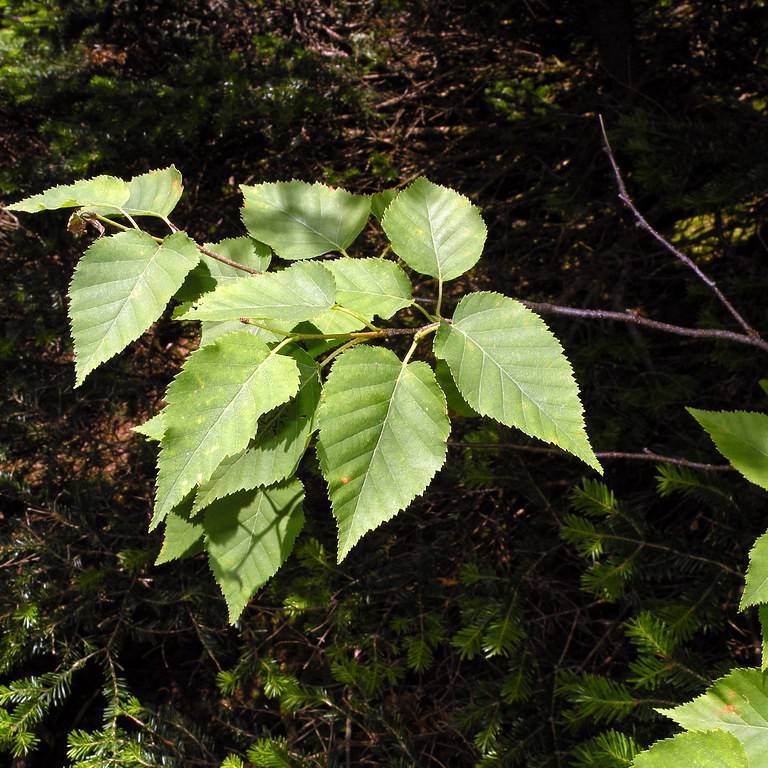
Heartleaf Birch
Betula cordifolia