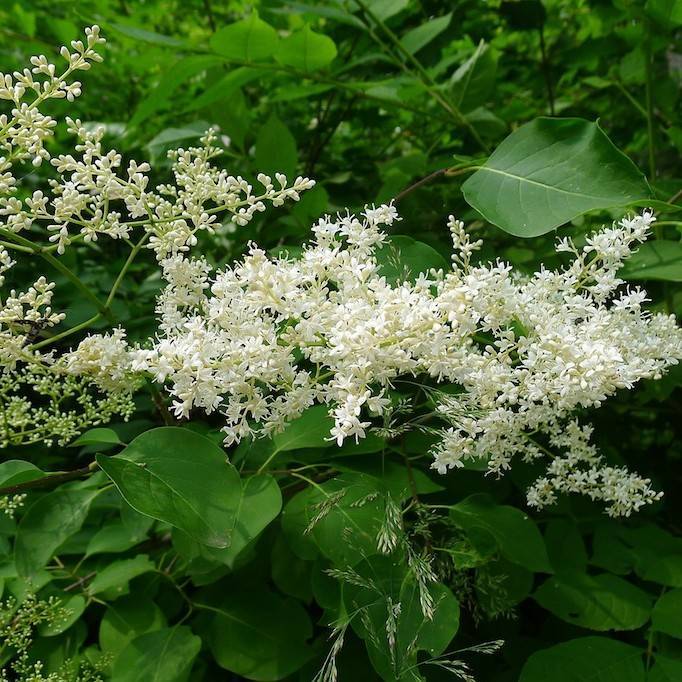
Chinese Tree Lilac
Syringa reticulata subsp. pekinensis
Overview
Chinese tree lilac is a cold-hardy, low-maintenance deciduous tree valued for its ornamental appeal across temperate landscapes. It produces large, upright clusters of tiny, sweetly scented creamy-white flowers in early summer, followed by persistent brown seed capsules that add winter interest. Its distinctive coppery-brown, peeling bark and rounded, dense canopy make it a popular choice for small yards, street plantings, and privacy screens.
Care Guide
Watering
Water newly planted trees deeply once or twice weekly for the first two growing seasons to establish a robust root system. Once established, Chinese tree lilac is highly drought-tolerant, requiring supplemental watering only during extended periods of extreme heat or prolonged dry spells. Avoid overwatering or planting in waterlogged sites, as excess moisture can lead to root rot.
Light
Chinese tree lilac thrives in full sun, requiring a minimum of 6 hours of direct, unfiltered sunlight daily to produce the most abundant flower displays. It can tolerate very light partial shade, but reduced sunlight will lead to sparser blooms, leggier growth, and increased susceptibility to fungal diseases. Plant in an open, unobstructed location for best performance.
Soil
This adaptable tree grows well in a wide range of soil types, including loam, sandy soil, and even clay, as long as the site has good drainage. It prefers a neutral to slightly alkaline soil pH between 6.5 and 7.5, though it can tolerate mildly acidic conditions as well. Avoid heavy, poorly draining soils that stay saturated for long periods after rainfall.
Fertilizer
Fertilize in early spring before new growth emerges using a balanced, slow-release granular fertilizer formulated for woody landscape plants, following package dosage instructions based on the tree’s size. Do not apply fertilizer after mid-summer, as late feeding can stimulate tender new growth that is vulnerable to damage from early fall frosts. Mature, well-established trees often do not require annual fertilization if planted in moderately fertile soil.
Temperature
Chinese tree lilac is extremely cold-hardy, thriving in USDA hardiness zones 3 through 7, and can tolerate winter temperatures as low as -40°F (-40°C). It prefers cool to moderate summer temperatures, and may struggle in regions with consistently high humidity and temperatures above 90°F (32°C) for extended periods. It has good tolerance for urban air pollution and road salt, making it suitable for city and roadside plantings.
Pruning
Prune immediately after flowering has finished for the season, as this tree blooms on wood produced the previous year; pruning in fall, winter, or early spring will remove developing flower buds. Remove any dead, damaged, or diseased branches, as well as crossing or rubbing branches, to improve air circulation through the canopy. Suckers growing from the root base can be removed at any time to maintain a single-trunk tree form if desired.
Propagation
The most reliable method for home gardeners is softwood cutting propagation, taken from new growth in early summer, dipped in rooting hormone, and placed in a well-draining potting mix under consistent humidity. It can also be propagated from seed, but seeds require a 3-month cold stratification period to germinate, and seed-grown plants may not retain the exact ornamental characteristics of the parent plant. Grafting onto hardy lilac rootstock is the method used commercially to produce named cultivars.
Humidity
Chinese tree lilac prefers moderate humidity levels between 40% and 60%, which are typical of its native temperate range. It can tolerate lower humidity in arid regions as long as it receives adequate watering, but high, persistent humidity above 70% increases the risk of foliar fungal diseases like powdery mildew. Ensure the tree is planted in a location with good air circulation to reduce moisture buildup on foliage.
Repotting
Chinese tree lilac is almost exclusively grown as an outdoor landscape tree and is not suitable for long-term container growth. Young nursery-grown saplings in containers should be transplanted into the landscape in early spring or fall, before extreme heat or cold sets in. If temporarily held in a container for less than a year, ensure the pot has ample drainage holes and water regularly to prevent the root ball from drying out completely.
Uses & Symbolism
Chinese tree lilac is widely planted as an ornamental landscape specimen, small shade tree, street tree, or informal privacy screen, prized for its attractive bark, fragrant blooms, and low maintenance requirements. Its abundant, nectar-rich flowers attract pollinators including bees, butterflies, and hummingbirds, supporting local ecosystem health. The dense, strong wood is occasionally used for small woodworking projects, and the flowers are sometimes used in potpourri for their pleasant, lingering scent.
Diseases & Pests
Chinese tree lilac is far less susceptible to common lilac diseases like powdery mildew and bacterial blight than common shrub lilac varieties, though it can still develop foliar fungal issues in excessively humid, poorly ventilated conditions. Common pests include lilac borers, scale insects, and aphids, which can be controlled with horticultural oil sprays or appropriate insecticides if infestations are severe. Root rot can occur in poorly draining, waterlogged soils, so proper site selection is the most effective prevention measure.
Related plants
Other plants you might like if you grow Chinese Tree Lilac.
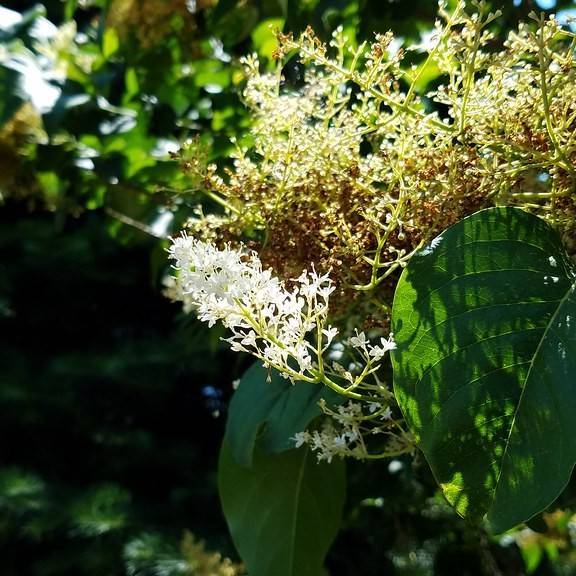
Japanese Tree Lilac
Syringa reticulata subsp. reticulata
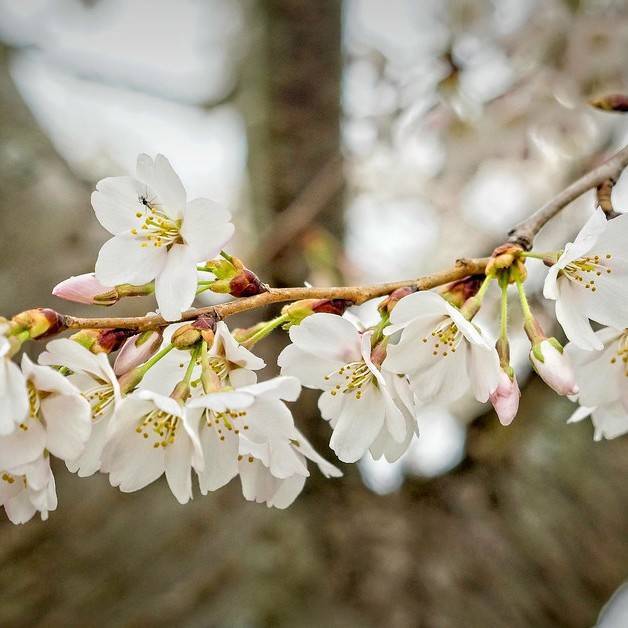
Bird Cherry
Prunus padus
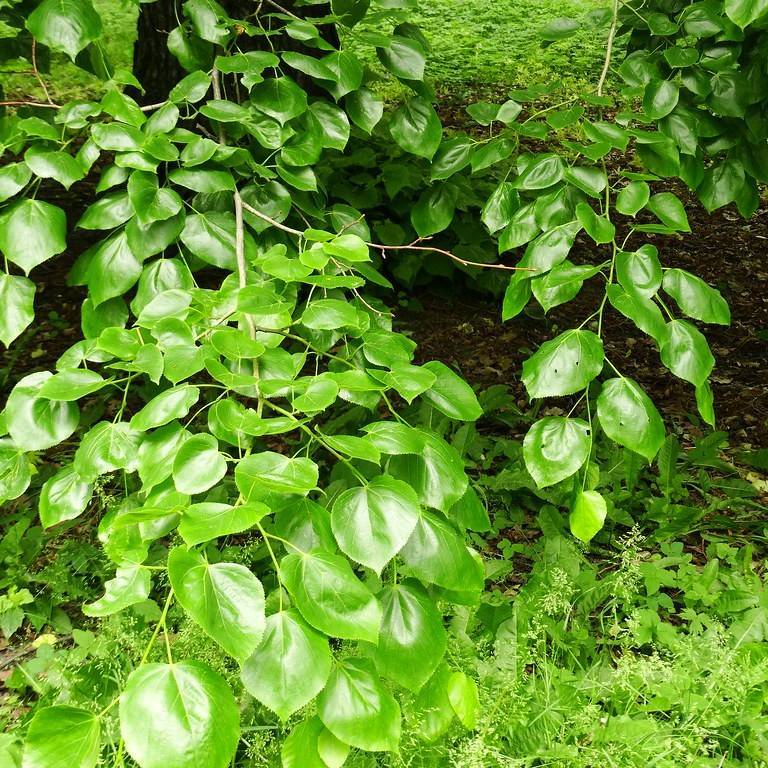
Caucasian Linden
Tilia euchlora
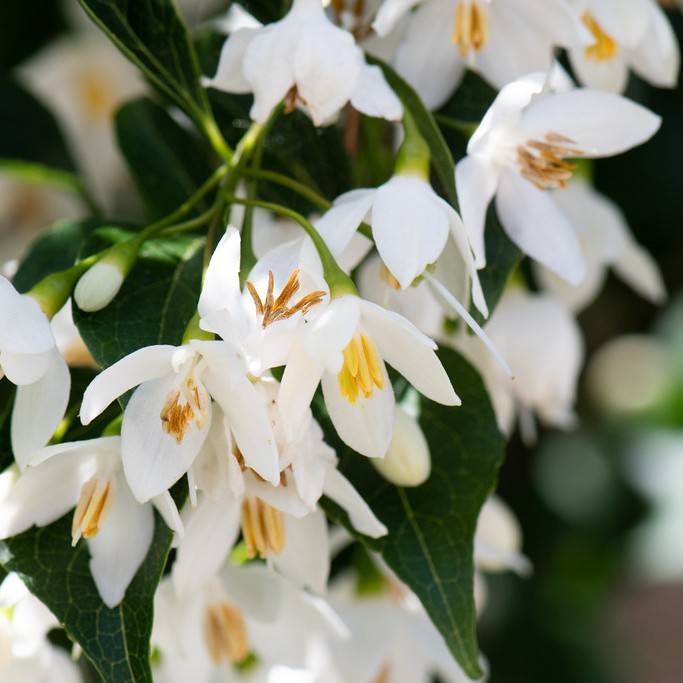
Japanese Snowbell
Styrax japonicus
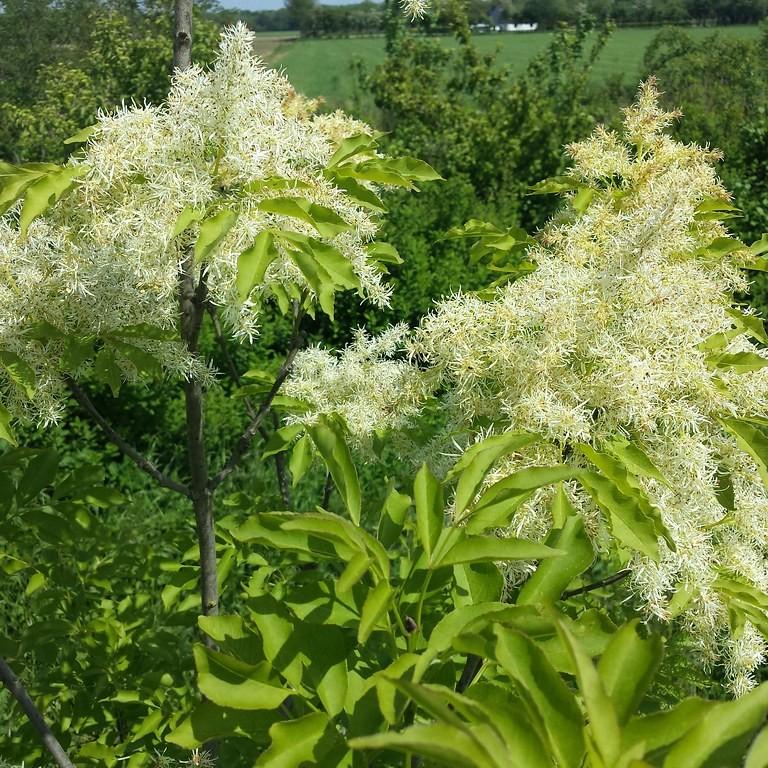
Flowering Ash
Fraxinus ornus
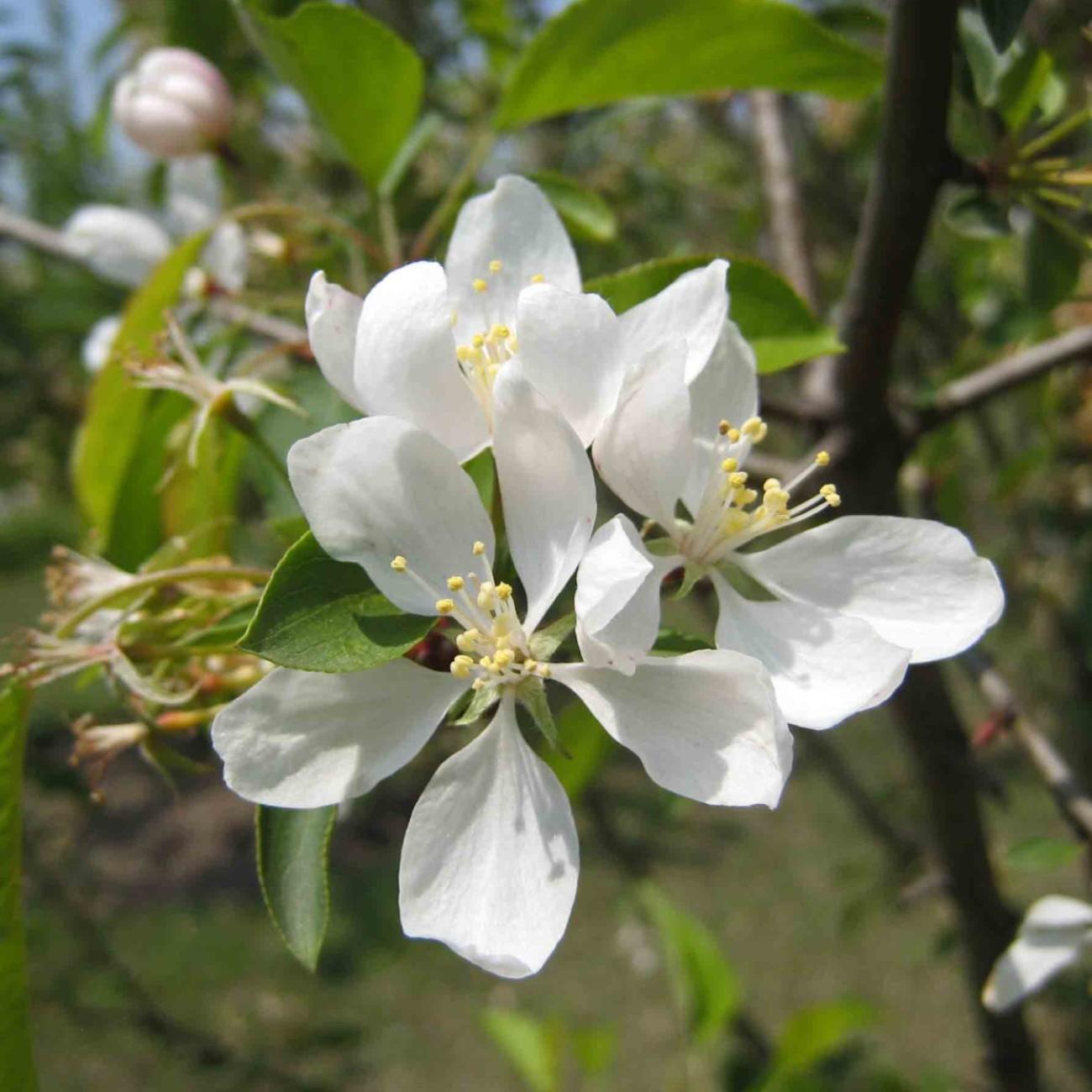
Crabapple
Malus sylvestris, Malus coronaria, and hybrid Malus cultivars

Downy Birch
Betula pubescens
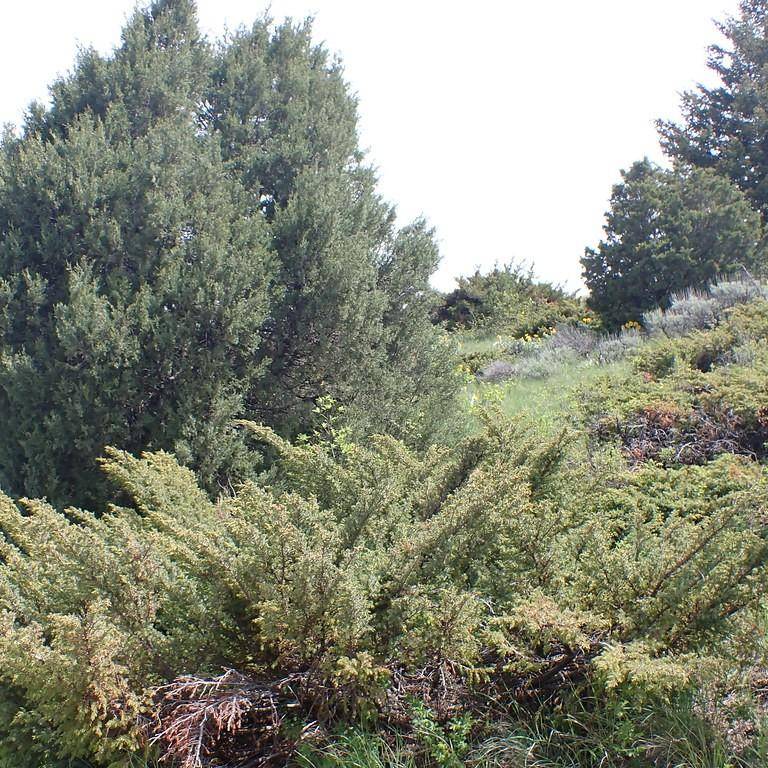
Creeping Juniper
Juniperus horizontalis