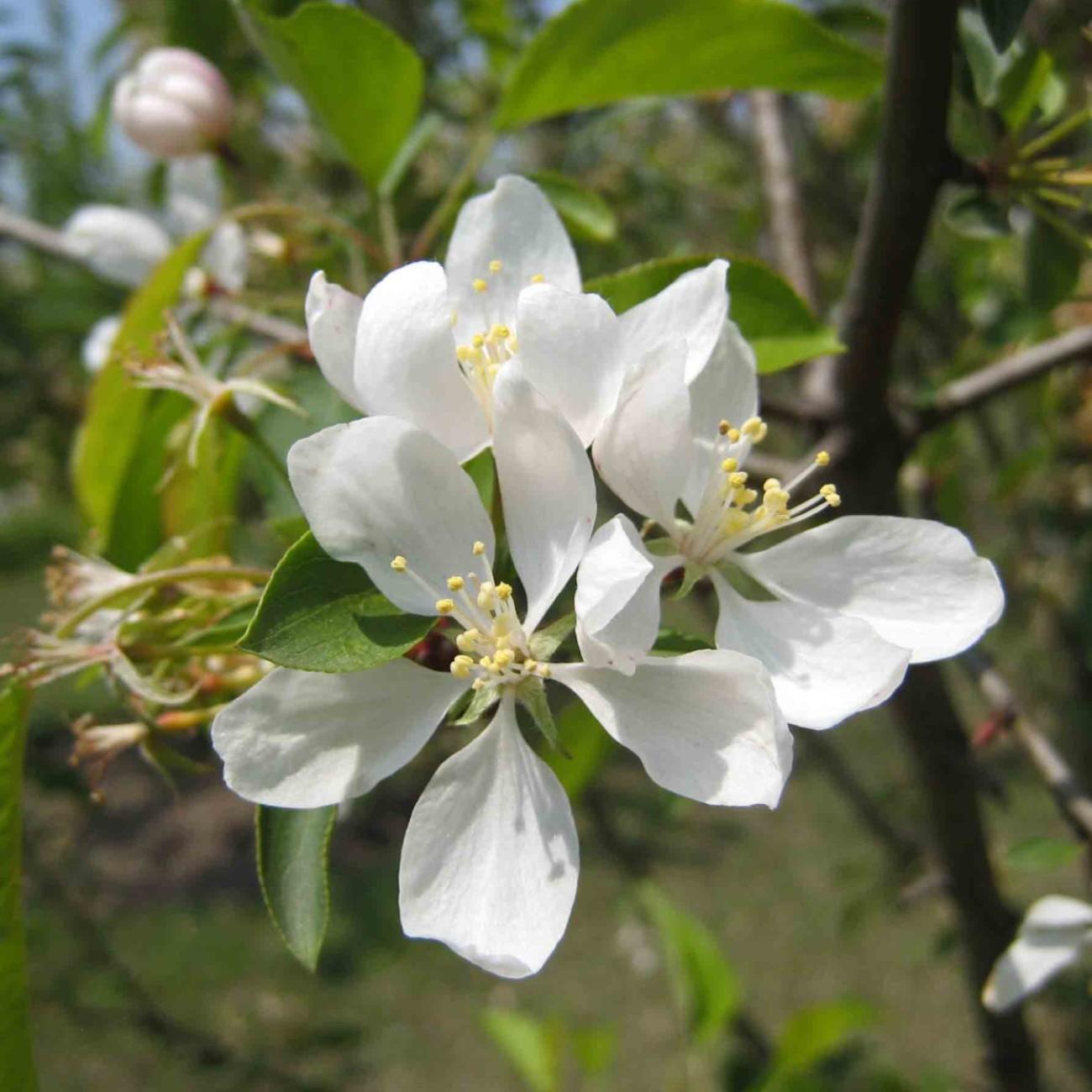
Crabapple
Malus sylvestris, Malus coronaria, and hybrid Malus cultivars
Overview
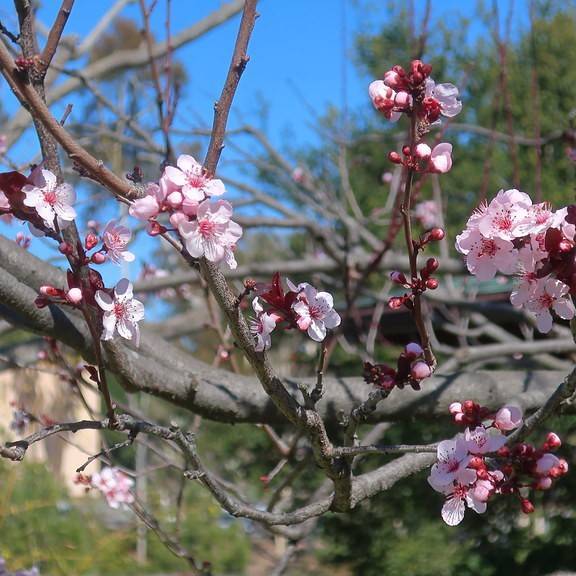
Crabapple is a group of small deciduous trees in the Malus genus, closely related to common eating apples, distinguished by their smaller, often tart fruits less than 2 inches in diameter. Most cultivars produce abundant clusters of fragrant pink, white, or red spring blossoms that attract pollinators, followed by persistent fruits that provide winter food for birds. They are widely planted as landscape focal points, street trees, and pollinator garden additions, with hundreds of cultivated varieties bred for specific flower color, fruit size, and disease resistance.
Care Guide
Watering
Water young crabapple trees deeply once per week during the first growing season to establish a robust root system, adjusting for rainfall to avoid waterlogged soil. Mature trees are moderately drought-tolerant, requiring supplemental watering only during extended dry periods of 2 weeks or more to prevent stress. Avoid overhead watering at the base of the tree to reduce the risk of fungal disease development on foliage and bark.
Light
Crabapple trees require full sun, defined as a minimum of 6 hours of direct, unfiltered sunlight per day, to produce abundant blooms and healthy foliage. Planting in partial shade will reduce flower production, increase susceptibility to fungal diseases, and lead to sparse, leggy growth. Ensure the planting site is free of overhead shade from larger trees or structures for optimal performance.
Soil
Crabapples adapt to a wide range of soil types, including loam, sandy loam, and clay, as long as the soil provides good drainage to prevent root rot. They prefer a slightly acidic to neutral soil pH between 6.0 and 7.0, though they can tolerate mildly alkaline conditions with minor nutrient adjustments. Amending heavy clay soil with compost or well-rotted manure before planting improves drainage and provides a nutrient base for young trees.
Fertilizer
Fertilize established crabapple trees once per year in early spring before new growth emerges, using a balanced, slow-release 10-10-10 NPK fertilizer applied evenly around the dripline of the tree. Avoid over-fertilizing, especially with high-nitrogen formulas, as this promotes excessive leaf growth that is more susceptible to fungal pathogens like apple scab. Young trees do not require fertilizer in their first growing season, as their root systems are not established enough to absorb concentrated nutrients.
Temperature
Crabapple trees thrive in temperate climates, with most cultivars hardy in USDA zones 4 through 8, tolerating winter low temperatures down to -30°F (-34°C) once fully established. They require a period of winter chill, between 500 and 1,000 hours below 45°F (7°C), to break dormancy and produce consistent blooms in spring. Extreme summer heat above 95°F (35°C) can cause leaf scorch if the tree is not provided with adequate moisture during heatwaves.
Pruning
Prune crabapple trees during late winter dormancy, before buds swell, to remove dead, damaged, or crossing branches that create friction and allow disease entry. Thin out crowded interior branches to improve air circulation through the canopy, reducing humidity levels that encourage fungal disease development. Avoid heavy pruning of more than 25% of the canopy in a single year, as this can stress the tree and reduce bloom production for 1 to 2 seasons.
Propagation
Most named crabapple cultivars are propagated via grafting onto hardy, disease-resistant rootstock to preserve consistent flower, fruit, and growth characteristics, as seed-grown trees do not grow true to the parent plant. Softwood cuttings taken in early summer can be rooted with the use of rooting hormone and consistent moisture, though this method has a lower success rate than grafting. Seed propagation is only used for developing new cultivars or growing wild species crabapples, with seeds requiring 3 to 4 months of cold stratification before germination.
Humidity
Crabapple trees tolerate a wide range of humidity levels, though high humidity combined with poor air circulation increases the risk of common fungal diseases like apple scab, powdery mildew, and fire blight. Average ambient humidity between 40% and 70% is ideal for healthy growth, with no special adjustments needed for outdoor-grown trees. In regions with consistently high summer humidity, select disease-resistant cultivars to reduce maintenance needs and prevent frequent foliage damage.
Repotting
Crabapple trees grown as container specimens or bonsai require repotting every 2 to 3 years in early spring before new growth begins, using a well-draining, loamy potting mix. Trim back up to 1/3 of the root ball during repotting to control growth and encourage new, healthy root development for container-bound trees. Ensure the new container has multiple drainage holes to prevent waterlogging, and avoid planting the tree deeper than it was in its previous pot to prevent crown rot.
Uses & Symbolism
Crabapples are widely planted as ornamental landscape trees for their showy spring blooms, colorful fall foliage, and persistent winter fruits that add visual interest across all seasons. The tart, acidic fruits are edible when cooked, used to make jellies, jams, ciders, and sauces, and are rich in pectin that helps thicken preserved goods. They are also valuable pollinator plants, supporting bees and other beneficial insects in spring, and their fruits provide a critical food source for birds and small mammals during winter months.
Diseases & Pests
The most common disease affecting crabapple trees is apple scab, a fungal infection that causes dark, scabby lesions on leaves and fruit, leading to premature leaf drop in humid conditions. Fire blight, a bacterial infection spread by pollinators, causes branches to wilt and turn black as if scorched, requiring immediate removal of affected growth to prevent spread to the entire tree. Common pests include aphids, spider mites, and apple maggot, which can be controlled with horticultural oils or targeted insecticides, though many modern cultivars are bred for high resistance to both common diseases and pest damage.
Related plants
Other plants you might like if you grow Crabapple.
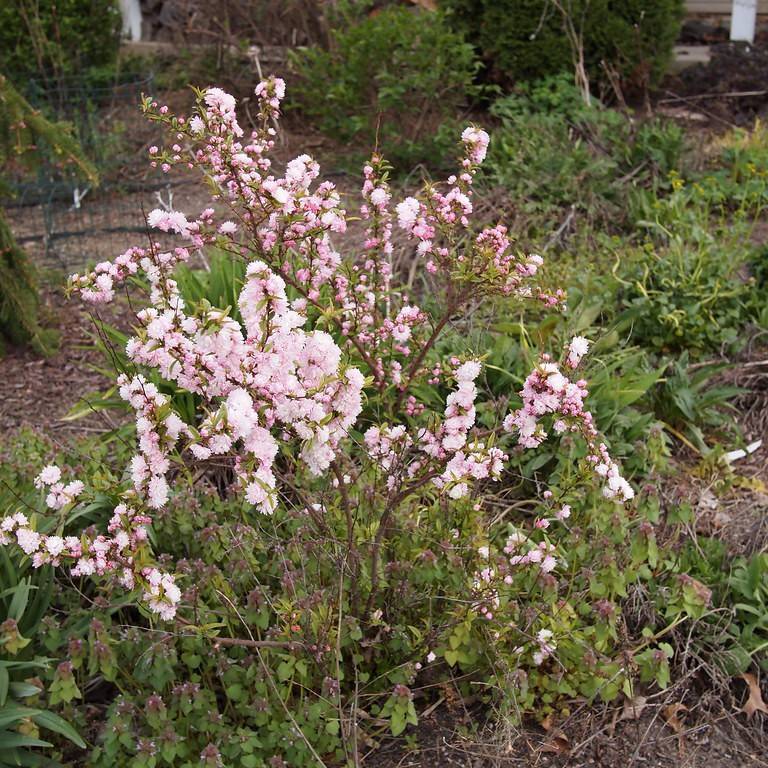
Chinese Plum
Prunus mume
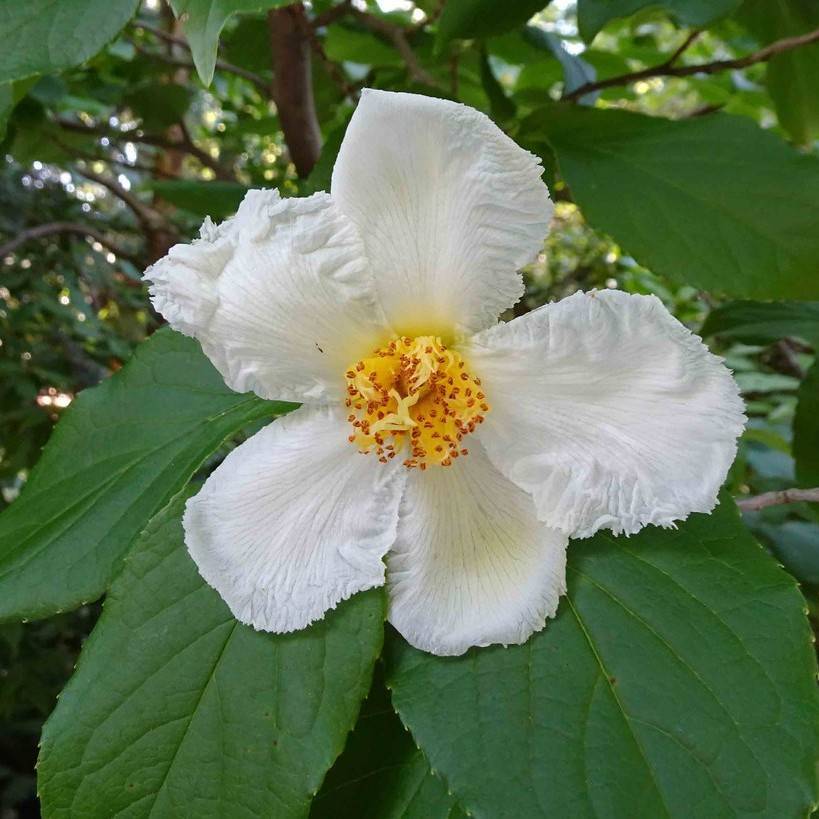
Japanese Stewartia
Stewartia pseudocamellia
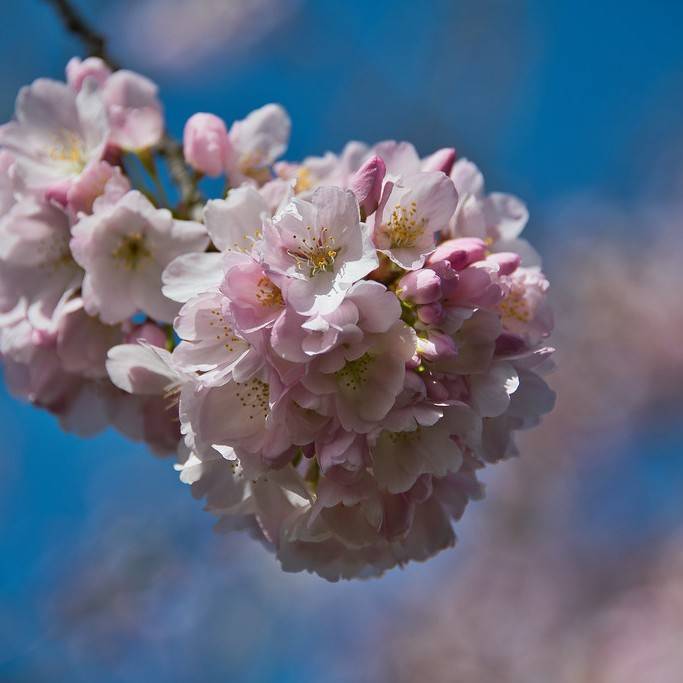
Flowering Cherry
Prunus serrulata
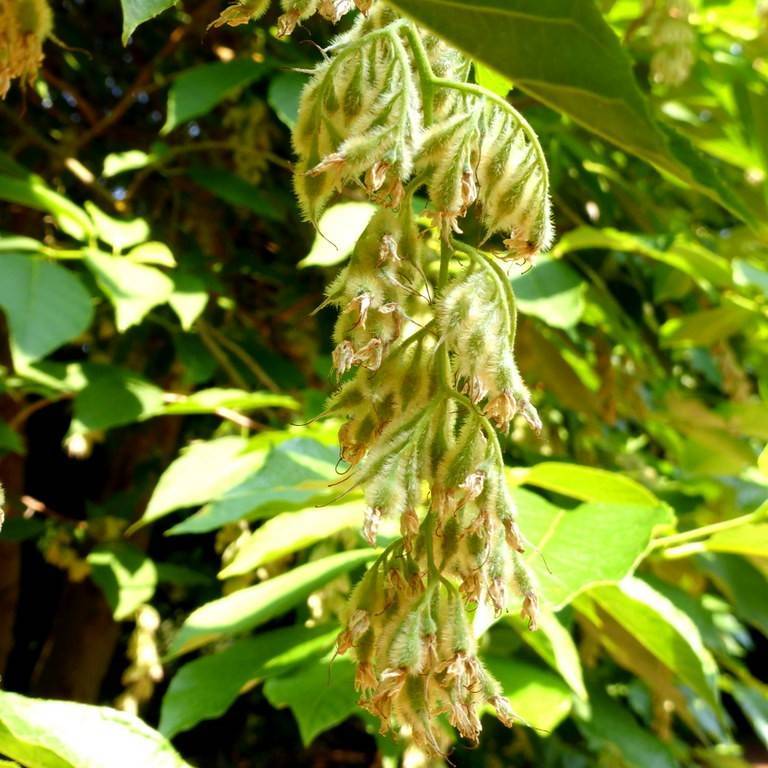
Fragrant Epaulette Tree
Pterostyrax hispidus
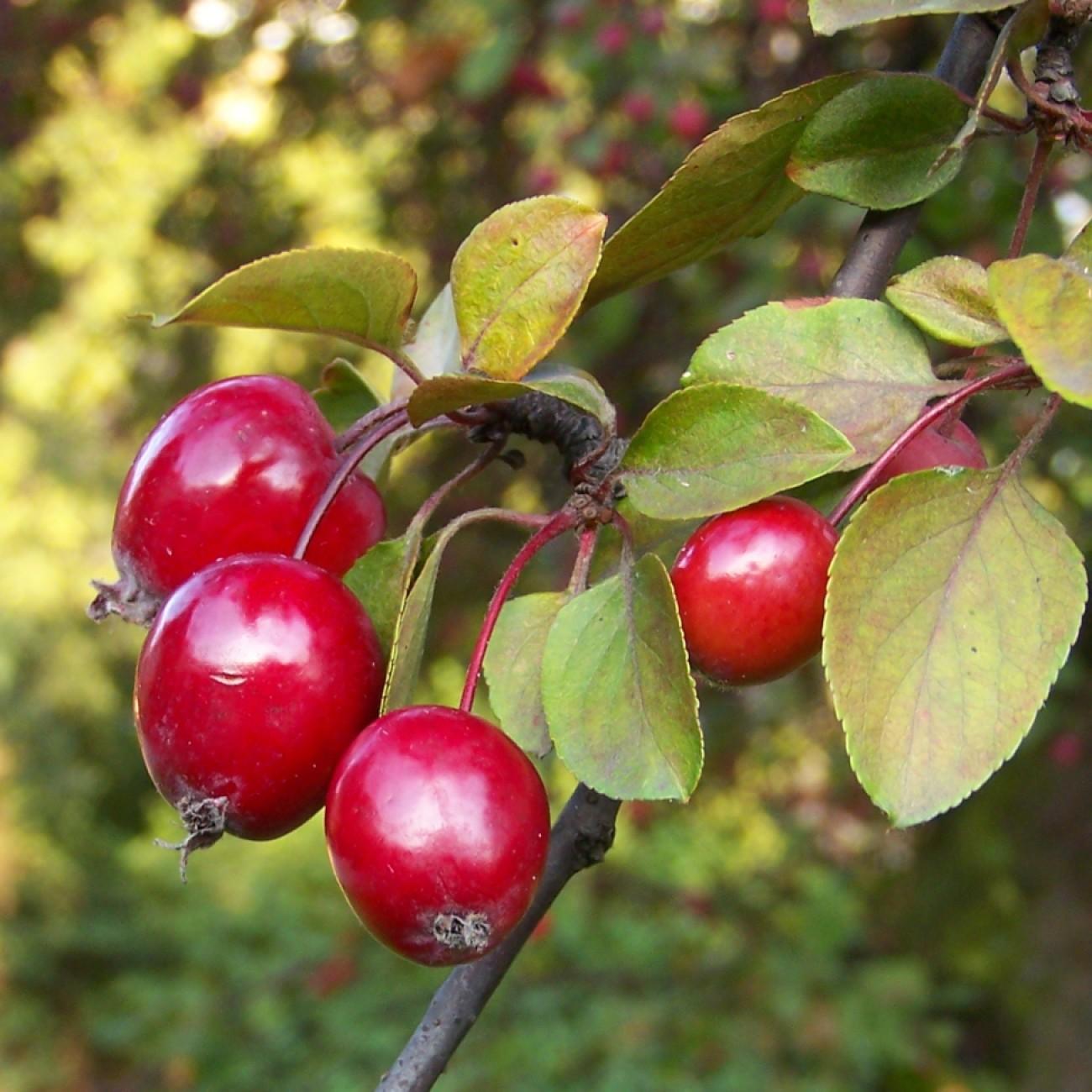
Japanese Crabapple
Malus floribunda
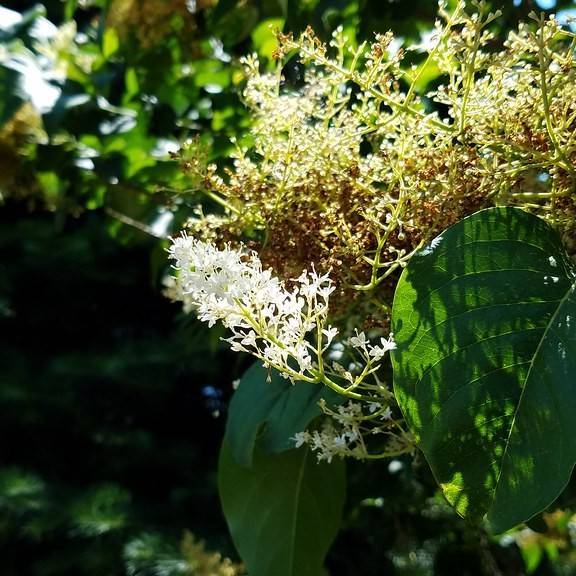
Japanese Tree Lilac
Syringa reticulata subsp. reticulata
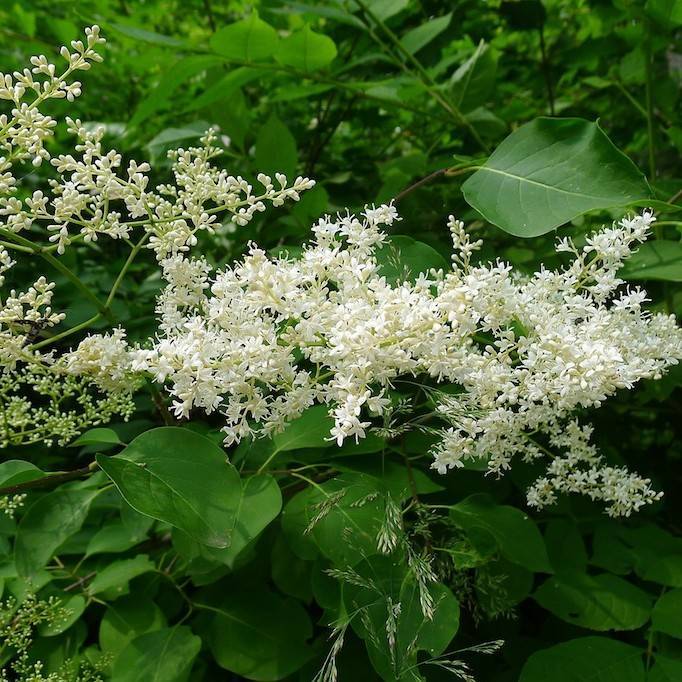
Chinese Tree Lilac
Syringa reticulata subsp. pekinensis
Cherry Plum
Prunus cerasifera