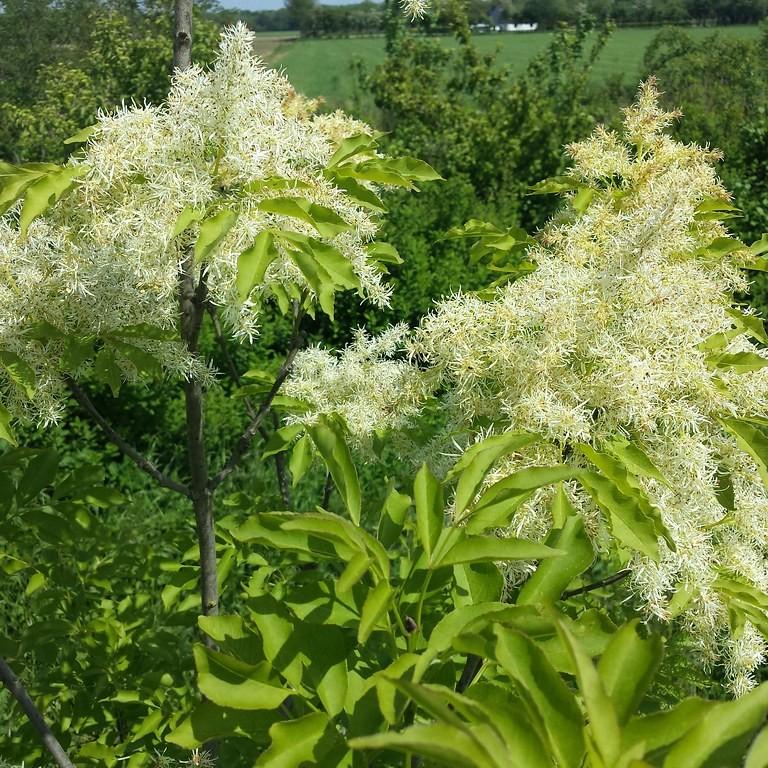
Flowering Ash
Fraxinus ornus
Overview
Flowering ash, also called manna ash, is a broad-crowned deciduous tree valued in landscaping for its abundant, showy clusters of creamy-white, sweetly scented flowers that appear in mid to late spring. Its dark green, pinnate leaves turn a soft yellow in autumn, adding seasonal interest, and its smooth, gray bark develops subtle texture as the tree matures. It derives the common name 'manna ash' from the sweet, edible sap exuded from cut bark, which has been harvested for culinary and medicinal use for centuries.
Care Guide
Watering
Flowering ash prefers consistently moist, well-drained soil during its establishment period, requiring deep watering every 1 to 2 weeks during dry spells to support root growth. Once mature, it is moderately drought tolerant, only needing supplemental watering during extended periods of extreme heat or prolonged lack of rainfall to prevent leaf scorch. Avoid overwatering or allowing the tree to sit in waterlogged soil, as this can lead to root rot and other fungal issues.
Light
This tree thrives in full sun, which encourages the most abundant and fragrant bloom production, as well as dense, healthy foliage growth. It can tolerate partial shade, though flowering may be reduced and the canopy may become slightly sparser in shadier locations. It should be planted in a spot that receives at least 6 hours of direct sunlight daily for optimal performance.
Soil
Flowering ash adapts well to a wide range of soil types, including loam, clay, sand, and chalk, as long as the substrate offers good drainage. It tolerates both slightly acidic and alkaline pH levels, making it suitable for many different garden and landscape settings. Adding organic matter such as compost to the planting hole can improve soil structure and nutrient availability for young trees.
Fertilizer
Young flowering ash trees benefit from a balanced, slow-release granular fertilizer applied in early spring each year to support healthy root and canopy development. Mature trees generally do not require regular fertilization unless they show signs of nutrient deficiency, such as yellowing leaves or stunted growth, in which case a light application of balanced fertilizer in spring is sufficient. Avoid fertilizing late in the growing season, as this can stimulate tender new growth that is vulnerable to damage from early autumn frosts.
Temperature
This species is hardy in USDA zones 5 to 9, tolerating winter temperatures as low as -20°F (-29°C) once fully established. It thrives in temperate climates with moderate summer heat, though it can tolerate occasional high temperatures above 90°F (32°C) if provided with adequate moisture. Young trees may require winter protection such as mulch around the base to insulate roots during their first 2 to 3 years in colder regions.
Pruning
Prune flowering ash during its dormant season in late winter to early spring before new growth emerges, removing dead, damaged, or crossing branches to maintain a strong, open canopy structure. Avoid heavy pruning, as this tree does not respond well to excessive cutting back, and only remove up to 10% of the canopy in a single year to avoid stress. Always use clean, sharp pruning tools to make smooth cuts that heal quickly, reducing the risk of disease entry.
Propagation
Flowering ash is most commonly propagated from seed, which requires cold stratification for 2 to 3 months to break dormancy before sowing in moist, well-drained potting mix in spring. It can also be propagated from semi-hardwood cuttings taken in late summer, treated with rooting hormone, and kept in a humid, shaded environment until roots develop, usually within 2 to 3 months. Grafting onto rootstock of other Fraxinus species is sometimes used for specific cultivars to ensure consistent flowering and growth traits.
Humidity
Flowering ash adapts well to a wide range of humidity levels, thriving in the moderate humidity typical of its native Mediterranean and temperate Asian habitats. It tolerates both drier air conditions and occasional periods of higher humidity, as long as there is adequate air circulation around the canopy to prevent fungal leaf diseases. There are no special humidity requirements for this tree when grown in suitable outdoor climates.
Repotting
Flowering ash is a large, long-lived tree that is almost exclusively grown in the landscape rather than in containers, so repotting is not a standard part of its care. Young saplings grown in nursery pots should be planted out in their permanent landscape location as soon as possible, ideally in early spring or autumn, to avoid root binding that can stunt long-term growth. If temporarily kept in a container for a season, ensure the pot has ample drainage holes and use a high-quality, well-drained potting mix to prevent waterlogging.
Uses & Symbolism
Flowering ash is widely planted as an ornamental shade and specimen tree in parks, gardens, and along streets, valued for its attractive blooms, pleasant fragrance, and low maintenance needs. Its hard, durable wood is used for small woodworking projects, tool handles, and firewood, while the sweet manna sap exuded from cut bark is used as a mild laxative in herbal medicine and as a natural sweetener in some regional cuisines. It also provides nectar for pollinators including bees and butterflies during its spring bloom period.
Diseases & Pests
Flowering ash is susceptible to ash dieback disease (Hymenoscyphus fraxineus), a fungal pathogen that causes leaf loss, crown dieback, and eventual tree death, and there is no cure for infected trees. It may also be affected by powdery mildew, rust, and root rot in poorly drained soils, as well as pest infestations from ash borers, aphids, and scale insects that can damage foliage and weaken the tree. Regular monitoring for signs of disease or pest activity, ensuring good air circulation, and avoiding overwatering can help reduce the risk of serious issues.
Related plants
Other plants you might like if you grow Flowering Ash.
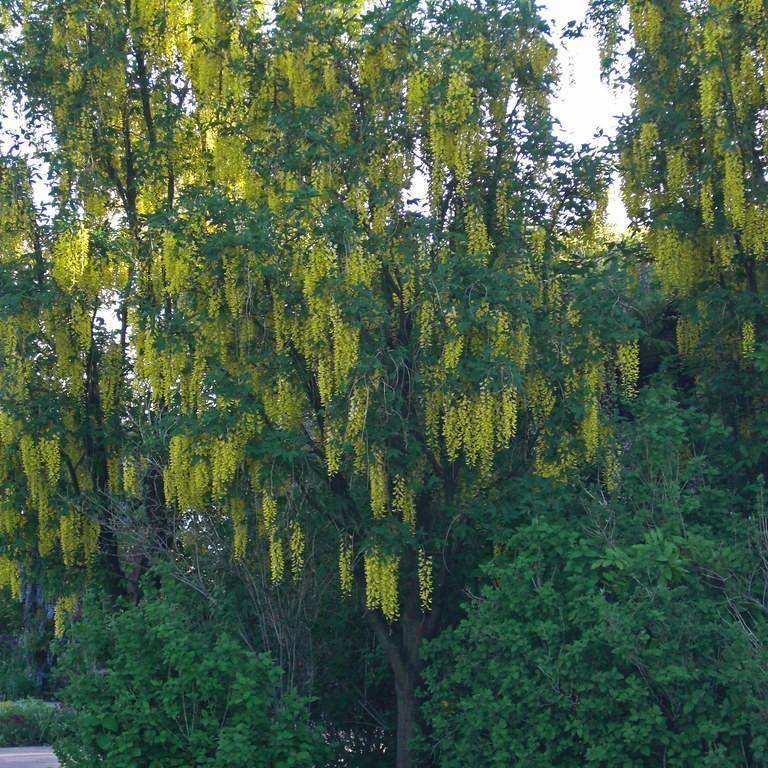
Bean Tree
Catalpa bignonioides
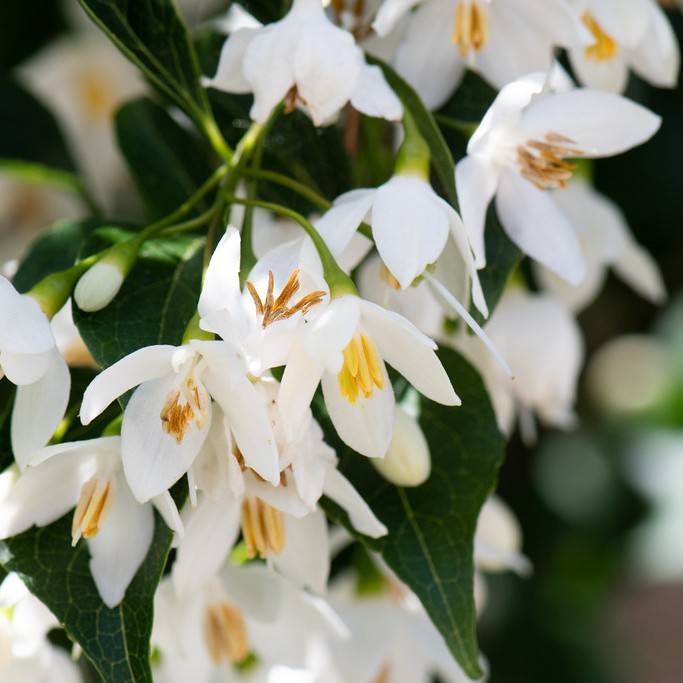
Japanese Snowbell
Styrax japonicus
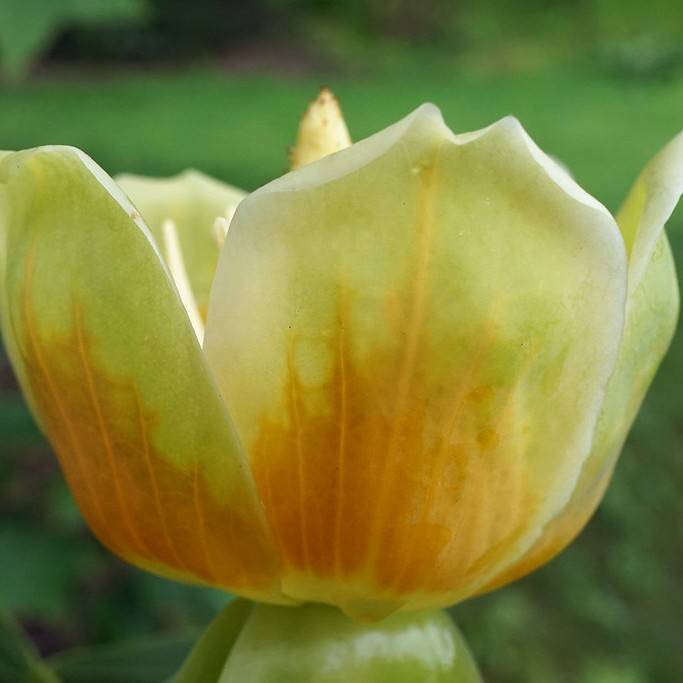
Chinese Tulip Tree
Liriodendron chinense
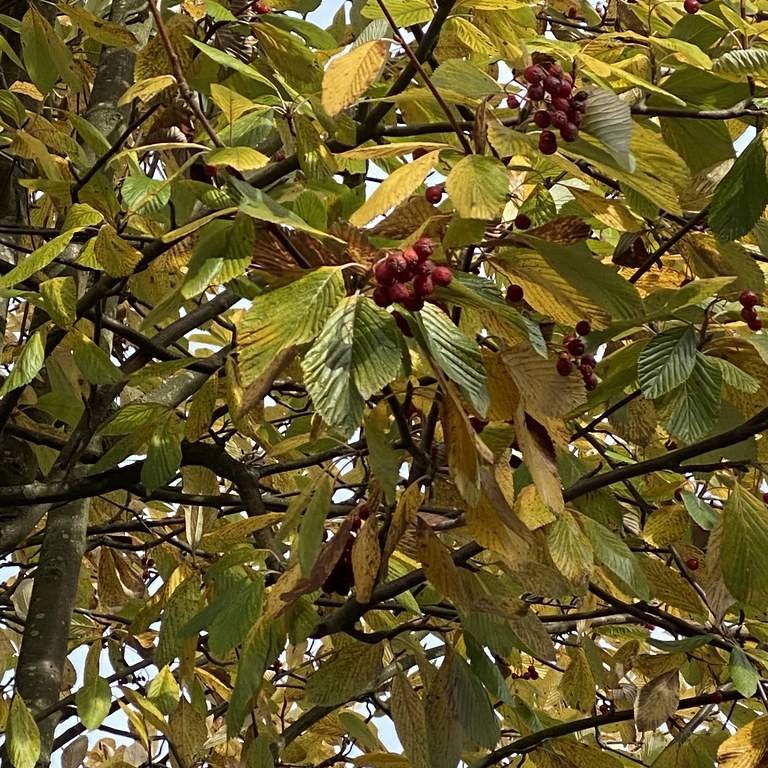
Japanese Flowering Cherry
Prunus serrulata
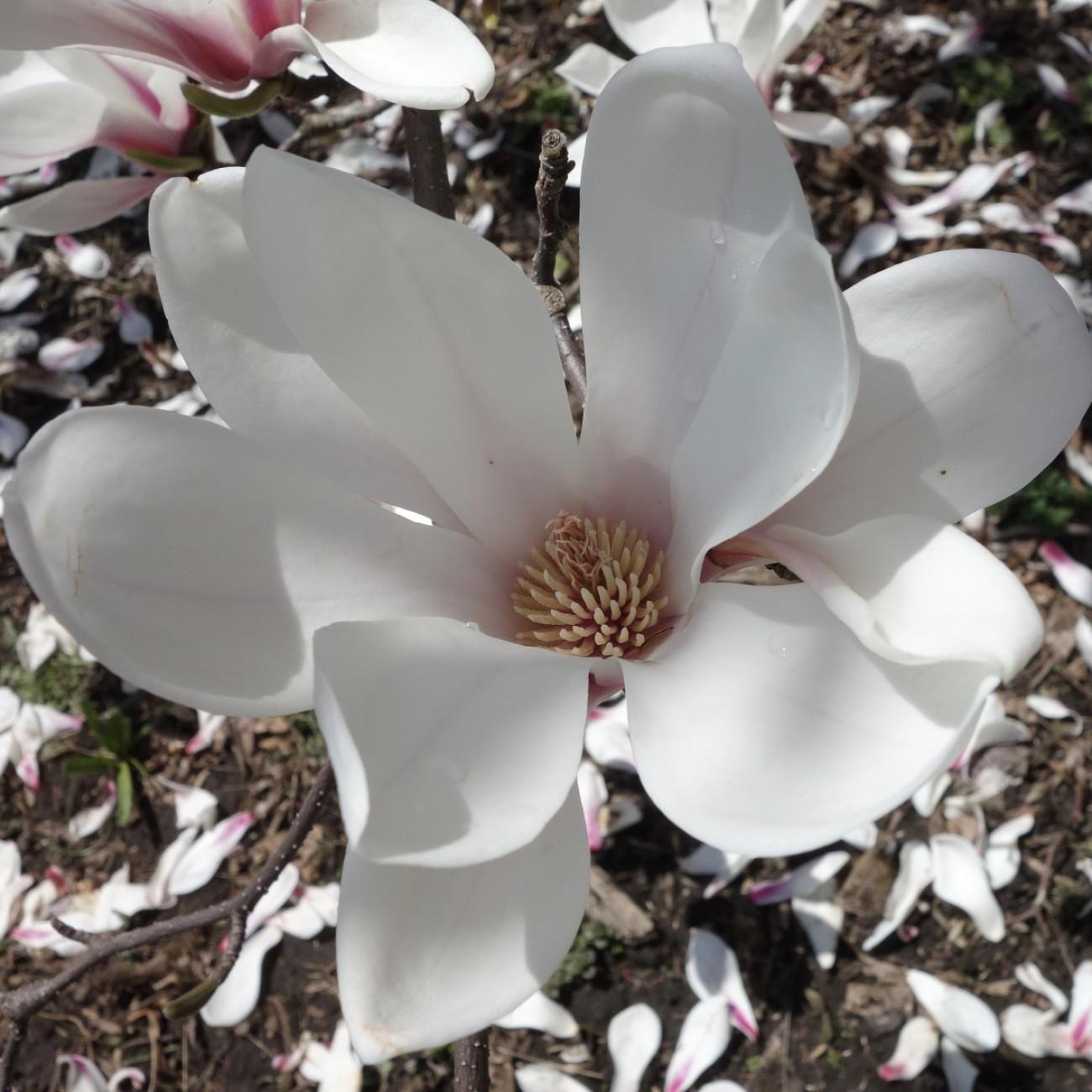
Cylindrical Magnolia
Magnolia cylindrica
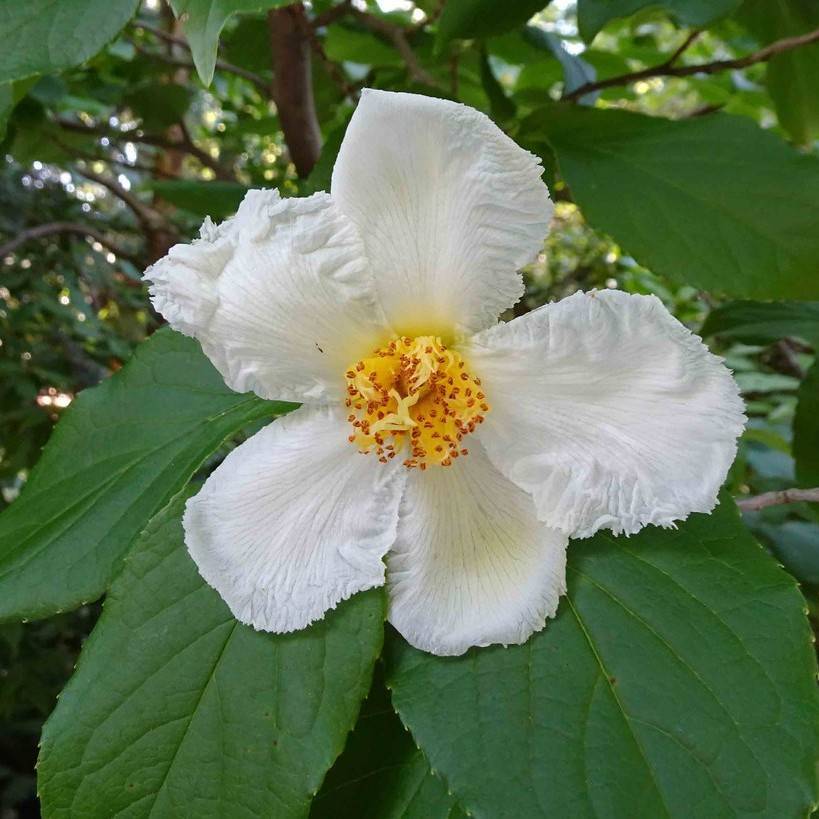
Japanese Stewartia
Stewartia pseudocamellia
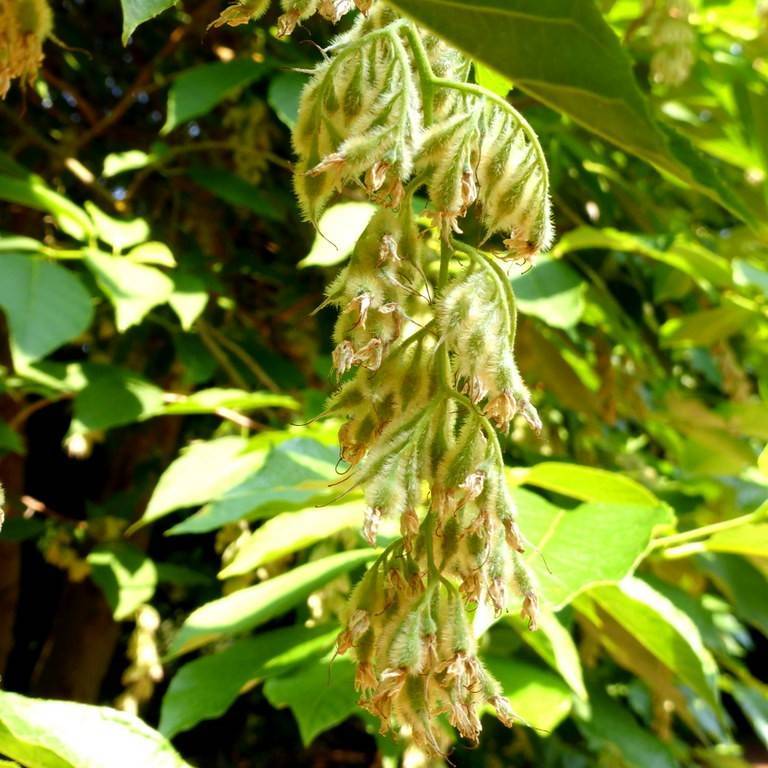
Fragrant Epaulette Tree
Pterostyrax hispidus
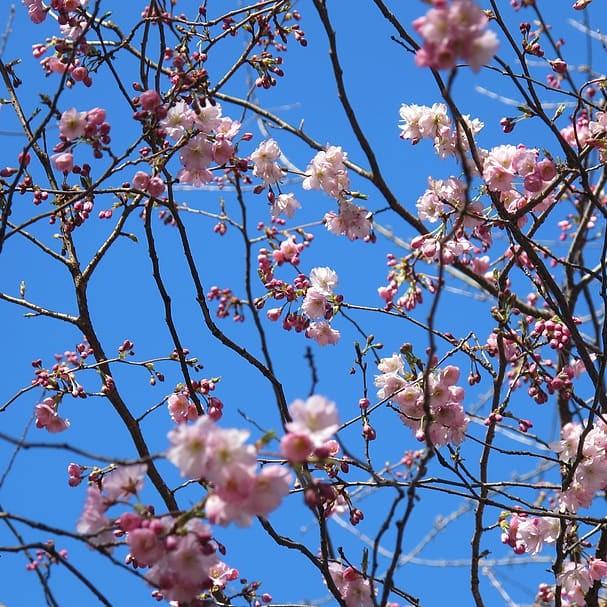
Double Weeping Higan Cherry
Prunus subhirtella 'Pendula Plena'